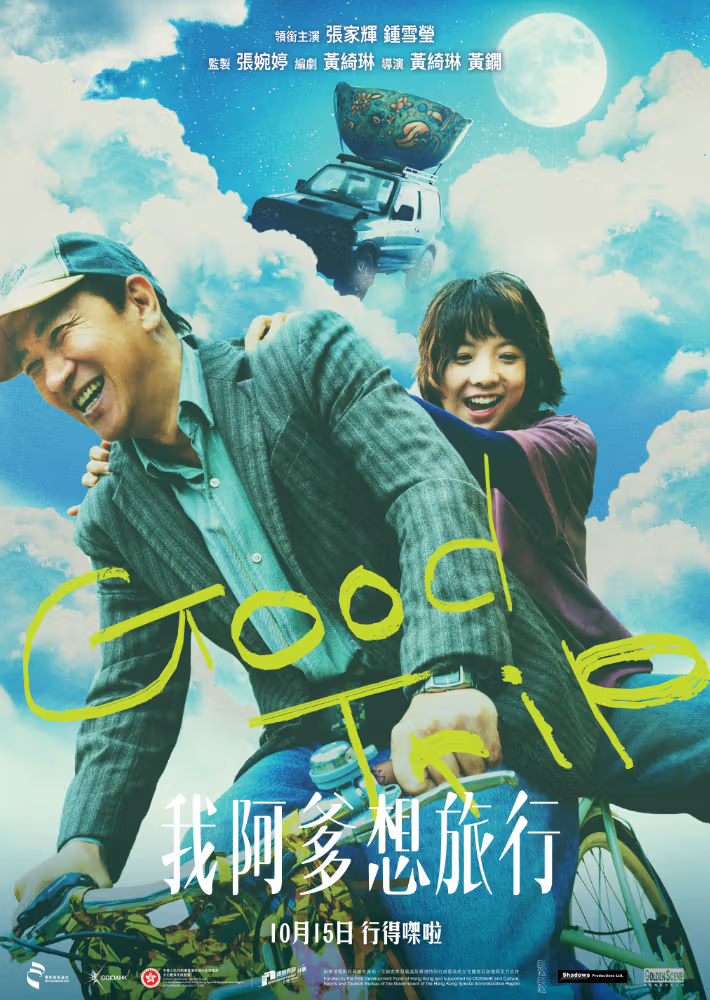
Hong Kong film Good Trip opened locally on October 15. Co-directed by Norris Wong and Wong Hoi, produced by Mabel Cheung and starring Nick Cheung and Chung Suet-ying, it centres on a father-daughter road journey. Movement between a film set and hospital becomes a route through the New Territories, Macao and Okinawa. Memories of Hong Kong film genres share that route with family relationships and filmmakers’ ideas about creating.
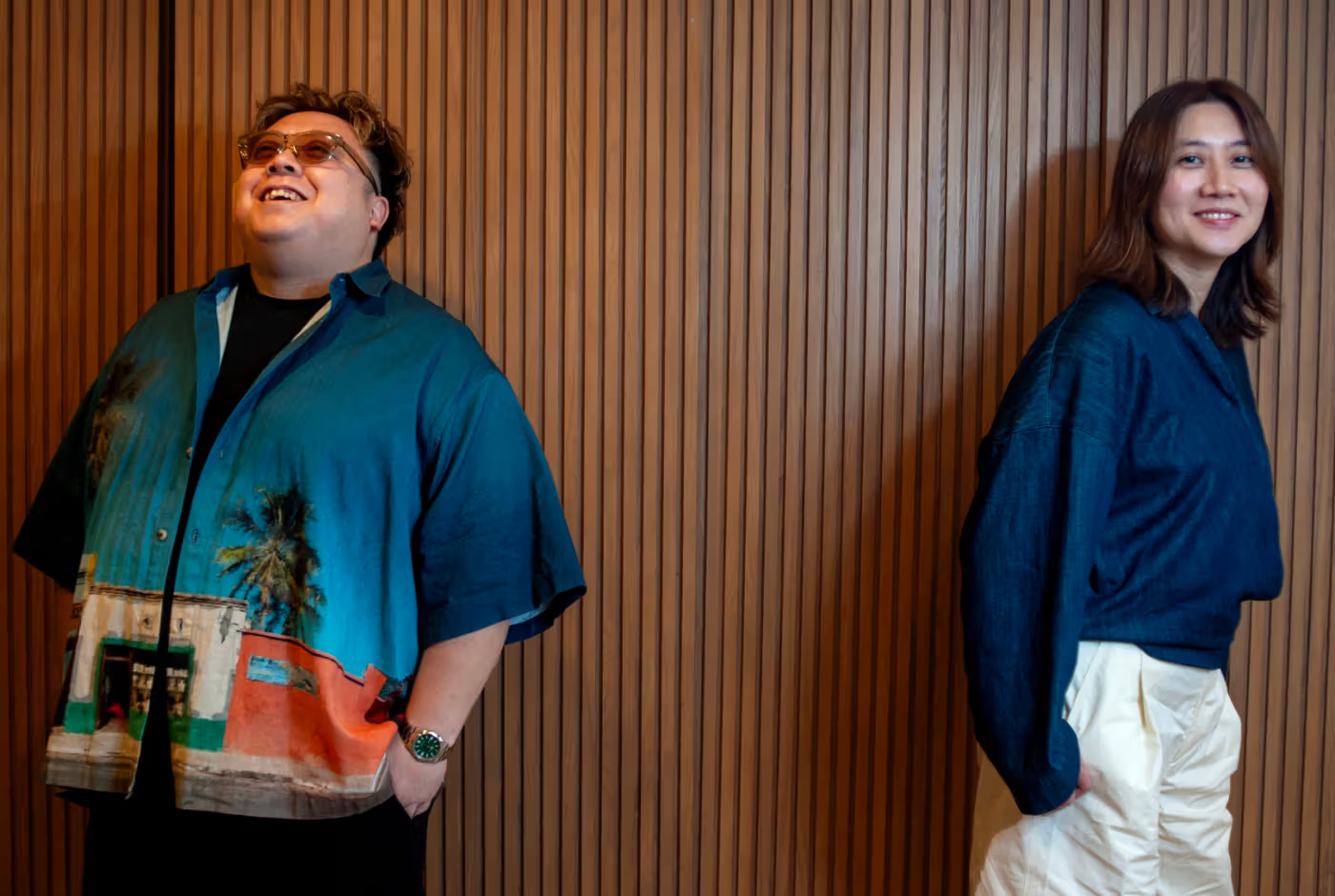
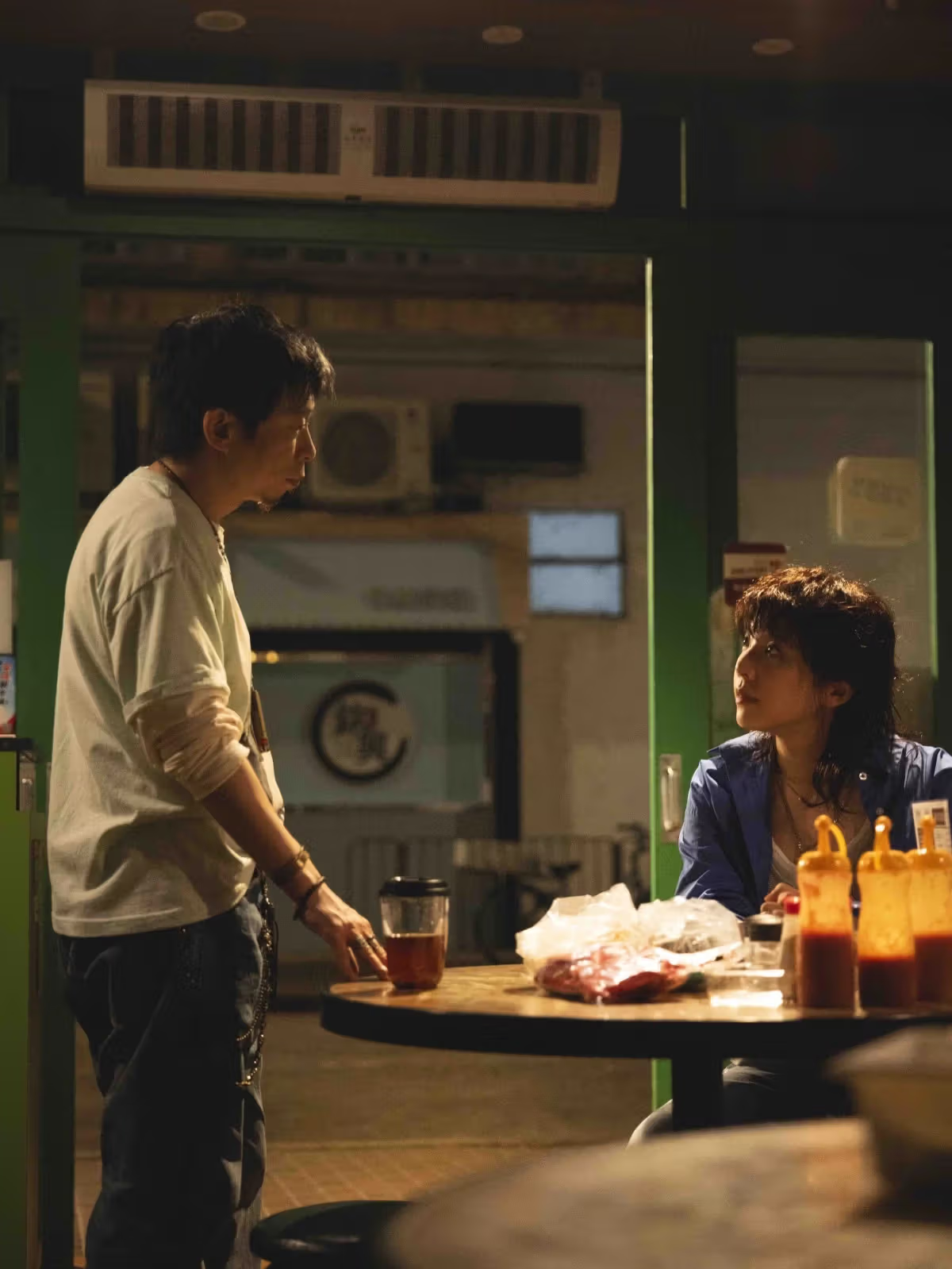
Nick Cheung in a film still from Good Trip.Directors Norris Wong and Wong Hoi in a portrait.
Why does a task involving a prop become a journey?
In the official synopsis, Chung Suet-ying plays film art assistant Shan, balancing work with caring for her father, Mok Chun-keung. A last-minute request sends her to a prop warehouse to collect a large soup bowl. Her father insists on accompanying her, taking them outside their original schedule and into an unexpected trip. The starting point is a detour between work and family responsibility rather than a carefully planned holiday.
This premise gives travel a meaning beyond its destination. Collecting a prop is a specific, mundane task; accompanying an ill parent carries emotional weight that is harder to quantify. Forced into the same day, the two responsibilities require characters to reconsider what deserves time. With this setup in mind, viewers can observe transitions between everyday tasks and imaginative space, rather than approaching the route only as a sequence of tourist locations.
Why are there echoes of kung fu and gambling films?
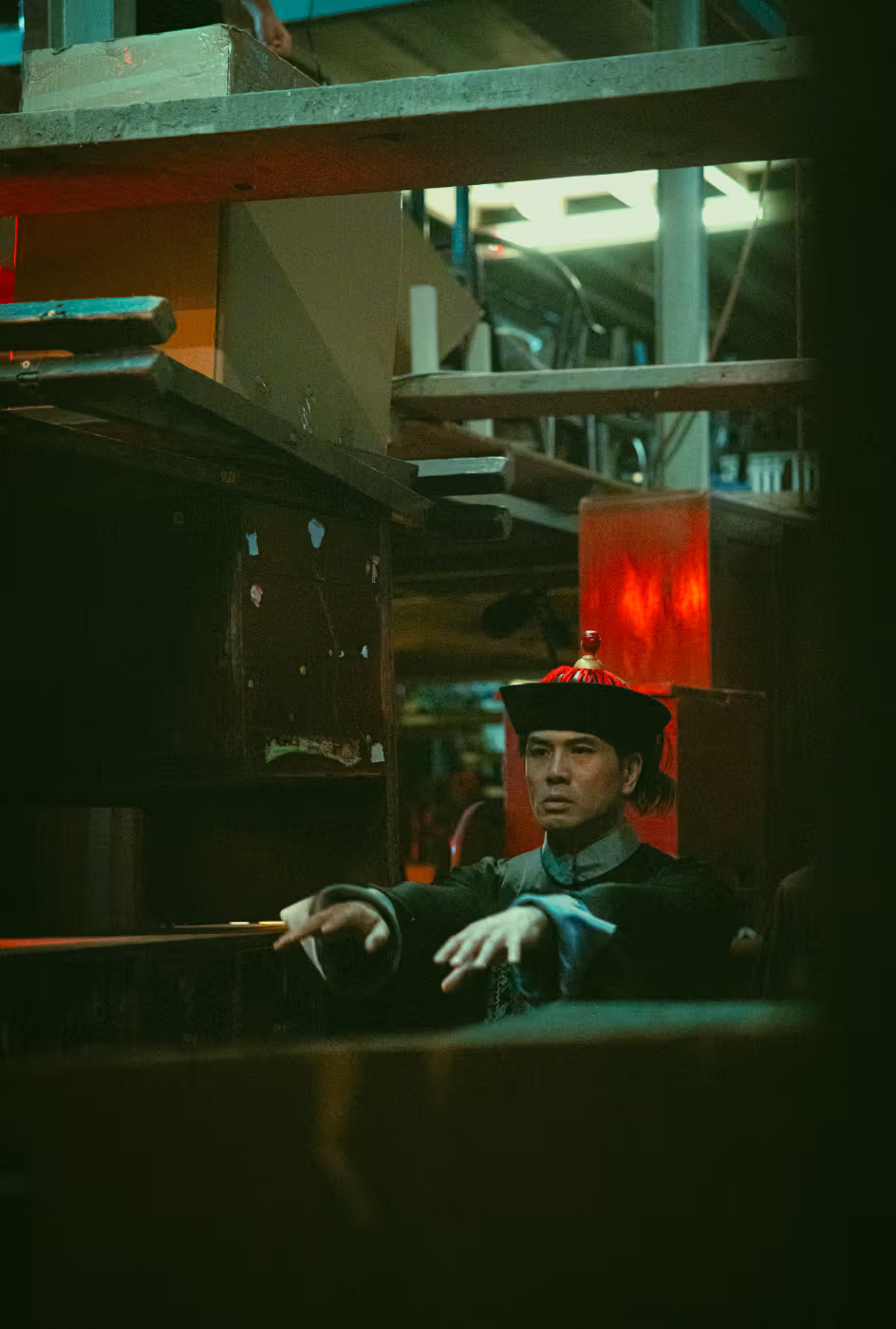
In the associated interview, the directors discuss bringing wuxia, gambling-film and hopping-vampire elements into their work. These choices connect with their memories of local cinema, rather than simply converting a road story into one type of action film. Viewers familiar with Hong Kong movies can follow changes in clothing, movement and settings to see how genres enter the characters’ imagination and creative environment.
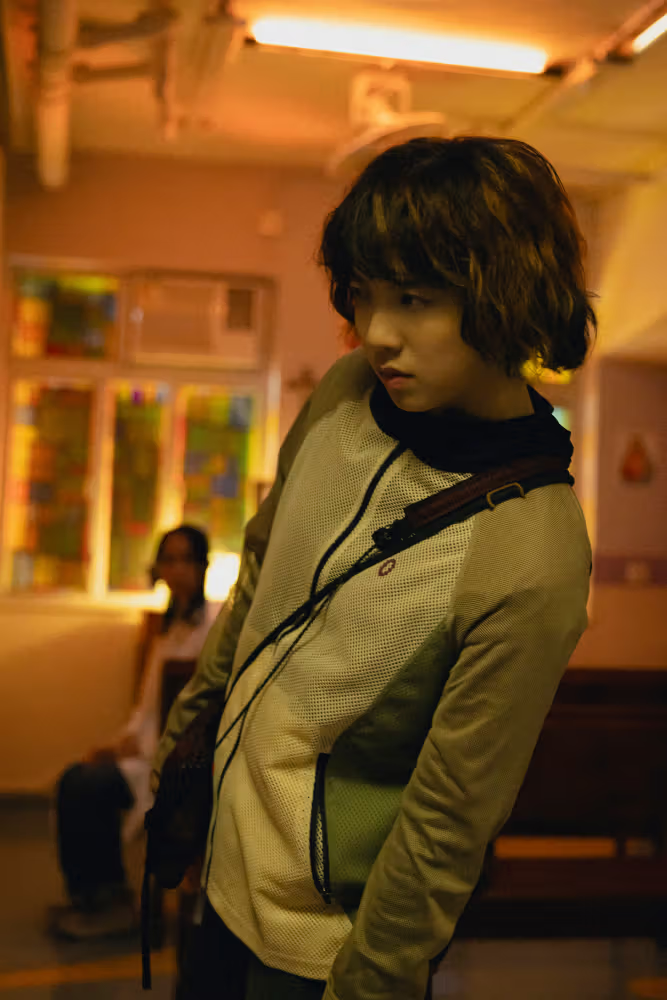
A film still places a character within an everyday setting.
Those unfamiliar with earlier films need not complete an entire canon beforehand. Genre cinema creates recognition through clear styling, rhythms and relationships between characters. Begin with the father and daughter’s movement, then notice when the image suddenly changes its tone. This is a set of questions to take into the cinema, leaving personal judgement for after the film.
How does the collaboration connect generations of Hong Kong cinema?
Good Trip receives support through the Film Development Fund’s Director’s Succession Scheme, bringing established filmmakers together with a newer generation of directors. Official Film Development Council information confirms Norris Wong as screenwriter and Mabel Cheung as producer. Rather than reducing succession to the repetition of familiar scenes, this production relationship concerns how experience is used: discussing a script, working with actors and translating imagination into filmable scenes.
Local cinema information currently lists a running time of 108 minutes, Cantonese dialogue and a Category IIA classification, with screenings set by individual cinemas. Those drawn to family stories can follow how father and daughter come to know each other again. Those interested in local cinema can notice an art assistant, a job less often placed at the centre. Family narrative and filmmaking reflect one another, allowing more than a single label of comedy or tearjerker.