Taipei Digital Art Festival opens October 31 with robotic belugas and a late-night botanical garden
Gray Autonomous Entity runs through November 15. Opening-day exhibition hours extend to 2am on November 1, while the audiovisual programme has a separate 8–11pm schedule.
The 2026 Taipei Digital Art Festival runs from October 31 to November 15 under the theme Gray Autonomous Entity, across Taipei Collectible Botanical Garden and Art in Shops locations. For the first time, the main exhibition enters the natural setting of the Taipei Expo Future Life Pavilion. Curated by Lien-Cheng Wang and Yen-Ju Lin, it brings together more than 30 Taiwanese and international teams. Screens are only part of the experience: machines, sensors, daylight and human bodies join plants to ask how natural and artificial systems operate together.
Belugas follow light, taking interaction beyond a button
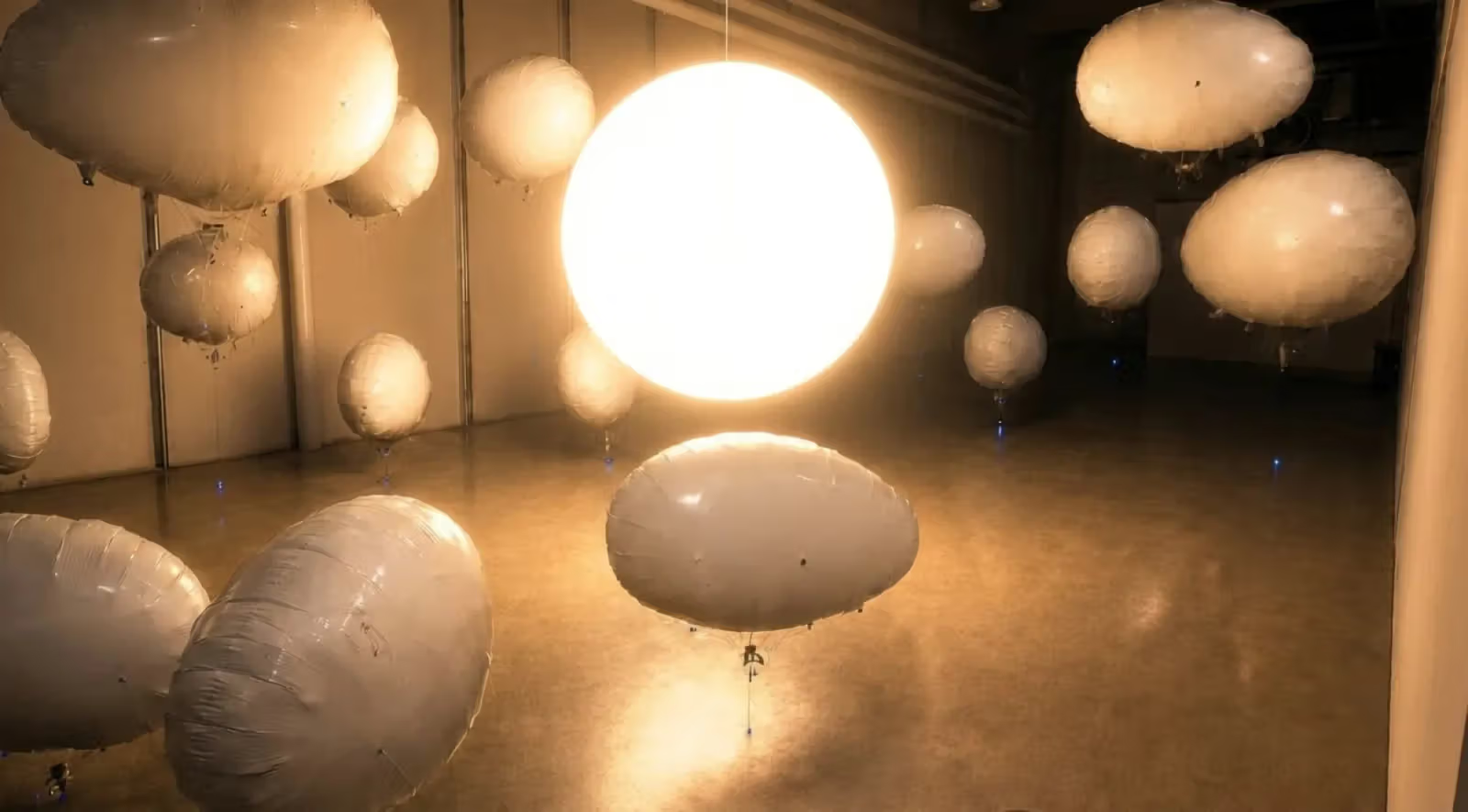
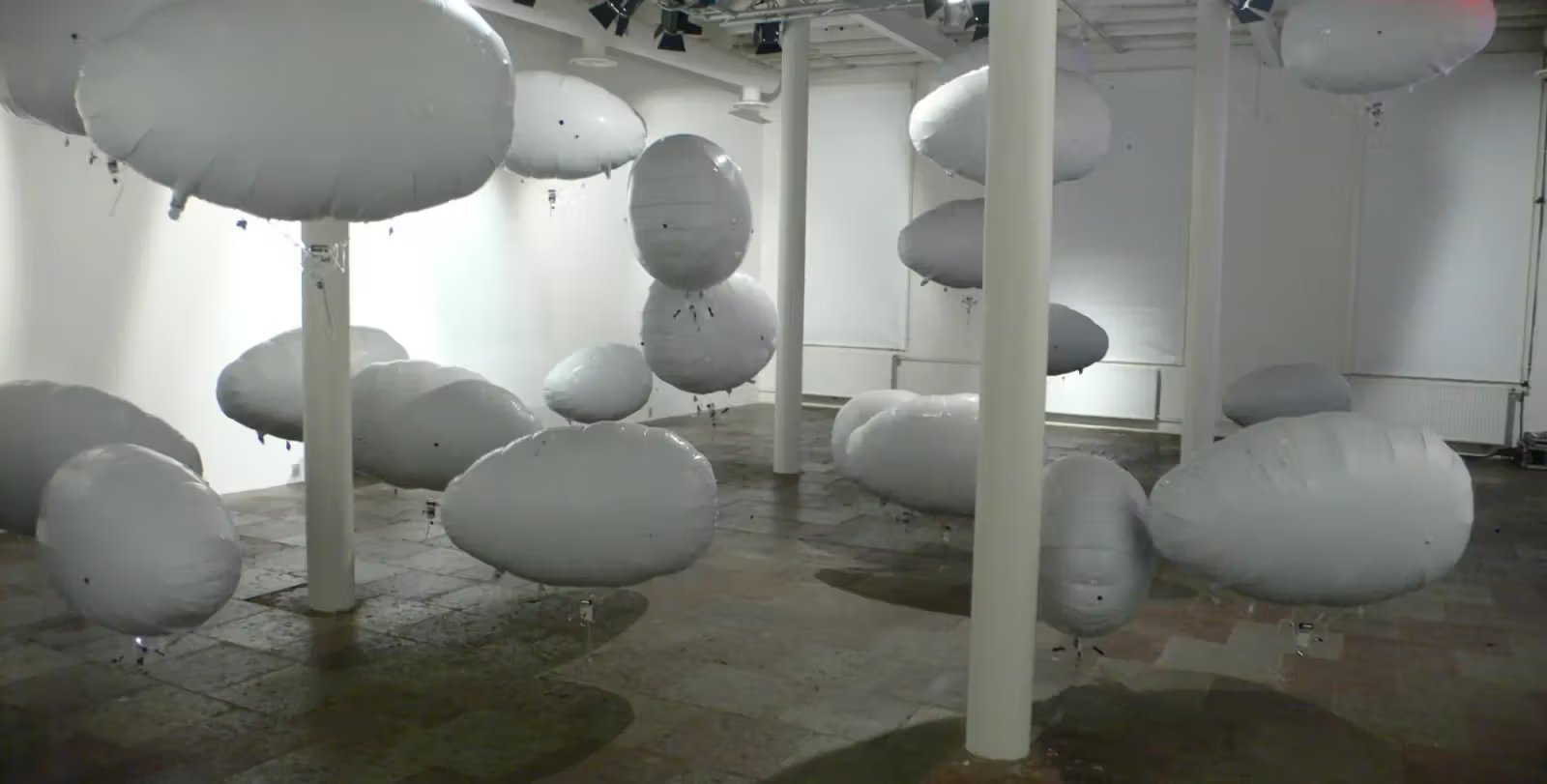
Jed Berk’s Belugas’ Sphere develops his 2008 work Beluga Pod into a group of mechanical bodies. Changes in light affect their activity, gatherings and formations. Visitors can introduce light to influence their behaviour, while the system continues acting when nobody is present. Rather than pressing a button to play a fixed sequence, the encounter invites observation of how an installation responds to environmental conditions.
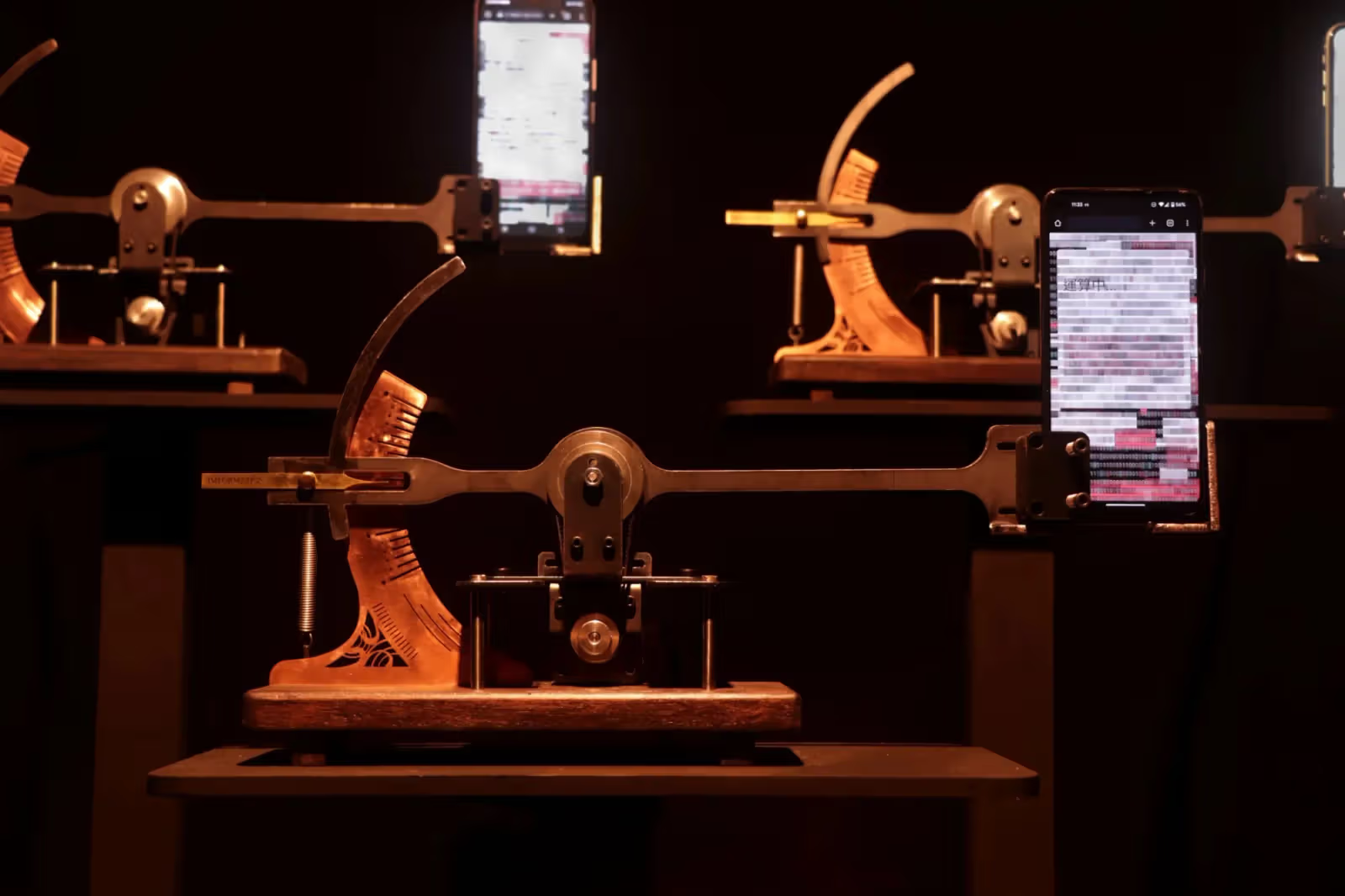
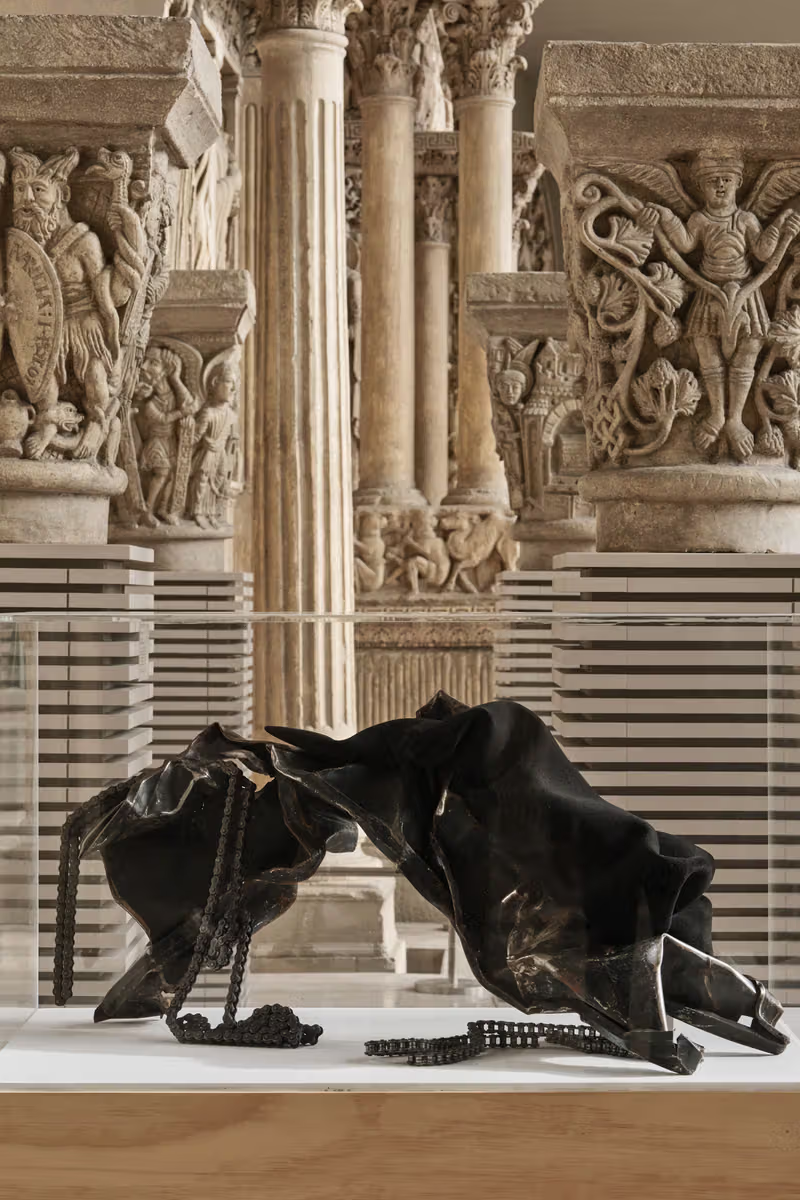
Robotic belugas form different positions and groupings in a space.Mechanical and text-based elements in an installation.
“Gray” points to ambiguous, transitional and unsettled boundaries. The curatorial proposition treats AI as an environmental presence alongside plants, soil, fungal networks, animals and people. This is an artistic question, rather than a declaration that all machines are alive. Starting with the belugas, visitors can distinguish movements influenced by participants from those produced by programmed conditions and ongoing operations, then carry those questions to other works.
Domes, lunar arcs and daylight move viewing beyond a flat screen
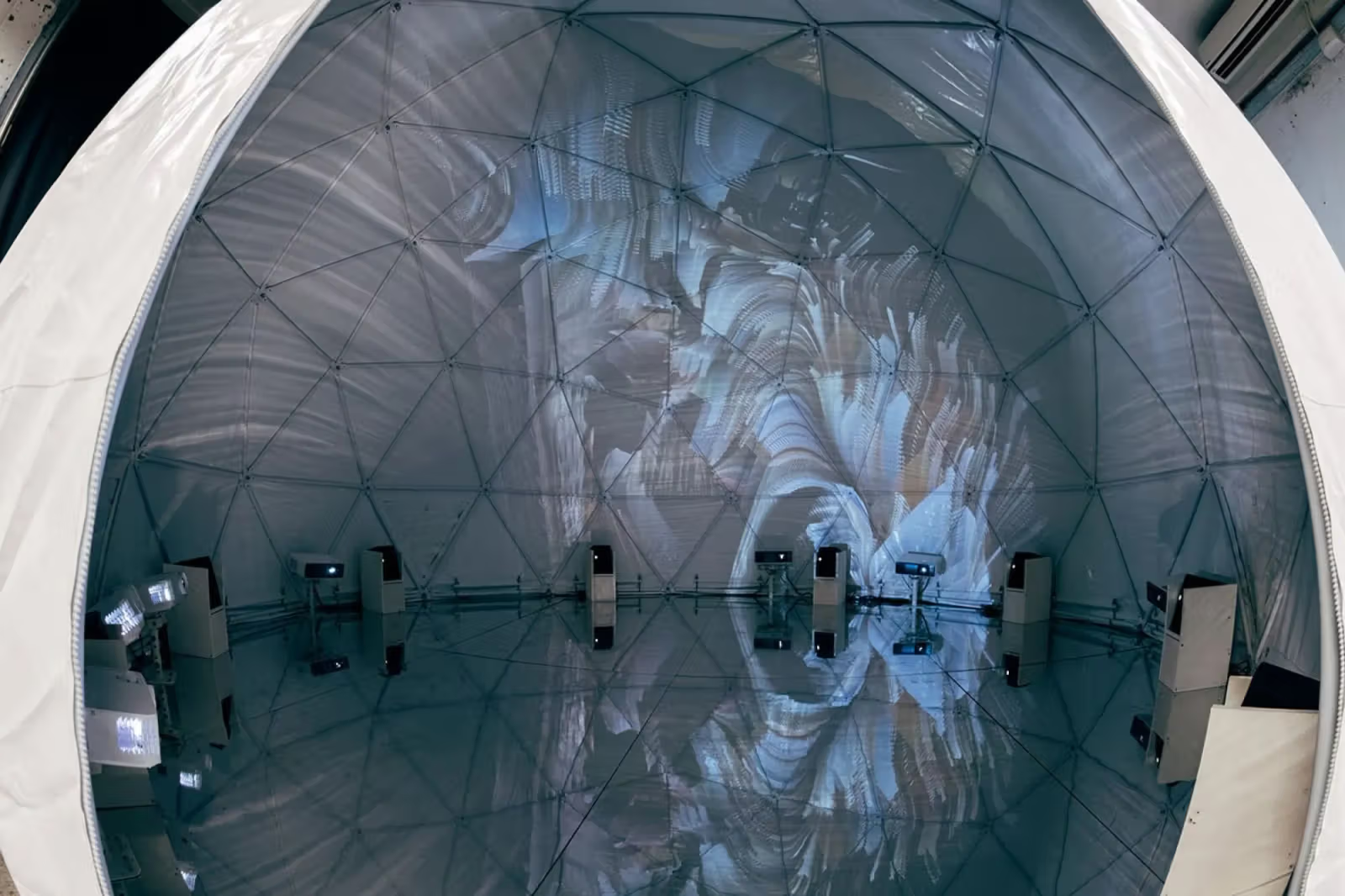
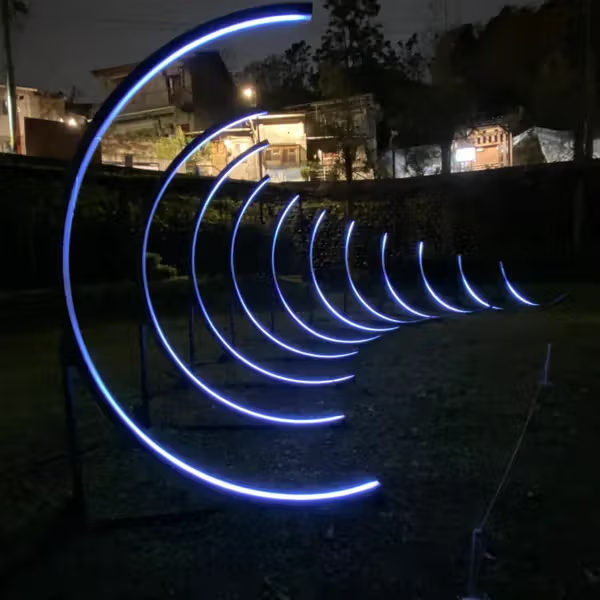
The Mini Dome from C-LAB Future Vision Lab presents dome works through immersive audiovisual environments, incorporating AI and generative methods to extend viewing around the body. Shu-Yu Lin’s outdoor work Luminous Night uses multiple curved light forms to respond to lunar changes; silhouettes, mist and vegetation also alter its outline. Both make space part of viewing, but one centres on surrounding imagery while the other leaves the immediate environment within the work.
Mini Dome surrounds the viewing position with dome imagery.Curved lights in Luminous Night meet the outdoor environment.
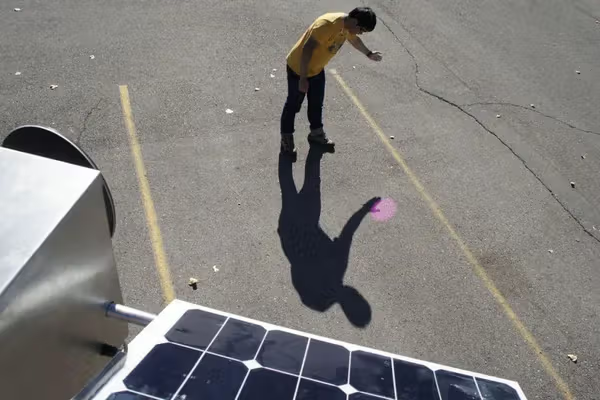
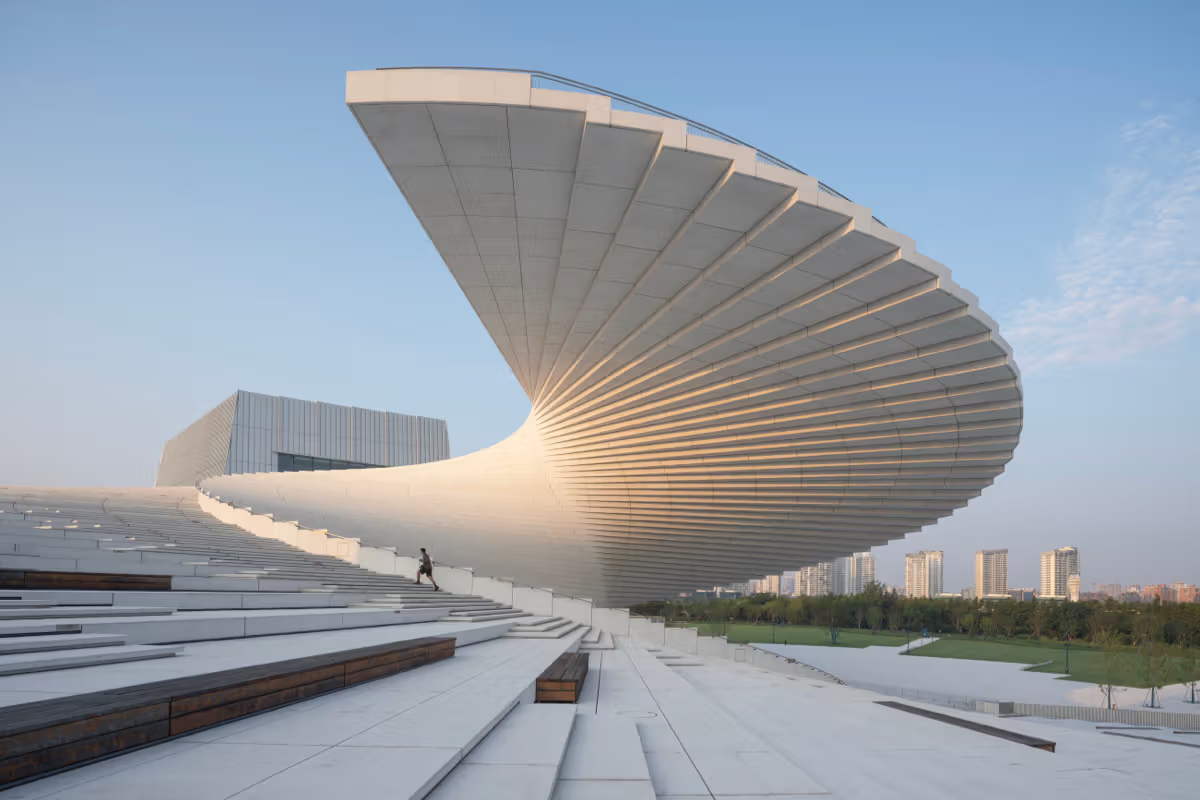
Assocreation’s Solar Pink Pong turns reflected pink light and bodily shadows into play, moving a game from the living room into the street. Daylight, darkness and weather affect different works, so a visit need not aim to see everything under identical conditions. The supplied artwork photographs show the forms of the projects, rather than documenting an installation at the still-unopened botanical garden. Consult the official exhibition map for actual locations.
Solar Pink Pong turns shadows and reflected pink light into a game.
One extended opening night; neighbourhood works follow shop hours
On October 31, the main exhibition stays open until 2am on November 1. The Audiovisual Night programme runs separately from 8 to 11pm in the Future Life Pavilion’s ground-floor lobby. The official programme includes Félix-Antoine Morin and Alexandre Larose, alongside several Taiwanese audiovisual creators. Late-night access is a special opening-day arrangement, rather than a daily schedule for the entire festival.
The main exhibition is closed on Mondays. The venue is at No. 16, Binjiang Street, Zhongshan District, Taipei. Another 14 works enter venues and shops around Yuanshan, whose opening hours may differ from the main hall. Official guided tours take place from 3 to 4pm on October 31 and November 1, 7, 8, 14 and 15, with registration at the service desk and assembly ten minutes early. Separating indoor, outdoor, neighbourhood and opening-night programmes makes the art walk easier to plan.