How Taipei’s streets become graphic design: 15 practices at C-GRAPHIC/TAIPEI through November 9
NOKE’s third-floor Uncanny brings posters, publishing and identities together, reading the city through Traditional Chinese and night-market colours. Nearly 40 gggBooks offer an international comparison.
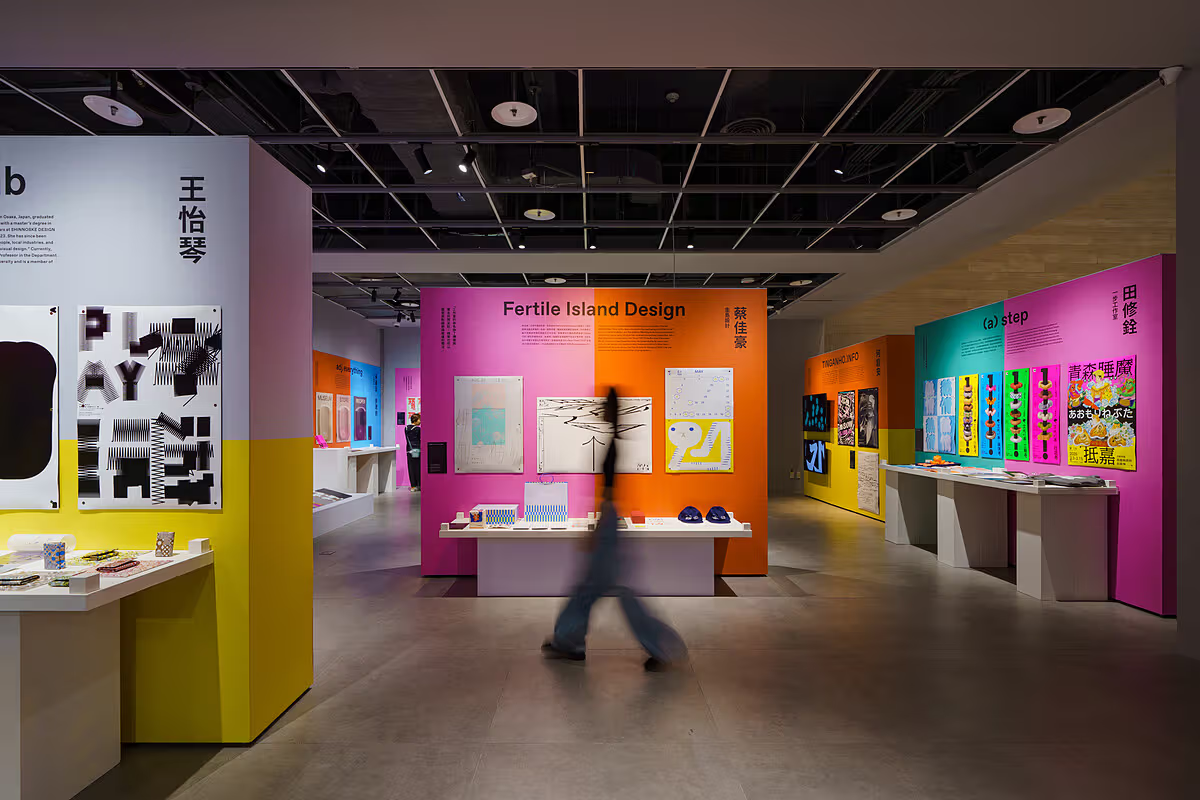
C-GRAPHIC/TAIPEI: Taipei’s Graphic Design Scene in the 2020s, now at Uncanny on NOKE’s third floor, presents the visual language of a city through 15 designers and teams from October 8 to November 9, 2026. Part of NOKE’s anniversary programme, it is co-curated by Javin Mo and Tetsuya Goto. Rather than first defining a Taiwanese style, posters, books, brands and moving images offer concrete examples of Traditional Chinese entering public life.
From Kyoto back to Taipei, ten practices become fifteen
The project began with Goto’s C-GRAPHIC INDEX, observing contemporary design across the Chinese-character cultural sphere. First shown at Kyoto ddd gallery in November 2025, it returns to the city where its creators work, expanding from ten to 15 practices. This is more than transporting results: audiences can reconnect exhibited work with cultural events, publications and street identities they have encountered.
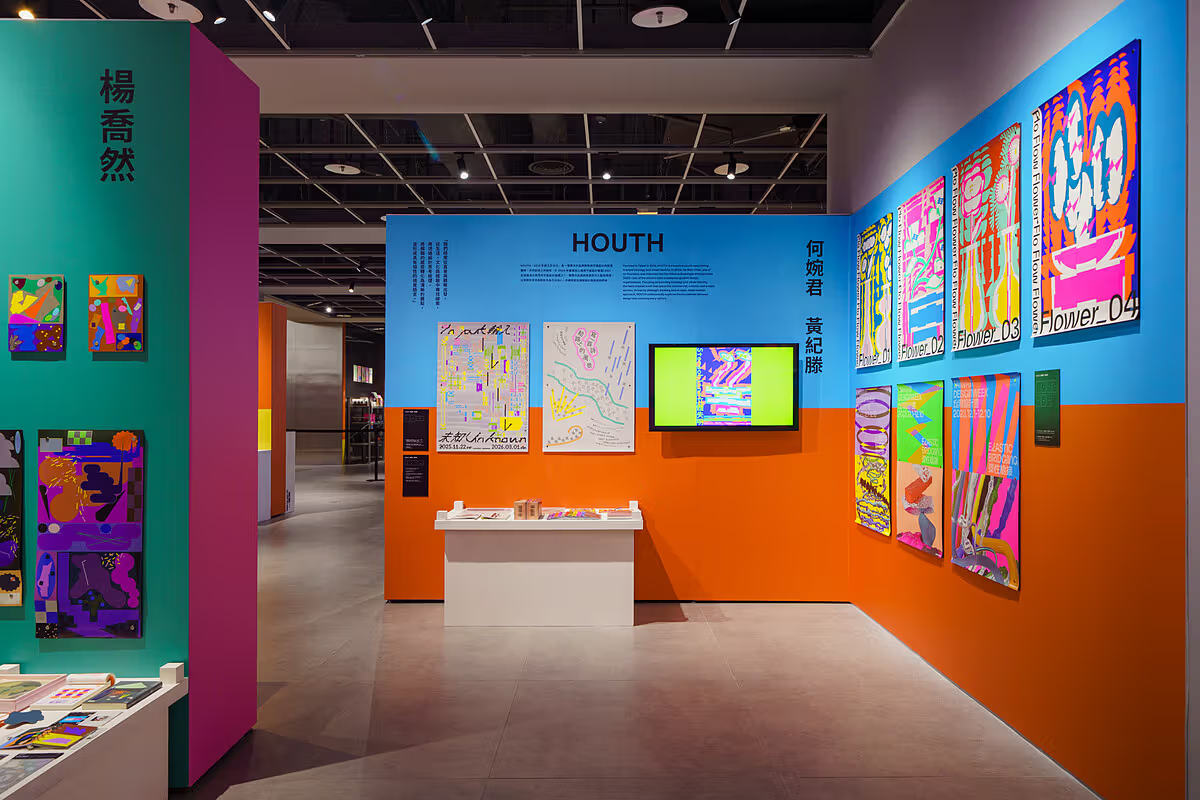
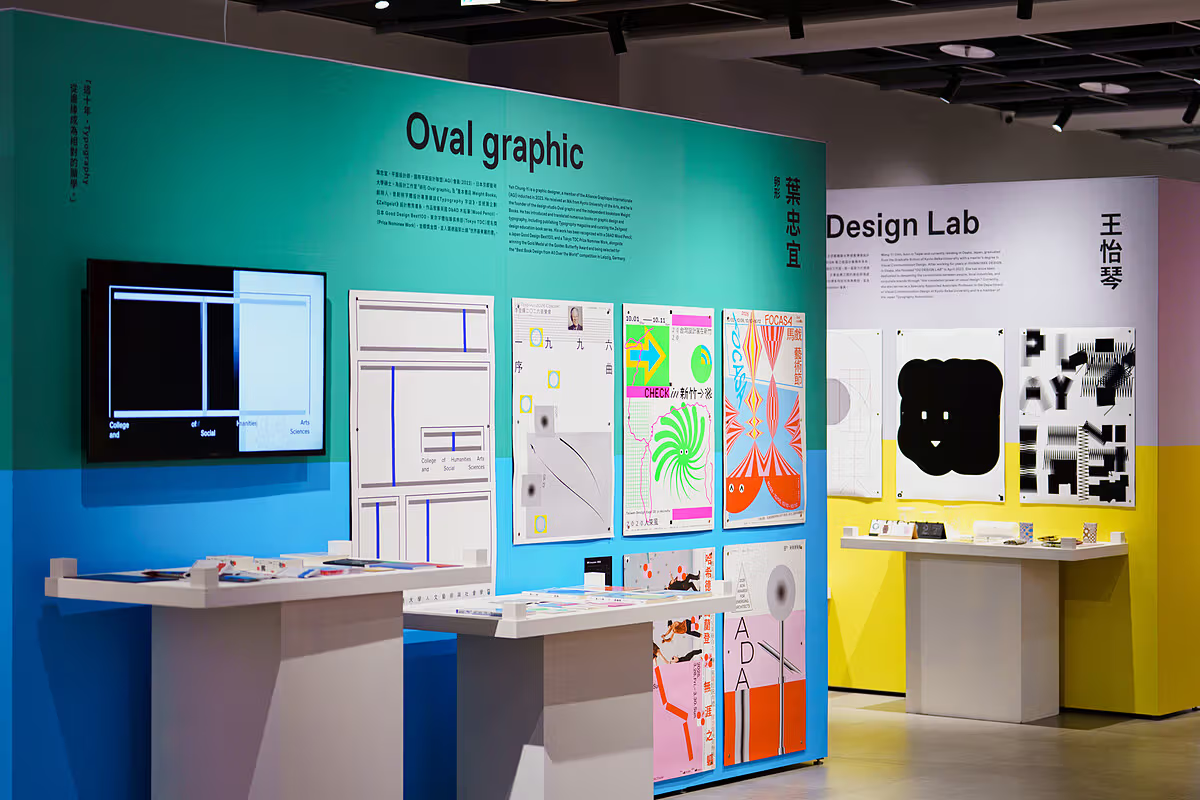
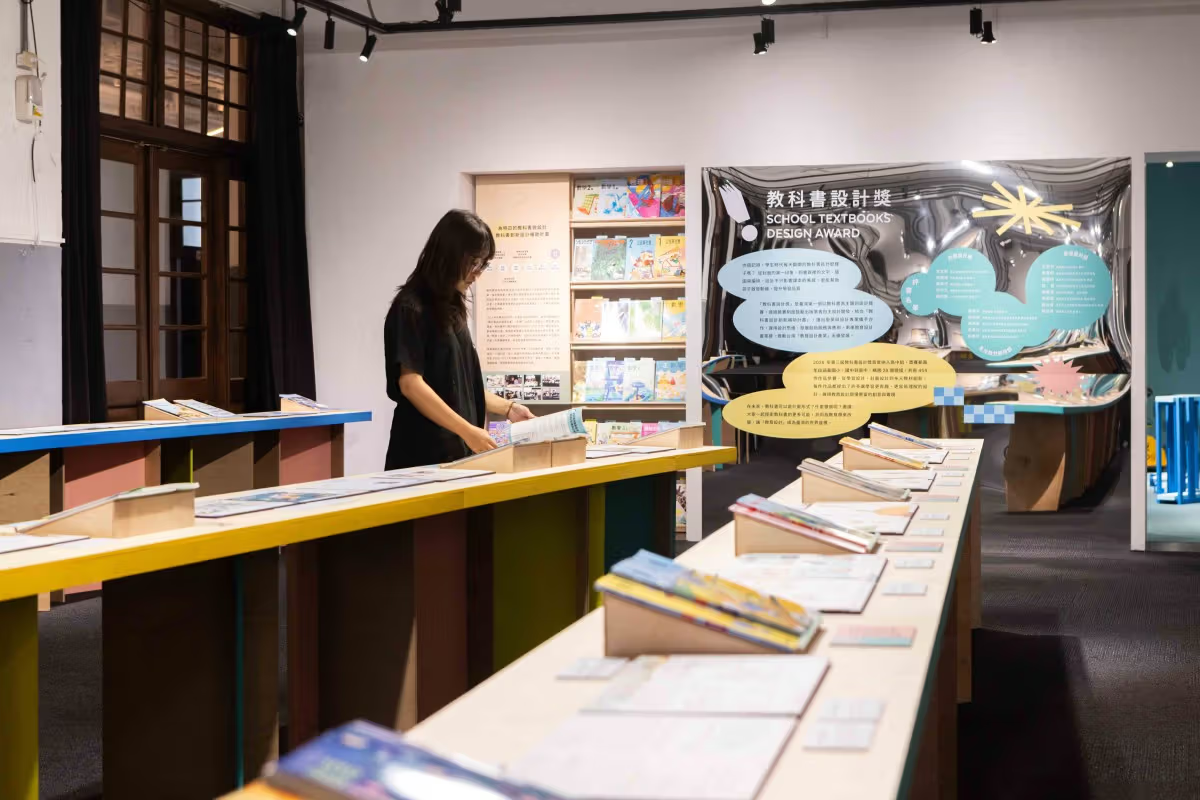
Participants include adj.everything, (a) step, ddd.pizza, Echo Yang, HOUTH, O.OO™, Oval graphic, Sydney Sie and Ho Ting-An, among others. Media extend beyond wall posters into publishing, identity and video. The same character in a page, package or event graphic must address different reading distances, information orders and viewing speeds. This is why an exhibition can start from everyday objects.
HOUTH combines colour and different media in its display.Type and visual works in the Oval graphic section.
Night-market and temple colours become an identity system
The key visual centres Traditional Chinese “Taipei,” taking colours from signs, night markets, temples and fireworks, combining pink, orange, green, blue and yellow into a dense image. It does not directly reproduce a street; it dismantles and rearranges daily visual experience. In each designer’s area, see how strong colours organise words and images, or how empty space conversely slows reading.
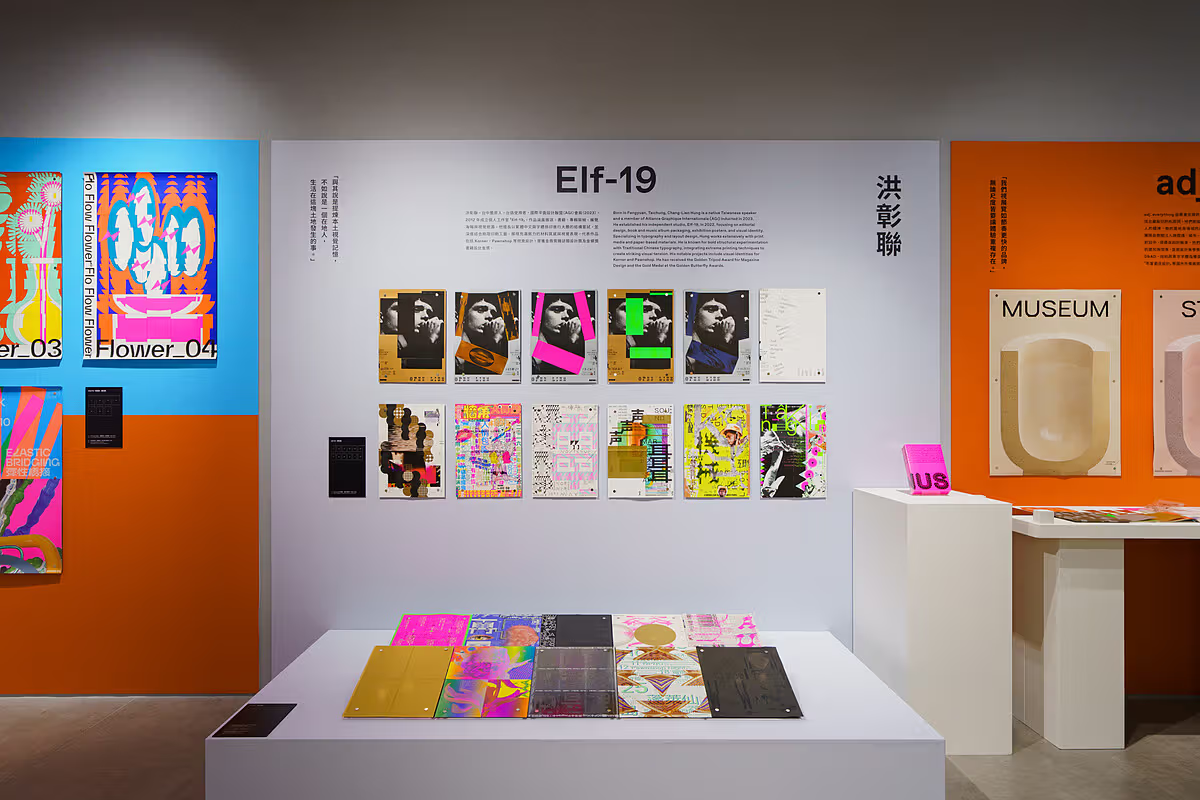
Elf-19 presents publications, posters and images.
Graphic design is also tied to public culture: a small studio’s type, layout and identity may become how many people remember an event. Choose a familiar work, ask what it wants remembered, then see whether the first words and images support that purpose. This reveals how designers create a path through complex information more clearly than treating everything as an attractive palette.
Nearly forty gggBooks give Taipei design another set of coordinates
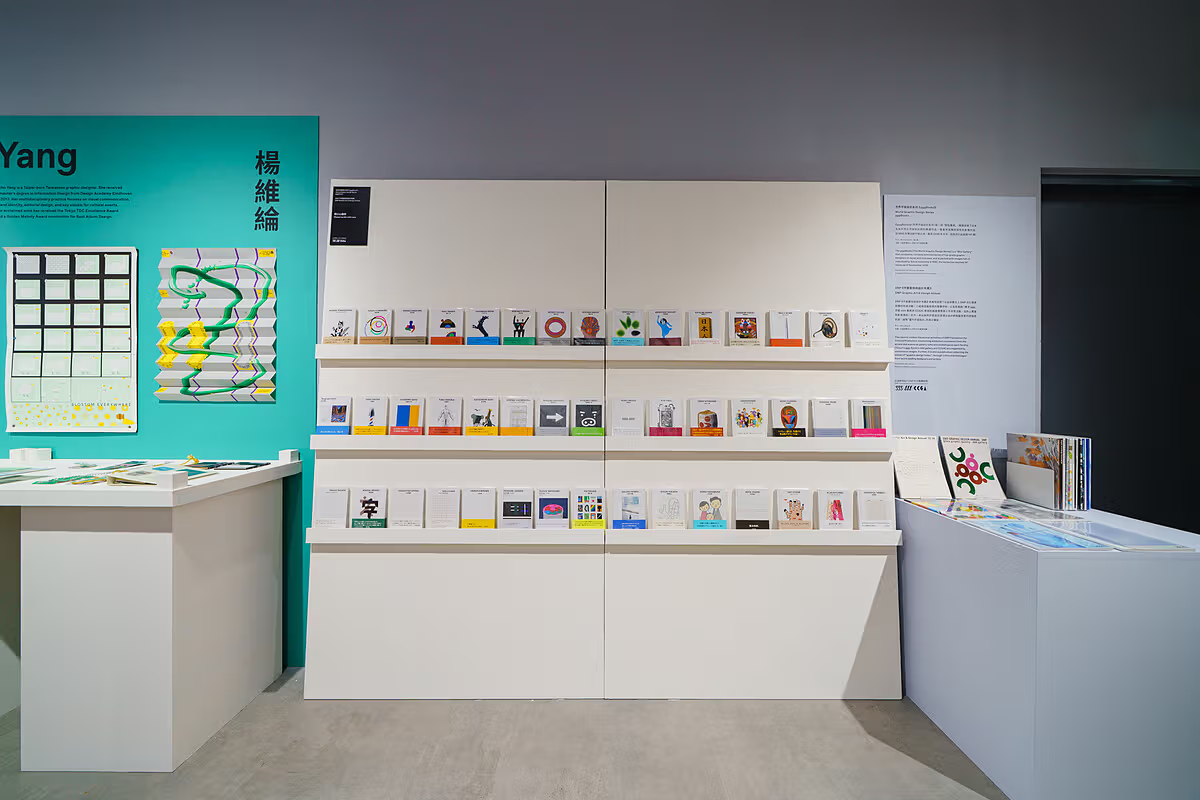
The exhibition includes nearly 40 volumes of DNP Foundation for Cultural Promotion’s gggBooks world graphic-design series, collecting Japanese and international practices in small publications. Compare how they handle type, images and pages against Taipei’s 15 teams. Design publications and products are also available; talks return from finished work to paper, editing and cross-disciplinary methods. Sessions already over cannot be booked as future programmes.
Nearly 40 gggBooks form a comparison through adjacent pages.
Standard admission is NT$100. NOKE members receive two free-entry tickets upon registration or login, while student and other exemptions follow official rules. The address is 200 Lequn Third Road, Zhongshan District. Hours are Sunday–Thursday 11am–9:30pm, last entry 9pm, and Friday–Saturday until 10pm, last entry 9:30pm. Back outside, metro posters and packaging let visitors return type, materials and information order to the city and see how overlooked design keeps working.