The ninth Taiwan lighting-environment award has announced nine finalists, with winners to be revealed on December 11, 2026. Factories, a technology campus, an interchange, streets, a detention basin and cultural venues make this more than a contest between similar night views. Light supports production, guides movement and explains concealed infrastructure or memory. Selection as a finalist is the news; it does not yet mean winning the main award.
From production floors to a lake, materials and environments need different light
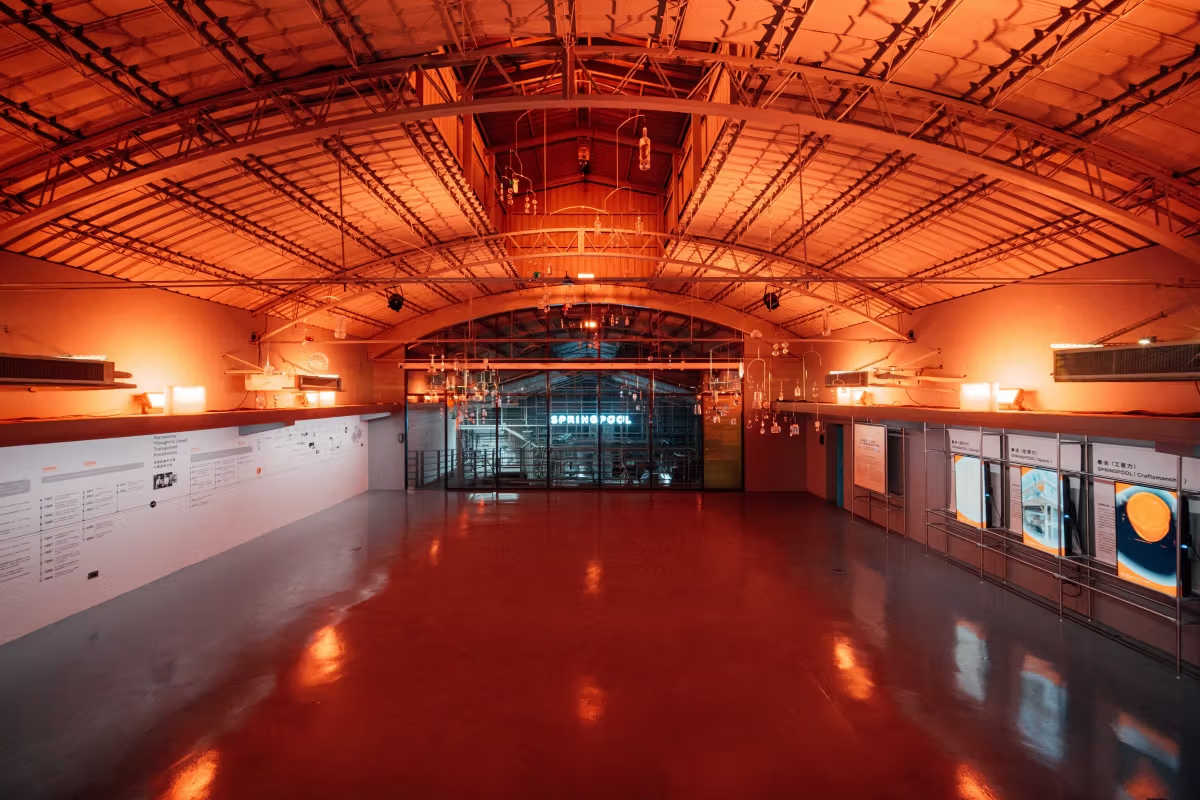
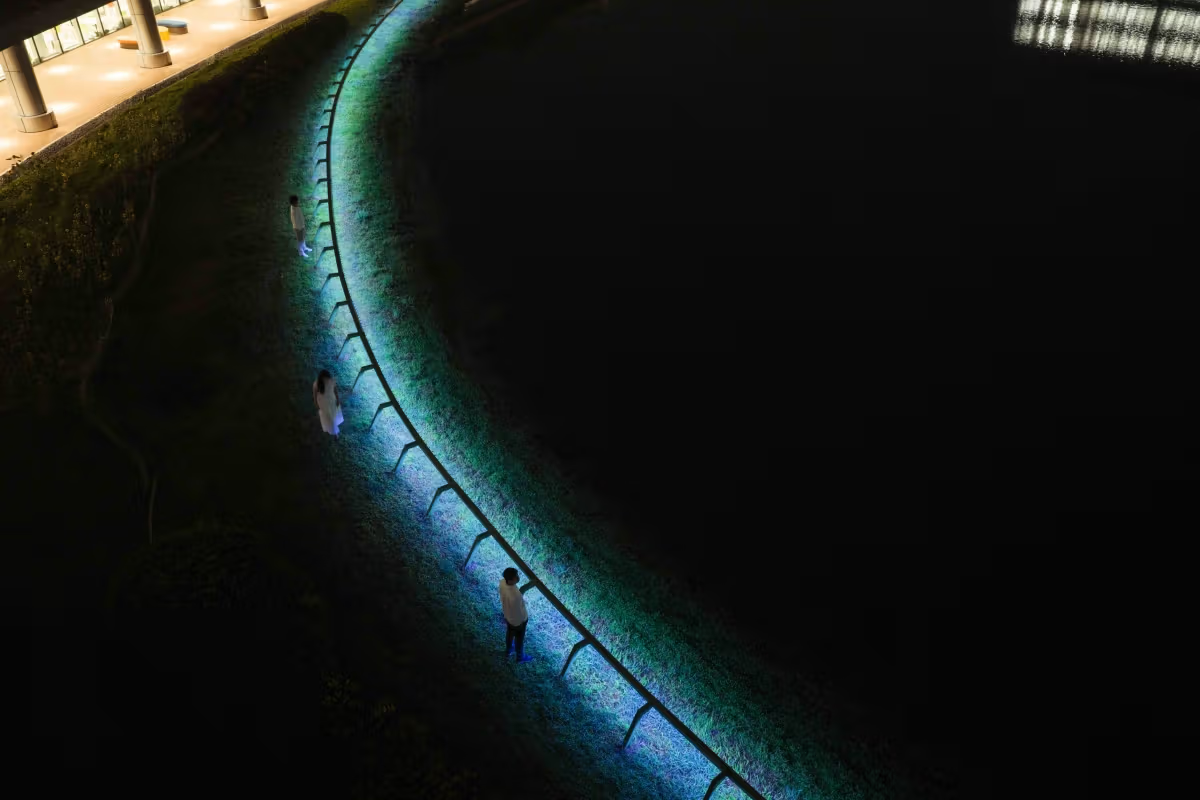
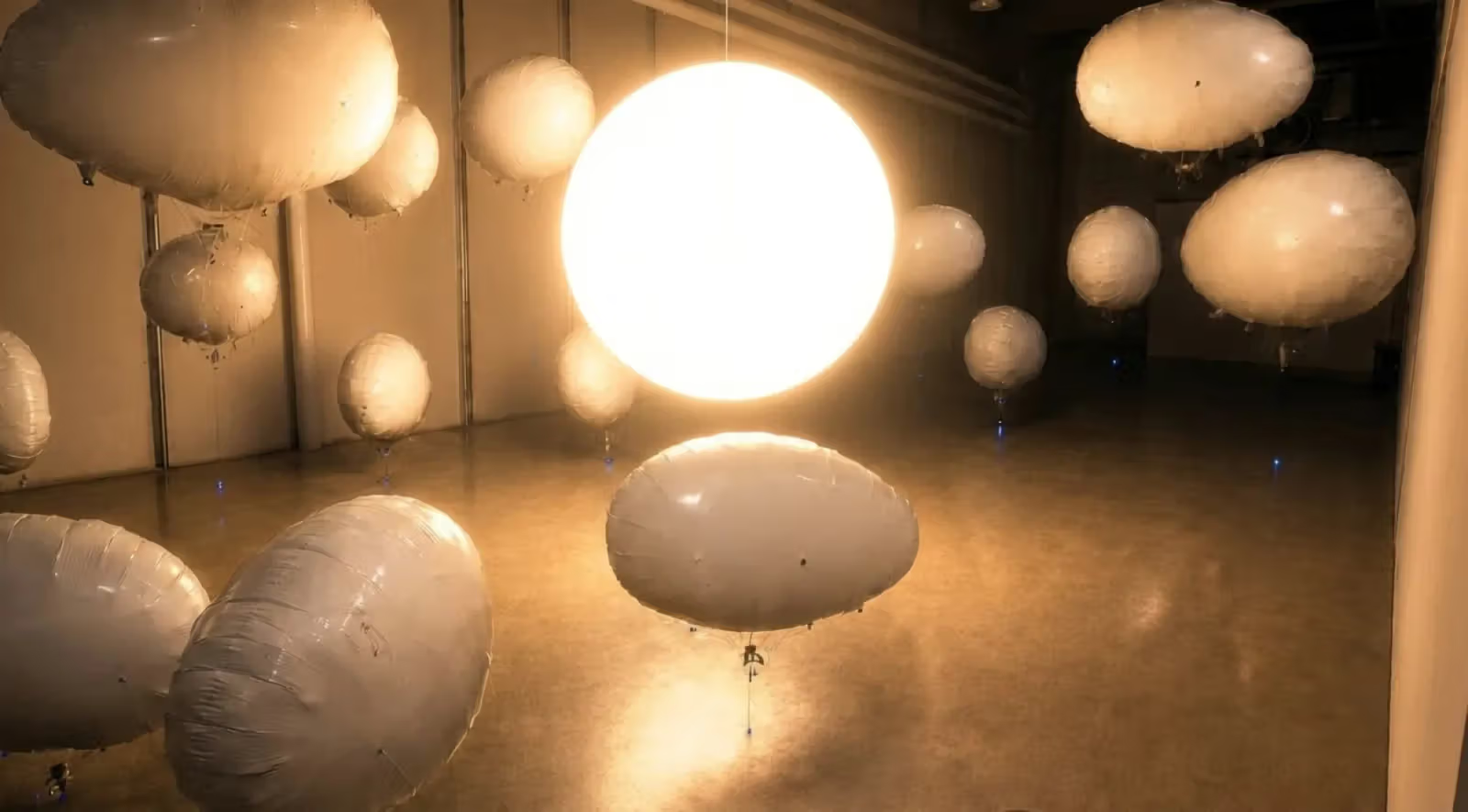
Spring Pool’s site in Xiangshan, Hsinchu, turns an operating glass factory into a participatory semi-factory. Lighting responds to melting, flowing, forming and annealing, allowing production and visiting to coexist. Mist Light—Wafer Lake at TSMC’s Fab 18 in Southern Taiwan Science Park combines mist and ring-shaped light over approximately 3,000 ping of water. Different colour temperatures respond to production, ecology and everyday life, with LEDs, smart control and downward lighting limiting unnecessary spill.
Warm lighting reveals Spring Pool’s glass-factory space and processes.Ring-shaped lighting follows the lake in Mist Light—Wafer Lake.
The contrast concerns how light works with an existing place. A factory must reveal processes while remaining more than a stage; a lake involves reflection, mist and direction. Materials and use conditions show design decisions more clearly than universally adding coloured lamps. A photograph captures one moment within an environment that continues operating.
Stations and streets mark the positions that actually need service
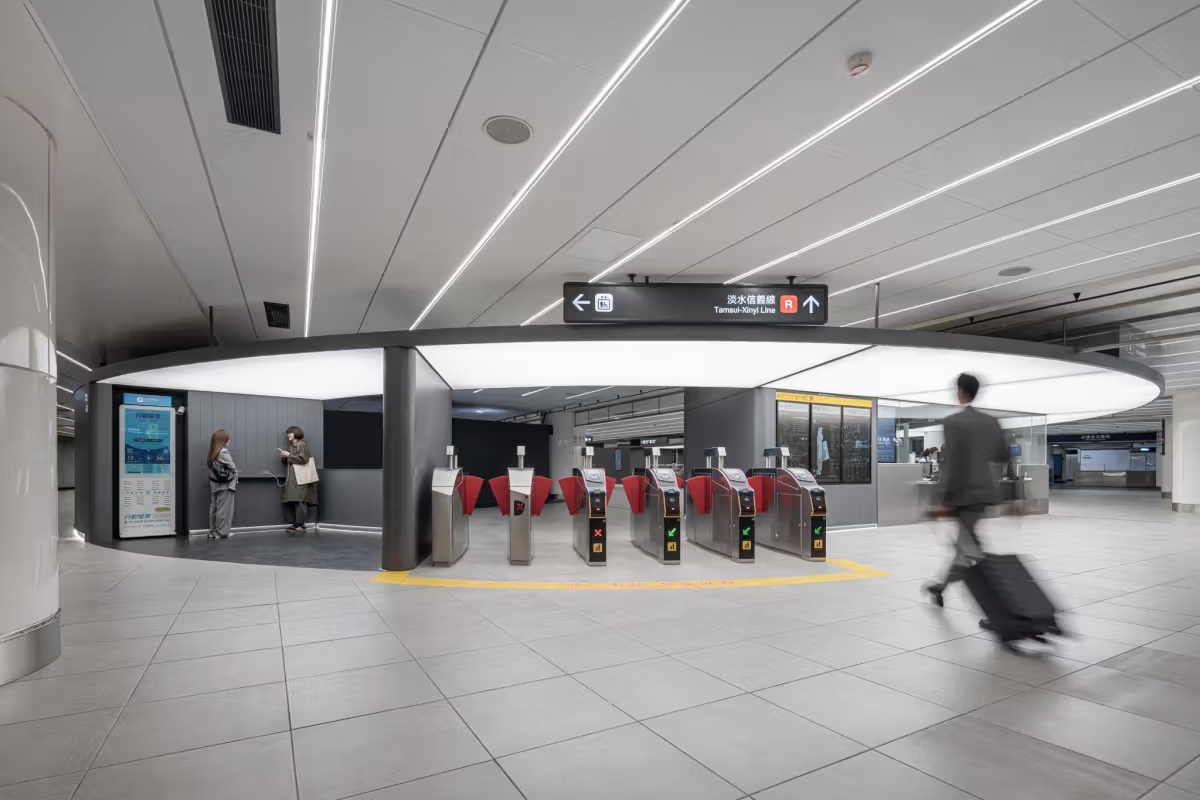
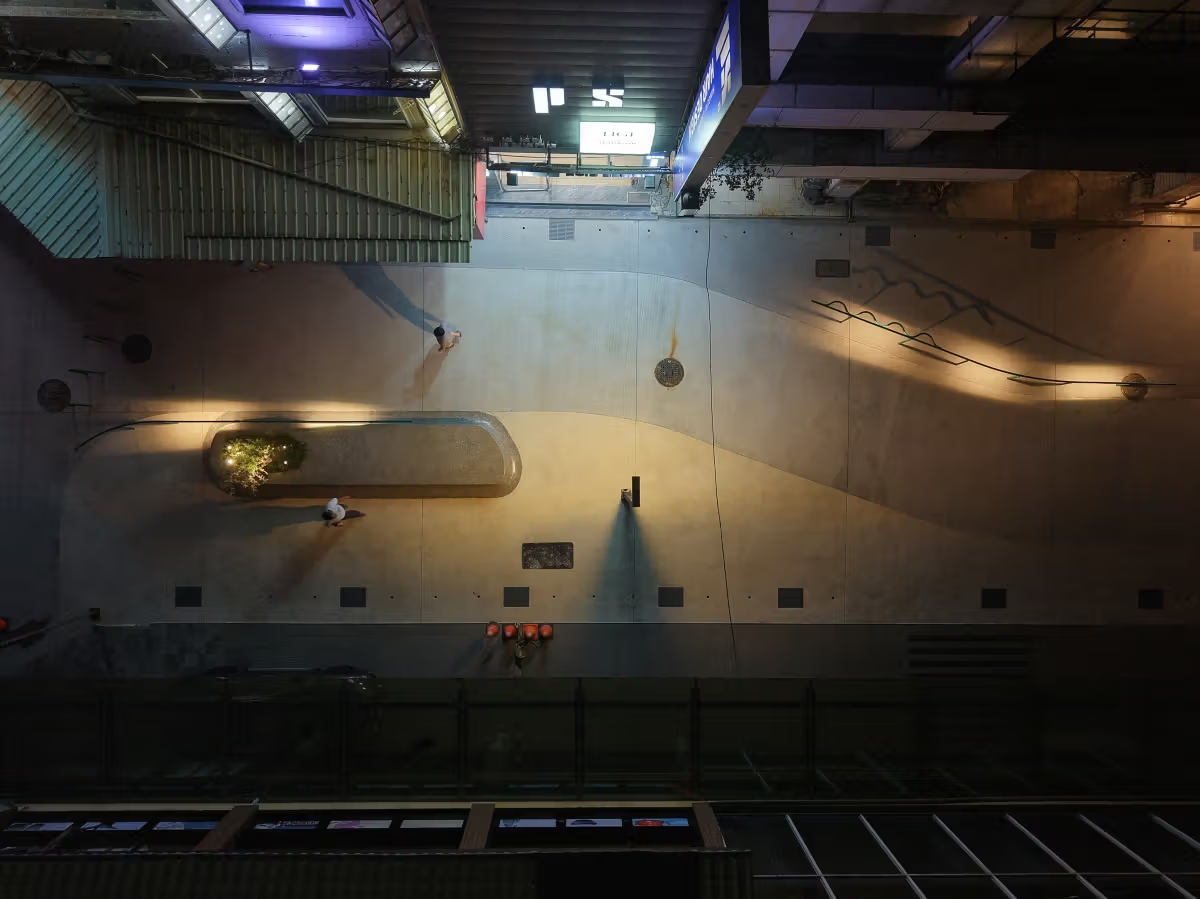
Taipei Main Station’s B3 redesign uses linear lighting along main routes and broad luminous membranes at service points to clarify transfer circulation. Floating Island in Kaohsiung’s Central Park shopping district avoids competing with shop brightness, concentrating consistent colour temperature around pedestrians, pauses and street furniture at corners. One addresses dense movement, the other leisure and exchange, both beginning with behaviour rather than a single building’s exterior.
Kaohsiung’s Floating Island focuses light on walking and pausing.
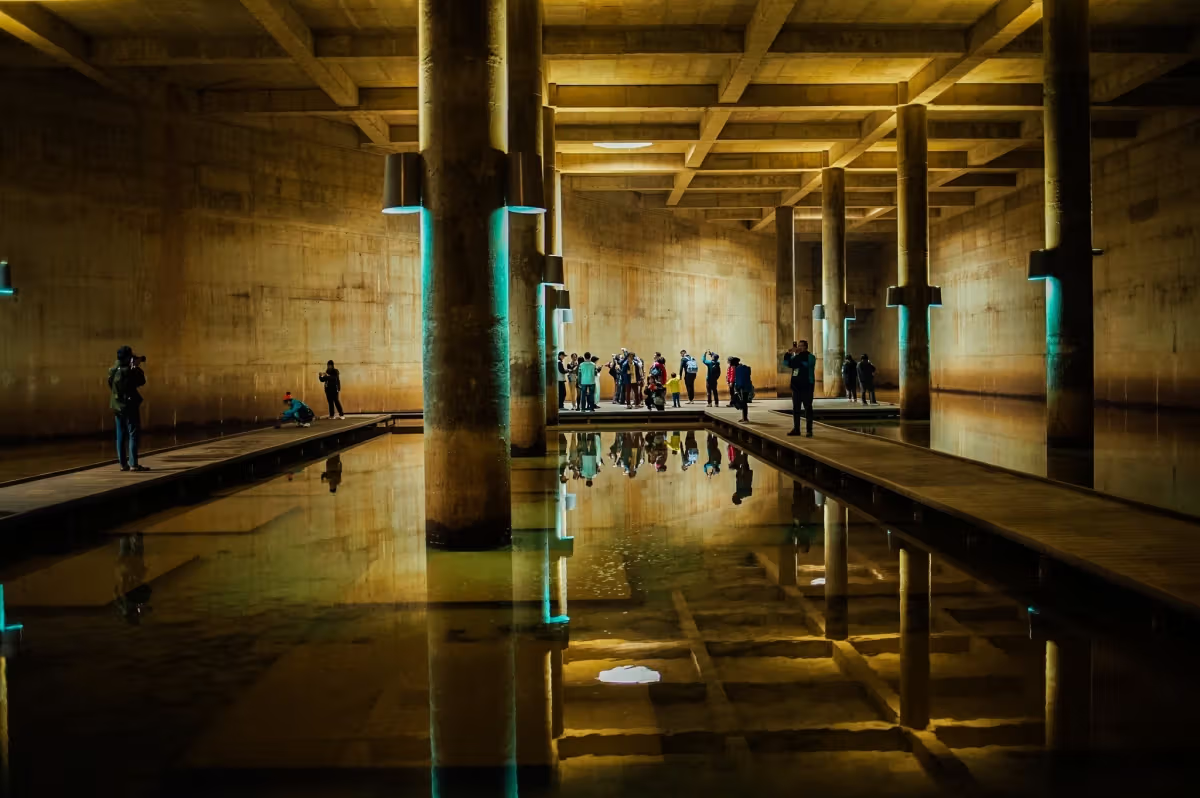
Taoyuan’s Dashulin Detention Basin—Water’s Secret Base combines underground flood storage with an above-ground park. Columns, water, warm LEDs and daylight reveal the engineering interior. Tours require reservations outside the flood season rather than permitting unannounced entry at any time. Conditional access turns usually unseen flood infrastructure into public learning space.
Columns, water and light inside Dashulin Detention Basin.
Heritage, archives and museums include restraint in design
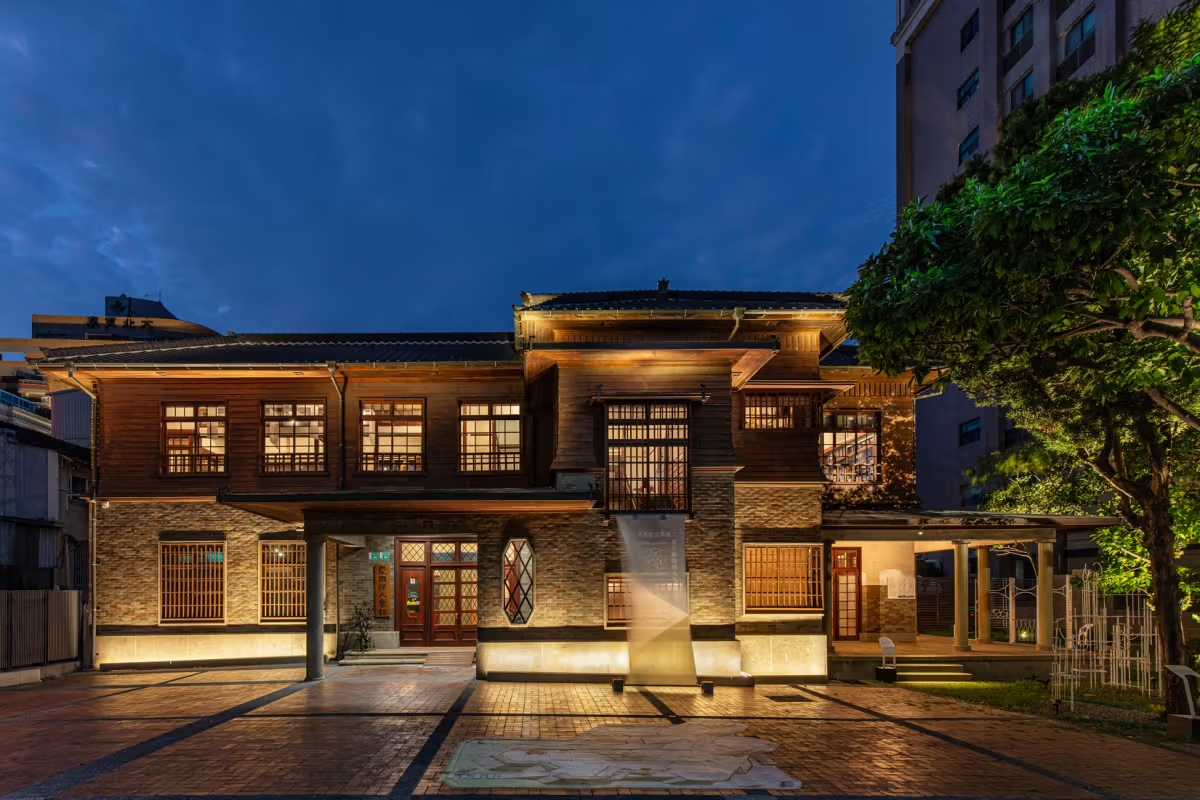
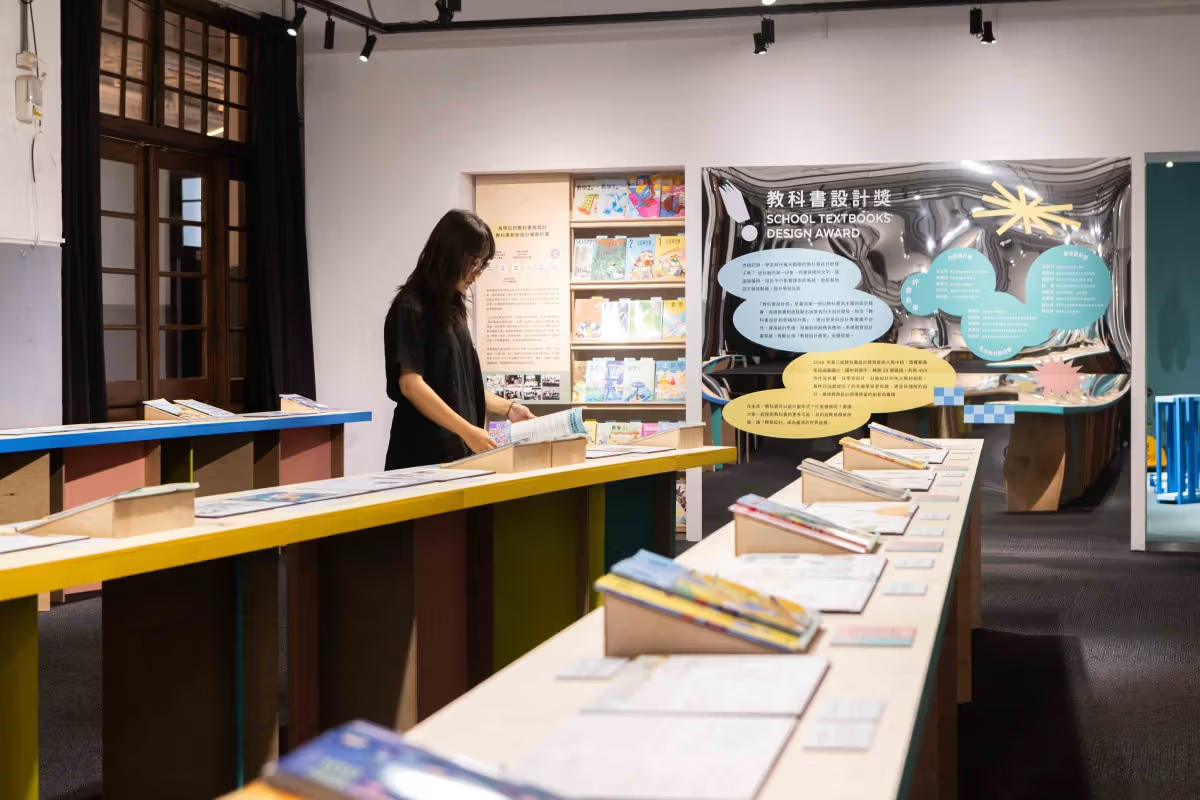
The first phase of Tainan 400’s urban lighting programme addresses the former prefectural assembly building, joint government offices and Patriotic Women’s Association hall. Fixtures respond to each building and use indirect attachment to protect heritage. A Taiwan Provincial Government memory exhibition in Zhongxing New Village uses accent lighting for documents and maps, with UV-free LEDs in drawer displays protecting paper. Both connect historical material to viewing conditions.
A heritage-building night view within Tainan’s lighting programme.
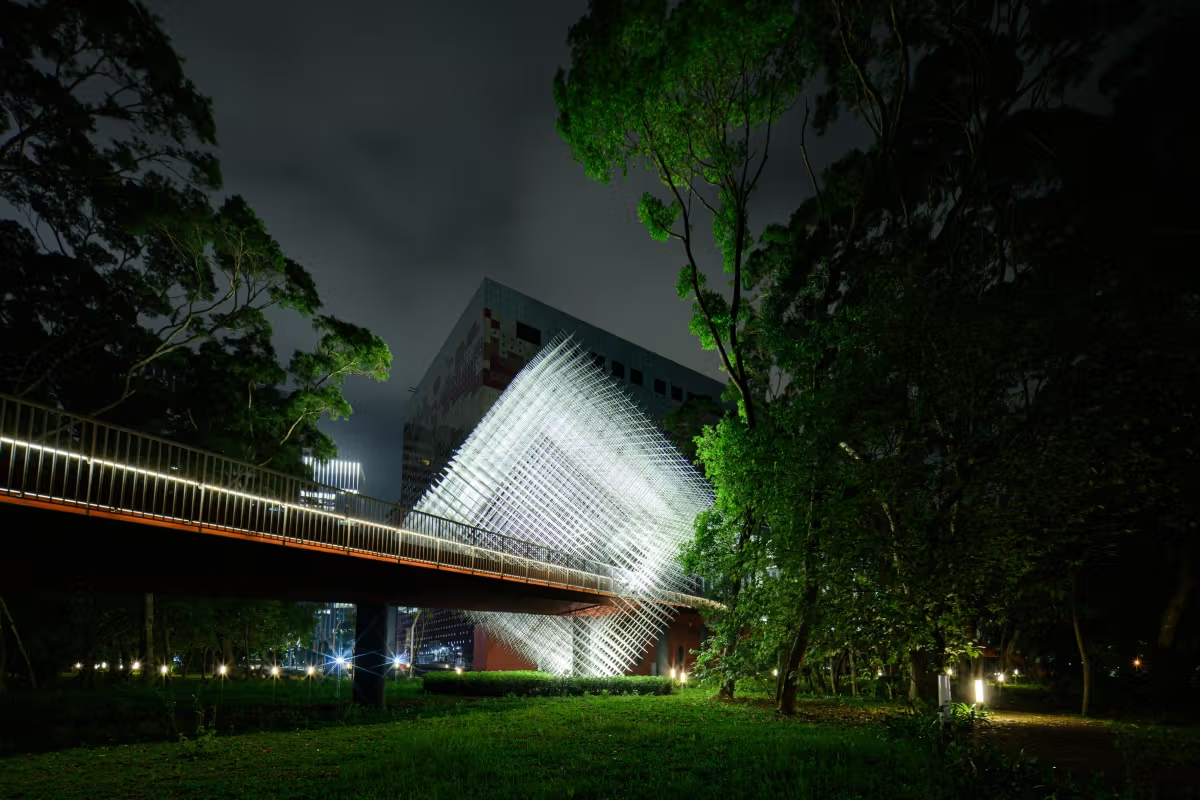
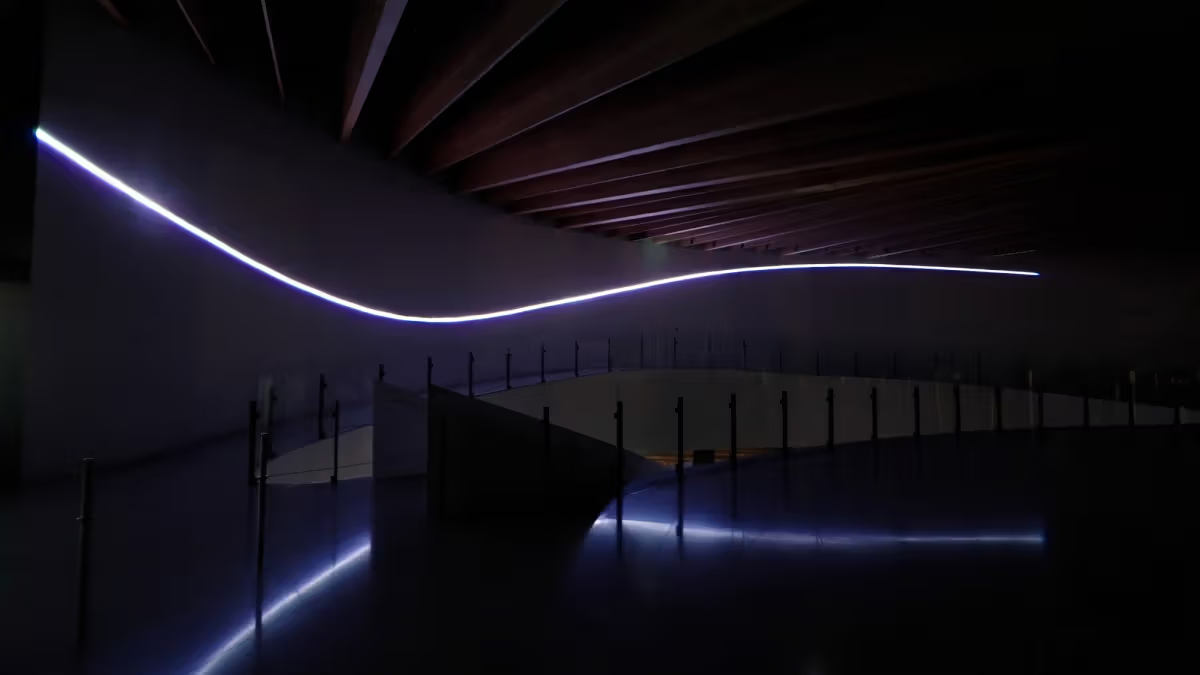
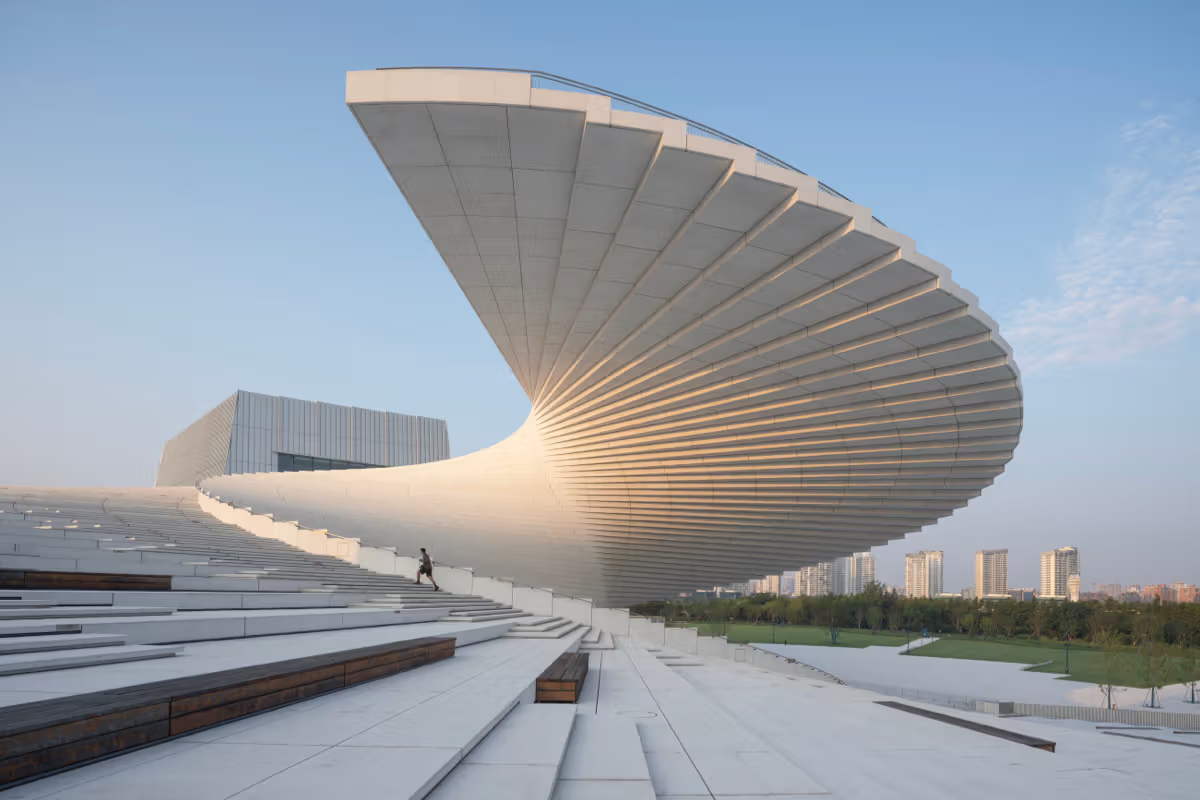
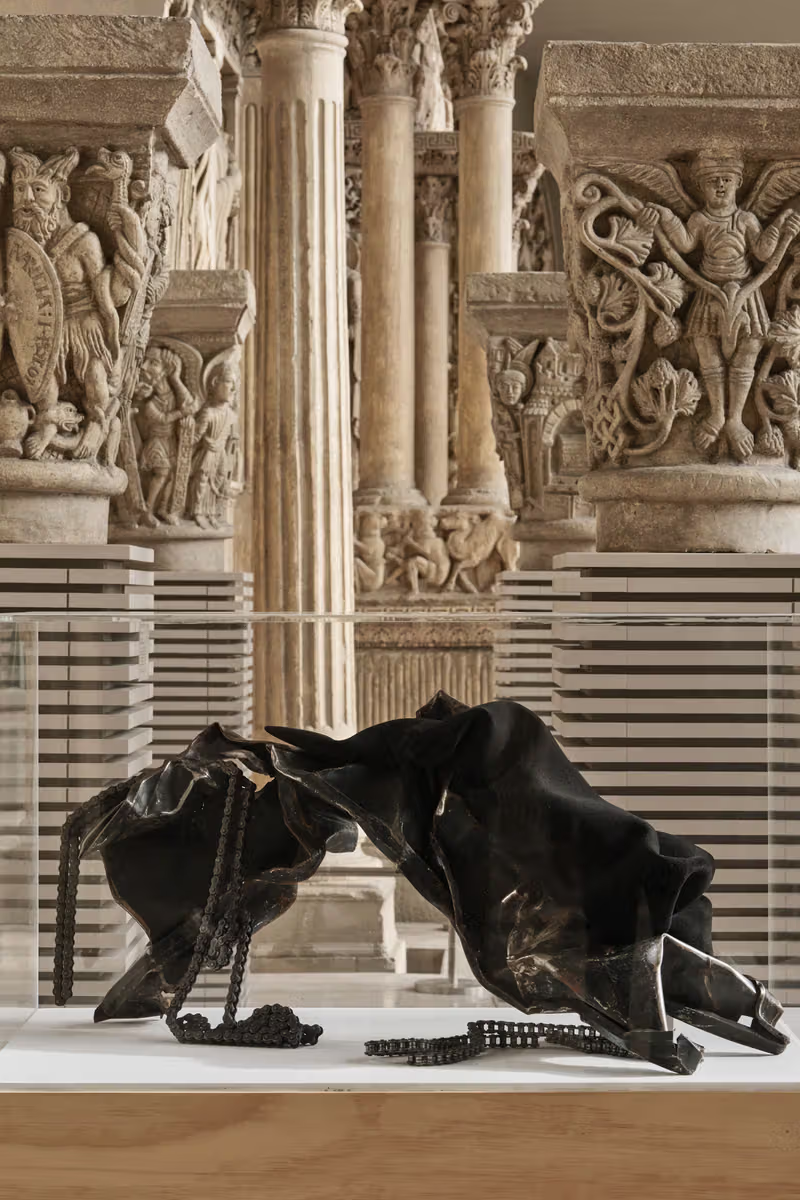
The remaining finalists are the National Archives campus and building’s light-and-shadow work, and CMP Inspiration’s nighttime Between the Light project. The former joins entrance identity, gridded light mist and low warm handrail lighting while retaining darkness in trees. The latter uses lasers responding to architectural lines, visible through windows after closing. Where light is needed and where shadow should remain unite the nine cases. Reading that question before December’s ceremony is more useful than treating the finalists as an unrestricted free-attraction list.
Paths, grids and architectural light at the National Archives campus.Laser lines respond to interior space in CMP Inspiration’s Between the Light.