Ryuichi Sakamoto at TFAM from October 31: seven installations, NT$30 admission and booking slots
Seeing Sound, Hearing Time runs through March 14, 2027. Explore how sound, mist and electromagnetic signals become space, then navigate OPENTIX reservations and standby admission.
Taipei Fine Arts Museum will present Ryuichi Sakamoto | seeing sound, hearing time from October 31, 2026, to March 14, 2027, with seven large installations and archival materials in first-floor galleries 1A and 1B. Rather than playing classic scores in sequence, it brings sound into water, mist, light and space to revisit Sakamoto’s interdisciplinary work since the 2000s. Listening to a composition becomes an awareness of where the body stands and how the environment sounds with it.
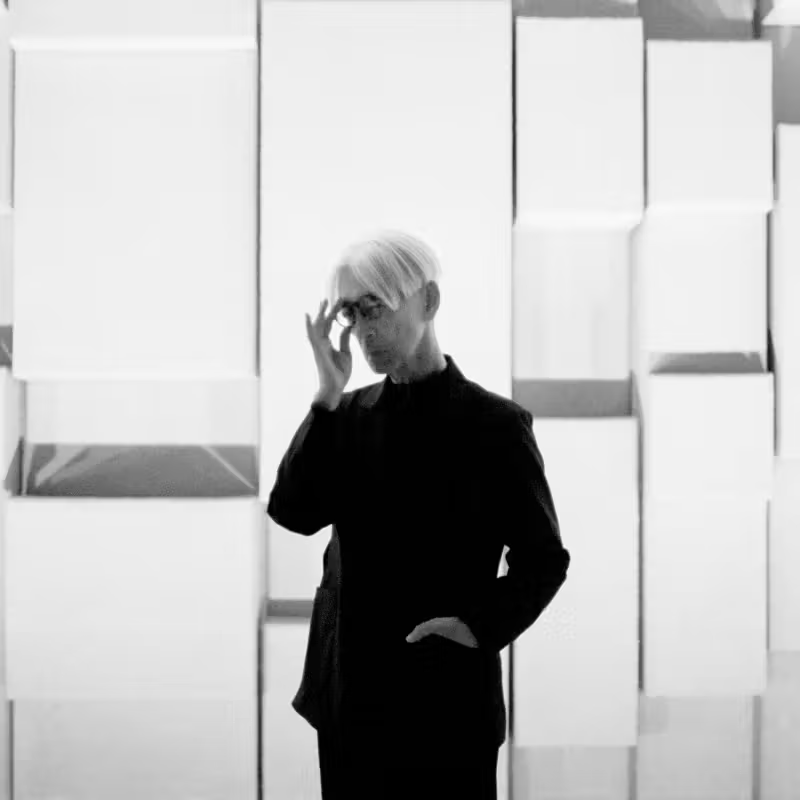
A black-and-white portrait of Ryuichi Sakamoto.
A sound can take spatial and material form
Curated by Sachiko Namba, the exhibition brings together Sakamoto’s long collaborations with Shiro Takatani, Daito Manabe, Carsten Nicolai, Apichatpong Weerasethakul and Zakkubalan. Selected archives of the 1999 opera LIFE trace a gradual movement towards installation. The collaborators are more than a roll call: they introduce images, data, electromagnetic signals and cinematic perception, allowing music to travel beyond the one-way relationship between stage and audience.
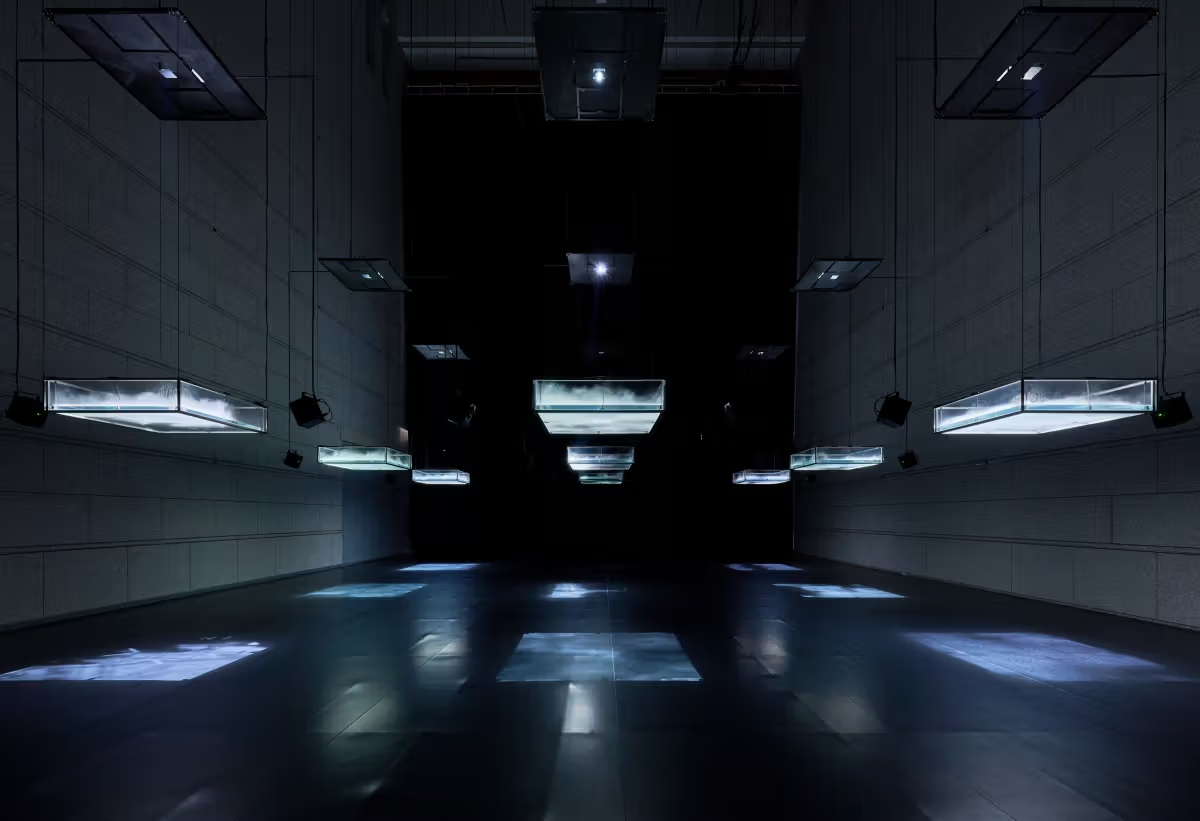
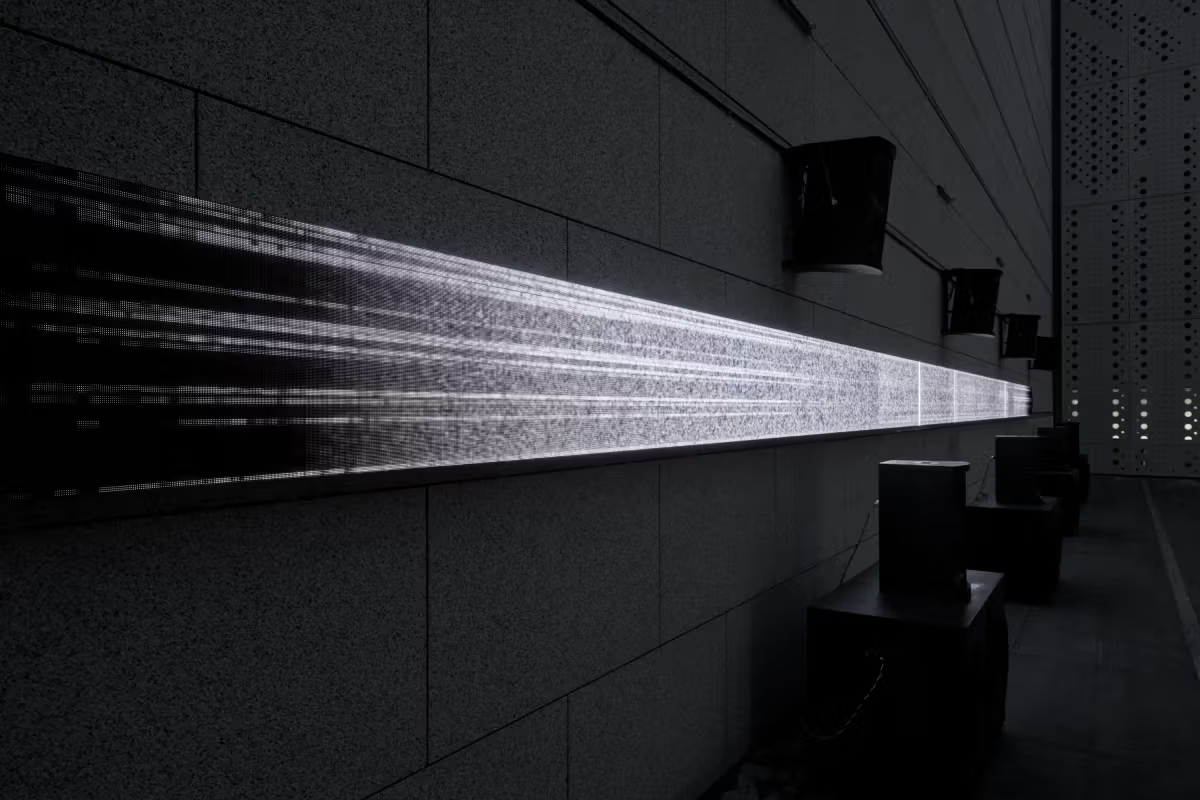
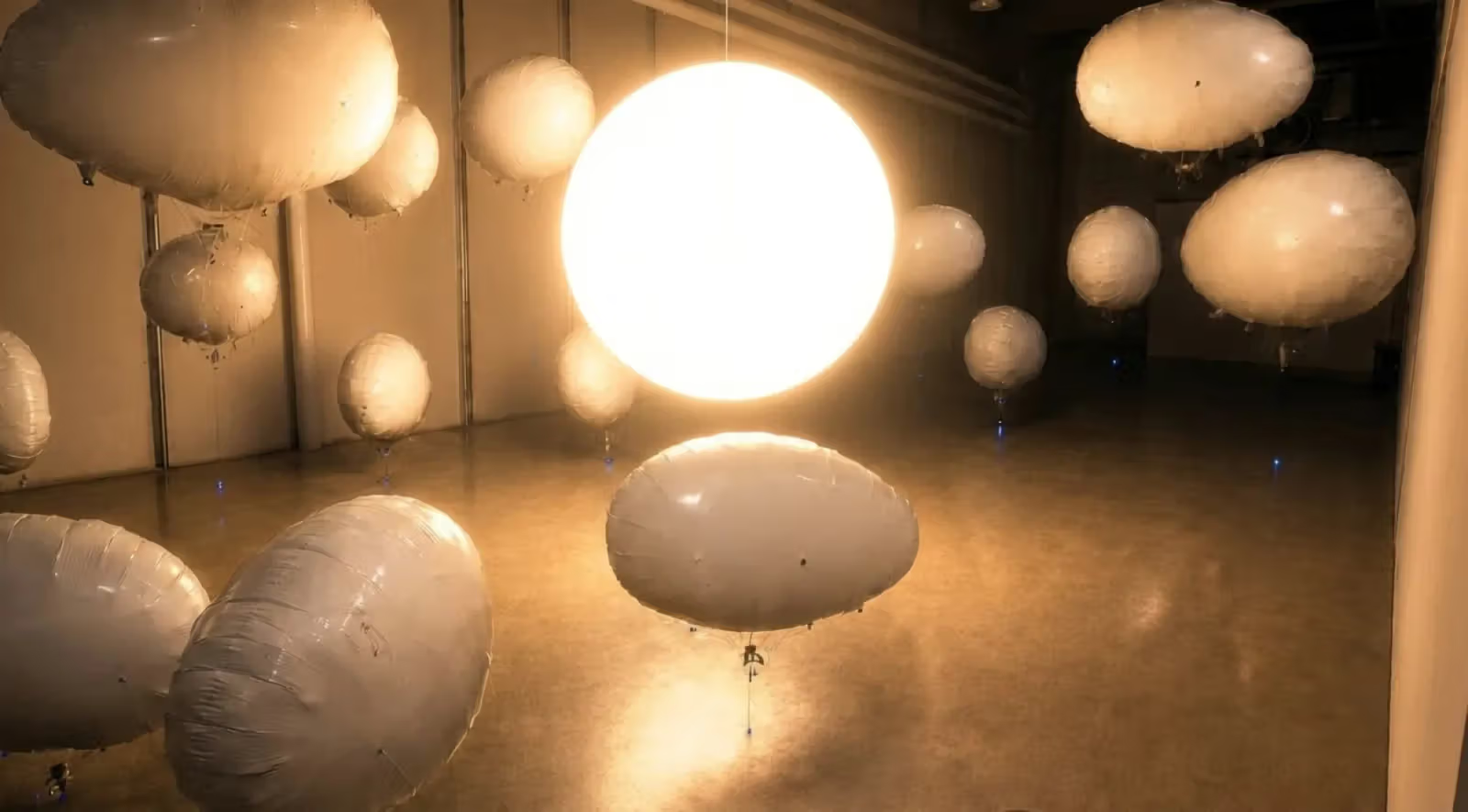
LIFE—fluid, invisible, inaudible…, water state 1 and sensing streams 2024—invisible, inaudible (MOT version) offer three entry points. Water and mist give change visible traces; sensing turns electromagnetic signals invisible to the naked eye into image and sound. “Hearing time” becomes tangible because sound is not a fixed pattern: experience forms through staying, waiting and environmental change.
sensing streams 2024 converts invisible signals into sound and light.A detail of changing water surfaces in water state 1.
Film and everyday recordings can leave familiar viewing frames
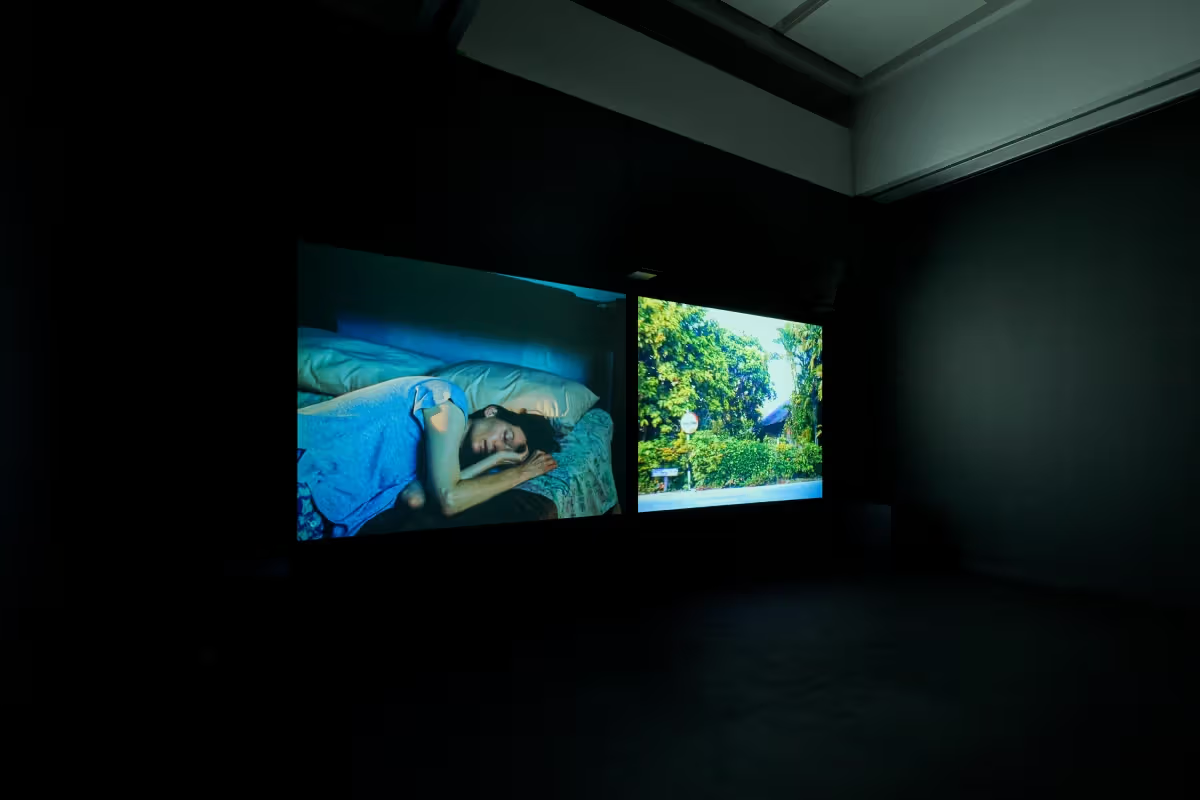
The exhibition also includes async—first light, The Sleepers, and async—volume with Zakkubalan. Rather than pursuing one striking installation photograph, stay with a work, then change position to compare the relationship between sound and image. Installation photographs here document the 2024 Museum of Contemporary Art Tokyo exhibition. They illustrate forms, not the layout of the Taipei show before it opens.
async—first light and The Sleepers at the 2024 Tokyo exhibition.
Sakamoto released Thousand Knives in 1978 and joined the formation of YMO that year, extending his work from electronic and classical music and film scores to opera and sound installation. The exhibition asks how, beyond a familiar musical identity, he made technology and nature conditions for collaboration. Knowing every album is unnecessary; a simple question can guide a visit: which material, signal or spatial relationship produces this sound?
Reserve first: the ticket slot is not a limit on visiting time
Admission prioritises OPENTIX online reservations, with a small standby allocation on site. Standard admission is NT$30; eligible students and registered Taipei residents, among others, pay NT$15. Free-admission visitors should still choose the correct ticket and bring proof. The first release covers October 31–November 29; December 1–January 3 opens at 10am on November 5. Each account may book up to four tickets in one slot, subject to current official notices and available sessions.
A ticket specifies a one-hour entry window, not a time limit after admission. Late arrivals or visitors returning after leaving must queue again on that day’s ticket, with re-entry unguaranteed. TFAM is at 181 Zhongshan North Road Section 3, closed Mondays, open Tuesday–Friday and Sunday 9:30am–5:30pm and Saturday until 8:30pm. Everyone can reserve a NT$0 ticket for Saturday’s 5pm, 6pm and 7pm slots, offering another option for unhurried evening listening.