Burton’s 50th Anniversary Drop 2: Biolight, the 94’ Twin and Japanese Prices
Ahead of its 2027 anniversary, Burton’s second drop is available in Japan. A closer look at the 95 Jacket, 94’ Twin and 98 tee, their archival dates, specifications and yen prices.
Burton is looking ahead to its 50th anniversary in 2027 with a second commemorative collection focused on freestyle snowboarding culture from 1987 to 1997. The range is already on sale in Japan, led by reissued Biolight outerwear, pants and the 94’ Twin snowboard. Founded in Vermont, USA, in 1977, the brand now brings this chapter of mountain culture into Japan’s autumn and winter shopping choices. For fans of vintage outdoor clothing, the interest lies in how archival looks meet current equipment specifications.
Which 1990s Biolight details return?
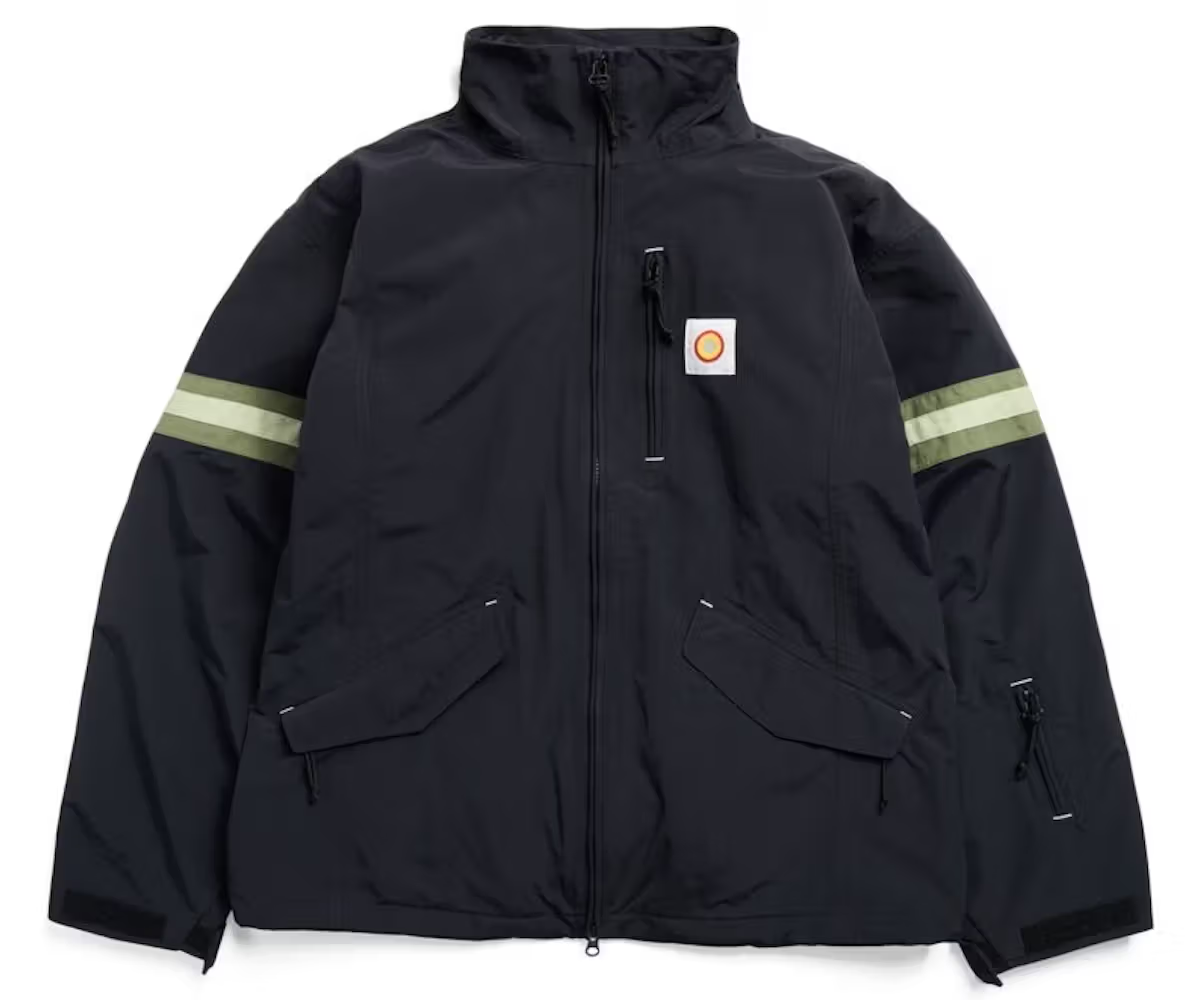
Called the 95 Jacket on Burton’s Japanese website, the jacket costs ¥49,500. It uses two-layer DRYRIDE recycled nylon, with listed 20K/20K waterproof and breathable performance, fully taped seams and mesh-lined underarm ventilation zips. This is a relaxed-fit shell, so warmth still depends on the layers worn underneath. Storage at the chest, sleeve and interior connects its revived appearance to practical needs on the mountain.
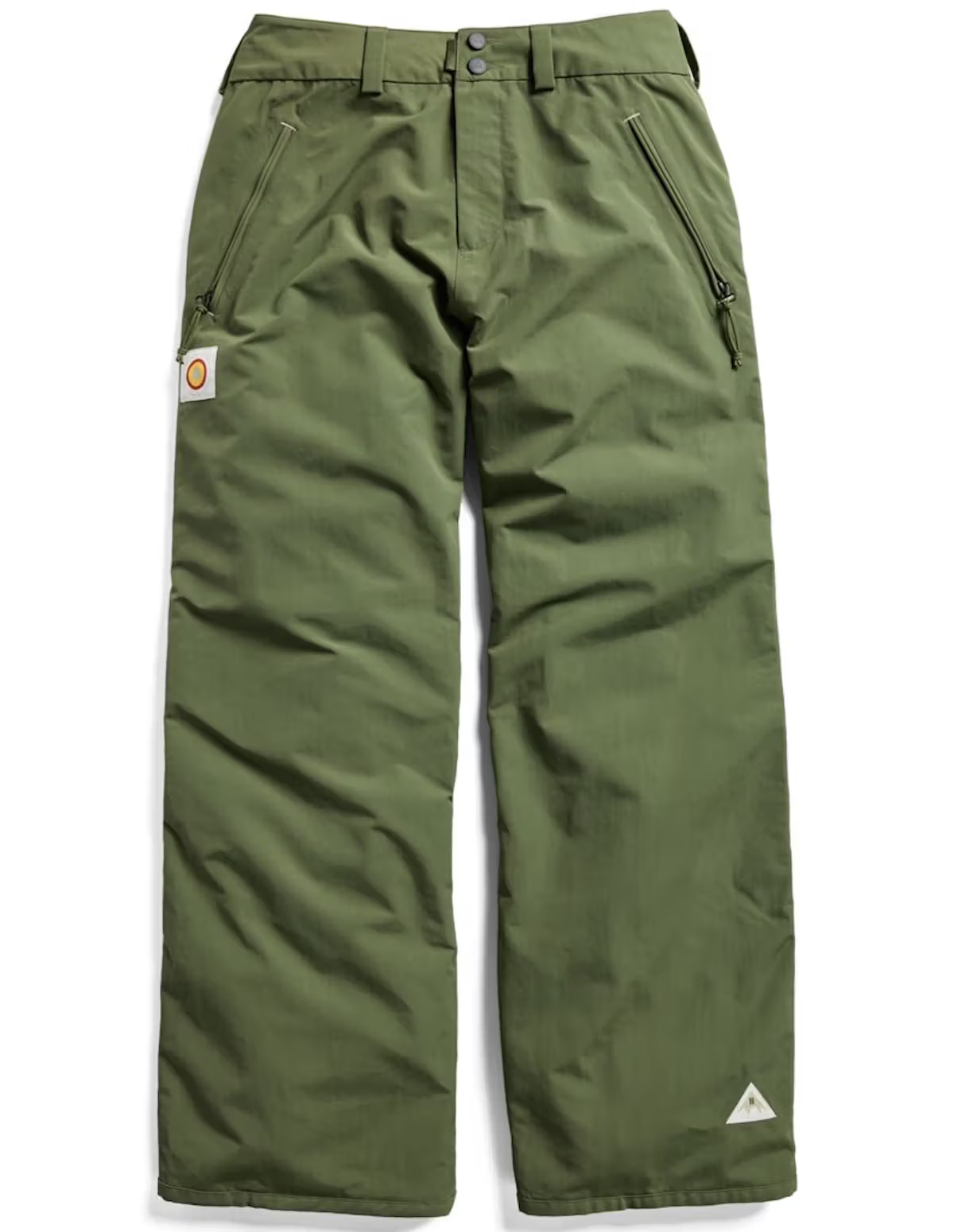
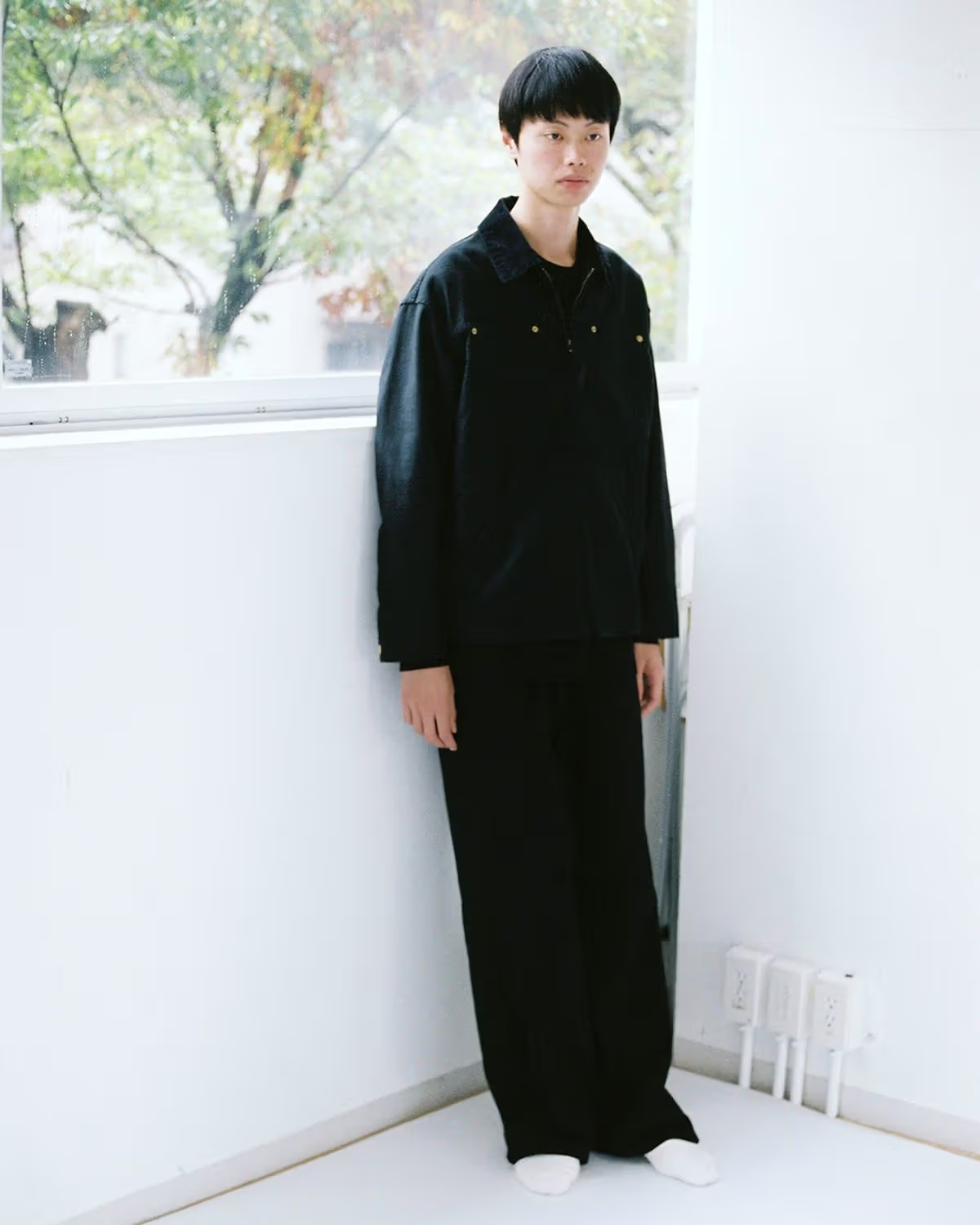
On the black version, stripes around both upper arms, a square badge and angled flap pockets draw attention to the upper body. Paired with the green 95 Pants, the silhouette approaches loose, straight workwear, without the visual noise of an all-over fluorescent print. Equipment pockets and generous streetwear share a similar sense of proportion here. For city wear, a plain layer underneath can give the sleeve stripes room to stand out.
The green 95 Pants show their zipped pockets and wide, straight legs.
The 94’ Twin brings back graphics and riding geometry
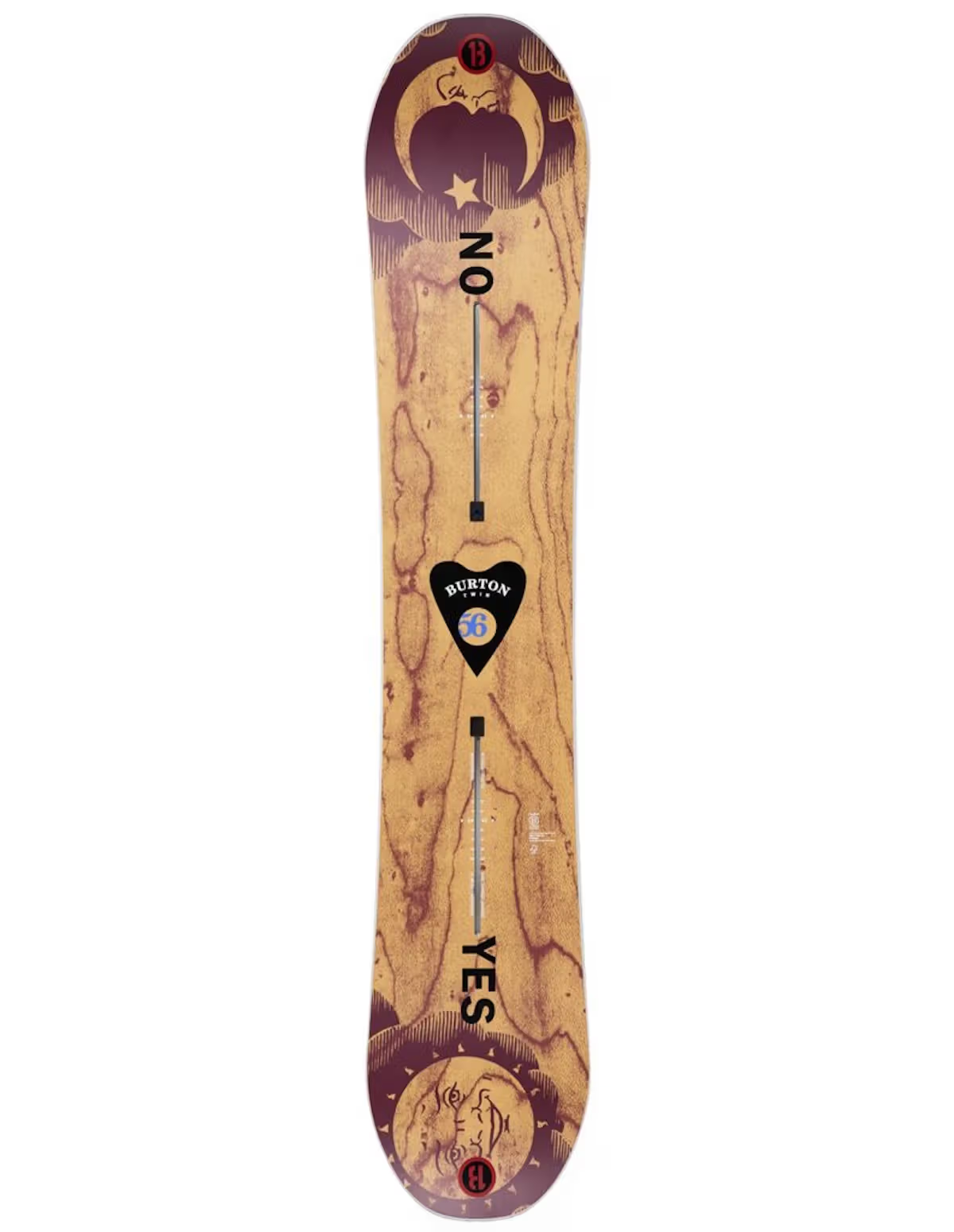
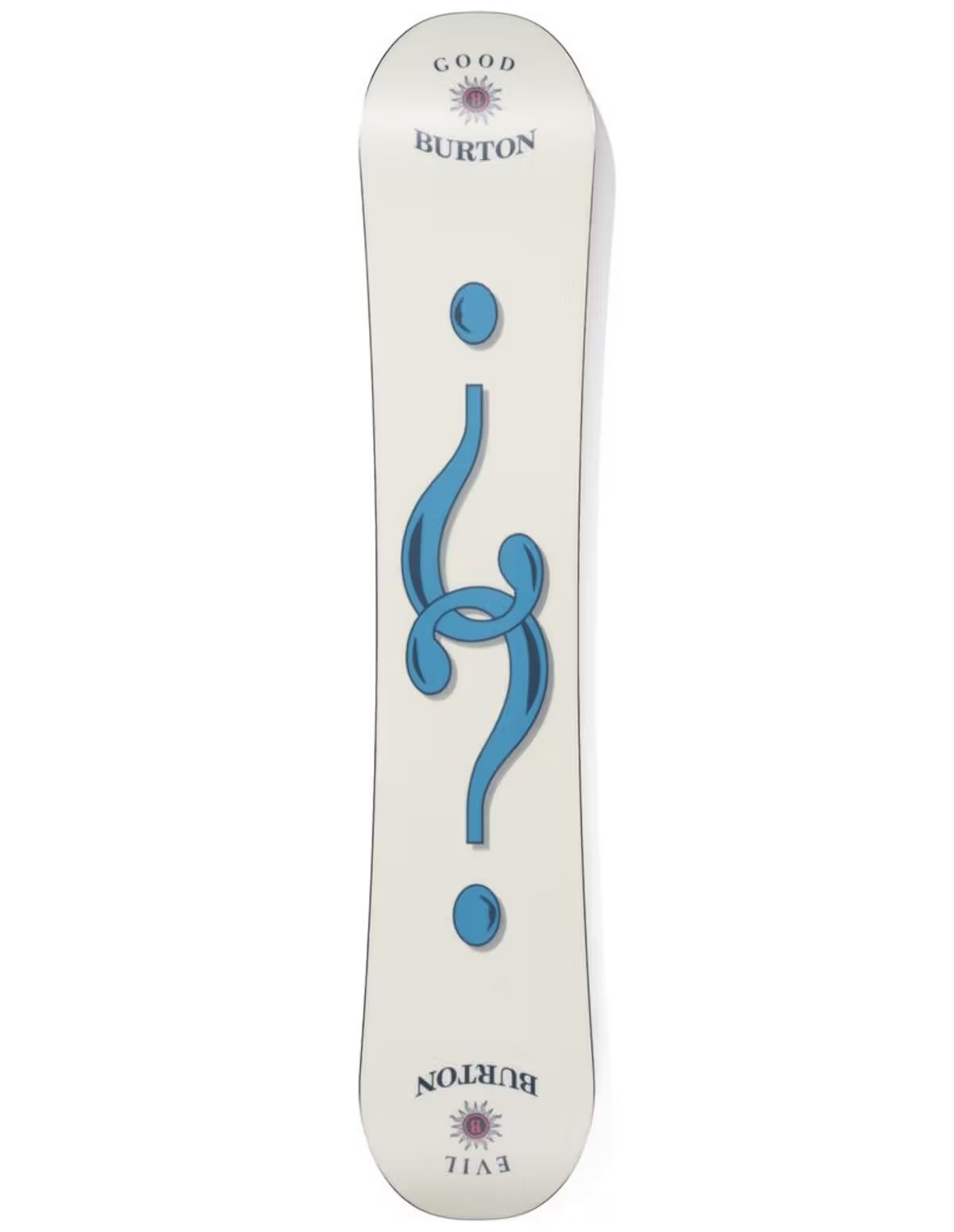
Priced at ¥99,000 in Japan, the 94’ Twin revisits the 1994 twin board with a camber profile, twin shape and symmetrical flex, plus a Super Fly II 700g core and The Channel mounting system. The brand lists lengths of 146, 150, 156 and 162 centimeters; buyers should still check the size against their weight and riding needs. Twin means the nose and tail share the same design; together with symmetrical flex, it serves freestyle riding that switches between regular and switch. The mounting channels allow fine adjustments to stance width and angles. An appealing graphic should not replace a check of binding compatibility. Sun-and-moon imagery, YES/NO lettering and blue abstract graphics occupy its two sides, giving it recognition without oversized anniversary lettering.
The 94’ Twin topsheet retains sun-and-moon imagery, YES/NO lettering and the central mounting channels.The other side of the 94’ Twin pairs blue abstract artwork with GOOD/EVIL BURTON lettering.
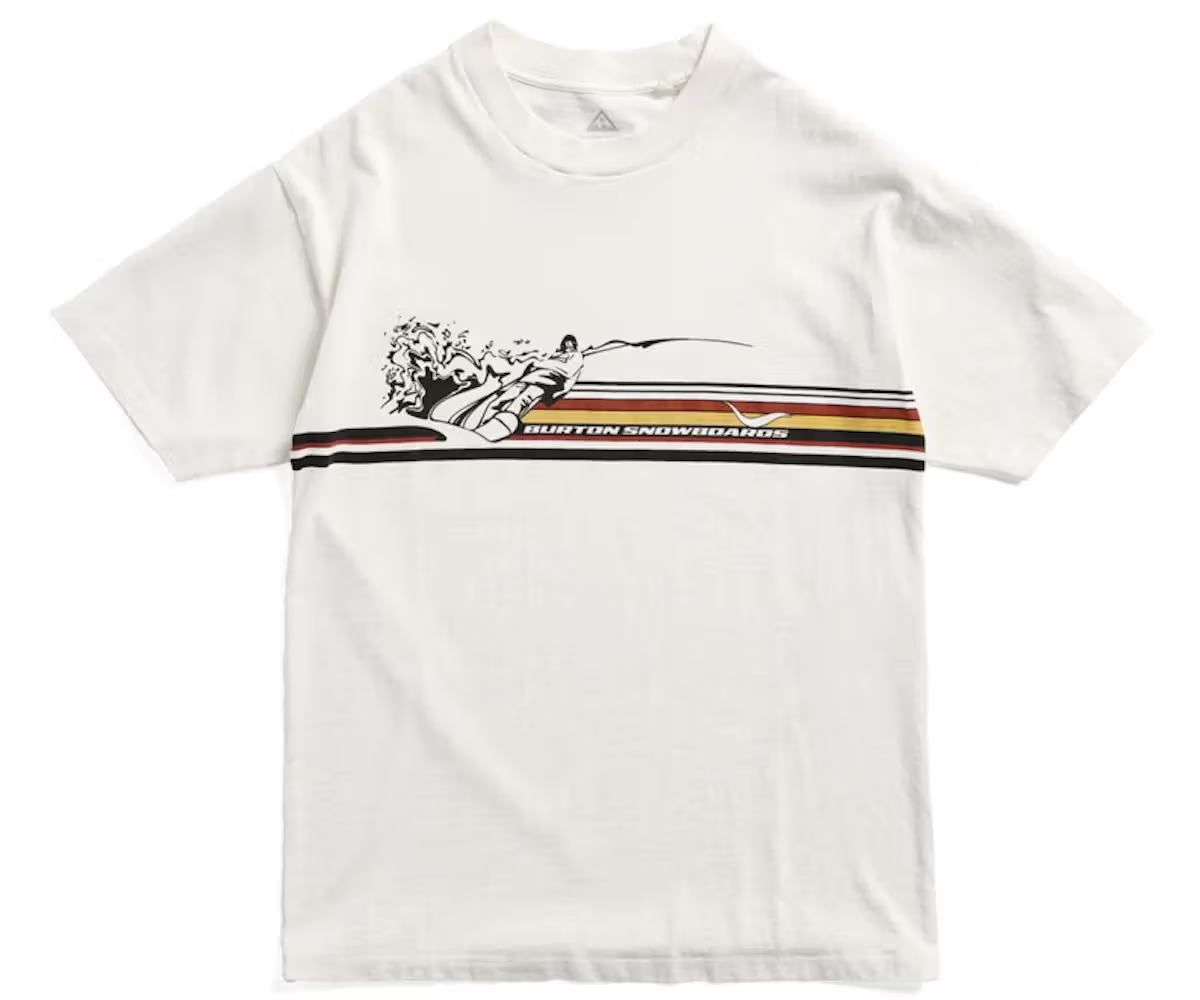
Those who do not snowboard can start with the 98 Short Sleeve T-Shirt, priced at ¥7,700 and made from 100% organic cotton. It actually revisits the 1998 California Tee, with artwork by longtime collaborator Scott Lenhardt linking it to Burton’s visual history. The white version places a figure beside red and yellow horizontal bands, giving it a lighter mood than the jacket’s practical pockets. Its horizontal chest composition also echoes the sleeve stripes, creating a connection through details without requiring a matching outfit. That distinction matters for collectors: although the second chapter centers on the culture of 1987–1997, each product’s archival year deserves its own reading. These are not all designs from 1994.
The 98 Short Sleeve T-Shirt places an illustrated figure and horizontal color bands across the chest.
Japanese prices and where to find the collection
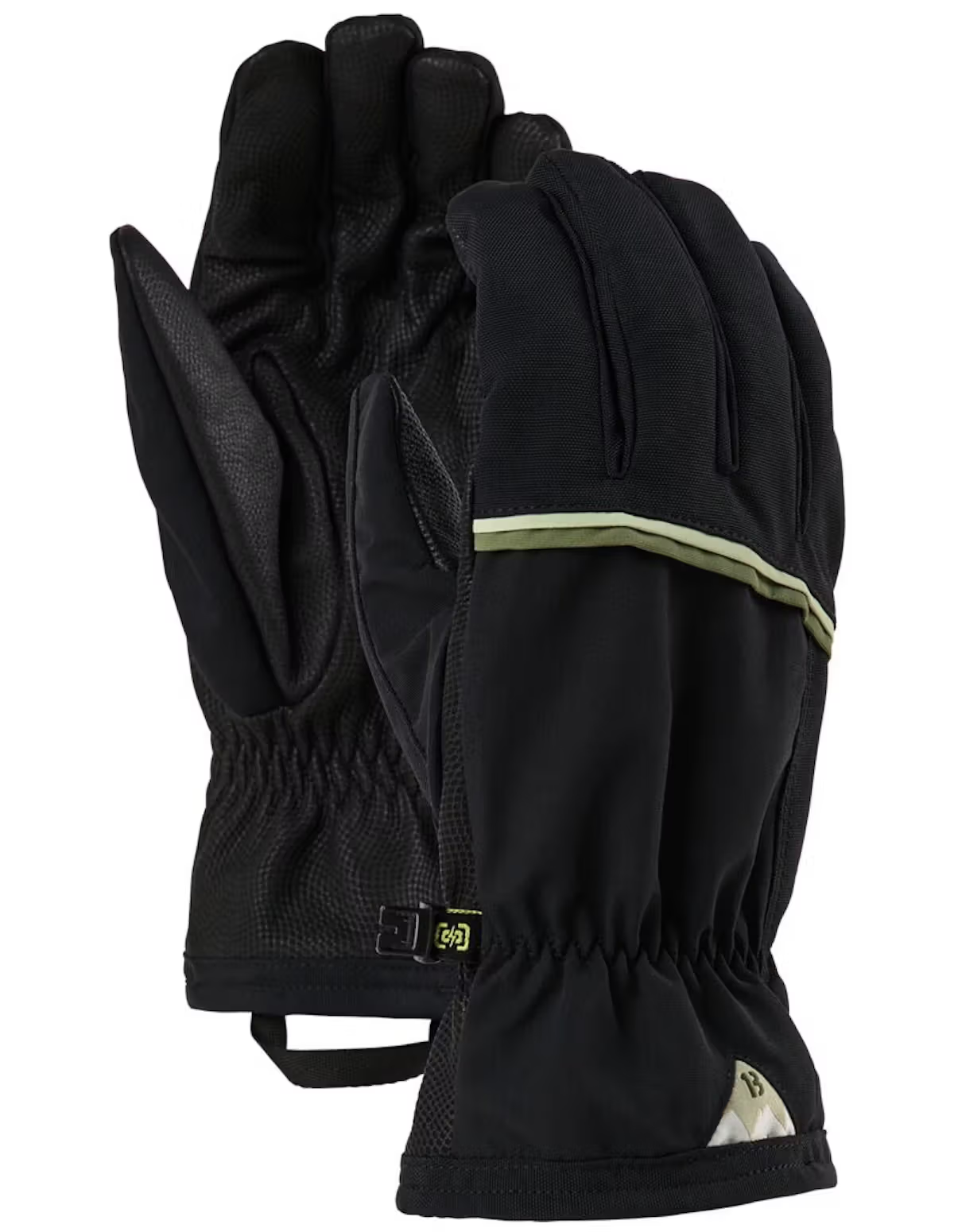
The 95 Pants cost ¥41,800 and the 90’s Glove ¥11,000. A jacket-and-pants combination totals ¥91,300. These are Japanese-market prices in yen, rather than prices or delivery arrangements for Taiwan or other regions. The collection is available through Burton stores and the Japanese website; individual product pages remain the reference for current sizes, colors and stock.
The 90’s Glove shows contrasting trim on the back and textured palms.
To compare the range, visit Burton Japan’s second anniversary collection and check the official product names before choosing by purpose. For riding gear, prioritize shell construction, waterproofing and fit; for everyday clothing, compare cuts and graphics. The jacket, T-shirt and board artwork carry different period references. Reading them individually makes the collection more interesting than treating it as a single nostalgic uniform.