Garage Full of Old Electronics? Heat and Humidity Are Quietly Turning Them Into Scrap
A garage without AC can run 10 to 18 degrees hotter than outside, and humidity corrodes contacts too. From MacBooks to old game consoles, electronics left sitting in garages for the long haul are actually exposed to real risk.
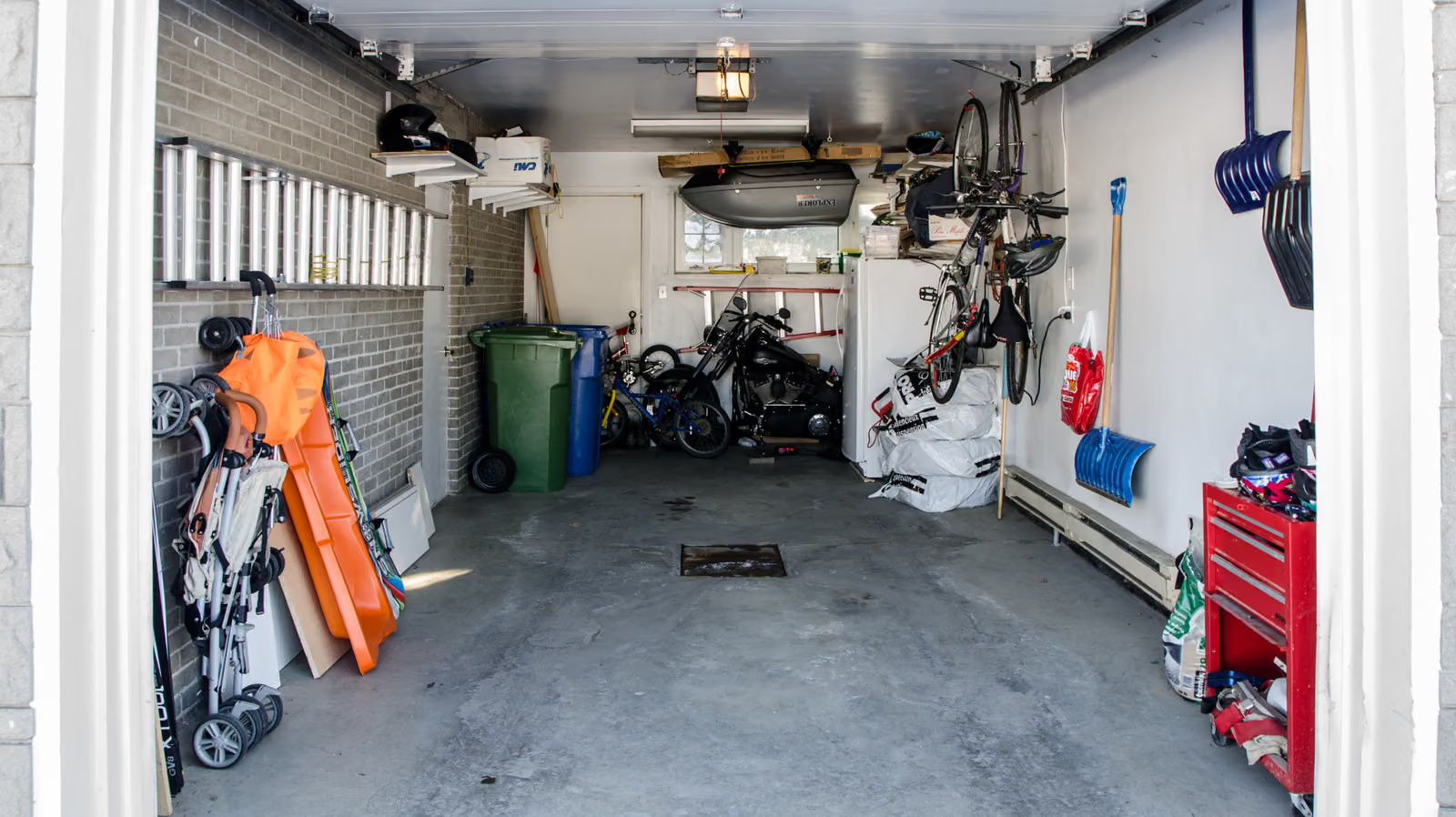
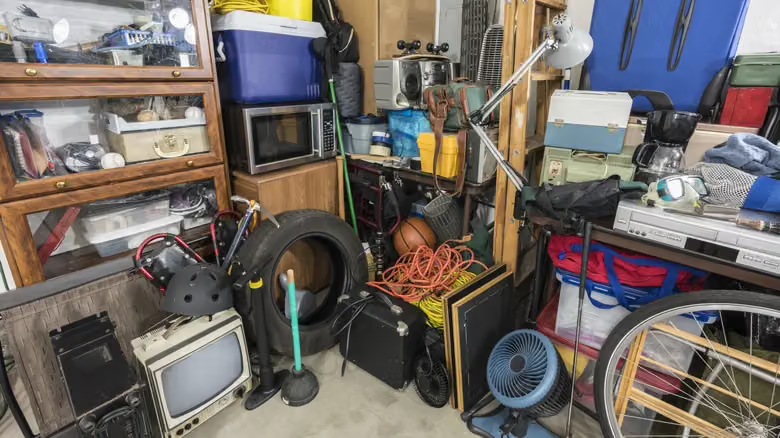
That old game console you couldn't bring yourself to toss, the spare monitor, boxes upon boxes of cables — most of it ends up shoved into a corner of the garage. The reasoning is simple enough: there's no room for it in the house, and the garage happens to be empty. But this seemingly reasonable choice might be slowly turning all that gear into junk.
The problem lies in how garages are built. Most U.S. state and local building codes deliberately keep garages disconnected from a home's central HVAC ductwork for safety reasons — the concern being that carbon monoxide and other harmful gases could sneak into the living space through the vents. The result is that the garage becomes the only room in the entire house with no climate control, and combined with typically poor insulation, it tends to act like a greenhouse, running roughly 5.5 to 10 degrees Celsius (10 to 18°F) hotter than outdoors. In hot, dry regions like the American Southwest, that extra heat accelerates battery aging, and sharp overnight temperature swings only make the damage worse.
Humidity is the other killer, and it doesn't care whether it's hot or cold outside. Damp air corrodes contacts and solder joints, and can even cause condensation to form inside devices. Of course, if a garage is well-sealed, properly insulated, and located in a mild climate, the risk is comparatively lower. But the general rule holds: unless a garage has climate control, or its conditions consistently fall within the manufacturer's recommended storage range, electronics shouldn't be left there long-term.
The Right Way to Store Electronics Long-Term
The best option is to find a climate-controlled space, usually a cleared-out corner somewhere inside the house. Before putting anything away, back up important data first and remove any disposable batteries; rechargeable devices should also be topped off periodically. Most manufacturers publish their own long-term storage guidelines — Apple, for instance, officially recommends storing MacBooks somewhere cool and dry, with the battery kept around 50% charge.
If the garage really is the only option, there are a few workarounds. Use sealed, rigid, waterproof storage bins instead of ordinary plastic tubs or cardboard boxes. Toss in some silica gel desiccant packs, and wrap fragile hardware in anti-static bags. Don't set the bins directly on the concrete floor — raise them up or put them on shelving. Timing matters too: if it's hot and humid outside, seal your devices into the bins while indoor air is dry and cool, not while everything's still damp. It also helps to keep a temperature/humidity sensor near the storage area and monitor it through the hottest and coldest months of the year — if high heat persists too long, that's the cue to move everything indoors or into a properly climate-controlled space.
Will a TV Break If It's Kept in a Cold Garage?
Not necessarily — but it depends on how cold "cold" actually is. Cold in Mississippi and cold in northern Minnesota are two completely different things. As long as most TVs stay within the manufacturer's recommended storage range and remain dry, brief exposure to low temperatures usually isn't a big deal. The real trouble comes from sudden, drastic temperature swings. Either way, after bringing a TV in from a cold garage, never plug it in and power it on right away — let it sit and return to room temperature first, giving any condensation that may have formed inside a chance to evaporate. The same logic applies to computers, cameras, printers, routers, speakers, and game consoles of every generation. Acceptable storage conditions vary by device, so check the manual or manufacturer's website — generally, storage conditions are a bit more forgiving than operating conditions, but nearly all of them call for an environment free of moisture.
Humidity is especially troublesome along coastal areas and in the Southeastern U.S. during winter. Winter on North Carolina's Outer Banks is actually harder on garage-stored electronics than winter in Las Vegas, simply because coastal regions stay damp year-round. Whether it's hot or cold outside, moisture remains the number one enemy of electronics — sealed desiccants help in both climates, but keeping humidity levels stable is really the key to solving the problem at its root.