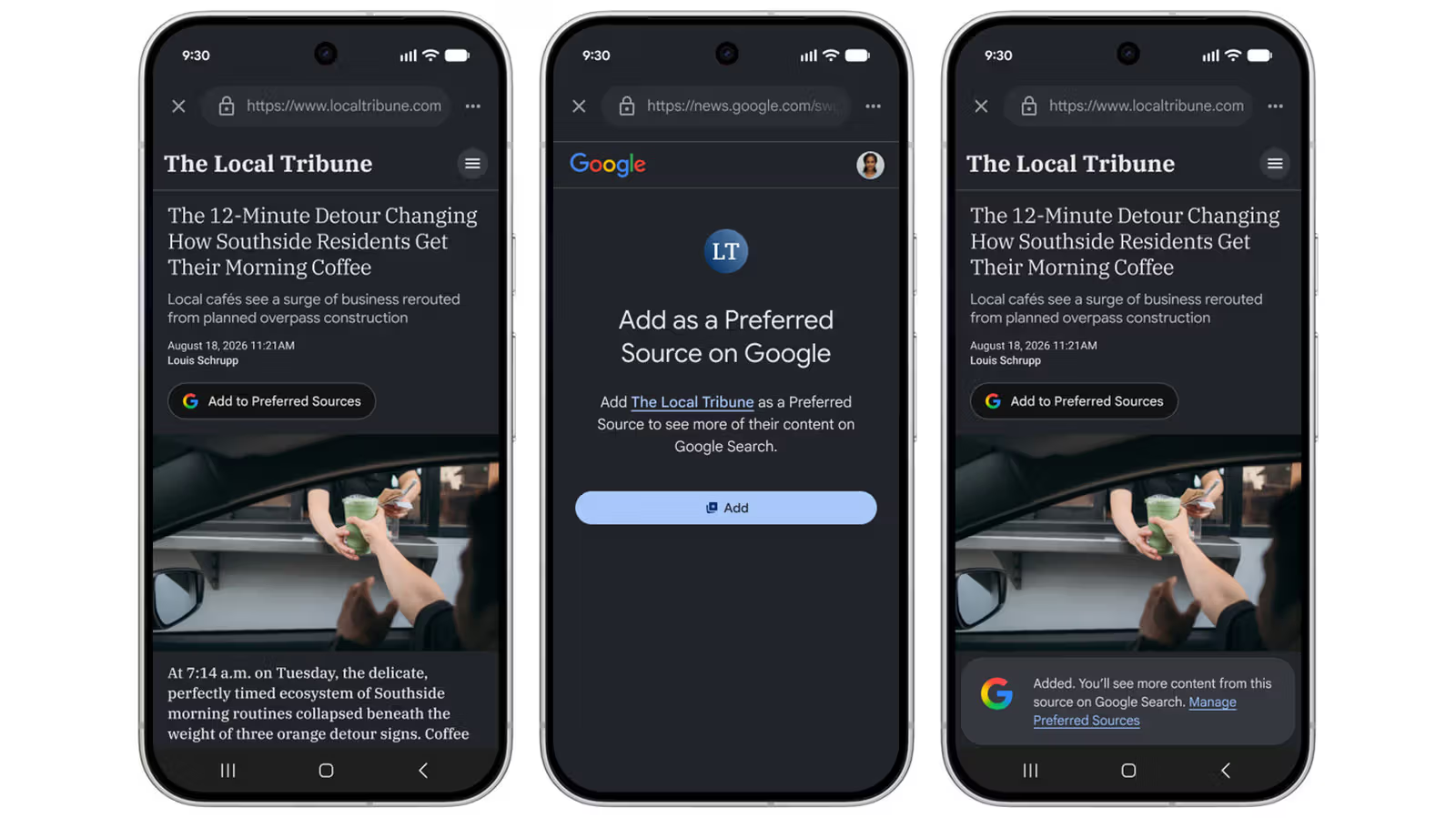
One button could decide whether you'll still see a certain site on Google Search going forward. Google has announced a new button called "Preferred Sources" that site owners can embed directly on their pages. According to Google, once a reader clicks the button, that site gets logged as a preferred source, and the system will bring the user right back to wherever they left off reading.
The effect shows up in how often results get surfaced. Google says sites marked as Preferred Sources will appear more frequently in Top Stories, AI Overviews, and AI Mode. In other words, the makeshift subscription workarounds that some outlets have been cobbling together on their own are now getting officially absorbed into a native Google feature.
Engadget's coverage points out an interesting bit of timing here: traffic from Google Search has been declining in recent years thanks to products like AI Overviews and AI Mode, yet search traffic remains a critical revenue source for many publishers. Back in June, Google—under pressure from the UK's Competition and Markets Authority—announced it would let sites opt out of AI-generated search results. Whether the Preferred Sources button will actually help publishers claw back traffic is something Google isn't promising; it's only saying the feature will roll out gradually.