Inside GRANIT Jiyugaoka: Revisiting Japan’s First Store Through Storage, Tableware and Materials
Operated by AEON Retail, the Swedish brand’s first Japanese shop spans two floors and 219 square meters, with around 1,000 items priced from ¥550 to ¥33,000.
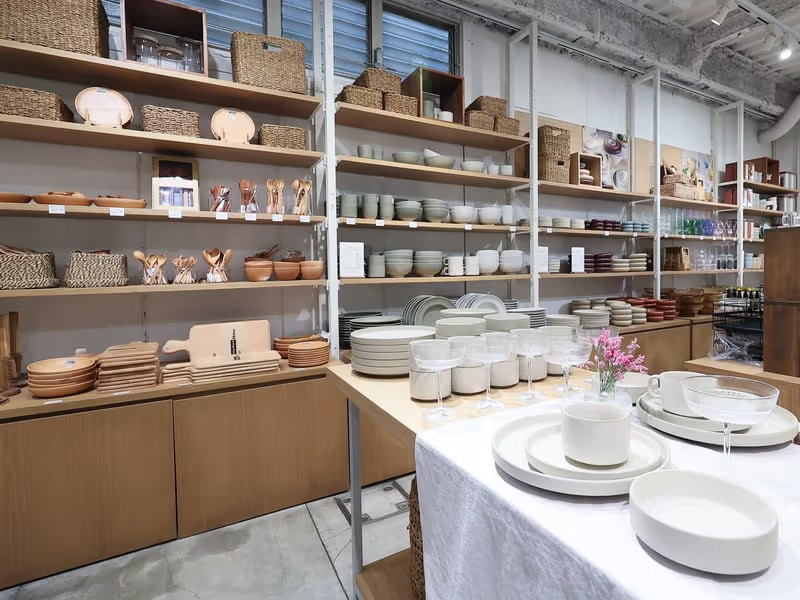
The appeal of Scandinavian homeware can lie in reusable baskets, glassware and plates as much as in a large statement piece of furniture. Swedish brand GRANIT opened its first Japanese store in Jiyugaoka in September 2026, operated by AEON Retail. Revisiting the already-open shop, its two floors, 219 square meters and approximately 1,000 products bring black, gray, natural colors and different materials into a system rooted in everyday life.
How to approach a thousand products
The assortment spans kitchenware, storage, stationery, gardening, furniture and fresh flowers, with prices around ¥550–33,000. Approach that breadth through specific needs: a container for a desk, storage beside a wall or softer lighting for a room. A concrete purpose is more useful than assuming everything suits you because it is Scandinavian.
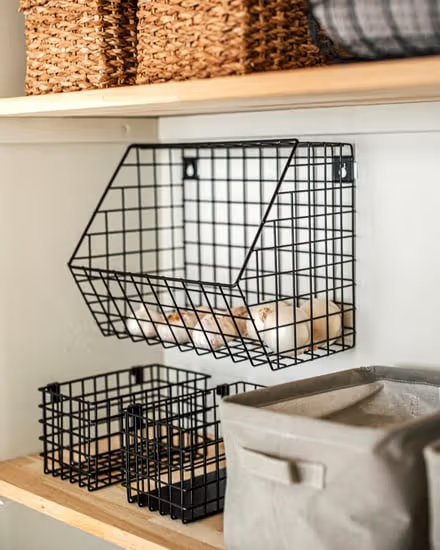
Founded in Sweden in 1996, GRANIT emphasizes simple living and rich usability. Repeated gray-black tones and natural materials connect categories. Wire baskets and soft fabric boxes both store objects, for example, but differ in openness and how their contents remain visible. The choice concerns whether you want possessions displayed or concealed as well as their appearance.
Wire baskets and fabric boxes offer different storage approaches.
How tableware and textiles connect materials
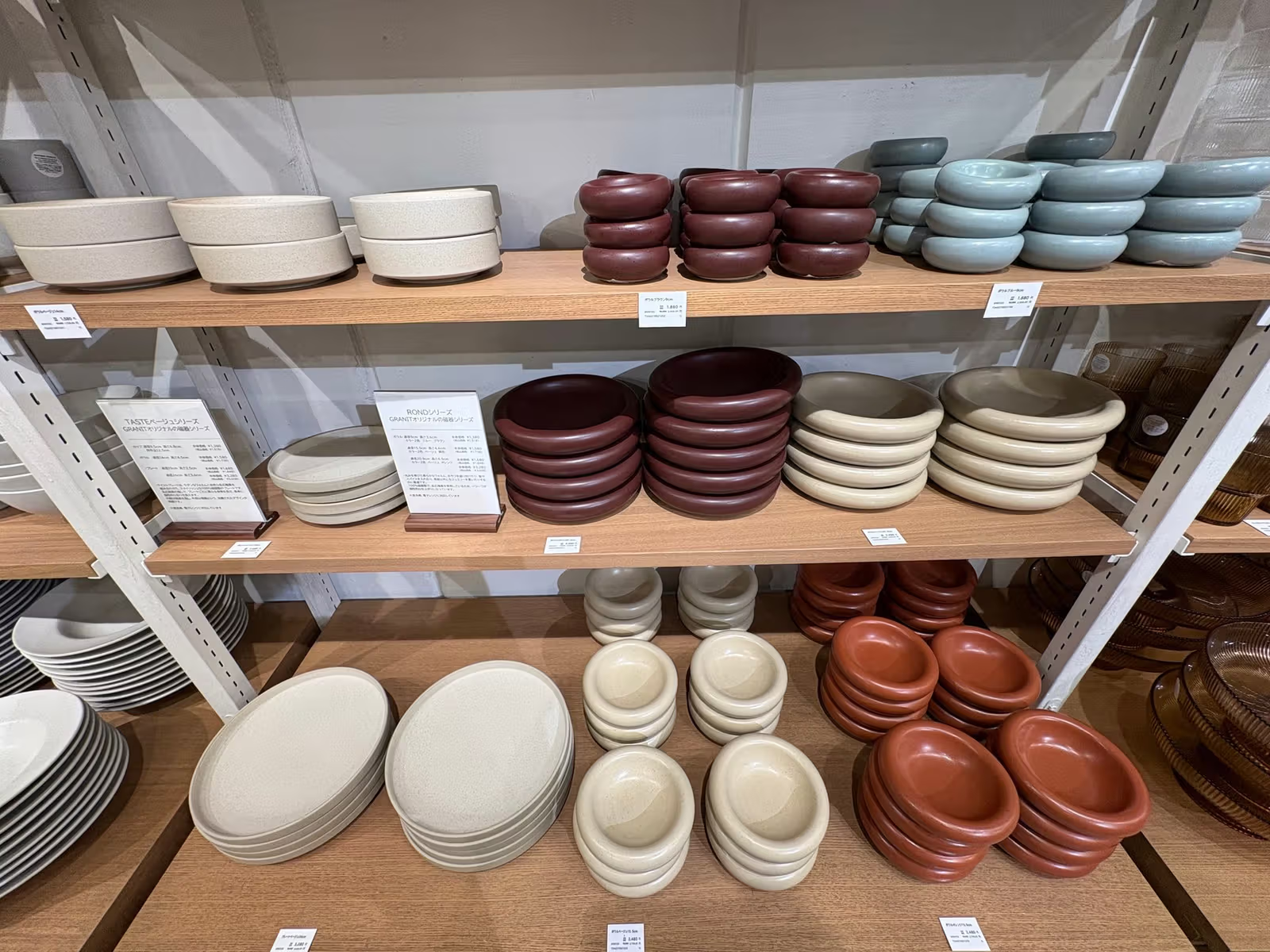
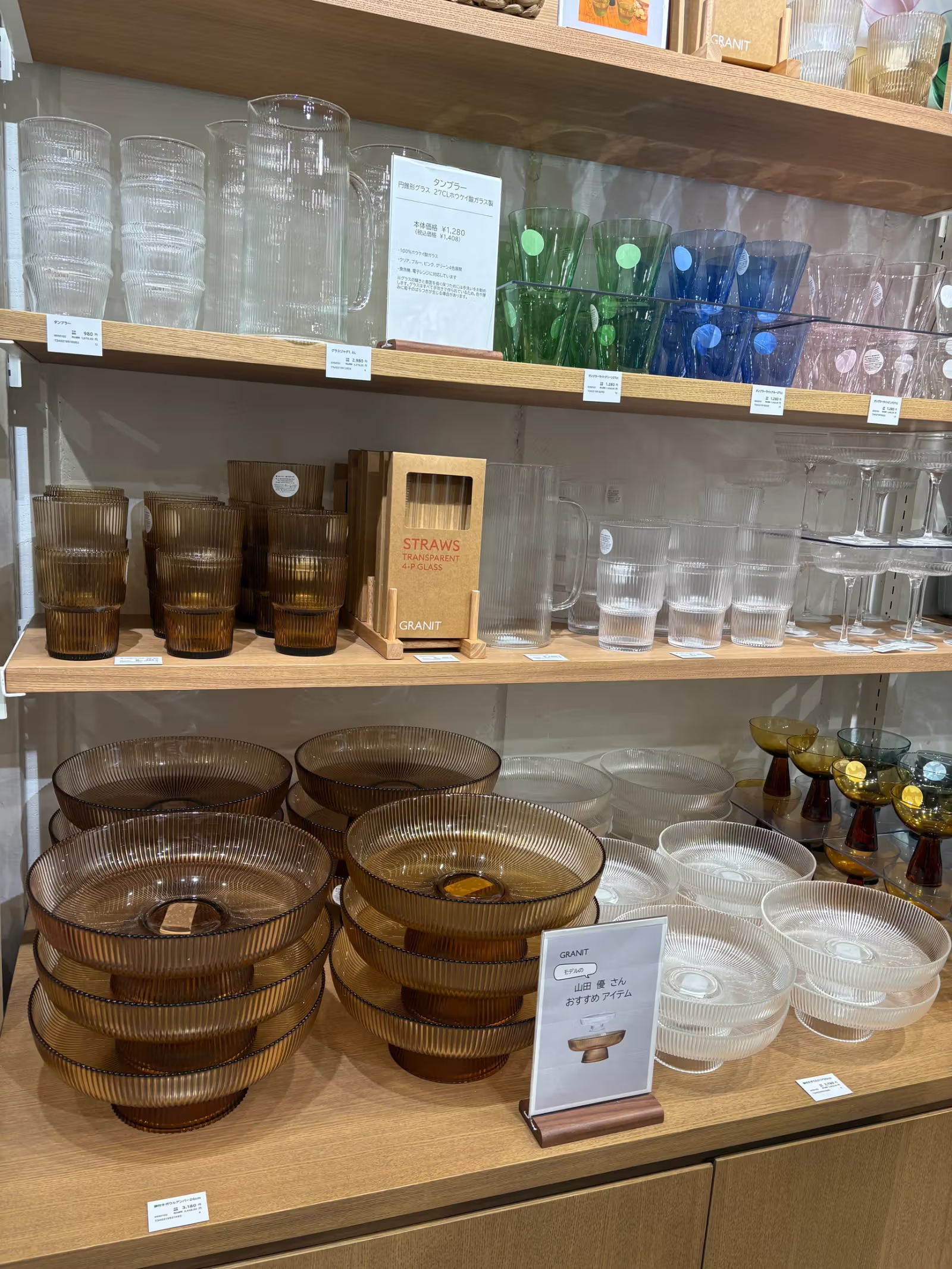
Store photographs show cream, reddish-brown and gray tableware together, with clear and colored glass forming another group of surfaces. Sizes, edges and capacities matter alongside color. If you already own plates, compare whether a new bowl stacks well and suits the food you cook before deciding between an entire set and a few additions.
Tableware combines different sizes and muted colors.Glassware introduces variations in transparency and color.
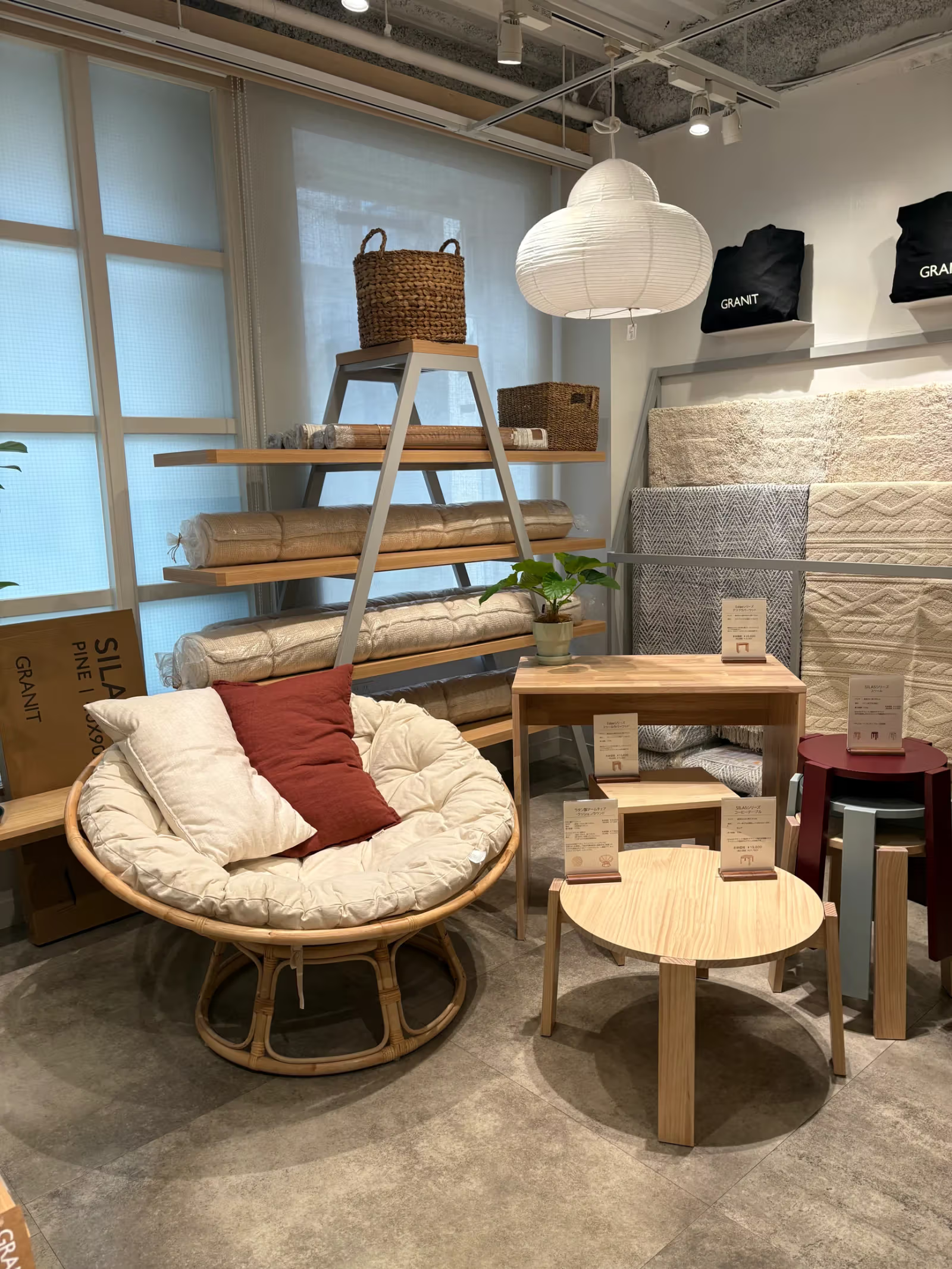
Textiles include linen and organic cotton, alongside rattan baskets and rounded vases. Each material has its own cleaning and storage requirements; a natural palette does not imply one care method for every item. Where cushions, paper lampshades and wood tones meet, the useful question is how texture and light share responsibilities, rather than how to make an entire room one color.
Lampshades, cushions and wood tones form a softer corner.
The first store is open; further expansion remains a plan
Jiyugaoka's concentration of interiors and lifestyle shops helped make it the starting point. The operator positions this location as Japan's flagship and has proposed around 50 stores by 2030, but subsequent cities and precise addresses have not all been announced. An expansion target is not an existing branch directory; travel plans still require checking currently operating locations.
For a short visit, examine one storage section, one tableware grouping and one lighting corner to understand how the same restrained vocabulary handles different functions. Prices and availability depend on current store and official information, and September's opening should not become an October launch. The value of this first shop is in comparing familiar objects together: how each reduces daily clutter while leaving room for a home's own character.