It's not a stormy night, and it's not peak drunk-driving hours. The day you're most likely to get into a crash: clear skies, a sober driver, just one person in the car—and, as it happens, the exact day a big album dropped.
A Harvard Medical School research team cross-referenced 233,809 fatal crashes recorded in the US Fatality Analysis Reporting System (FARS) between 2017 and 2022 with Spotify's daily charts. They zeroed in on the ten albums with the highest single-day streaming numbers—from artists like Taylor Swift and Drake—whose release days saw nationwide streaming spike by 43%. Their method: compare crash rates on release day against the ten days before and after.
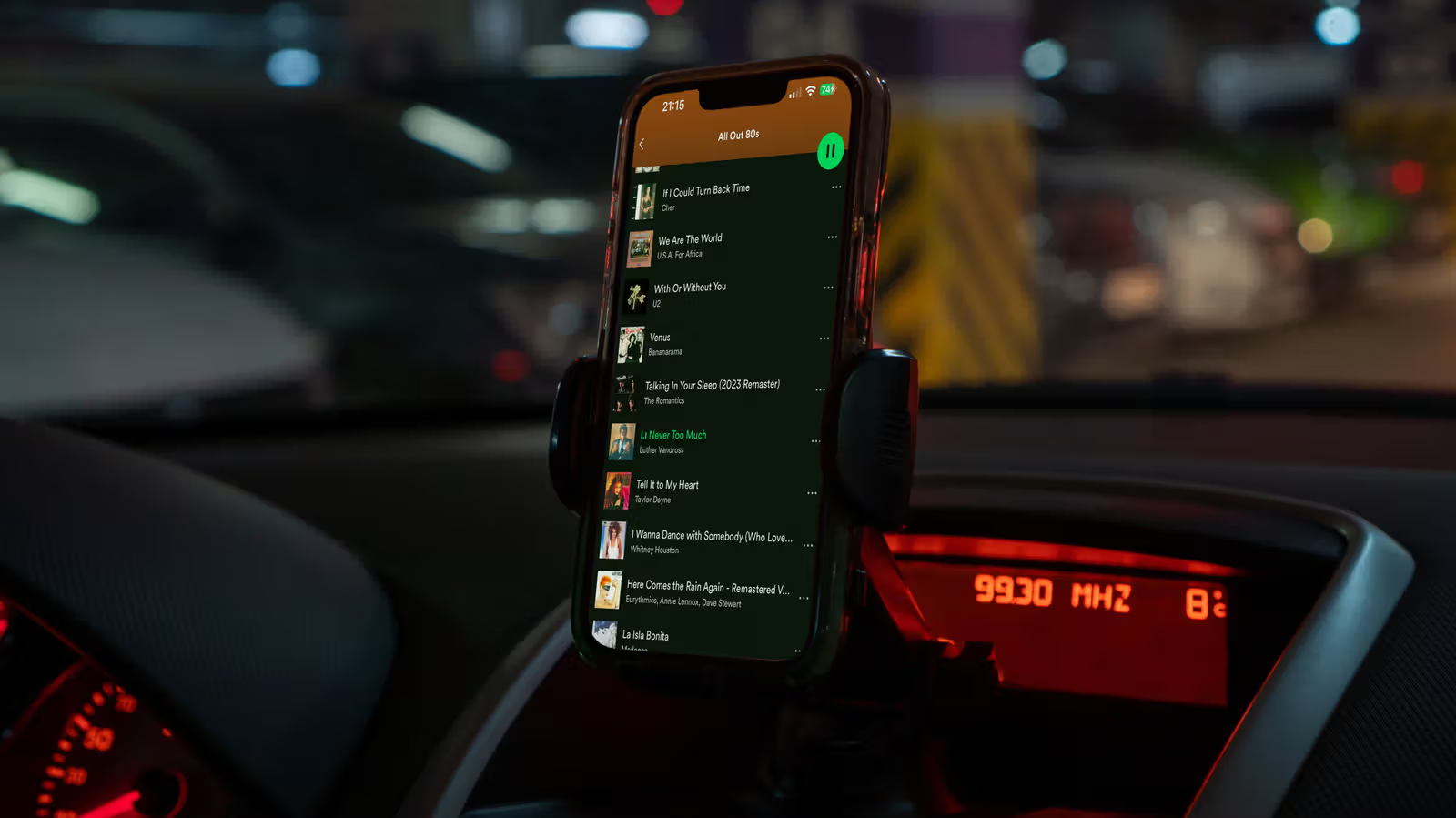
The result: across those ten release days, the US saw about 182 more fatal crashes combined than usual—averaging out to roughly 18.2 extra deaths per drop day. The team's theory is that drivers fumbling through an unfamiliar new album—searching for track names, dragging progress bars, checking what's coming up next—are behind it. These are actions people used to do on their phones, but increasingly they're happening on the ever-larger touchscreens built into cars.
Clear Skies, Sober, Alone—Turns Out That's the Danger Zone
Conventional wisdom says crashes spike at night or in bad weather, but this study found that fatal accidents tied to streaming peaks mostly happened on clear, sunny days—nighttime driving and rough weather didn't push the death toll any higher on these particular days. Even more counterintuitive: the alcohol factor. Deaths among sober drivers on release days rose by an adjusted 13.9, while alcohol-involved crashes showed no similar increase. The team's take: drivers might actually let their guard down more when the weather's good and they're clear-headed.