Editor Returns to OnePlus, Realizes AirPods Spatial Audio and Apple Watch Are the Real Cost of Leaving iOS
Engadget editor Adnan Ahmed switched back to Android with the OnePlus 15, and data migration was a non-issue. The real sticking point? All the accessories and services locked into Apple's ecosystem.
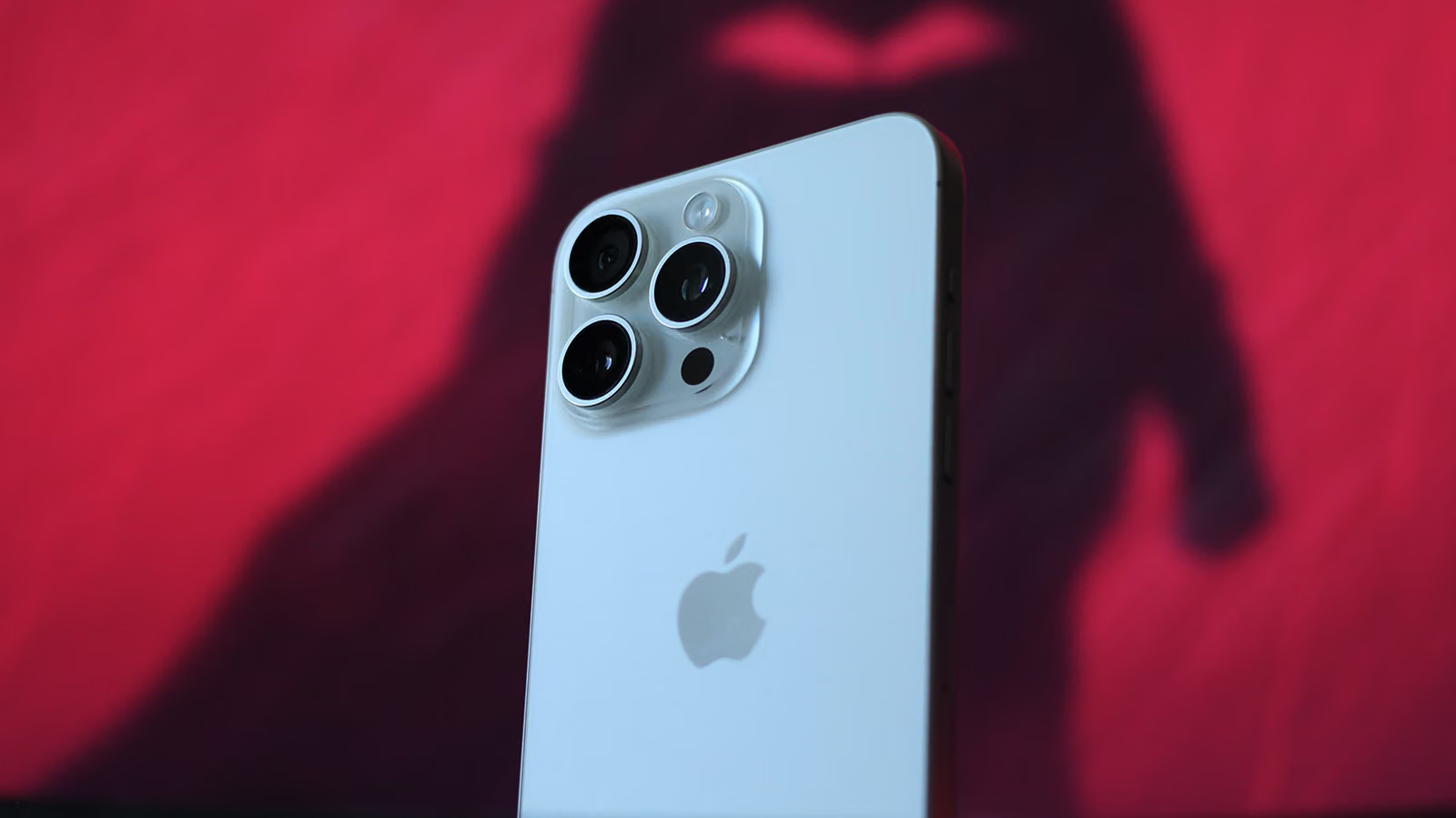
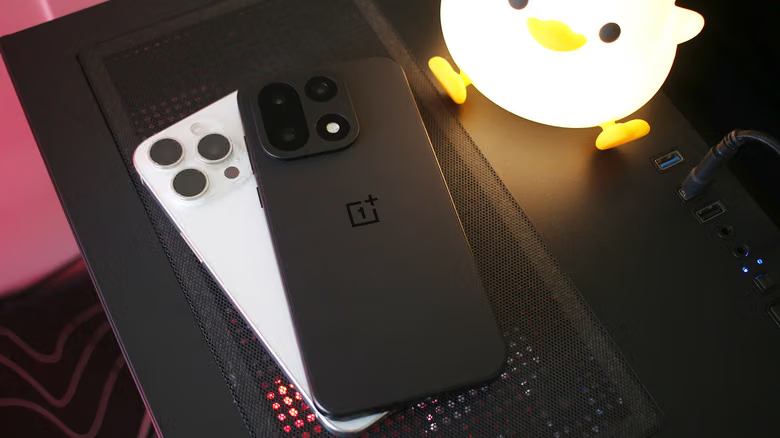
Data migration isn't really a problem anymore—that's the first thing Adnan Ahmed wants to make clear. He started out on Android with a Samsung Galaxy Ace, spent years riding OnePlus's value-for-money appeal, then switched to an iPhone 15 Pro Max and went through three generations of iOS. Recently he jumped back to Android, picking up a OnePlus 15. His WhatsApp chat history transferred over without needing any third-party tools, and contacts, photos, and calendar entries tied to his Google account synced automatically. He expected the transition to be smooth, but discovered that the real friction wasn't in the software—it was in the hardware he'd already sunk money into.
AirPods can pair with Android phones, but features like spatial audio with head tracking just aren't reliable. He mentions that third-party tools like LibrePods can fill in some of the gaps, but they're still not dependable enough. The real dealbreaker is the Apple Watch—it simply cannot pair with Android devices at all. If you want to sync your fitness and health data to the cloud, you still need to keep an iPhone around. In his view, this is the hardest cost to avoid once you've gone all-in on the Apple ecosystem.
When it comes to software support longevity, Apple still has the edge. Google and Samsung now promise seven years of OS updates on their flagships, but most Android manufacturers still cap out at three to four years, and Apple has a proven track record for long-term support. RCS messaging finally works on iPhone, and some newer Android phones can now transfer files with iPhone, iPad, and Mac via AirDrop—so Google is clearly making an effort to close the gap between the two ecosystems, though iMessage remains exclusive to Apple devices. He also mentions that Flighty, a flight-tracking app he pays for, has no Android version—the kind of individual app gap that anyone switching platforms will likely run into at some point.
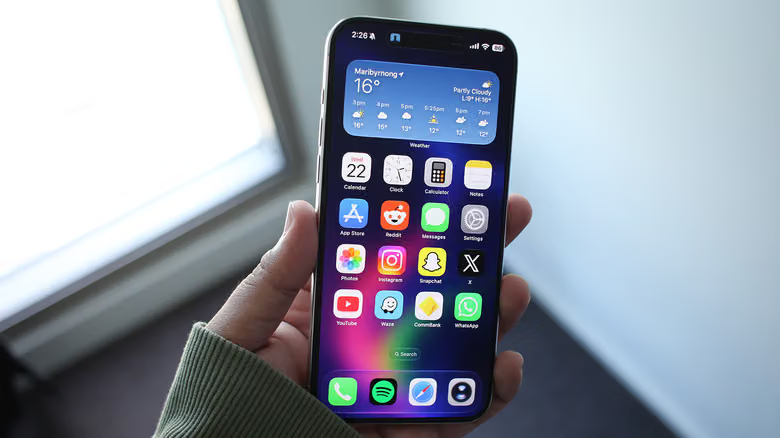
As for iOS itself, Adnan Ahmed doesn't have many kind words for its keyboard, and he thinks Android does a better job with file management and downloads. But iOS does have a genuine strength in design consistency—even though the new Liquid Glass redesign has drawn mixed reviews, third-party apps all adopting the same visual language still makes for a more cohesive overall experience. By comparison, plenty of Android manufacturers are chasing the same translucent aesthetic but ending up with inconsistent, sometimes rougher interpretations of their own. He notes that app optimization differences aren't universal, but they do exist—ultimately because developers only need to account for a handful of iPhone models, not the thousands of differently-specced Android devices released every year. Hardware quality consistency follows the same logic: with an entry-level iPhone, you don't have to worry about build quality, haptics, speakers, or camera performance varying wildly—something most of the Android world still hasn't managed to achieve.