A Route Through Lee Chang-dong’s Favorite Films: Time, Memory and the People We Cannot Fully See
Across Hong Kong, Taipei, New York and Europe, ten films offer three routes into growth, memory and moral dilemmas in Lee Chang-dong’s favorite-film selection.
Lee Chang-dong’s favorite-film selection brings together works that initially seem far apart. Boyhood was filmed over 12 years, while Russian Ark travels through history in a single extended shot. Wong Kar-wai’s In the Mood for Love and Edward Yang’s Yi Yi begin with relationships in Hong Kong and Taipei. These ten films form a viewing map rather than a new-release chart, inviting a gradual exploration of time, memory and human circumstances.
Time Can Be Recorded or Rearranged
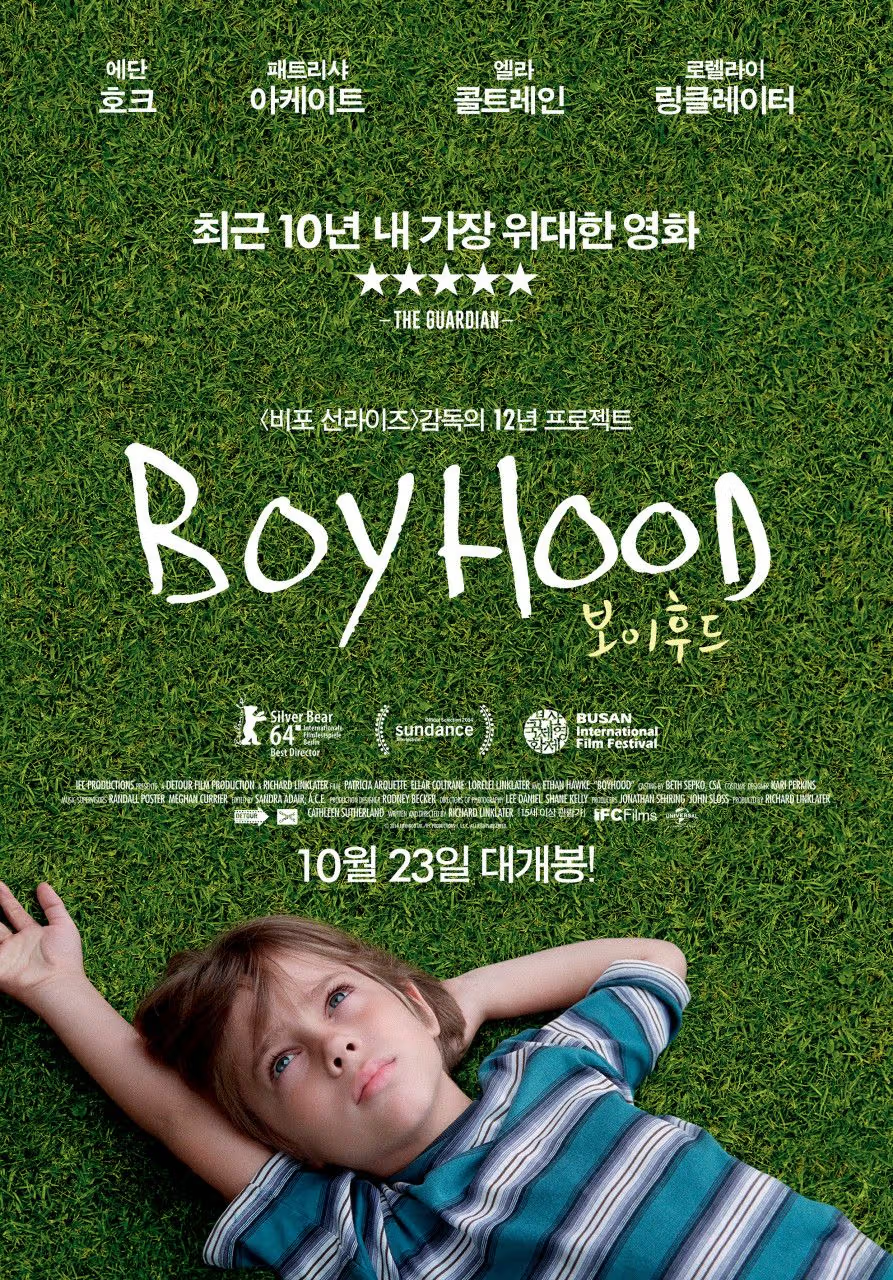
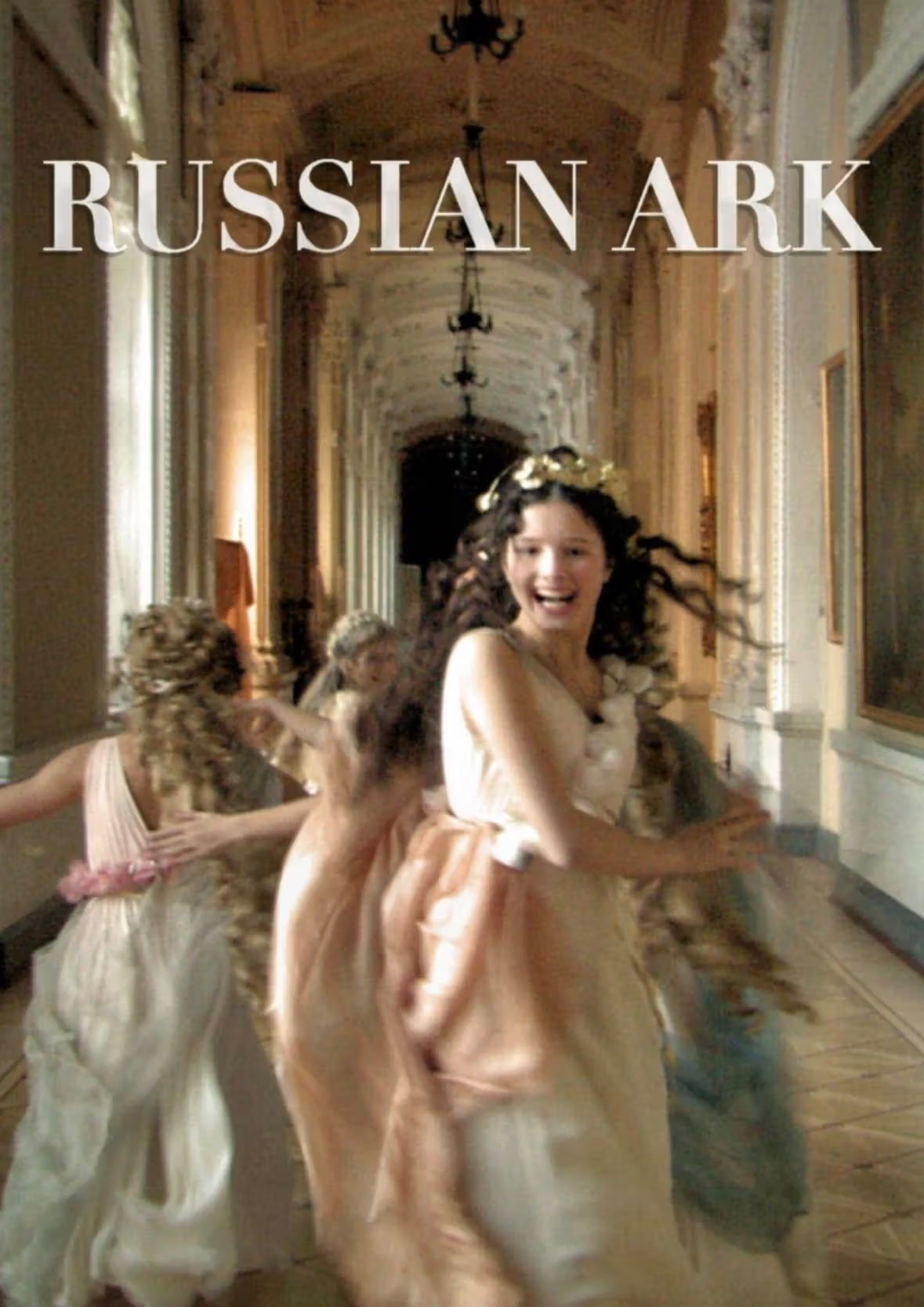
Richard Linklater’s Boyhood (2014) lets Mason, played by Ellar Coltrane, grow alongside the actor. Twelve years of filming give accumulated weight to family changes and everyday details. Alexander Sokurov’s Russian Ark (2002) takes another route: its camera moves continuously through the Hermitage Museum in Saint Petersburg, bringing different historical periods together in one long take. Both treat time as material: one observes a changing body, while the other makes space a container for history.
The Russian Ark poster evokes the museum’s historical setting.
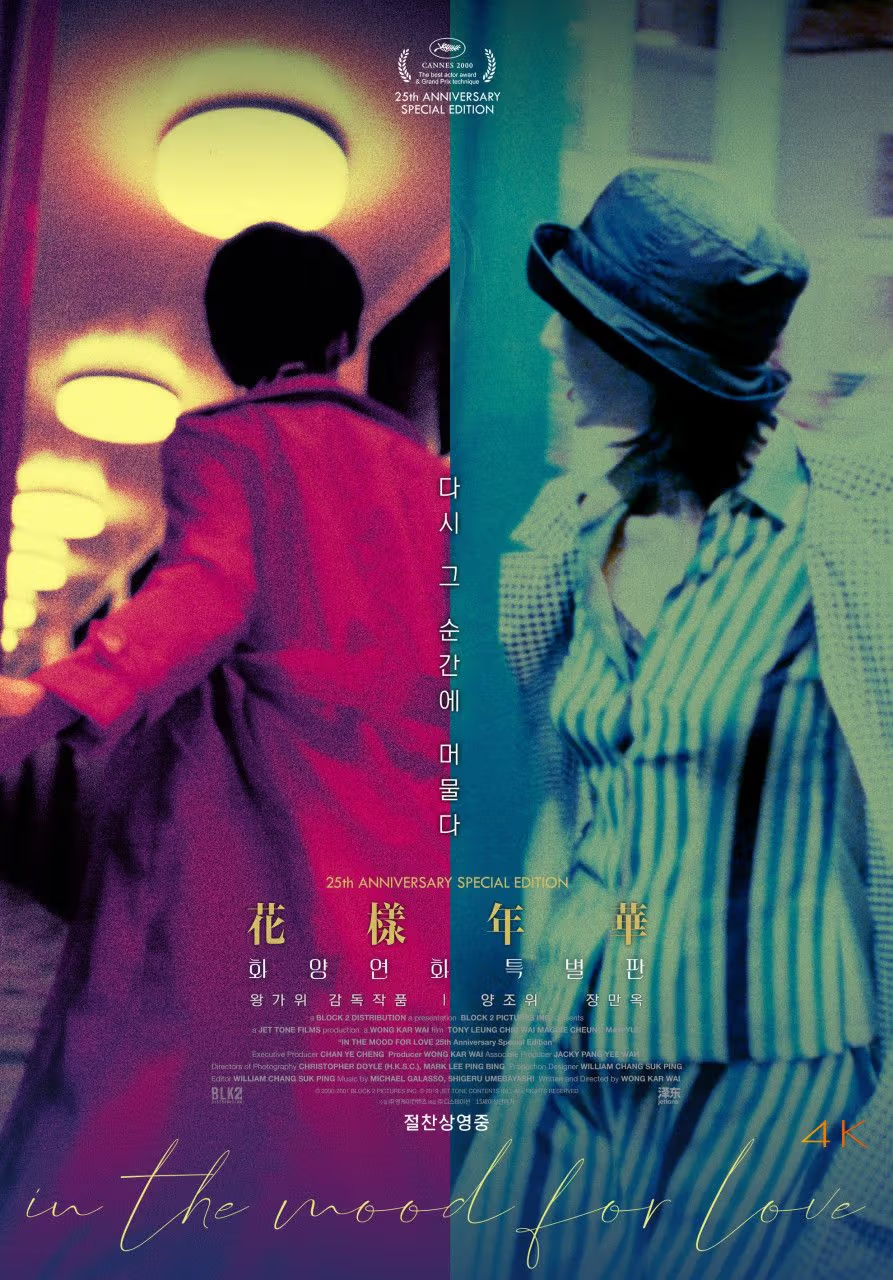
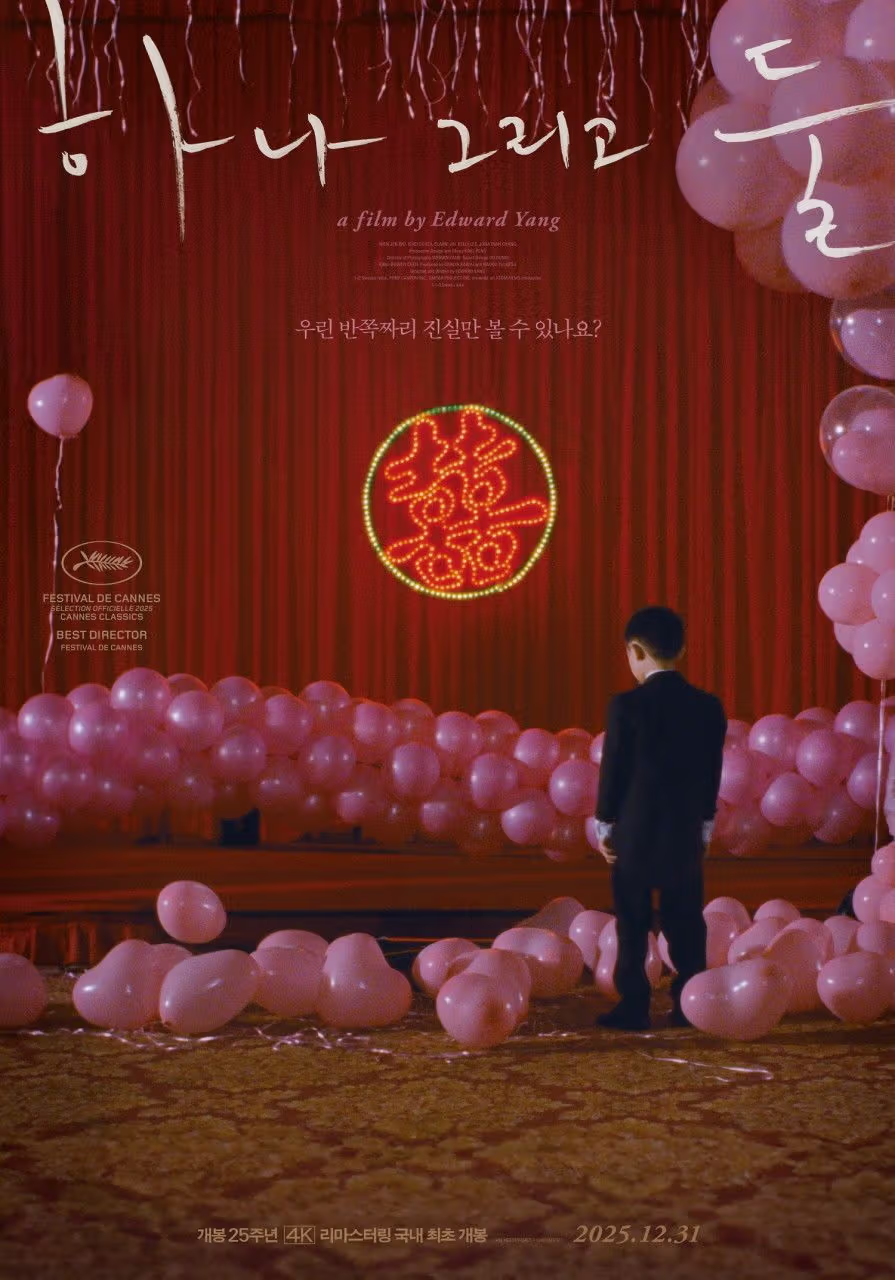
Wong Kar-wai’s In the Mood for Love (2000) approaches time through what remains unspoken. Neighbors in 1960s Hong Kong draw closer after learning of their spouses’ affair, yet maintain a distance through repeated encounters. Clothes, narrow passages, color and music prolong the emotion. Yi Yi (2000) provides a companion view through a Taipei family’s wedding, work and growing pains. A child photographing people’s backs reminds us that everyone has a side they cannot see themselves.
The In the Mood for Love poster creates atmosphere through color and the distance between its figures.The Korean Yi Yi poster makes a person’s back a central visual element.
How Do People Respond When Everyday Life Is Disturbed?
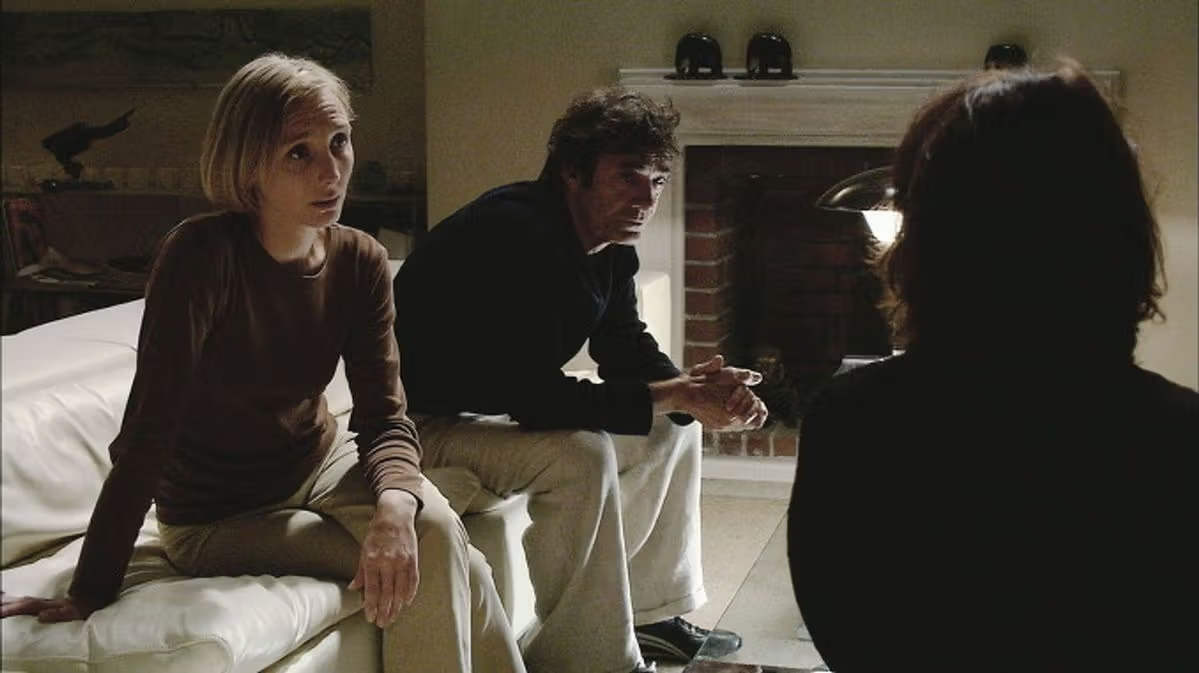
Michael Haneke’s Caché (2005) begins with anonymous videotapes, progressively dismantling a middle-class family’s sense of security. The Dardenne brothers’ The Son (2002) concentrates a moral problem in a carpentry classroom: a teacher confronts a boy connected to his family’s trauma. Work, silence and physical distance sustain the tension. Neither film rushes to supply an answer; both ask viewers to keep observing what people do.
A scene from Caché shows the relationships between its characters.
Cristi Puiu’s The Death of Mr. Lazarescu (2005) follows an elderly man through Bucharest hospitals over a night, allowing individual suffering and institutional indifference to overlap along the way. Paul Thomas Anderson’s The Master (2012) focuses on a postwar veteran and a spiritual leader, setting dependence, power and uncontrollable impulses against one another. Seen together, these films illuminate how circumstances shape human responses.
From a Folk Song to Six Repeating Days
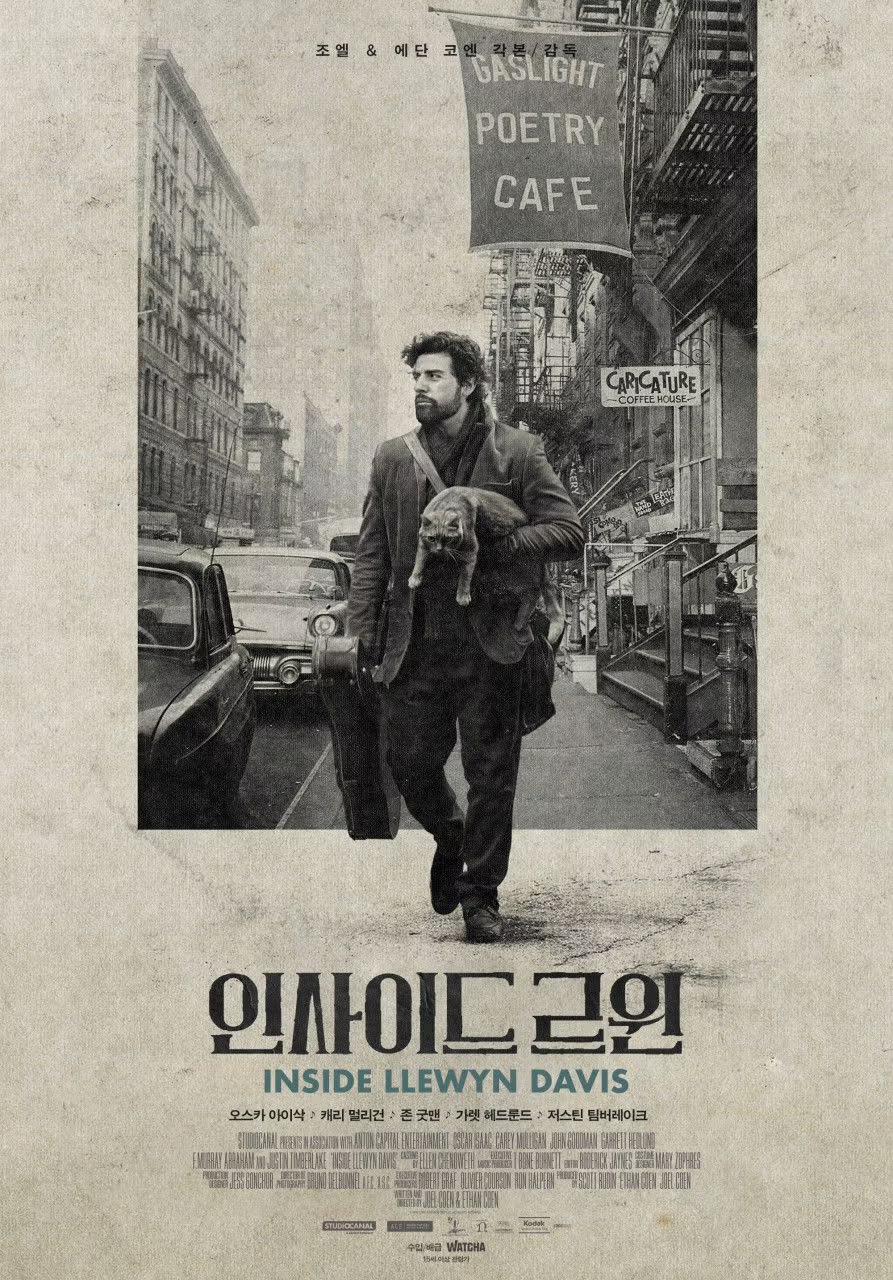
The Coen brothers’ Inside Llewyn Davis (2013) follows a few days in the life of an unknown singer in 1960s New York. Music offers no guarantee of success; it makes life’s frustrations more distinct. Béla Tarr’s The Turin Horse (2011) records six days with a carriage driver and his daughter in black and white. Repeated actions—eating potatoes, drawing water and resisting the wind—gradually alter the viewer’s sense of everyday life.
A guitarist and city street appear on the Inside Llewyn Davis poster.
A first encounter with this selection can begin with a familiar city or medium. Music listeners might choose Inside Llewyn Davis; photography enthusiasts can start with Russian Ark; those seeking a connection to Taiwanese life can turn to Yi Yi. There is no need to watch all ten at once. Keeping their related questions in mind gives the next film another point of comparison.