Seoul's Namdaemun Theatre becomes a cultural space, with changeable signs and a world-literature exhibition
The former cinema, opened in 1959, now hosts exhibitions and publishing. Explore Workroom's modular Hangul signs, Low-tech Hi-fi bookstore and a show running through December 31.
An old theatre near Seoul's Namdaemun Market is bringing the rhythm of changing a film programme into bookselling, exhibitions and visual design. Namdaemun Theatre, which first opened in 1959, became a mixed cultural space this year at its existing address, 25-8 Namdaemunsijang-gil, Jung-gu. A new October 26 design feature examines the transformation: Workroom created updateable signs for the theatre and Low-tech Hi-fi bookstore, while The World of World Literature continues on the third and fourth floors through December 31, 2026. This is a new use for an old place, rather than a claim that it reopened today.
From cinema listings to Hangul modules: how do the signs change?
Workroom handles the graphic design for both theatre and bookstore. The theatre signage draws on letter images collected from actual wooden type, with aluminium structures that operate like picture frames throughout the space. Their contents can change when a new programme begins. Instead of fixing the venue to a permanent poster, the display system moves with its programme, echoing the cinema's former practice of replacing film titles.
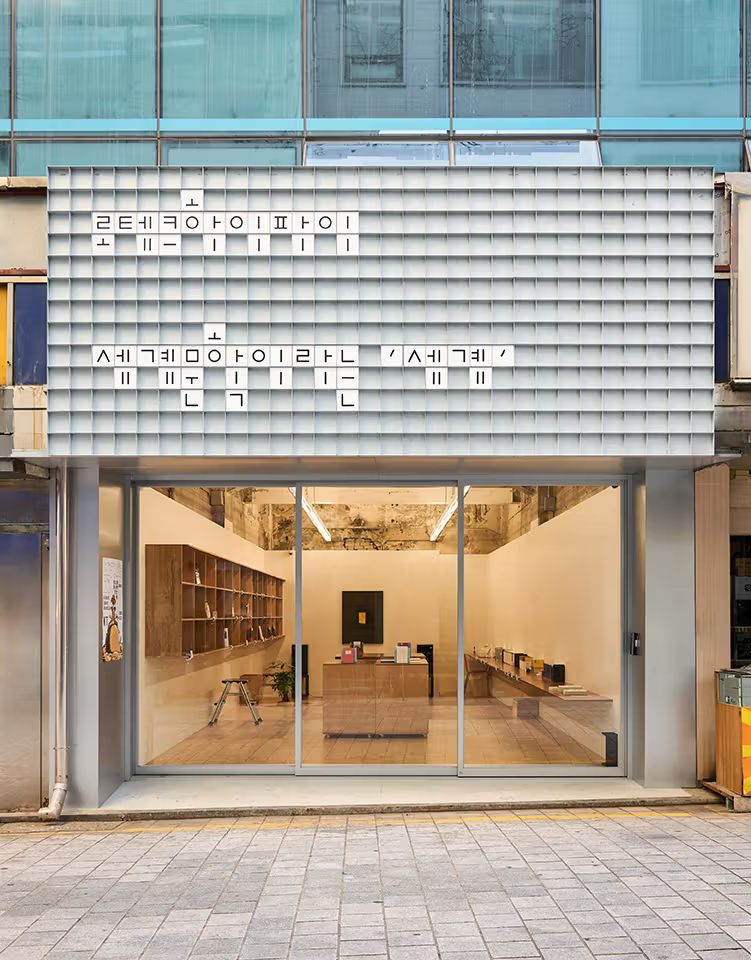
The bookstore sign uses the Hangul typeface 원형체 by Sulki and Min, placing separate letter components in square modules that can be recombined. It borrows the operational logic of a cinema readerboard while working with the arrangement of Korean letters rather than simply importing a Latin-letter format. The designers also accounted for shadows cast by the frame, reducing letters to 90% of their original size so that the structure becomes part of their legibility. That percentage refers to the letters, not the overall dimensions of the sign.
Low-tech Hi-fi's modular Hangul sign carries forward the form of a cinema readerboard.
Why put low technology and high fidelity together in a bookstore?
The name Low-tech Hi-fi sets low-tech making alongside high-resolution perception. Books use apparently simple materials such as paper and ink while holding complex stories and knowledge. That idea informs the bookstore's curation instead of equating low technology with low quality. Just as the theatre changes programmes, the shop changes themed displays, giving returning visitors another editorial or classification approach rather than only the same row of books.
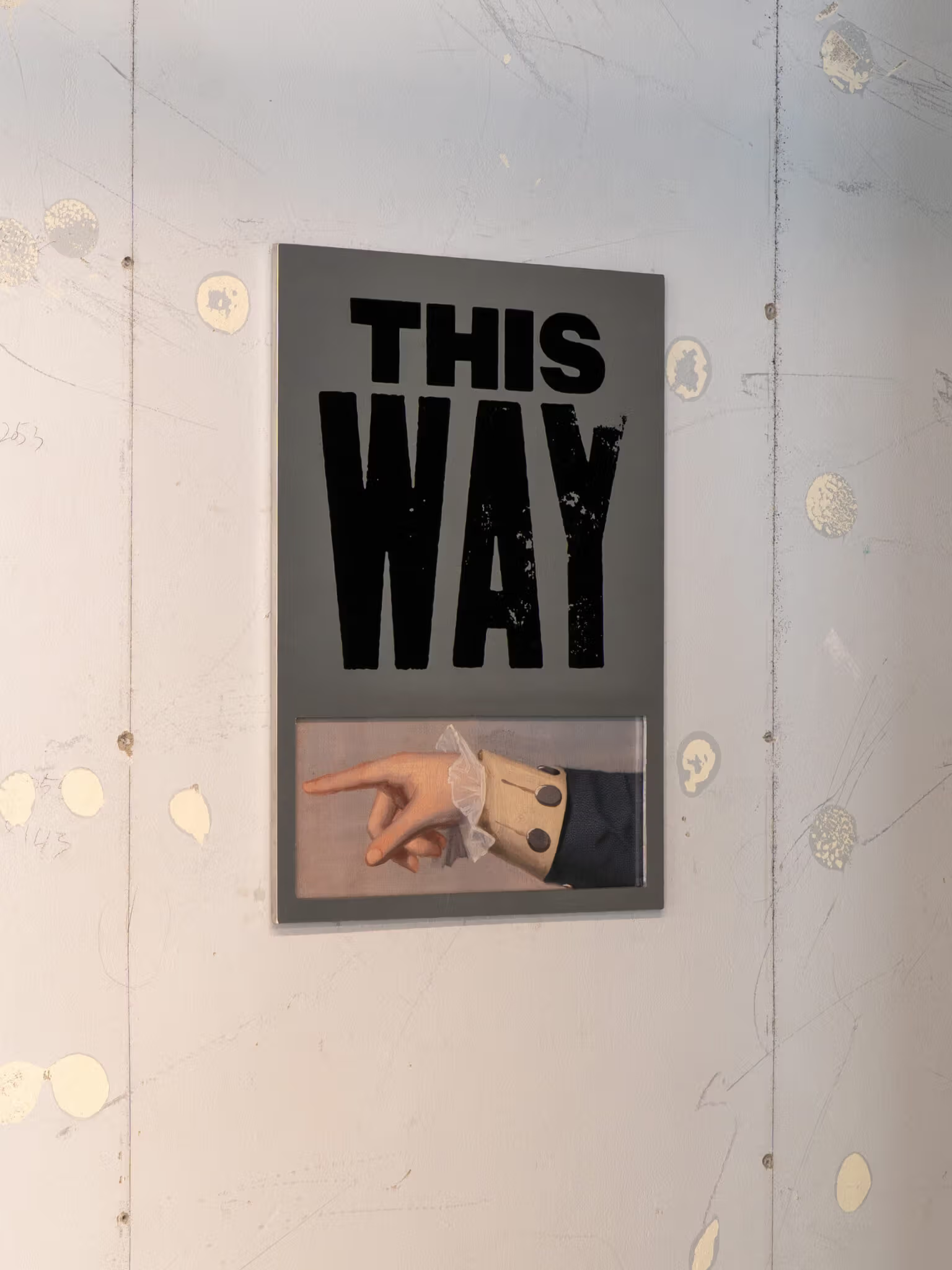
In the photographs, the gridded sign, directional graphics and floor information perform different jobs. The entrance names the venue, interior signs guide movement, and the exhibition turns publications into objects of attention. Together they redirect a route once centred on a screen towards books and curating. They do not make every floor one exhibition zone or establish that film screenings have resumed on a fixed timetable; check the current programme when planning an activity.
A framed interior directional sign allows images and words to change within an existing structure.
What is The World of World Literature? Check the floors and opening arrangements
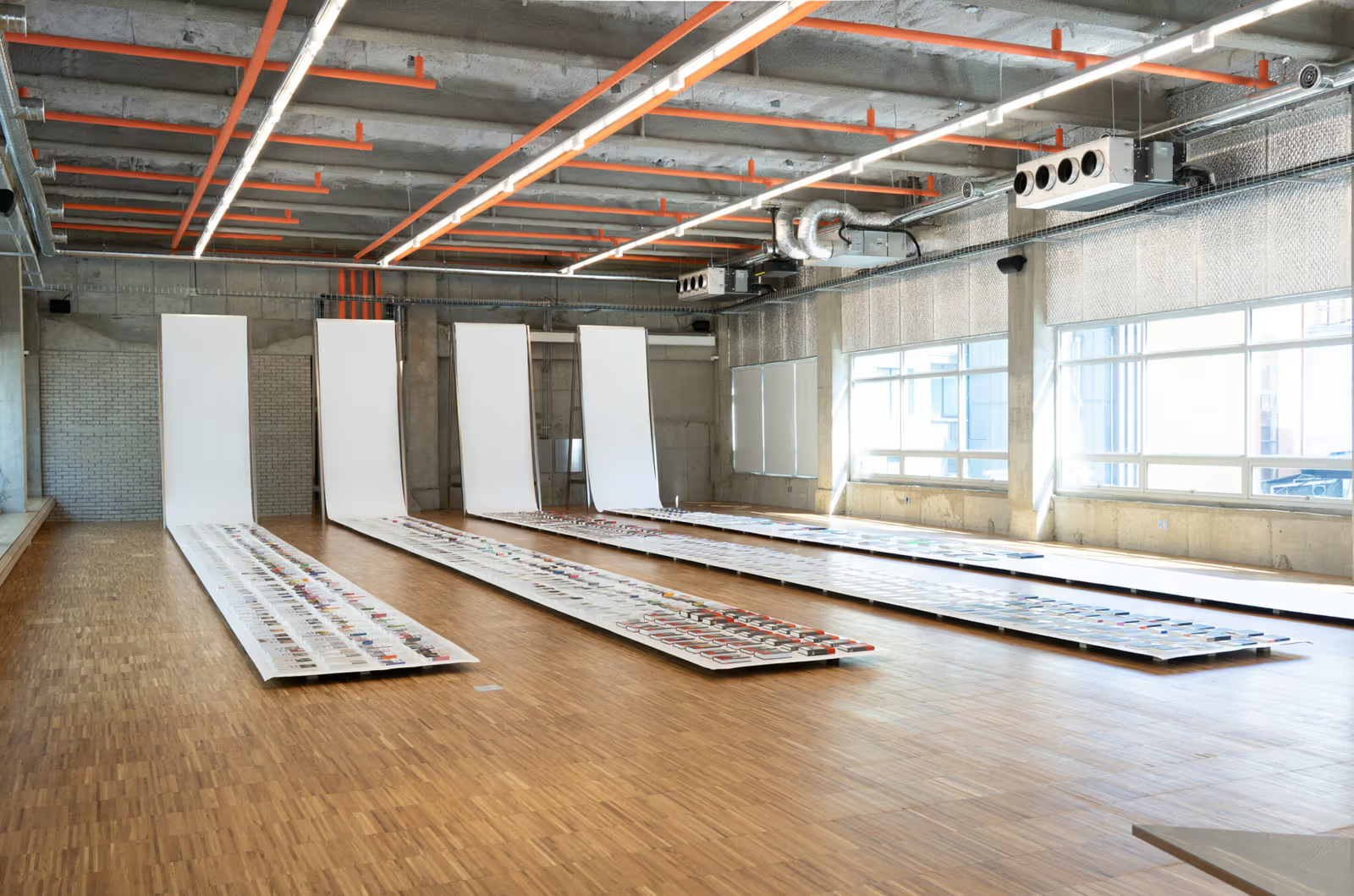
The inaugural exhibition 세계문학이라는 세계, on floors three and four, presents collected world-literature series in groups based on complete publishing scales such as 10, 30, 50 and 100 volumes. The aim is not to rank publishers by output. Quantity, classification, storage, cover design and visual language become ways to examine how editors understand literature and the conditions in which readers collect and read. The design report lists 14 participants. Namdaemun Theatre, 윤율리 and Workroom Press plan the exhibition, with architectural design credited to 조현석.
The announced closing date is December 31, at Namdaemun Theatre's third and fourth floors, 25-8 Namdaemunsijang-gil, Jung-gu, Seoul. A confirmed address does not mean every day or floor has the same hours. Especially for a Monday visit, check Namdaemun Theatre's official updates for closures, entry conditions and programme changes. Start with the changeable sign and aluminium frames, then allow time for the arrangement of book series, rather than treating a newly published feature as a guarantee that every service is open today.
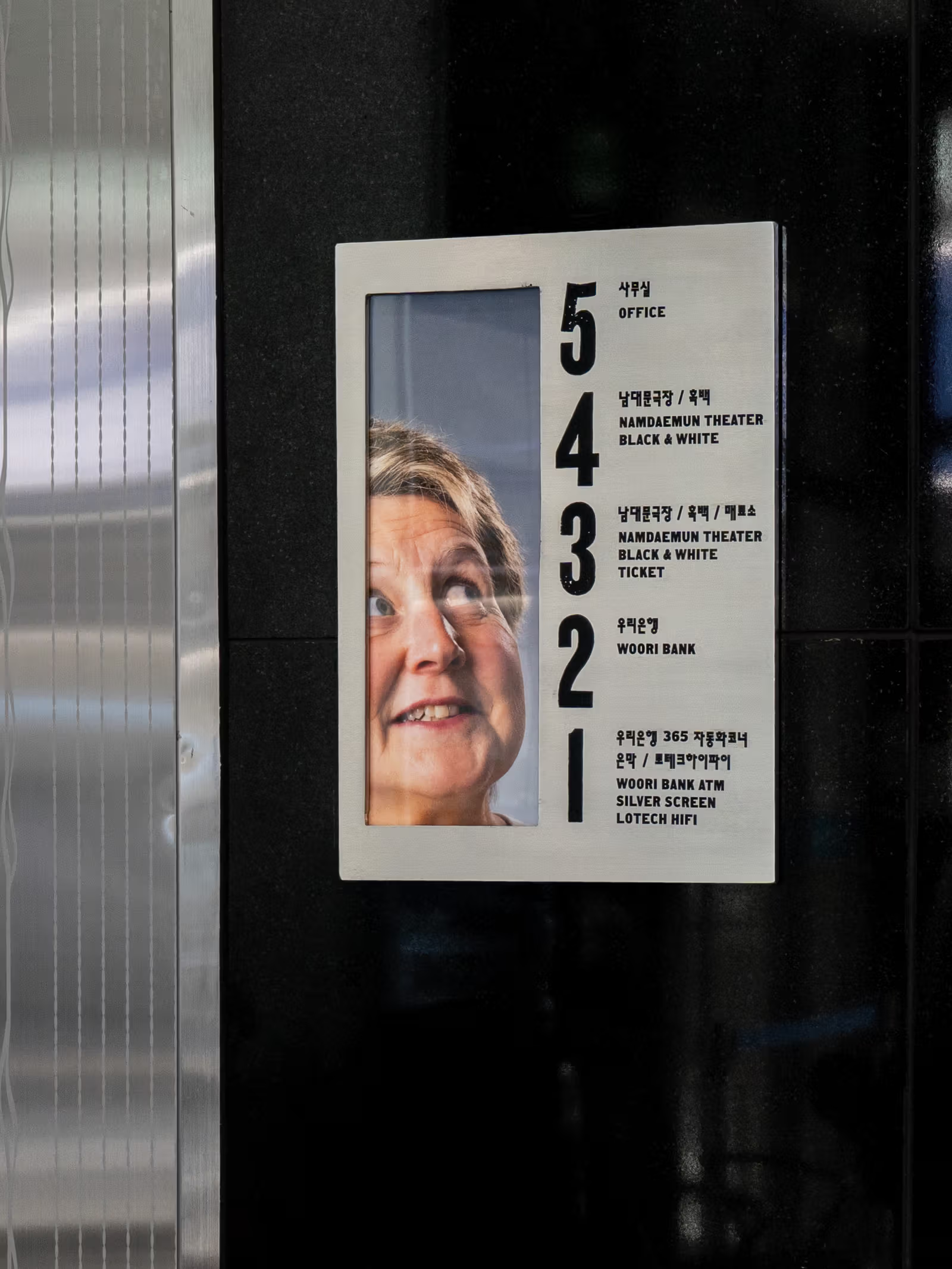
A floor guide lists different spaces together; the floors are not all one exhibition zone.