Hans Haacke’s Tokyo Retrospective: When Water, News and Votes Become Art
Opening at the Museum of Contemporary Art Tokyo from February 6 to May 16, 2027, Information Flow connects natural processes, circulating information and visitor participation. Here are the works, ticket prices and closure dates to know.
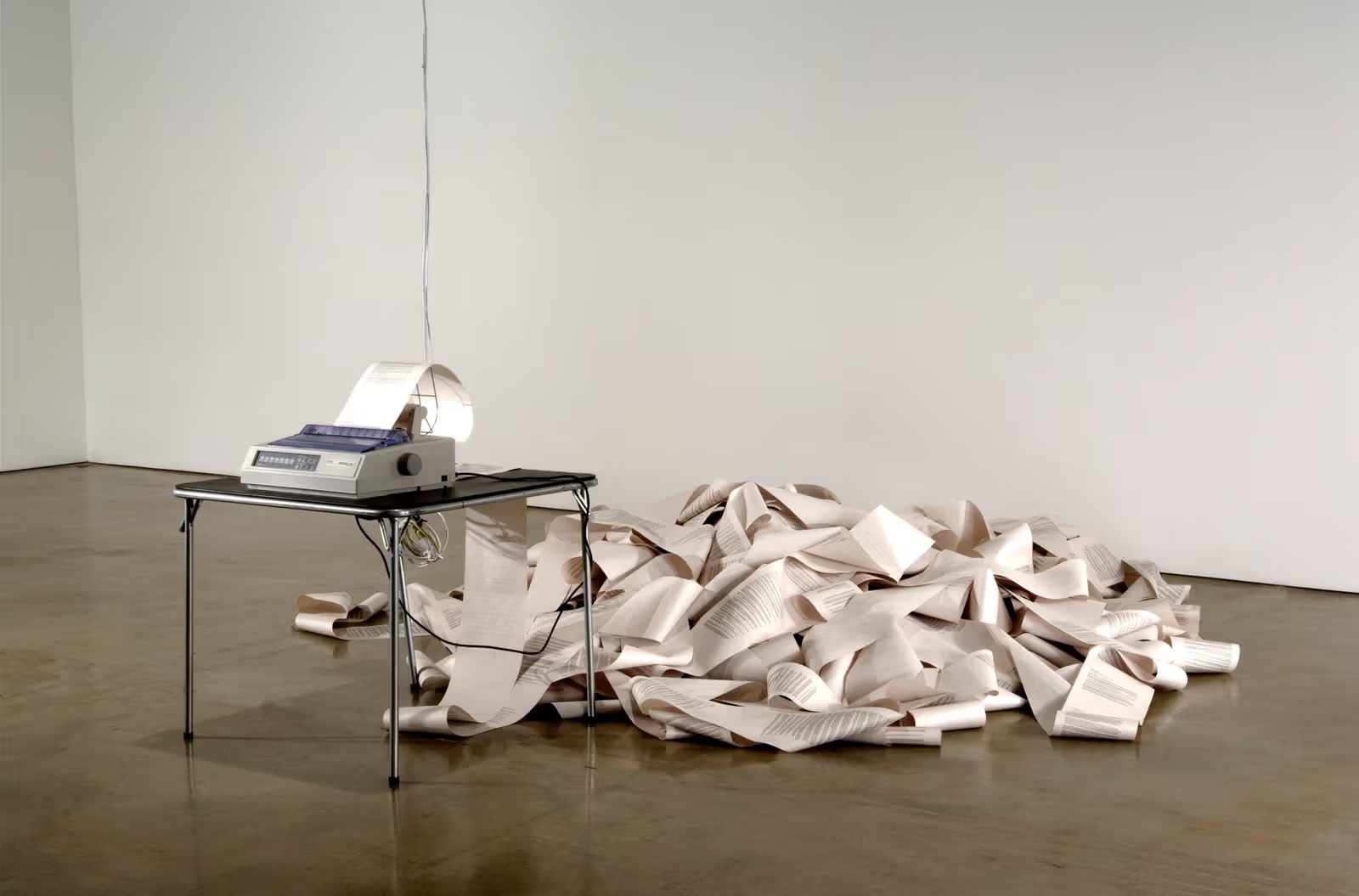
Why might a printer, a piece of blue fabric lifted by a fan, or a box of visitors’ ballots take centre stage in a museum? The Museum of Contemporary Art Tokyo will explore that question in Hans Haacke: Information Flow, running from February 6 to May 16, 2027. Spanning more than six decades of work, it is the artist’s first large-scale retrospective in Asia. The exhibition is still a preview of next year’s programme, making it one to bookmark when planning an art-focused Tokyo trip.
Reading a Changing Work Through Condensation
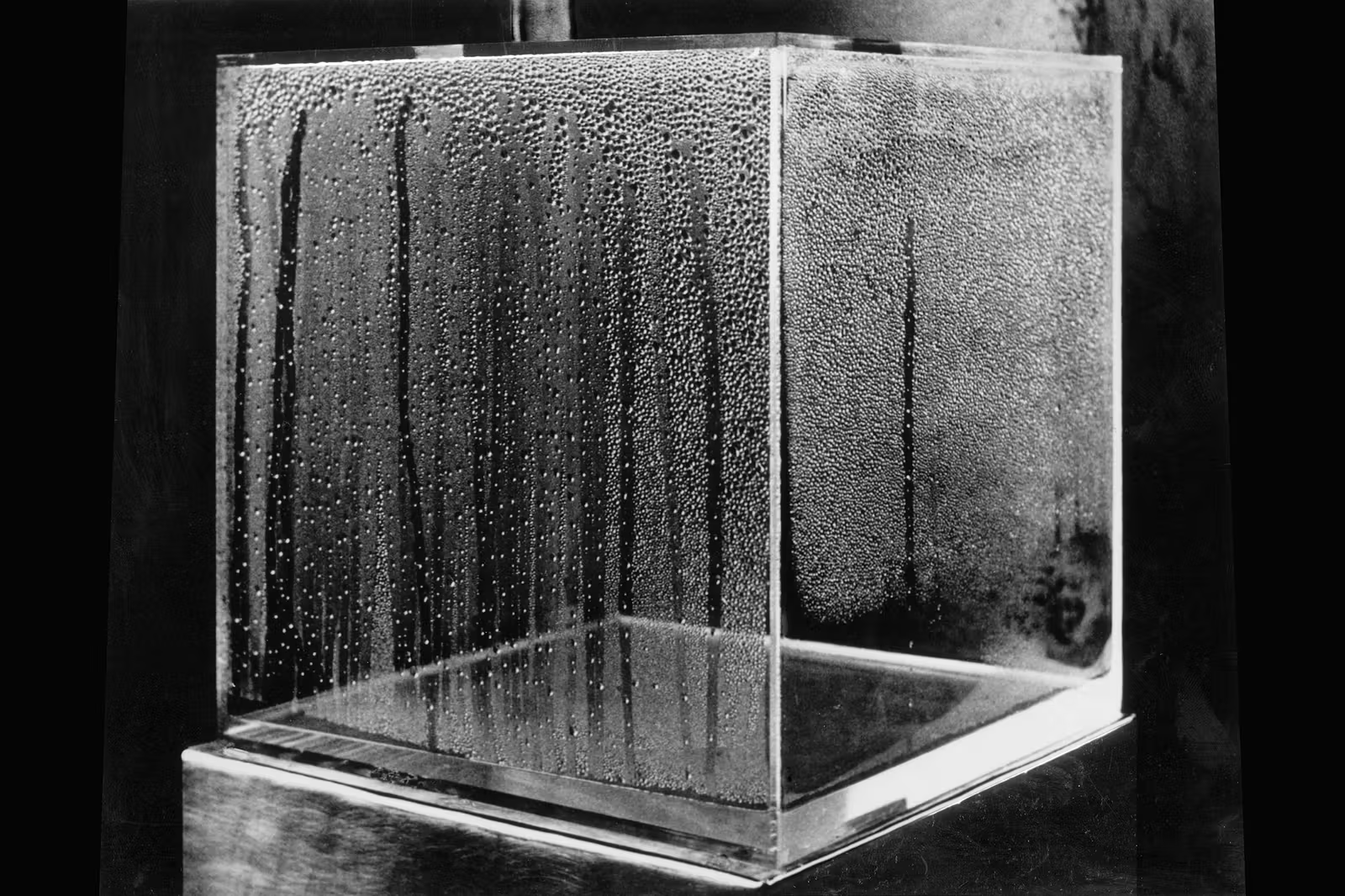
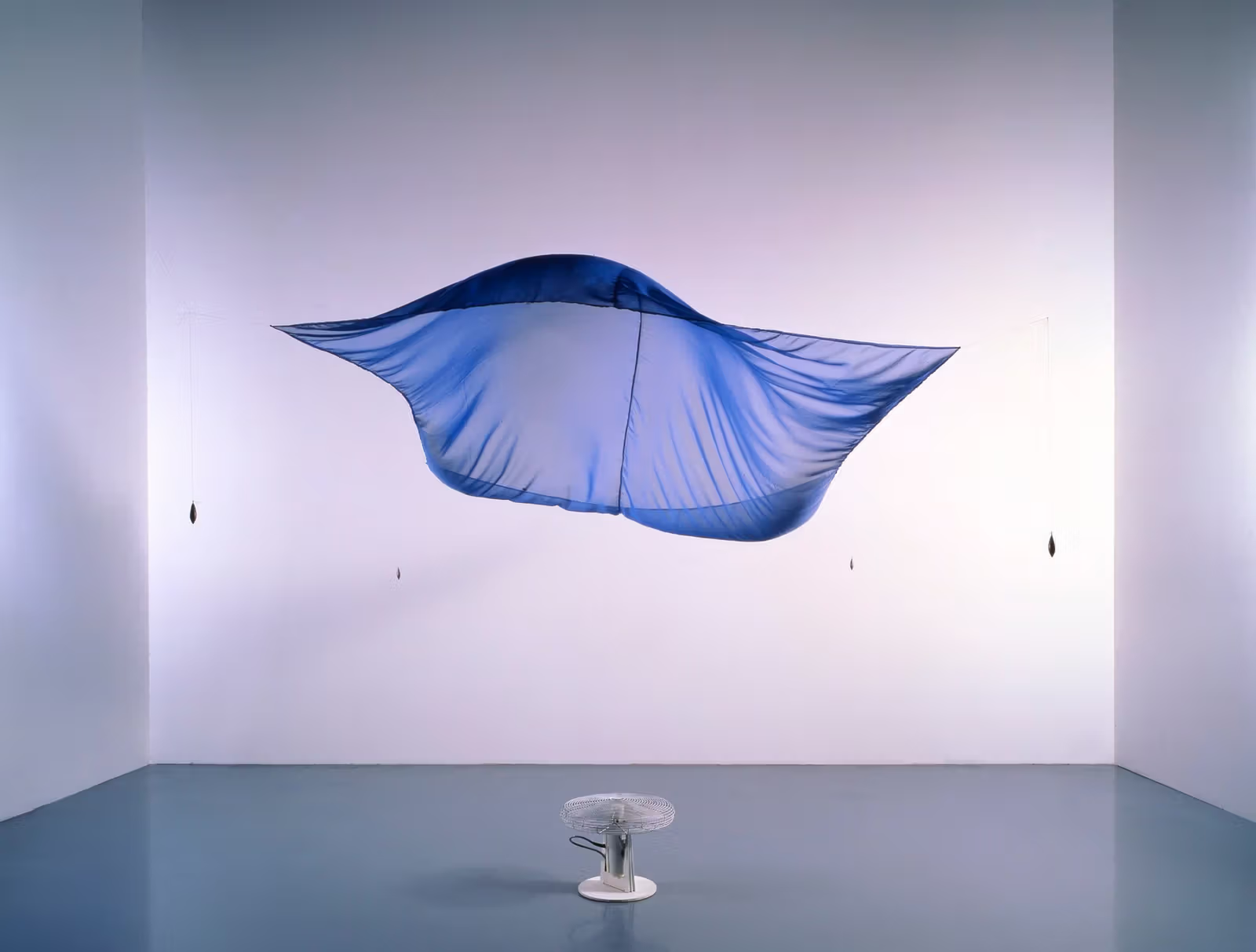
Haacke often treats the environment as a collaborator. In Condensation Cube (1963–65), water inside a clear acrylic box evaporates and condenses according to the surrounding climate; Blue Sail (1964–65) uses a fan to move fabric. Their interest extends beyond geometric form: identical materials assume different states as air and time change. For anyone drawn to minimalist furniture or installation design, they suggest a way of looking that shifts attention from an object to its relationships.
Condensation Cube (1963–65) changes through moisture and its surroundings.Blue Sail (1964–65) uses a fan to keep blue fabric in motion.
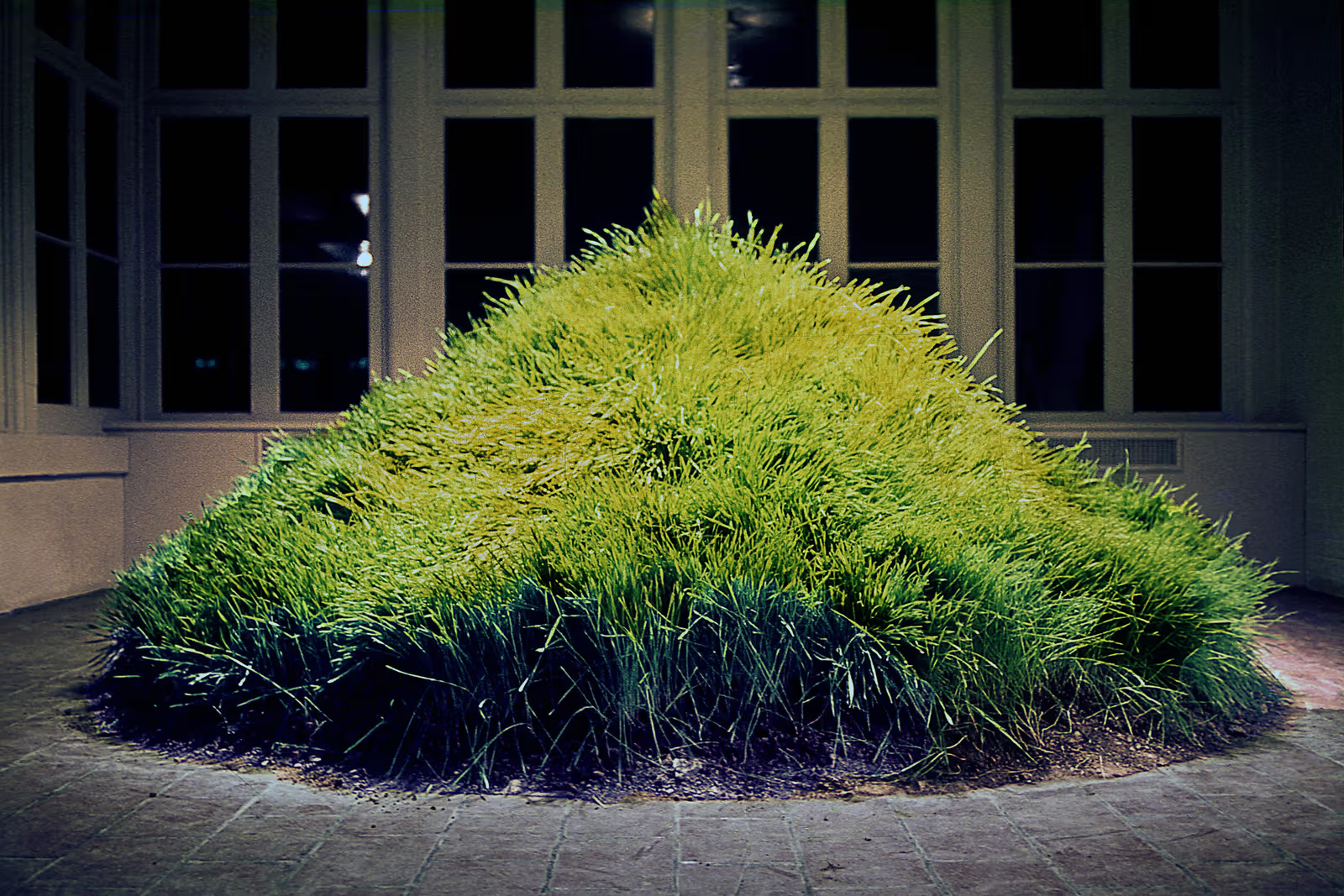
Grass Grows (1967–69) incorporates plant growth, while News (1969/2008) turns a continuously updated news feed into accumulating printed paper. Seen together, they reveal rhythms of movement, accumulation and change shared by information and living systems. The grass photograph accompanying this article documents the 1969 Earth Art exhibition at Cornell University; it does not show the still-unopened Tokyo exhibition. Archival images help explain a work, but cannot serve as advance views of this venue.
Grass Grows (1967–69), documented at Cornell University’s Earth Art exhibition in 1969.
How Museums Work, and What Visitors Choose
Born in Cologne, Germany, in 1936, Haacke has never limited his attention to nature. The exhibition will begin with photographs he made at documenta 2 in 1959, when he worked as a guard and helped install works. His camera also recorded staff and visitors. That starting point reveals the museum as a place sustained by labour, institutions and social relationships, connecting with his subsequent questions about politics, economics and cultural organisations.
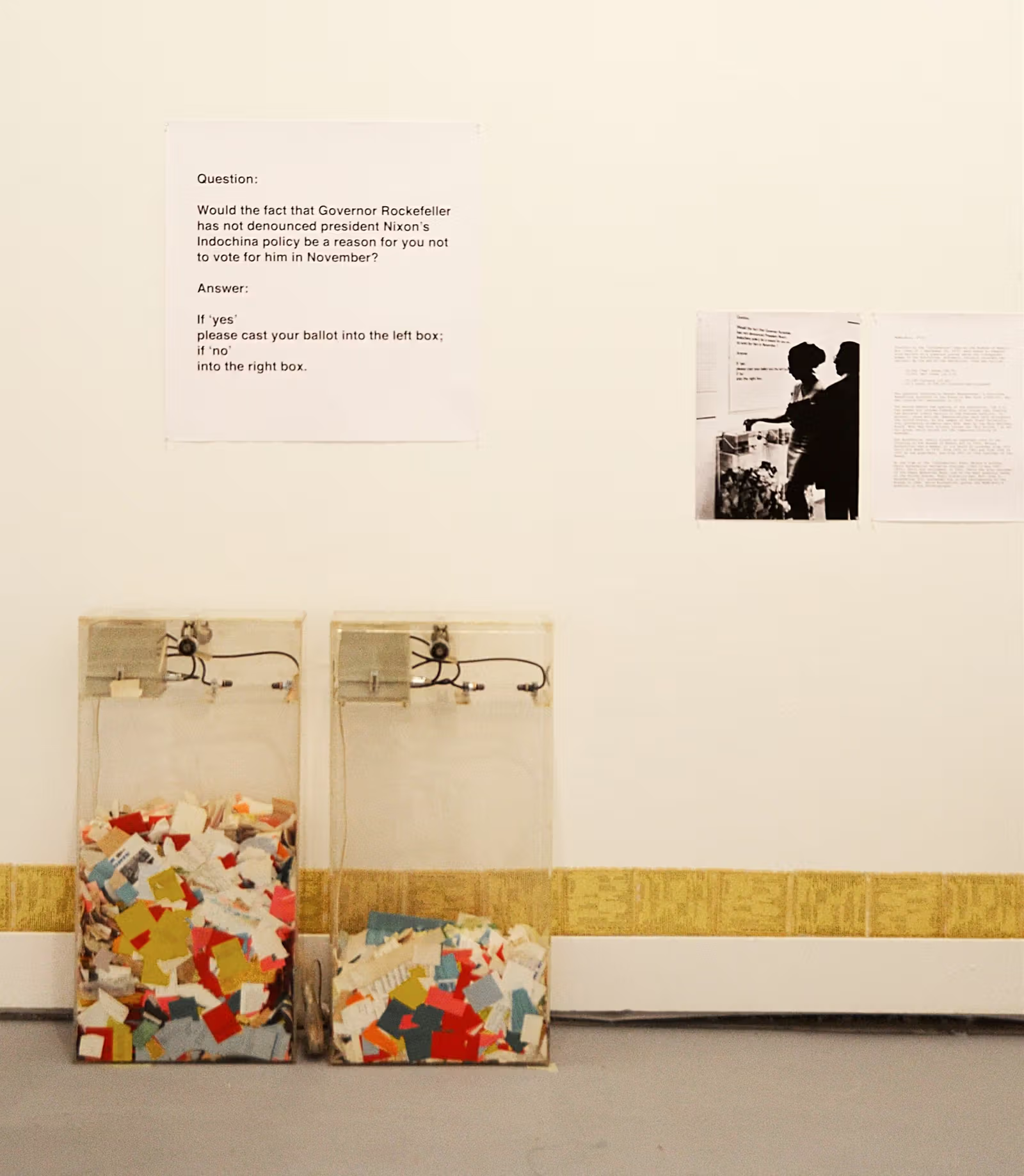
Participation forms another thread. MoMA Poll (1970) brought individual political positions into the gallery through voting, and this exhibition will introduce a new Tokyo version of the visitor-poll series. The section on DER BEVÖLKERUNG, his ongoing garden project at Germany’s federal parliament, will present documentation and archival material tracing its changes; the entire garden is not being relocated to Tokyo. The retrospective therefore examines history while allowing present-day visitors’ answers to become part of a work.
MoMA Poll (1970), documented at the 2015 Venice Biennale.
Tokyo Dates, Admission and Closures in 2027
The exhibition will occupy the museum’s third-floor temporary exhibition gallery at 4-1-1 Miyoshi, Koto-ku. Opening hours are 10:00–18:00, with last entry at 17:30. Mondays are closed except March 22 and May 3; additional closures fall on March 23 and May 6. Travellers visiting across Japanese spring holidays should plan around these exceptions rather than assuming a fixed Monday closure throughout.
Admission is JPY 2,300 for adults, JPY 1,600 for visitors aged 65 and over, JPY 1,500 for university and vocational students, and JPY 920 for junior-high and high-school students; elementary-school children and younger enter free. Visitors aged 18 and under can enter free with proof of age from March 2 to April 4, 2027. The ticket also includes MOT Collection from February 20. Check the museum’s exhibition page for the full conditions. Understanding the dates and ways to participate creates room to notice how these works expose everyday systems, beyond a single photograph.