Tokyo’s Tate Turner Exhibition Connects Storms, Glaciers and Contemporary Art
Now open at the National Museum of Western Art until February 21, 2027, the exhibition pairs more than 80 Turner works with contemporary art. Explore five works, admission and closures; Monday, October 26 is a closed day.
The National Museum of Western Art’s Tate Turner exhibition opened in Tokyo on October 24, placing more than 80 Turner paintings, watercolours and other works along a viewing route shared with postwar and contemporary art. Running until February 21, 2027, the exhibition does more than bring British masterpieces to Ueno: it asks how storms, light and human history continue to enter art. Today, Monday, October 26, is a closed day, so visitors already in Tokyo should not head straight over simply because the show has just opened.
Why Approach Turner Through the Sublime?
The exhibition’s key concept, the sublime, extends beyond attractive scenery. It concerns the awe and unease that arise when nature’s scale and force exceed human control. Turner, who lived from 1775 to 1851, depicted shifting light, atmosphere and turbulent seas, as well as steam and soot produced during the Industrial Revolution. Blurred forms can therefore offer a way into an unstable world, rather than merely a soft-focus effect. His 250th birth anniversary fell in 2025, not this year.
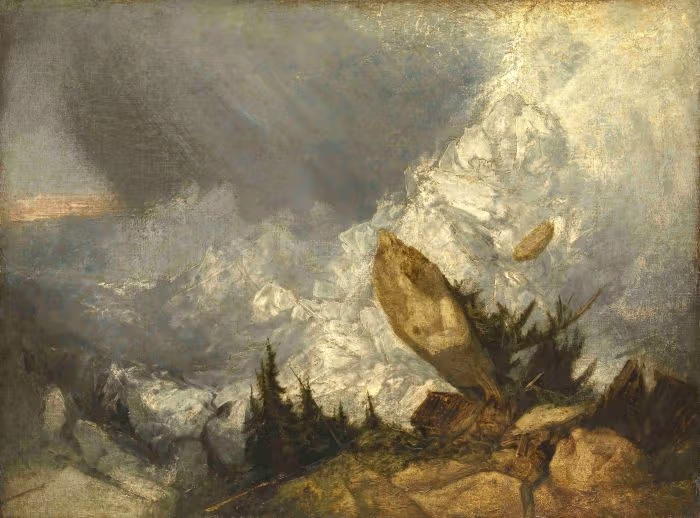
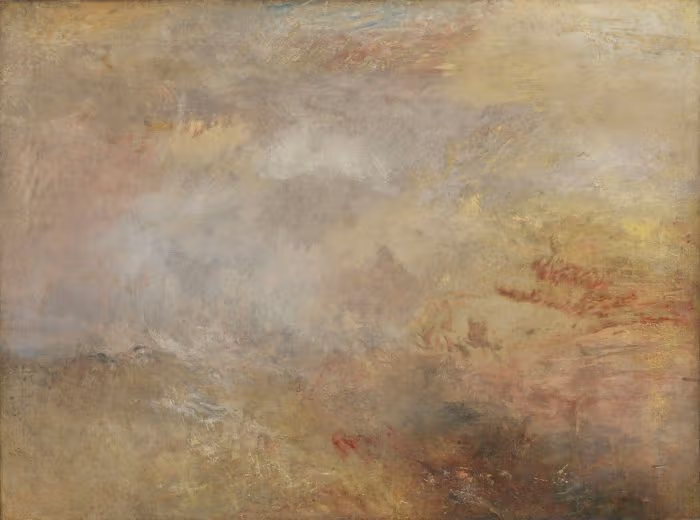
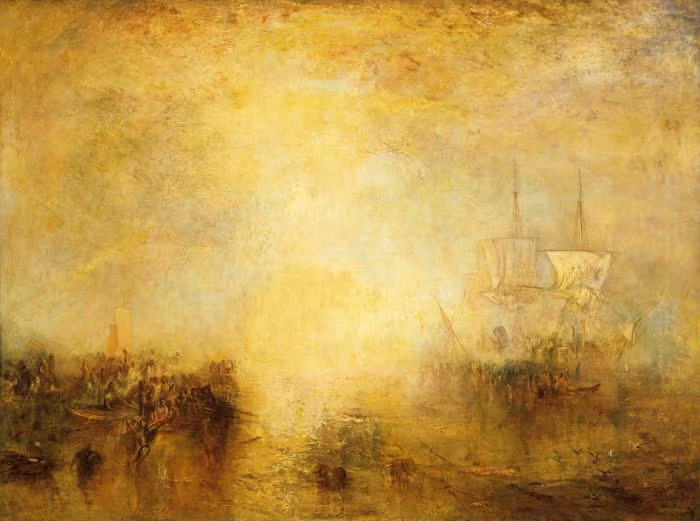
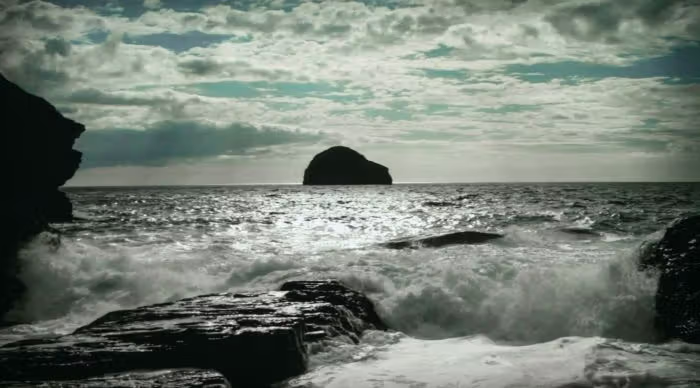
Among the museum’s highlighted works, An Avalanche in the Grisons, exhibited in 1810, uses falling rocks and mountainous terrain to diminish the human scale. Rough Sea with Dolphins, dating from around 1835–1840, makes the boundary between sea and sky uncertain. Turner’s whaling-ship painting, exhibited in 1846, adds labour and maritime activity within its luminous colour. Rather than immediately searching for a clear horizon, viewers can follow where forms dissolve and where colour builds them again.
Turner’s Rough Sea with Dolphins, around 1835–1840; Tate collection.Turner’s whaling-ship painting, exhibited in 1846.
Why Bring Glacier Photographs and Film Into a Painting Exhibition?
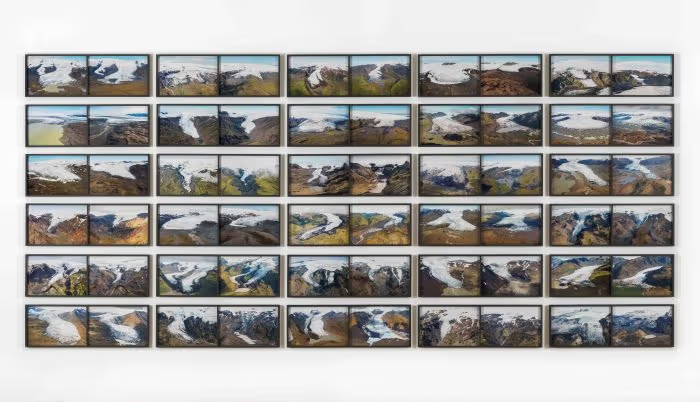
Turner is not the only voice in the galleries. Olafur Eliasson’s The glacier melt series 1999/2019, made in 2019, compares glaciers across different years in 30 pairs of photographs, turning landscape from a momentary impression into a record that can be compared through time. Alongside nineteenth-century images of nature, the question expands beyond how an artist represents atmosphere to how human activity changes the environment being represented. It is a concrete way of bringing history into the present.
Olafur Eliasson’s The glacier melt series 1999/2019, made in 2019, records change through 30 pairs of images.
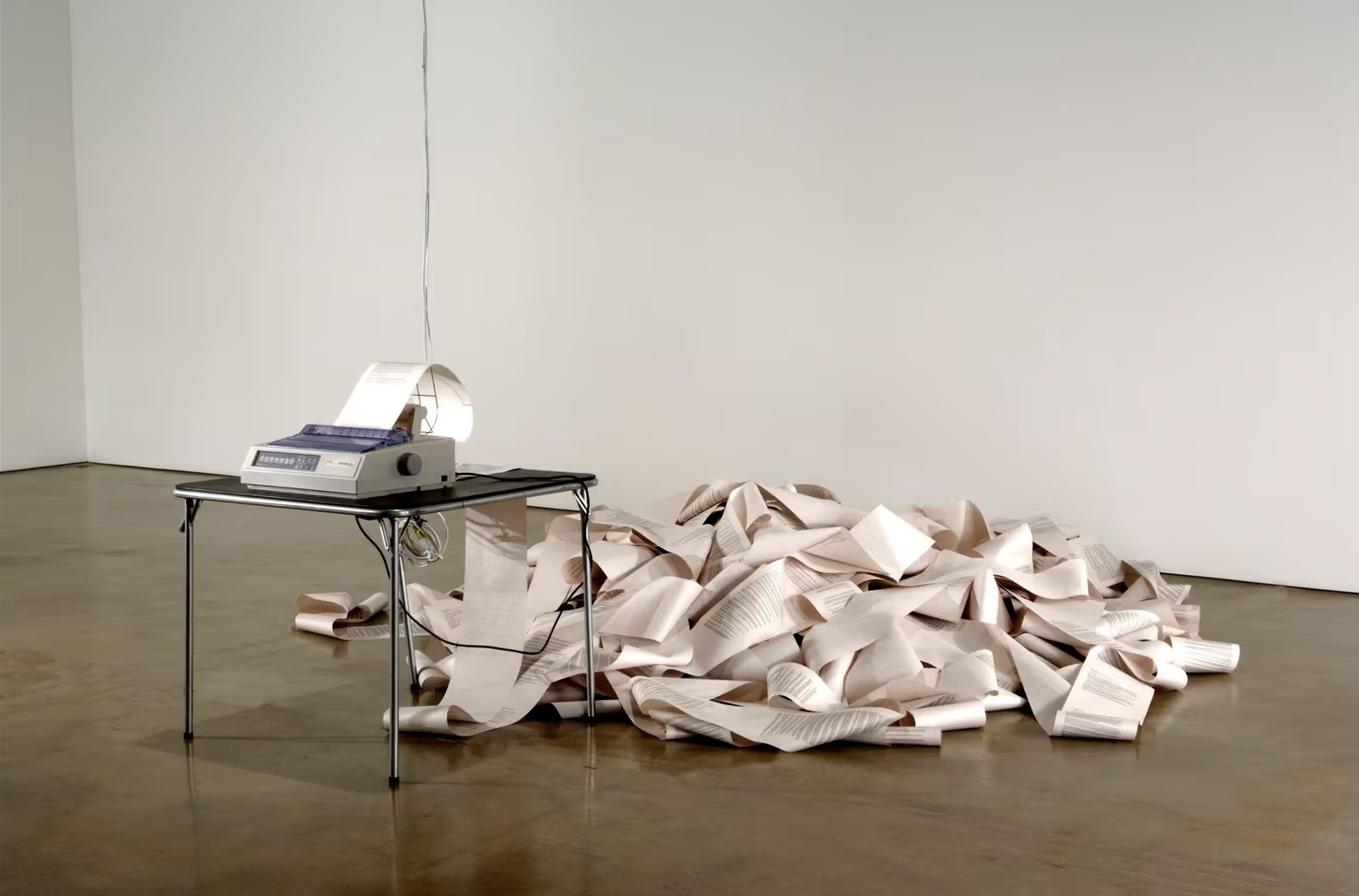
Another official highlight is The Otolith Group’s 2010 film Hydra Decapita, which extends maritime questions associated with Turner towards colonialism, the slave trade and contemporary structures of capital. This dialogue reminds viewers that the sea provides more than a romantic backdrop: landscape also carries human systems and violence. The exhibition additionally discusses Abstract Expressionism, but viewers need not rush to treat every late Turner as a preview of abstract art. His particular treatment of light, air and recognisable forms remains worth examining.
The Otolith Group’s Hydra Decapita, a film work from 2010.
Ueno Hours, Tickets and Free Student Admission
The museum is at 7-7 Ueno-koen, Taito-ku. Hours are 9:30–17:30, extended to 20:00 on Fridays and Saturdays, with last entry 30 minutes before closing. Mondays are generally closed, except November 23 and January 11, 2027; additional closures are November 24, December 28–January 1, and January 12. Visitors hoping to include the permanent collection should note that those galleries close from January 12 to February 21, 2027. This is separate from whether the special exhibition is open.
Current admission is JPY 2,400 for adults, JPY 1,500 for university students and JPY 1,100 for high-school students; junior-high students and younger enter free. University and high-school students also enter free with student ID from November 4 to 19, 2026. A regular exhibition ticket permits same-day access to the permanent collection, subject to its closure period above. Consult the museum’s official exhibition page for conditions and tickets. Allowing time for the dialogue between landscapes and contemporary works offers more than simply rushing to find one familiar masterpiece.