YOSHIROTTEN’s BEYOND EARTH opens at TOKYO NODE on October 30
The exhibition combines JAXA-linked data with three major bodies of work through January 11, 2027. The indoor galleries, daytime rooftop and free evening garden have different access arrangements.
YOSHIROTTEN is preparing to turn a Tokyo tower into a space for transmitting signals toward the unknown. Transmissions with the Beyond / BEYOND EARTH is scheduled for October 30, 2026 to January 11, 2027 at TOKYO NODE, spanning the 45th-floor galleries and 49th-floor rooftop of Toranomon Hills Station Tower. Across approximately 1,500 square metres, RGB, FUTURE NATURE and SUN meet new work developed with JAXA’s cooperation, all within an urban observation setting. As of October 25, the exhibition has not opened.
Turning observation data into art
Born in Kagoshima and head of creative studio YAR, YOSHIROTTEN has worked across graphics, music, fashion and fine art. Making the invisible visible remains a recurring concern. Here, a venue roughly 200 metres above ground provides the starting point for transforming data about space, Earth and the city into moving images, paintings and light. JAXA contributes research information, but the results pass through the artist’s selection and rearrangement. They should not be treated as unprocessed scientific observations.
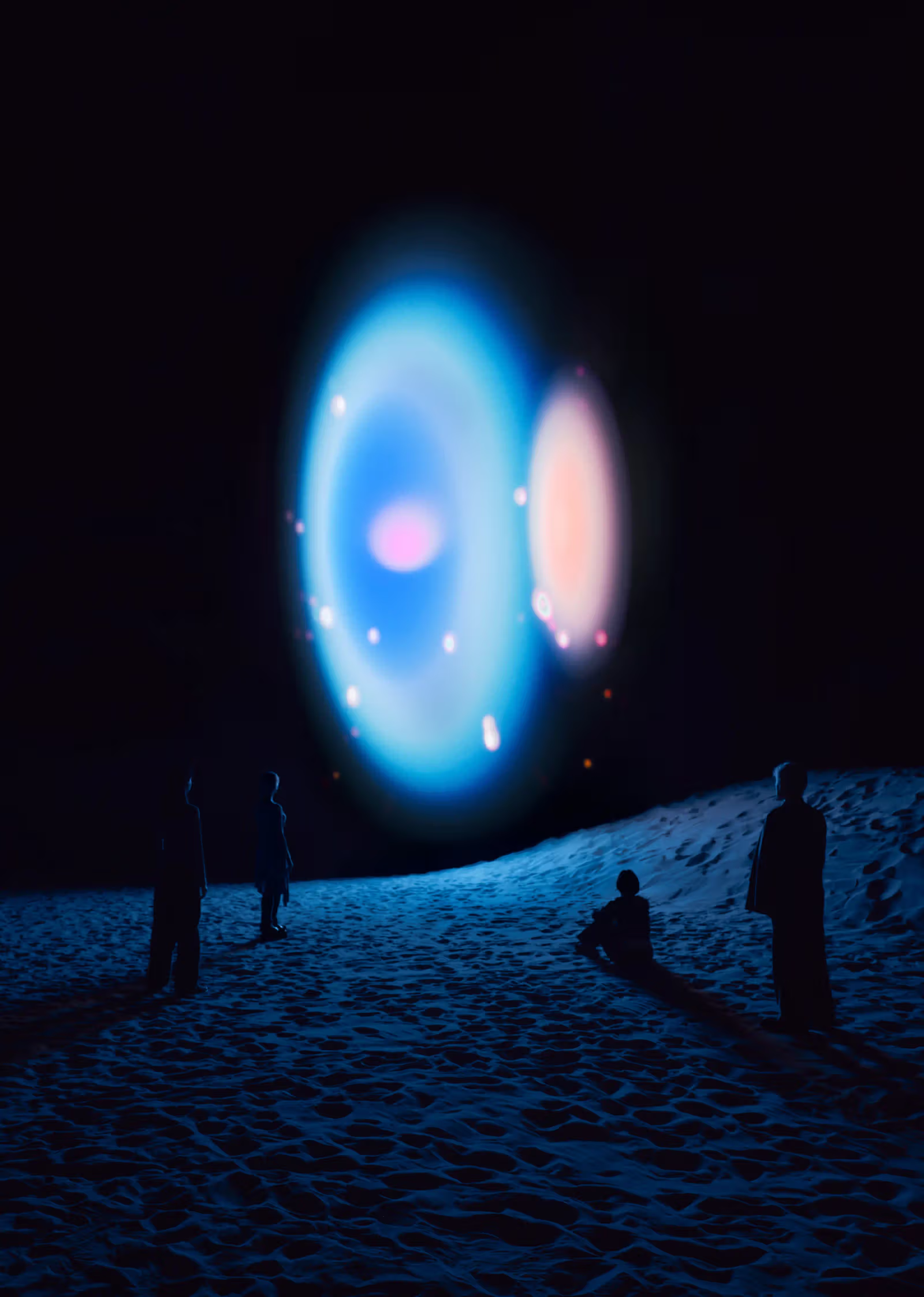
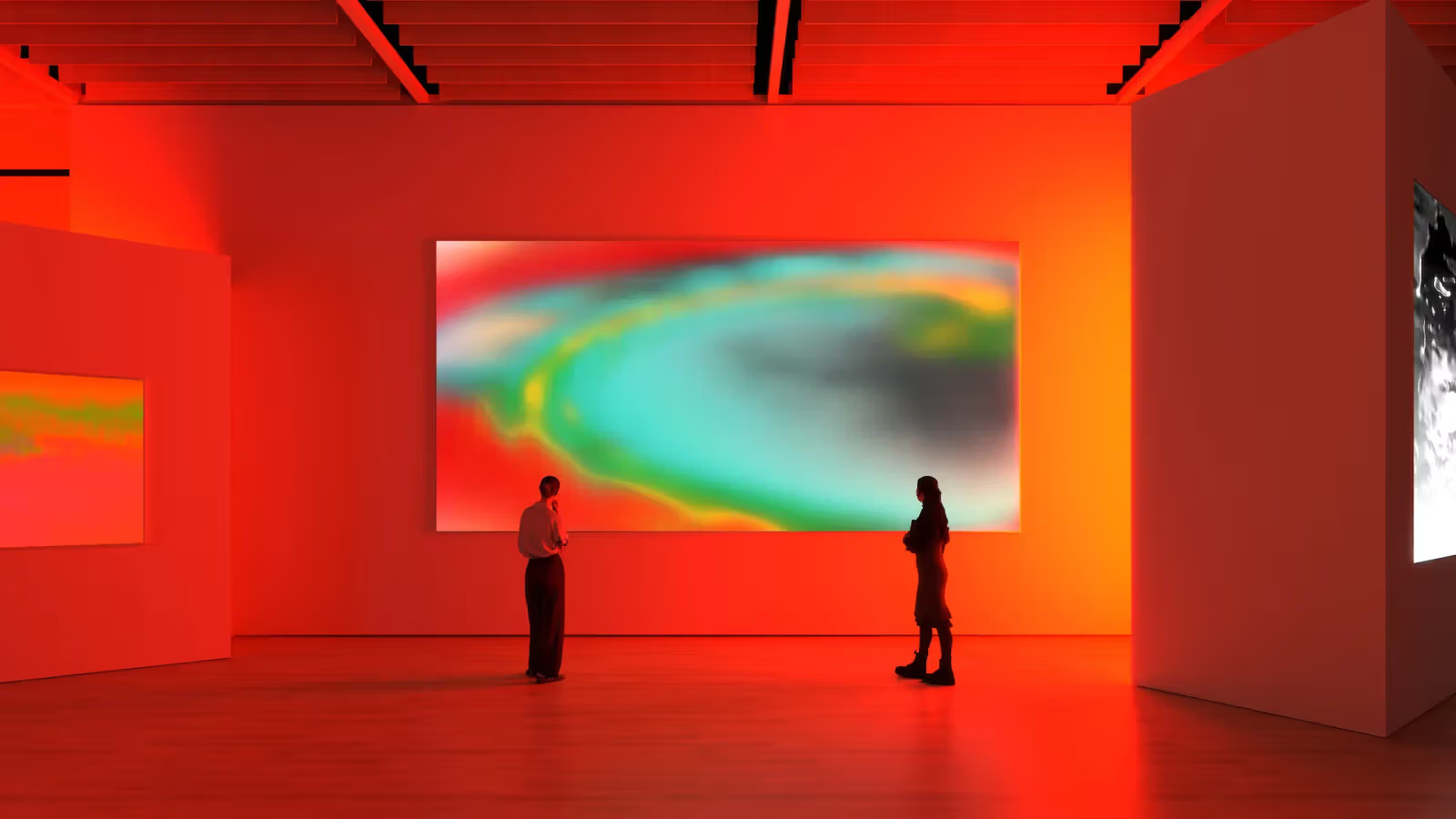
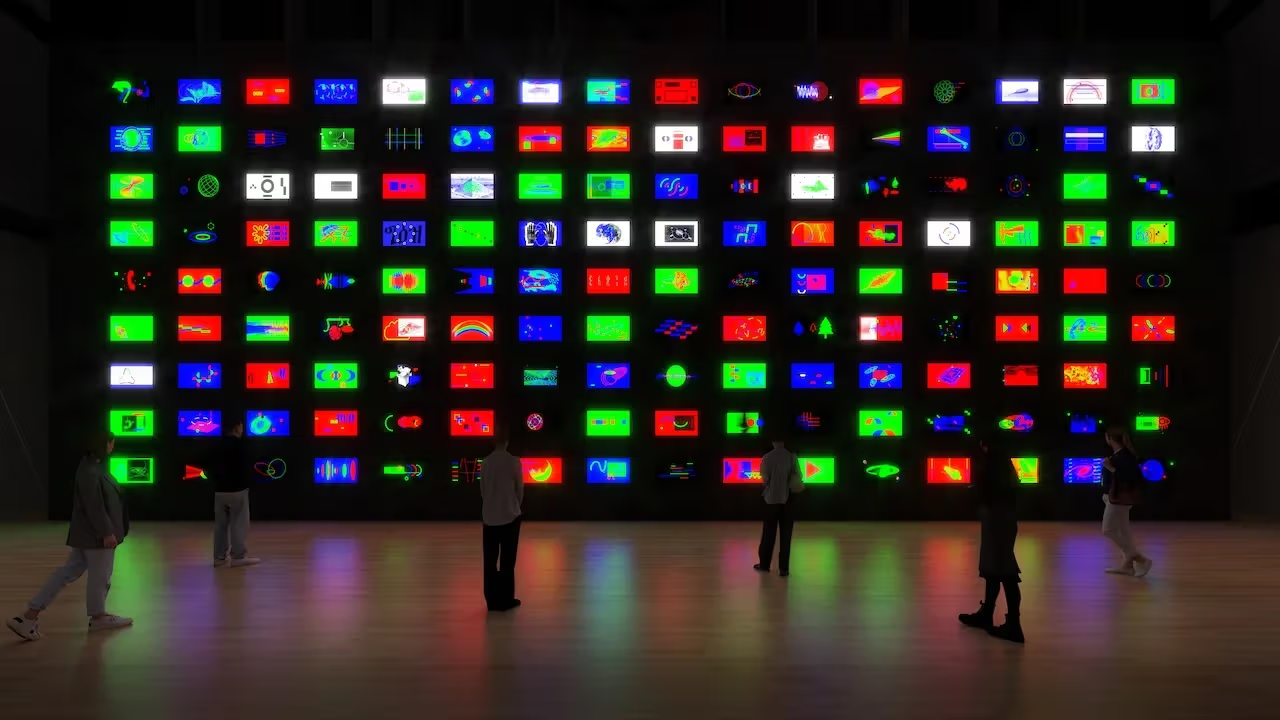
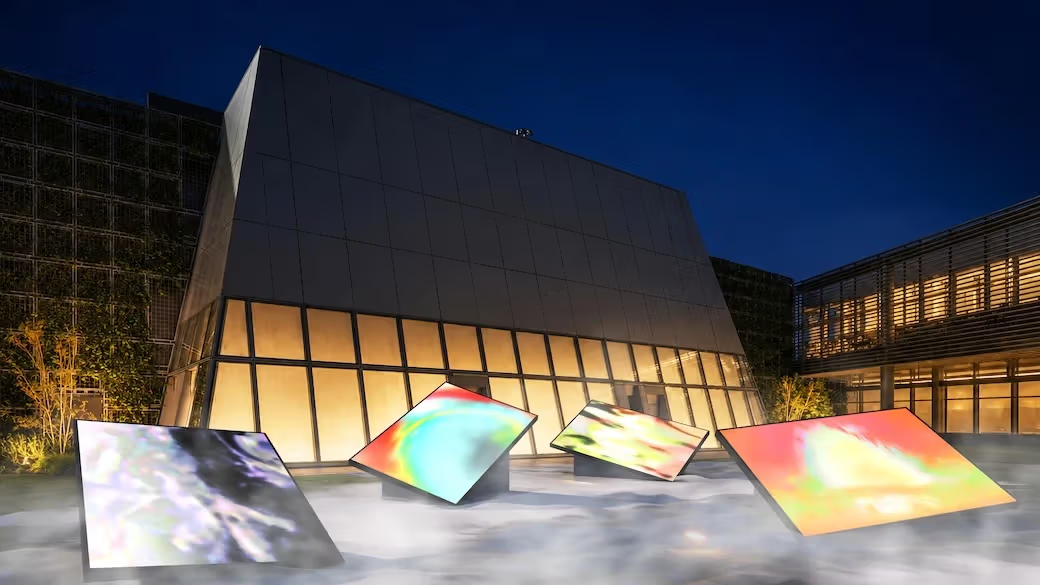
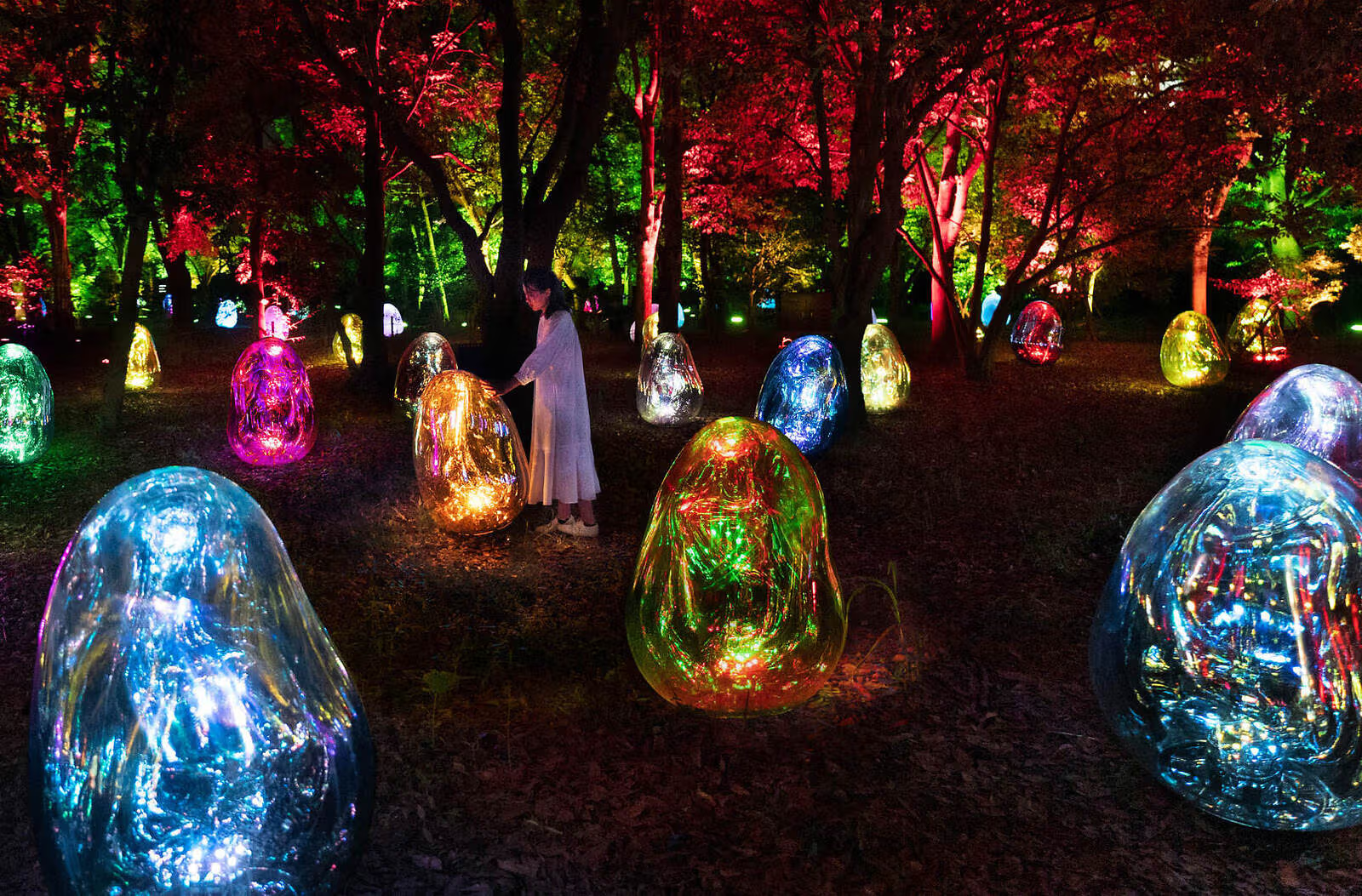
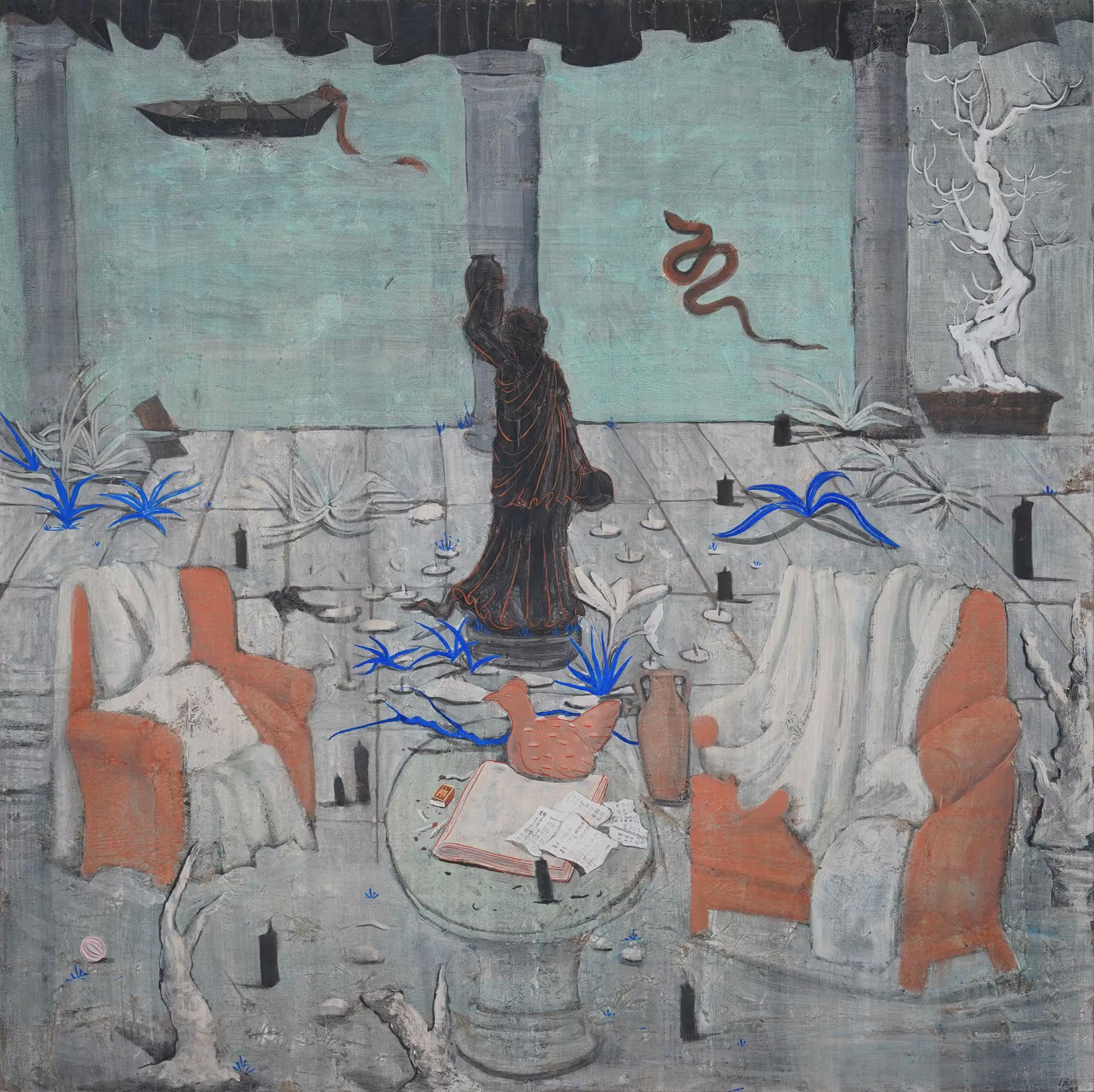
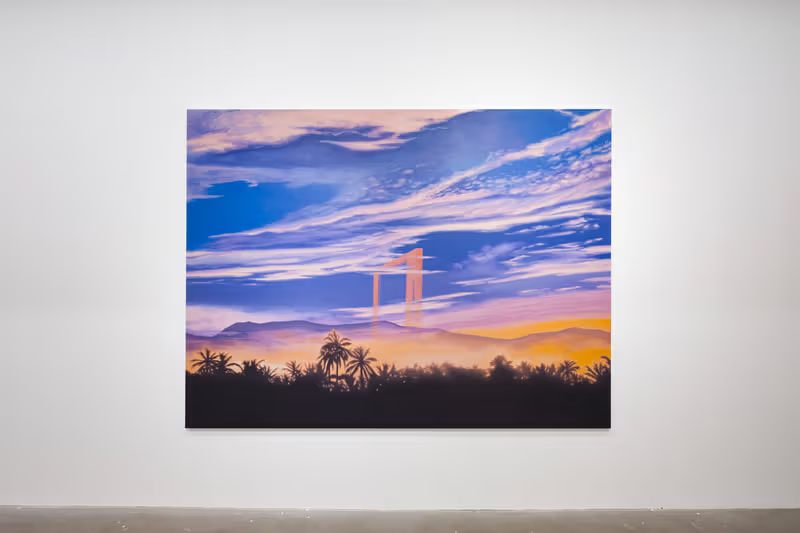
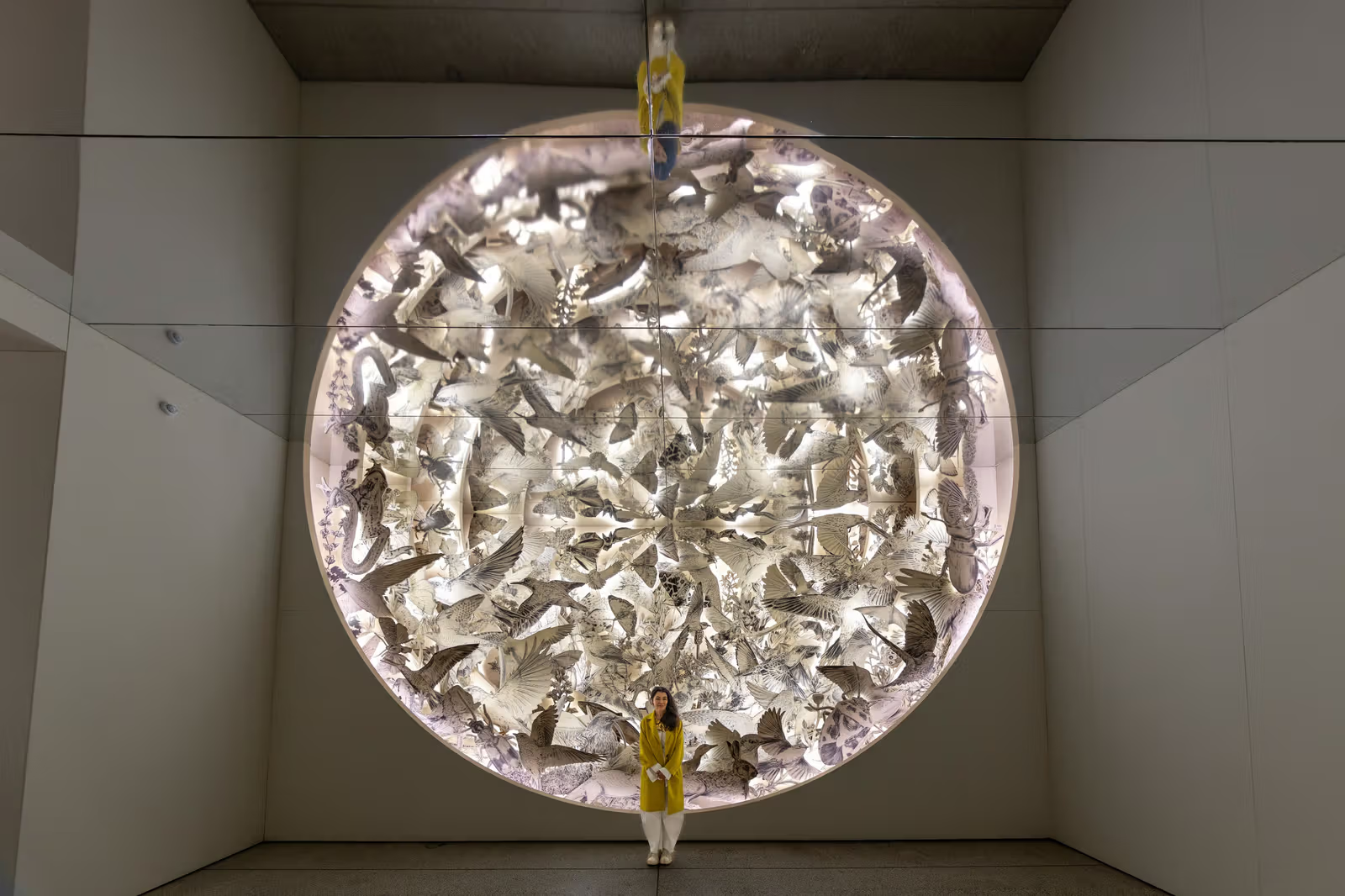
The official preview describes daylight, screens, neon and Tokyo’s nightscape interacting inside the venue, producing different conditions by day and night. The tower’s windows therefore supply more than a backdrop: the city’s own brightness enters the viewing experience. Luminous colour fields and arrays of monitors in the preview suggest a shifting scale between individual pictures and a larger environment. The supplied images are official artwork and spatial references, rather than our record of an opening visit.
An official spatial preview shows warm light and a large moving-image surface.An official artwork reference layers light through blurred colour.
Pokémon by day, Earth imagery after dark
The 49th-floor SKY GARDEN & POOL also hosts Pokémon Trading Card Game & YOSHIROTTEN Park, extending the artist’s collaboration marking the trading card game’s 30th anniversary. A standard ticket admits one person to both the main 45th-floor exhibition and the daytime rooftop. The daytime roof operates from 1pm to 5pm on weekdays and 10am to 5pm on weekends and Japanese holidays. Its hours differ from the indoor galleries, so the main exhibition’s late closing time does not apply to the entire visit.
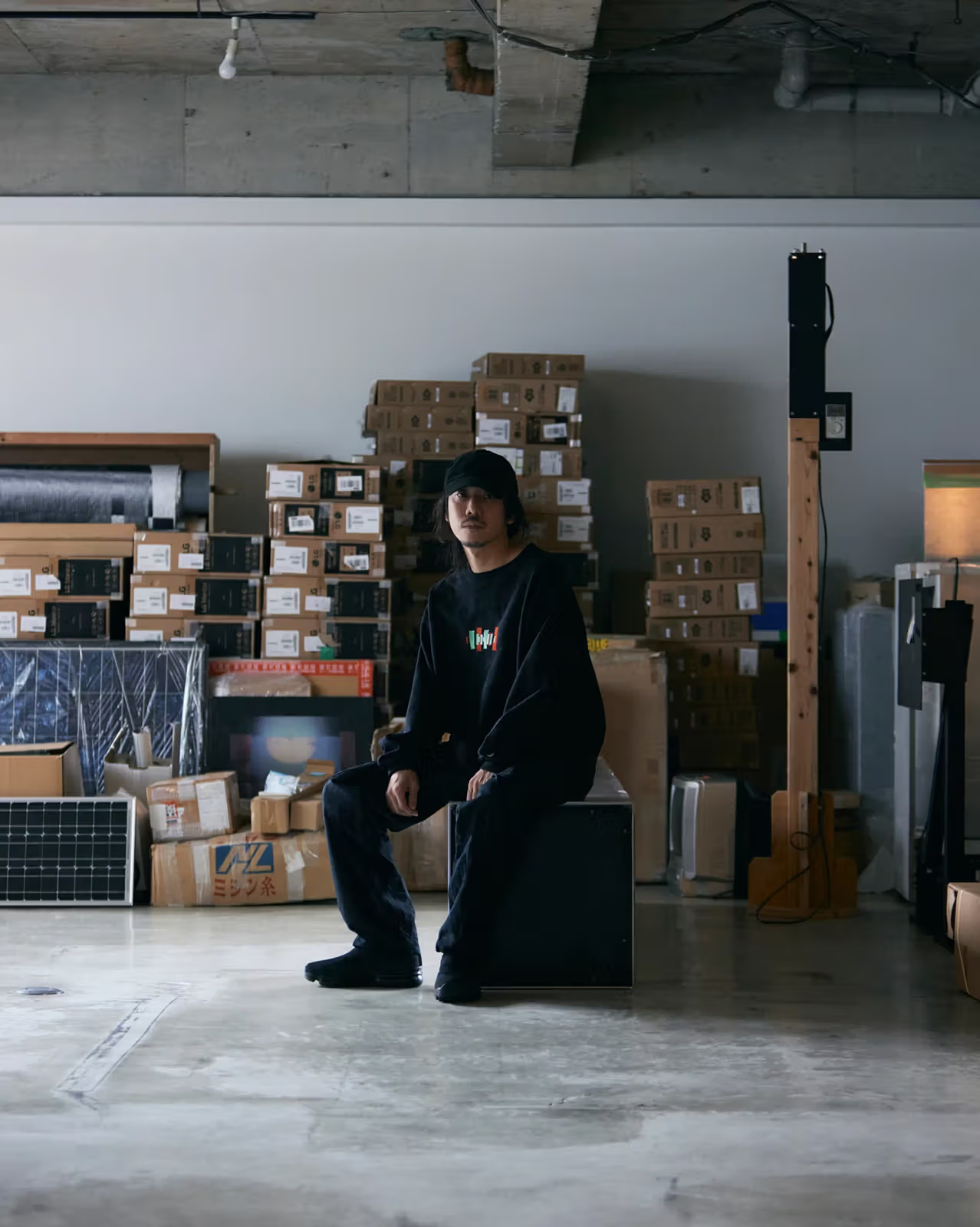
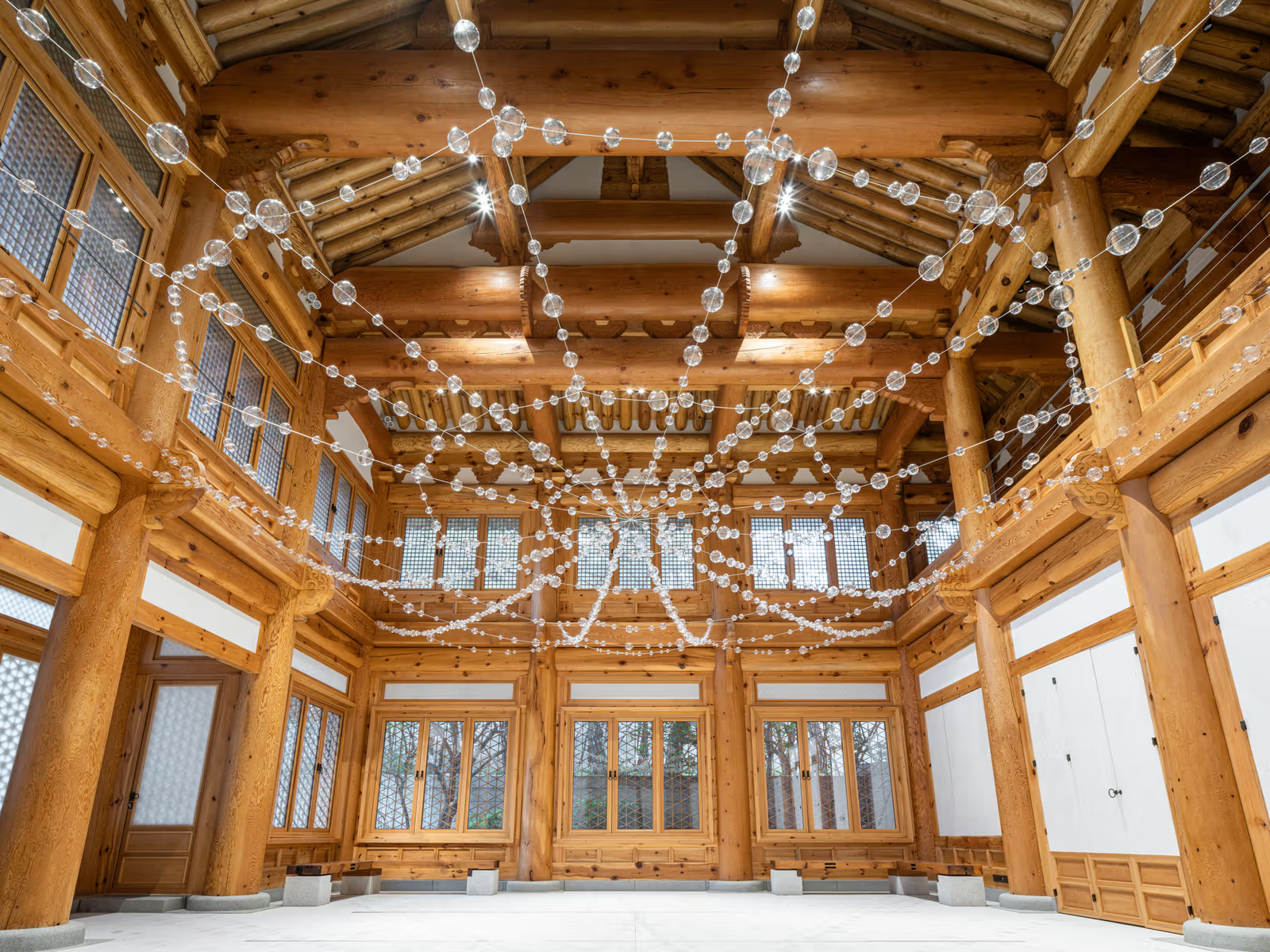
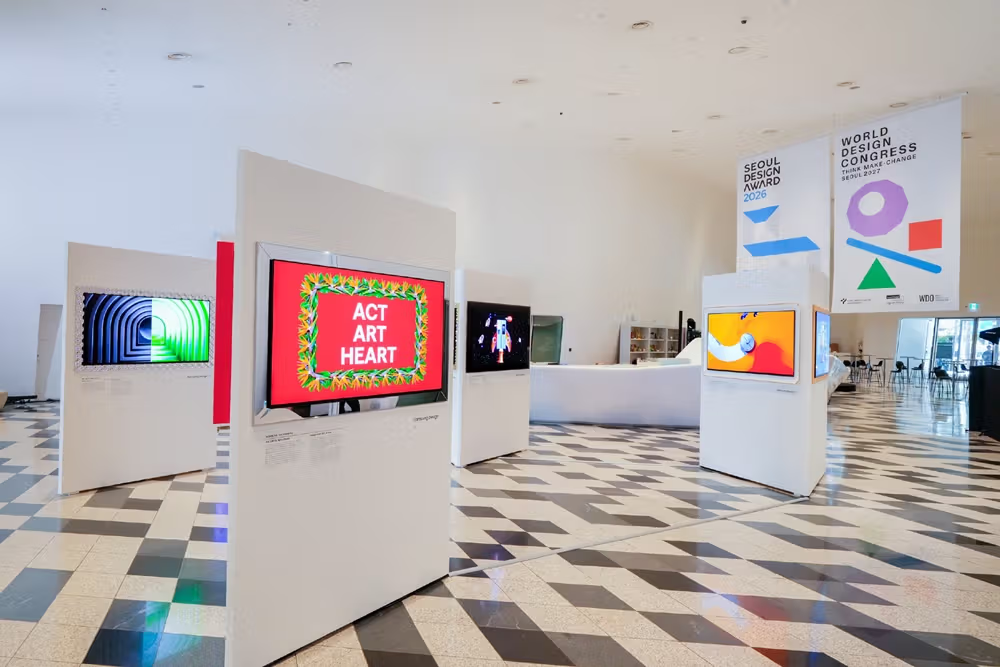
An array of monitors appears in the official exhibition preview.An official portrait of YOSHIROTTEN.
From 5:30pm to 10pm daily, the roof becomes the free BEYOND EARTH GARDEN. Developed from The Earth, the video installation extracts visual rhythms and colours from satellite photographs of Earth’s surface. Free access applies only to this evening rooftop project; it requires a separate online ticket and does not make the whole exhibition free. The official announcement says that booking access will be released separately. Weather and operational arrangements may also close the rooftop.
An official evening rooftop rendering; access remains weather-dependent.
Tickets and opening hours
Standard adult admission, including tax, is ¥2,200 on weekdays and ¥2,500 on weekends and Japanese holidays. The 45th-floor galleries open 1pm–10pm on weekdays, 10am–10pm on Saturdays, and 10am–8pm on Sundays and holidays, with last admission 30 minutes before closing. The venue is at 2-6-2 Toranomon, Minato-ku, Tokyo, accessible from Toranomon Hills or Toranomon stations. All hours are local to Japan, and the run crosses into a new year with varying opening-day conditions.
To combine the indoor exhibition, daytime roof and evening garden, plan around the 5pm and 5:30pm transitions, then consult TOKYO NODE’s exhibition site for current tickets and opening status. The compelling question is not simply whether the pictures resemble outer space. It is how information beyond direct perception becomes an experience through colour, space and time—a distinction that separates this project from a straightforward projection of astronomical photographs.