Design House Opens Mak in Seoul on October 27, Turning Offices into an Exhibition
Eighteen teams and 26 creators rethink materials, furniture and everyday spaces for the 50th anniversary. The Jangchung-dong exhibition runs on weekdays through November 25.
Design House is turning its magazine-making and meeting spaces in Seoul’s Jangchung-dong into an exhibition for its 50th anniversary. Mak, Creative! opens to the public from October 27 through November 25, bringing furniture, graphics, space, craft and food into the building through 18 teams and 26 creators. October 26 is a media day: news of the opening does not mean general visitors can walk in today. A Seoul design walk should follow the weekday visiting schedule beginning on the 27th.
Mak is an attitude towards making, rather than a single look
The Korean word 막 appears in expressions associated with makgeolli rice wine, makguksu buckwheat noodles and everyday rustic bowls. The exhibition draws on a willingness to begin before everything is perfect, mix materials and try again, without equating roughness with carelessness. For visitors familiar with polished brand exhibitions, it offers another question: where does a work’s order come from, and can failure, leftovers and intuition also become design methods?
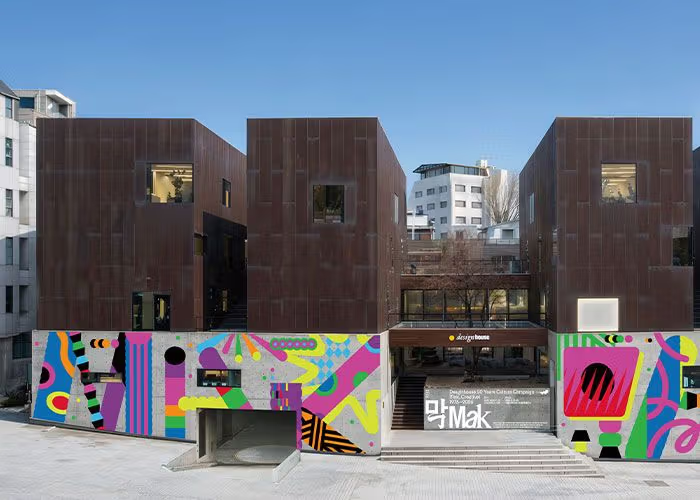
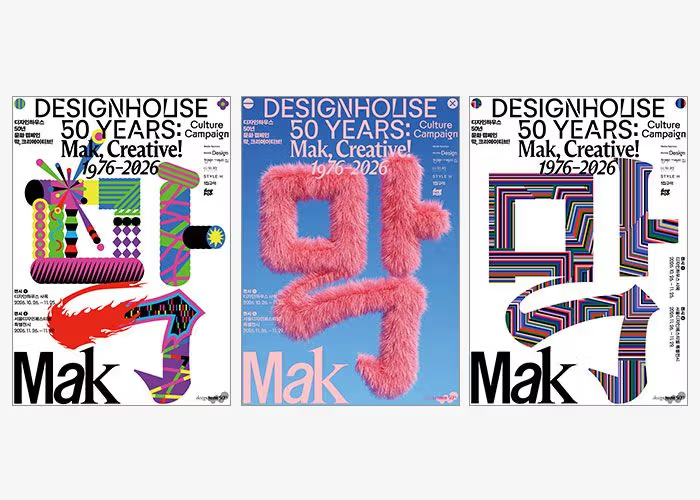
Graphic studio Everyday Practice combines different shapes, textures and colours into the character 막, extending it into three posters, a logo and a facade design. Pink furry lettering, interwoven coloured lines and freely assembled geometry make inconsistency a visual theme instead of imposing the same style on every work. The English Mak logotype combines serif and sans-serif forms, bringing tradition and the contemporary into one identity system.
Official facade-design publicity image, using colourful graphics and Mak lettering for the anniversary.Three event posters by Everyday Practice explore Mak through geometry, pink fur and coloured lines.
Moving from office to exhibition changes materials and uses
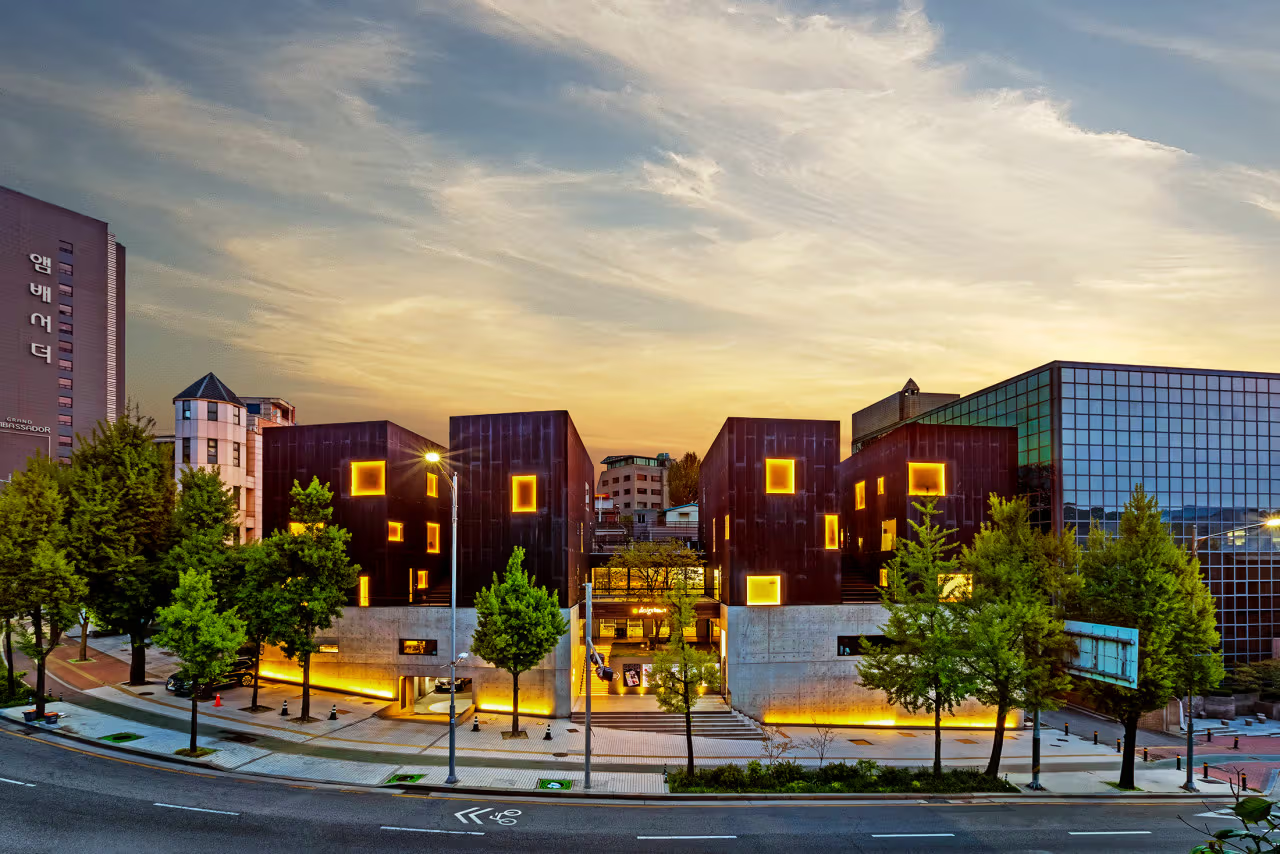
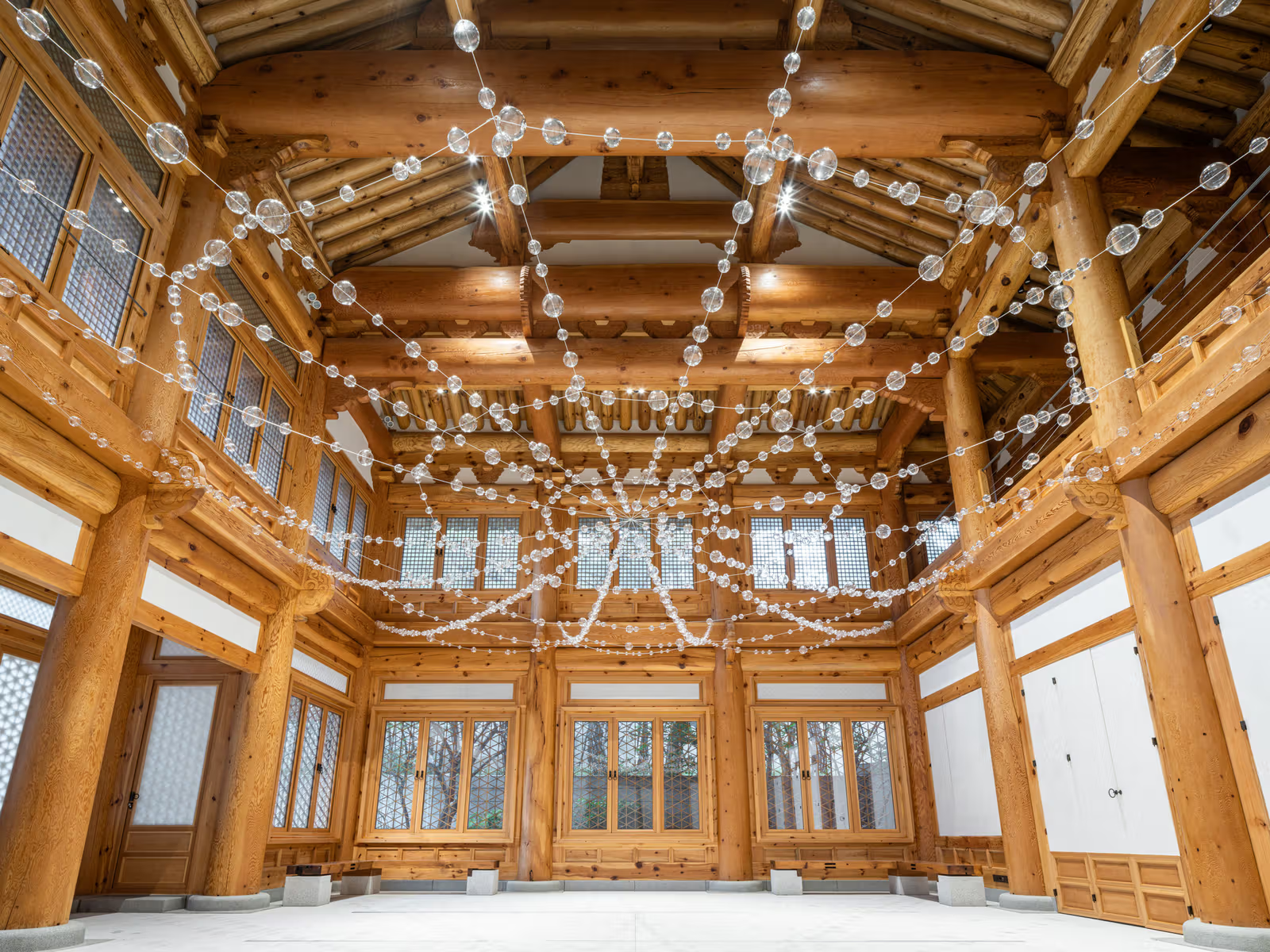
The headquarters designed by Seung H-Sang is itself part of the experience. Seventeen spaces, including the entrance, garden, meeting rooms and cafe areas, form the route, rather than a separate white cube. Moving through rooms previously used for work lets visitors consider how objects relate to existing windows, corridors and proportions. It provides a way to understand the reuse of everyday space beyond viewing individual finished products.
Participant Park Kiljong recombines three discarded cafe tables with materials left over from earlier projects, and brings a bicycle-rack sketch into physical form. Baek Jonghwan starts from a traditional four-sided shelving table and changes its supports and structure, asking how three- and five-sided versions create different balances. These examples place experimentation in identifiable materials and construction, making reuse and transformation more concrete than a slogan.
Clothing scraps, street culture and food bring design back to the body
Kim Eunha turns used clothes and fabric offcuts into a contemporary birthday banquet, reimagining traditional sweets and cakes as textile objects. Choi Joongho brings new furniture, speakers of his own design, graphics and street-inspired details into one space. Both approaches connect looking with lived experience: memories carried by clothes, sitting down and listening to music can link back to craft, form and material without requiring a complete knowledge of design history.
The venue is at 272 Dongho-ro, Jung-gu, Seoul, open weekdays from 10:00 to 18:00 and closed Saturdays and Sundays. Reservations are available through Naver Booking. The transformation of a working environment is part of the exhibition, so a usual weekend museum routine will not fit. Visitors interested in graphics, furniture and architecture can plan around the opening days, then compare how the same Mak theme becomes different scales, surfaces and uses in different hands.