The streets of Las Vegas are about to see a lot more taxis with nobody gripping the wheel. On August 20, the Nevada Transportation Authority approved operating permits for Tesla, Waymo, and Uber's "Autonomous Vehicle Network Company" designation, allowing all three to start charging passengers for rides in Clark County (which covers Las Vegas) — not just offering free test rides.
Of the three permits, Tesla's numbers stand out the most. According to Tesla investor Sawyer Merritt's account after the meeting, Tesla can deploy up to 5,000 robotaxis across Nevada within the next 12 months — and it's not limited to Clark County either. As long as Tesla notifies regulators about expanding its service area, it can roll out statewide. That said, in the same Q&A session, Tesla itself tempered expectations quite a bit: officials said the 5,000 figure is just the approved ceiling, and if the company can actually get 2,500 vehicles operating on the road by 2027, it would already be "extremely happy."
Safety protocols were also a key focus of this review. Tesla says it's working with law enforcement to produce a five-minute demonstration video, giving first responders a clear procedure to follow when handling emergencies involving self-driving vehicles.
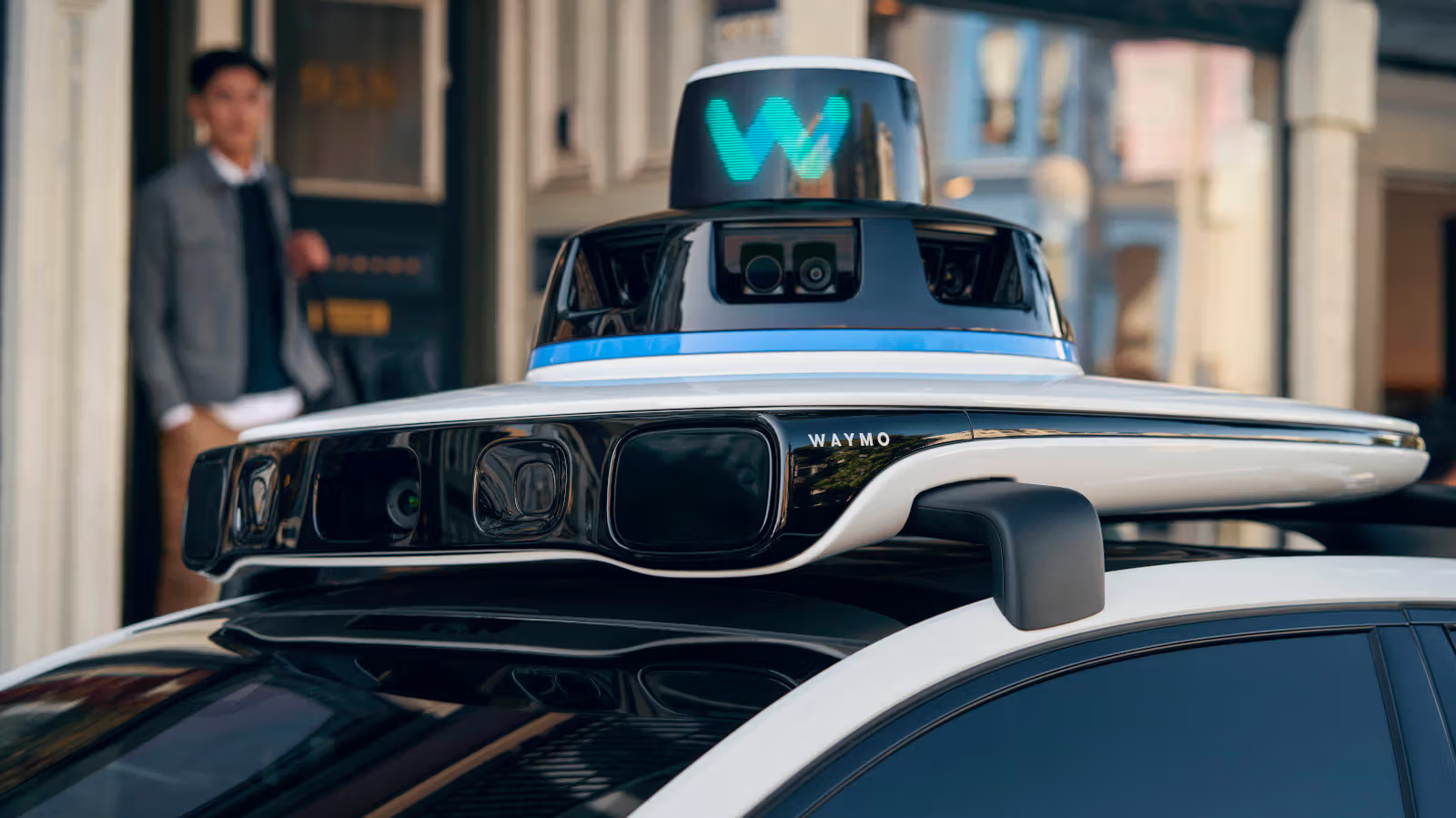
By comparison, Waymo and Uber are taking a more conservative approach. Waymo has been approved to deploy 1,000 robotaxis locally over the next year — though the company has actually been running fully driverless vehicles in Las Vegas since this past July, meaning this new permit simply adds paid-ride authorization. Sarfraz Maredia, Uber's global head of autonomous mobility and delivery, announced that Uber has also secured approval for paid rides, allowing it to deploy 1,000 robotaxis in Clark County, with the actual fleet operations handled by Amazon-owned Zoox and Hyundai-owned Motional.
Same day, same county, yet three wildly different numbers and ambitions: Tesla is painting the biggest picture with statewide expansion, Waymo is simply continuing its existing driverless rollout, and Uber is outsourcing its fleet to two external self-driving brands. As for exactly how many vehicles will actually hit the road and when passengers can start hailing rides, neither Nevada officials nor any of the three companies have announced a clear timeline yet.