One Battery, Split in Two: Nimble SharePower Means No More Fighting Over the Same Power Bank
The Nimble SharePower is a 10,000mAh power bank that splits into two standalone 5,000mAh batteries. Engadget put it to the test and gave it an 8.6 rating.
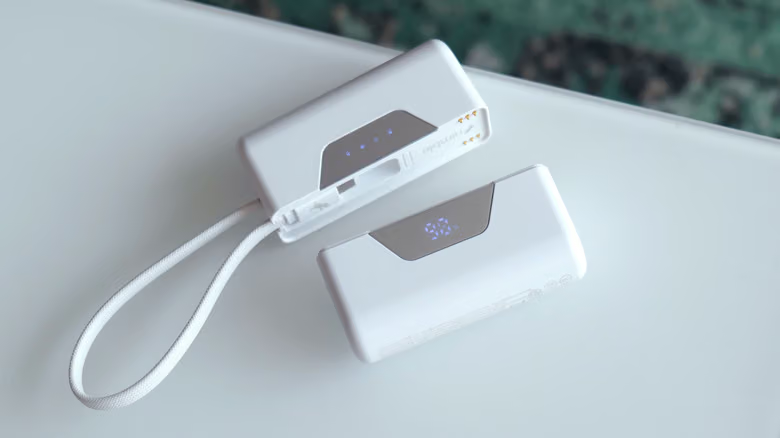
The most awkward power bank scenario isn't running out of juice—it's two people running out of juice at the same time with only one battery between them. Nimble built a power bank specifically for this situation: SharePower, which the company calls the world's first shareable battery pack. With a simple twist of both hands, a single 10,000mAh cell splits into two independent 5,000mAh power sources.
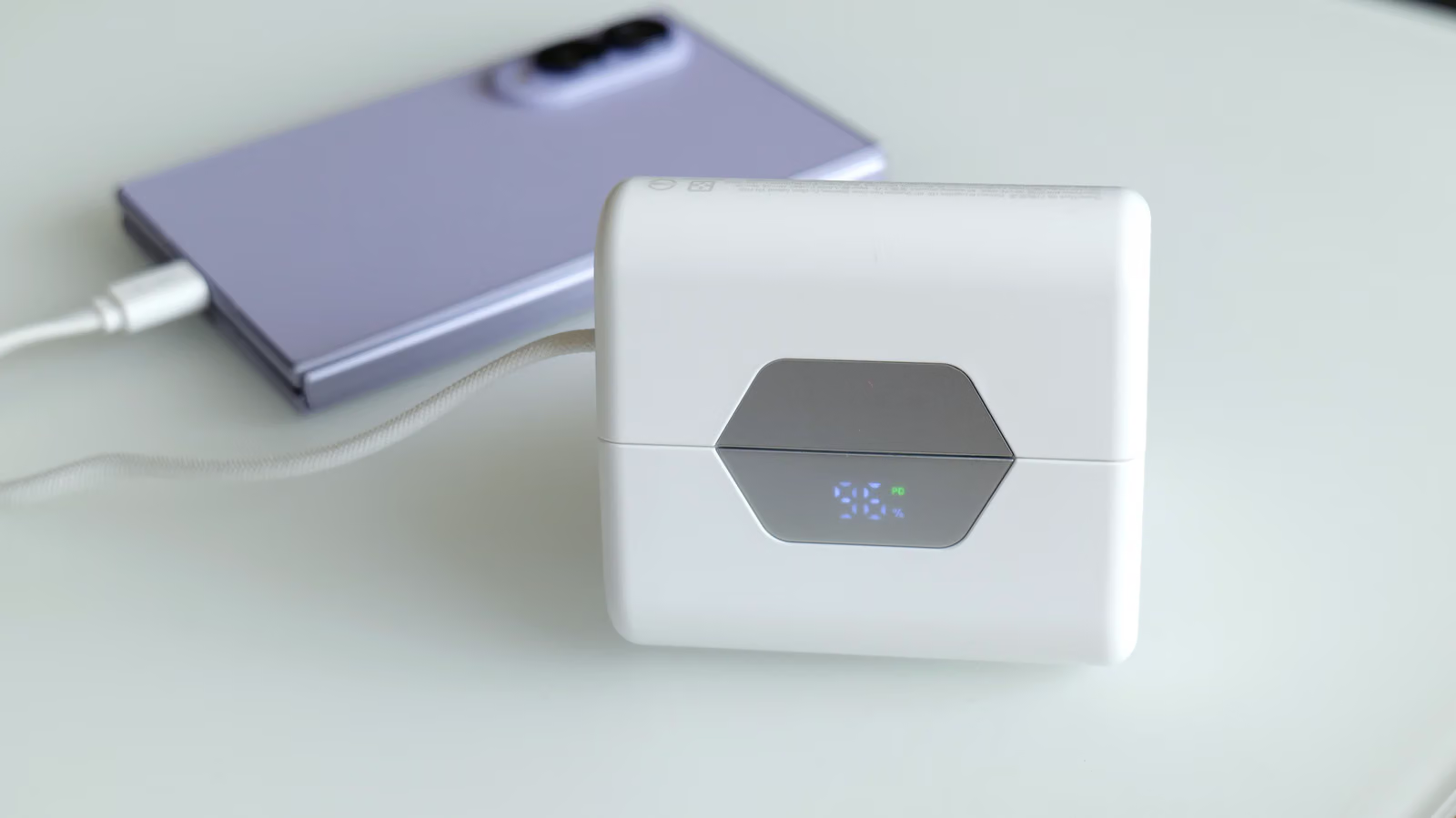
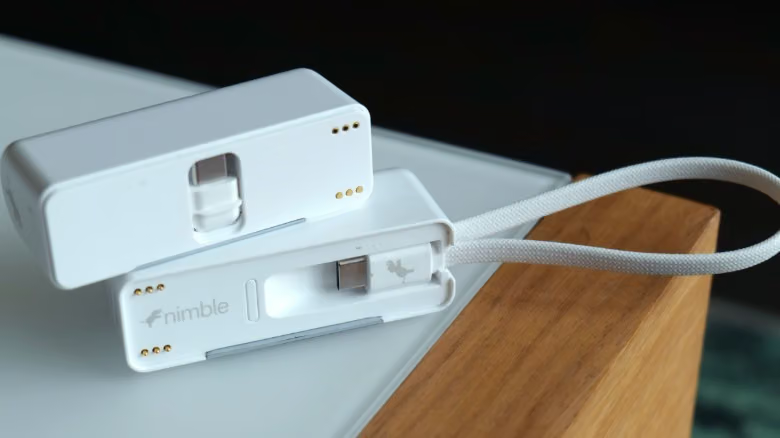
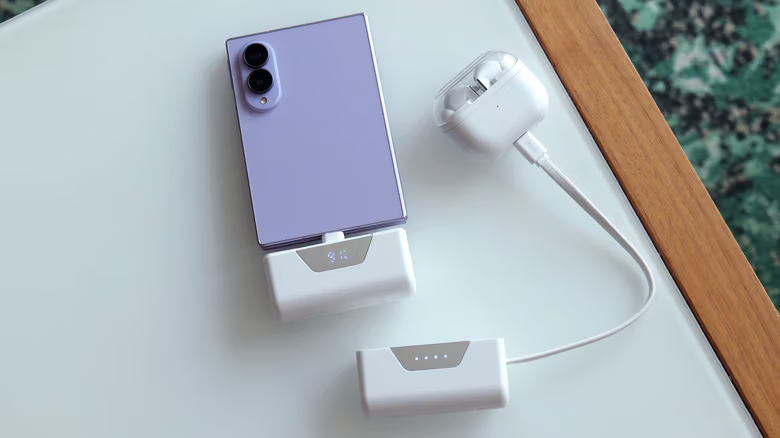
The casing is made of recycled plastic, measuring roughly 3.1 x 2.8 x 1 inches and weighing 7.6 ounces—about the size and weight of a deck of cards. There's a hexagonal decorative panel on the body, and pressing the side button turns it into a digital battery display. The real trick happens the moment you pull it apart: the two halves are held together magnetically, with a hidden USB-C cable tucked inside that doubles as a carrying strap. The built-in cable can charge devices directly, and a spare cable is included in the box.
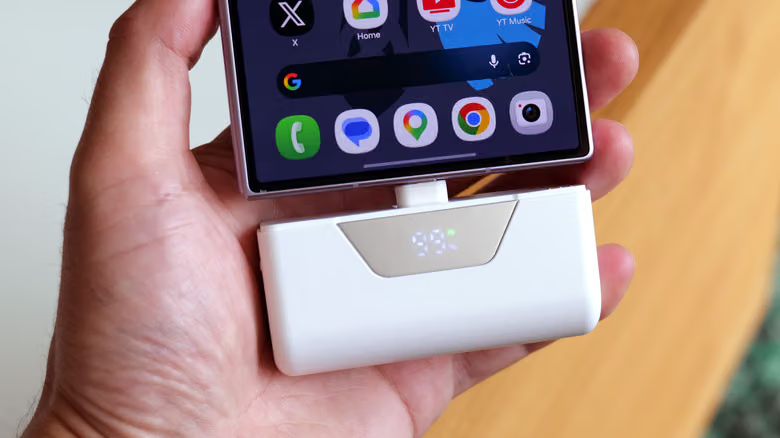
Pressing the internal button on one side lights up four indicator lights showing battery level—less precise than the digital display on the other side, but enough to give a rough estimate. The other side features a flip-up USB-C connector that can plug directly into the bottom of a phone or tablet for charging without needing an extra cable.
Engadget reviewer Sam Rutherford pointed out two minor flaws: the magnetic connection is a bit weak, so holding one half in one hand and shaking it slightly could cause the other half to detach; and the built-in cable itself uses a "captive cable" design he's not fond of, raising concerns about wear and tear if it's actually used as a strap, plus difficulty repairing it.
35W Combined, 20W Each When Split
When fully assembled, SharePower holds a 10,000mAh capacity, with its three USB-C ports delivering a combined max output of 35 watts. Once split into two halves, each side holds 5,000mAh and can independently output up to 20 watts. Hidden pogo pin contacts at the connection point automatically balance the charge when the halves are reattached, ensuring both sides have equal power the next time they're separated—so nobody ends up with the weaker half.
That 35-watt total output, however, only applies when charging two devices simultaneously. Using a USB-C power meter, Sam Rutherford found that charging just one device tops out at 20 watts. That means charging two devices at once won't slow things down noticeably, but the trade-off is you can't hit the full 35 watts when using it solo. SharePower doesn't support wireless charging, which the review considers a necessary compromise for the split design.
The review notes that third-party accessories getting listed on Apple's official accessories page has long been seen as a kind of unofficial stamp of approval, and SharePower has made the cut. It can charge up to three devices simultaneously, with dual battery displays letting users keep track of remaining power at all times. Once split, each half can charge roughly one modern smartphone to full, or bring a Switch 2 close to a full charge. The article doesn't mention pricing or release information.