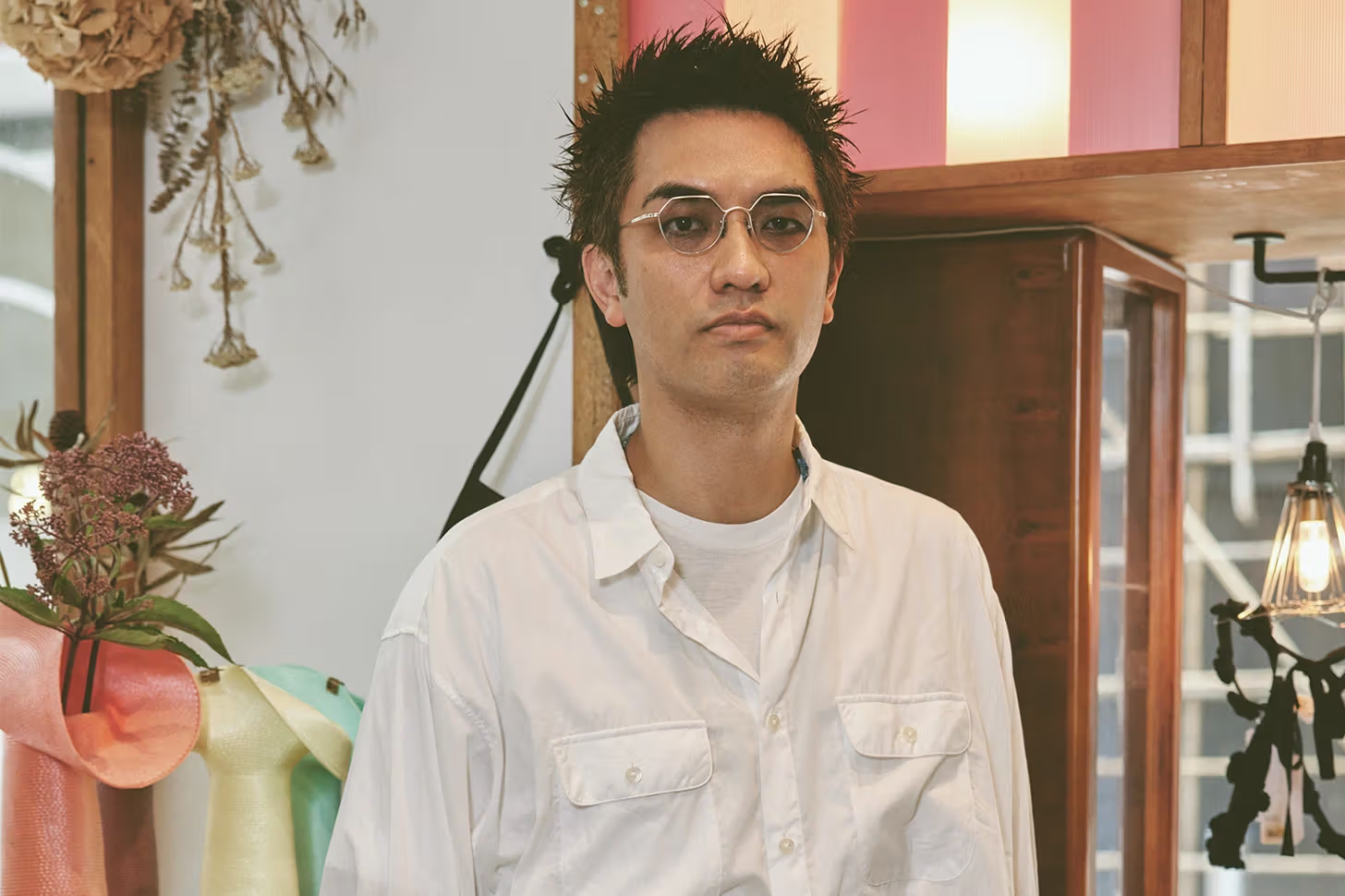
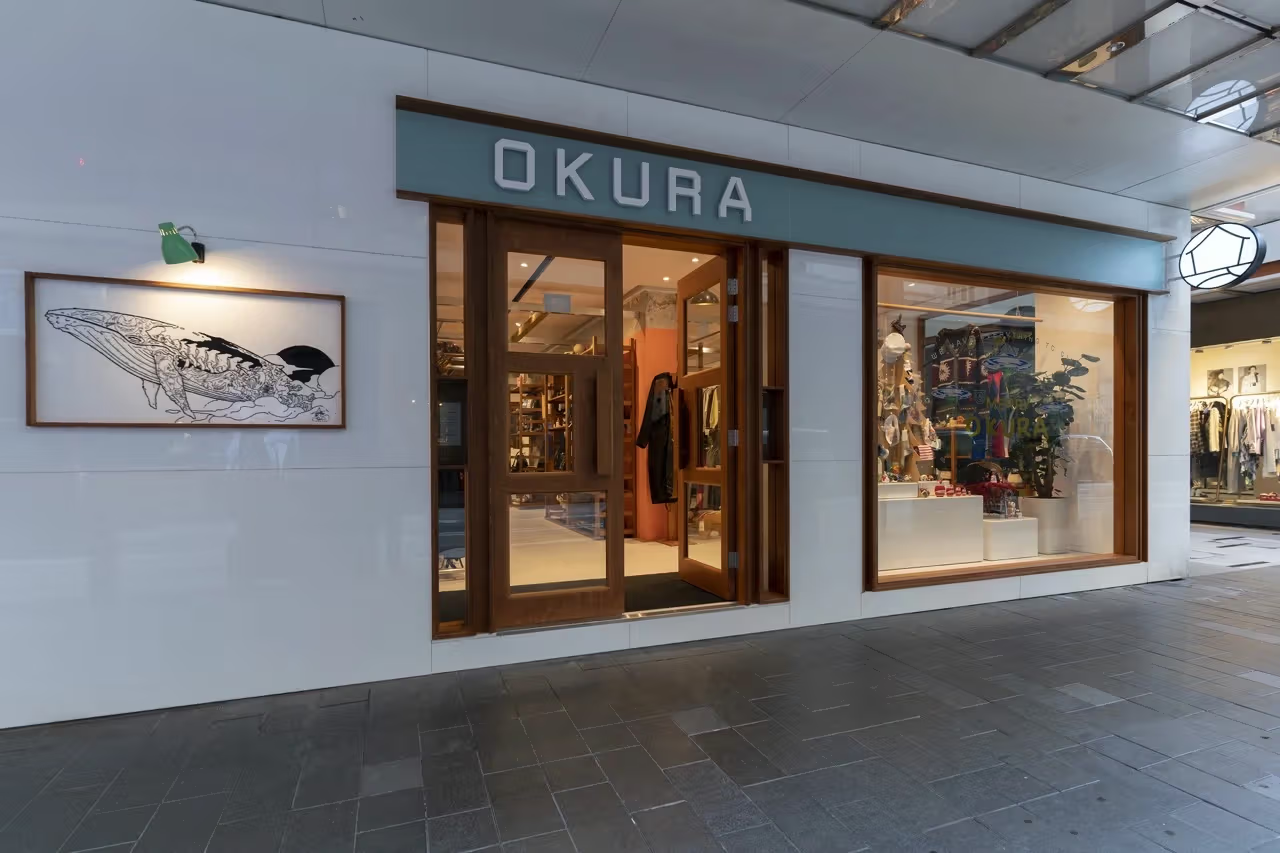
Hong Kong select shop OKURA has reached its tenth year. In a recent interview, founder Frankie describes its name through the idea of a treasure house. The point is not merely an abundance of products, but whether visitors can discover labels they did not previously know. Its physical space on Paterson Street in Causeway Bay, together with more recent additions of Hong Kong design, offers a case study in how independent retail establishes its own pace.
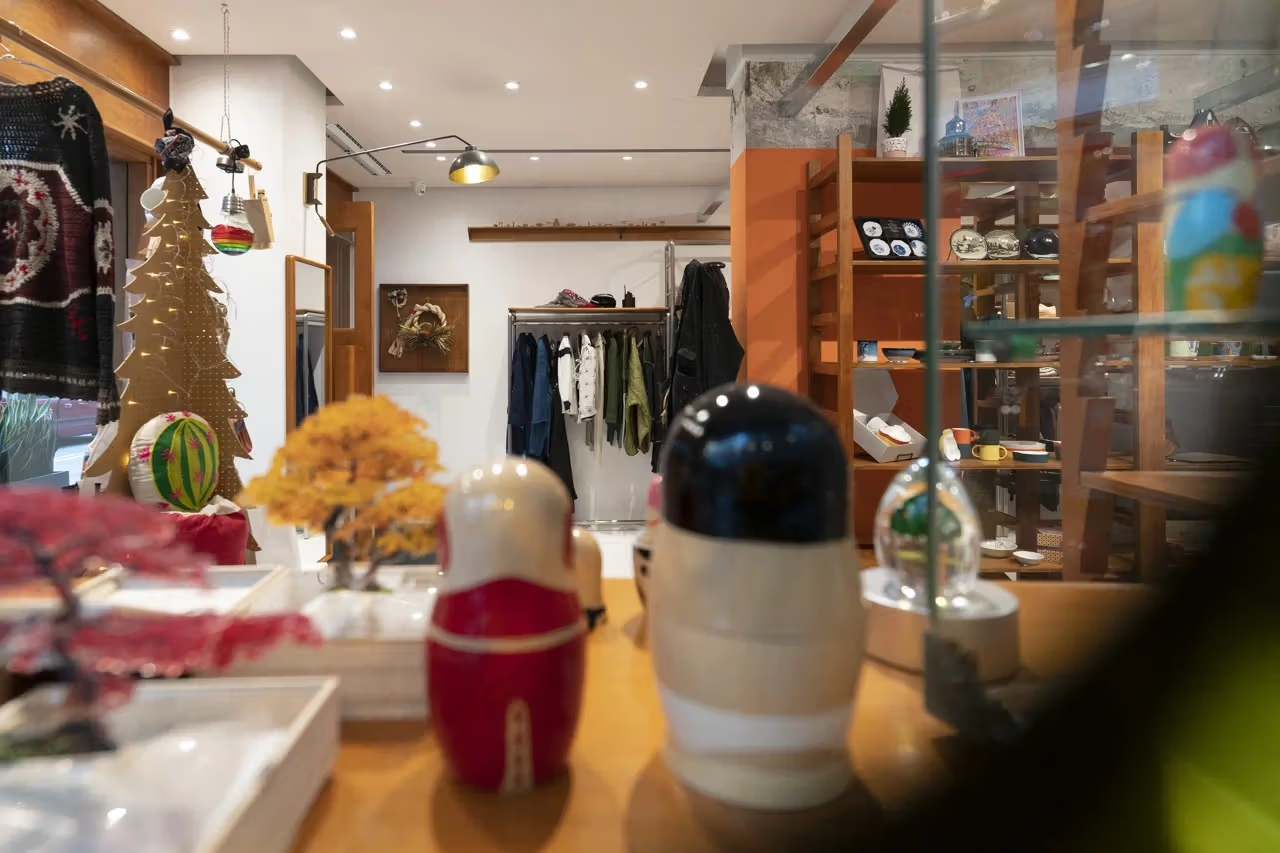
Everyday objects join clothing in the setting of the select shop.
What pace does a treasure house need?
Frankie chose Paterson Street because its cluster of independent shops suited people exploring Japanese fashion. He regards selection as a way of introducing stories and details, rather than simply following names that are already popular. Visitors can accordingly begin with an unfamiliar garment, looking at its fabric, cut and label before deciding whether to remember the brand.
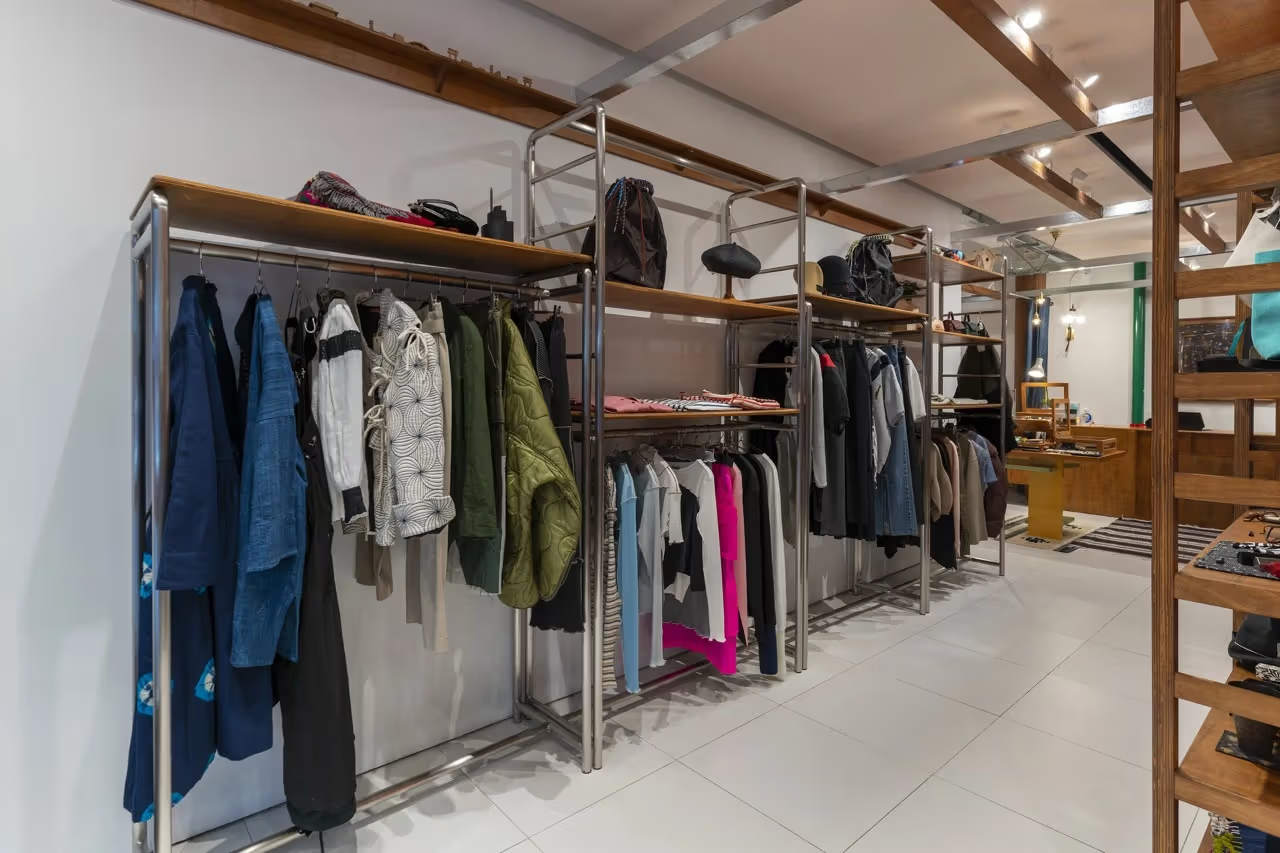
In a physical shop, information extends beyond a frontal image on a screen. A garment hanging on a rail reveals thickness; lifting it reveals weight; turning it around reveals another silhouette. Selection adds this step to a product catalogue. Putting different labels in one space makes materials, proportions and colours directly comparable, without having to reset the scale of observation each time.
Do pop-ups and street shops serve the same purpose?
OKURA previously ran a pop-up at K11 MUSEA. Looking back, Frankie felt that a major mall’s fast-moving traffic did not necessarily suit his approach of explaining each item in detail. This is his assessment of his own business, rather than a rule about all malls and independent brands. It points to a specific distinction: visitor numbers and the time available for a conversation are different operating conditions.
Shoppers can use that distinction to plan a visit. A quick stop can be efficient when checking the size of an already familiar product. Getting to know an unfamiliar designer takes longer. When a member of staff can explain a seam, a fabric or a choice of fit, shopping becomes a process of understanding clothing as well as completing a purchase.
Rails, shelves and a display table organise clothing inside.
Why does the selection change after ten years?
Frankie says his preferences have changed with age and life experience. Alongside Japanese labels, OKURA has recently begun collaborating with and promoting local Hong Kong brands. A Japanese-focused shop need not have a fixed boundary: it can start from a familiar aesthetic and introduce related attitudes to craft or new local perspectives, rather than separating every garment by its place of origin.
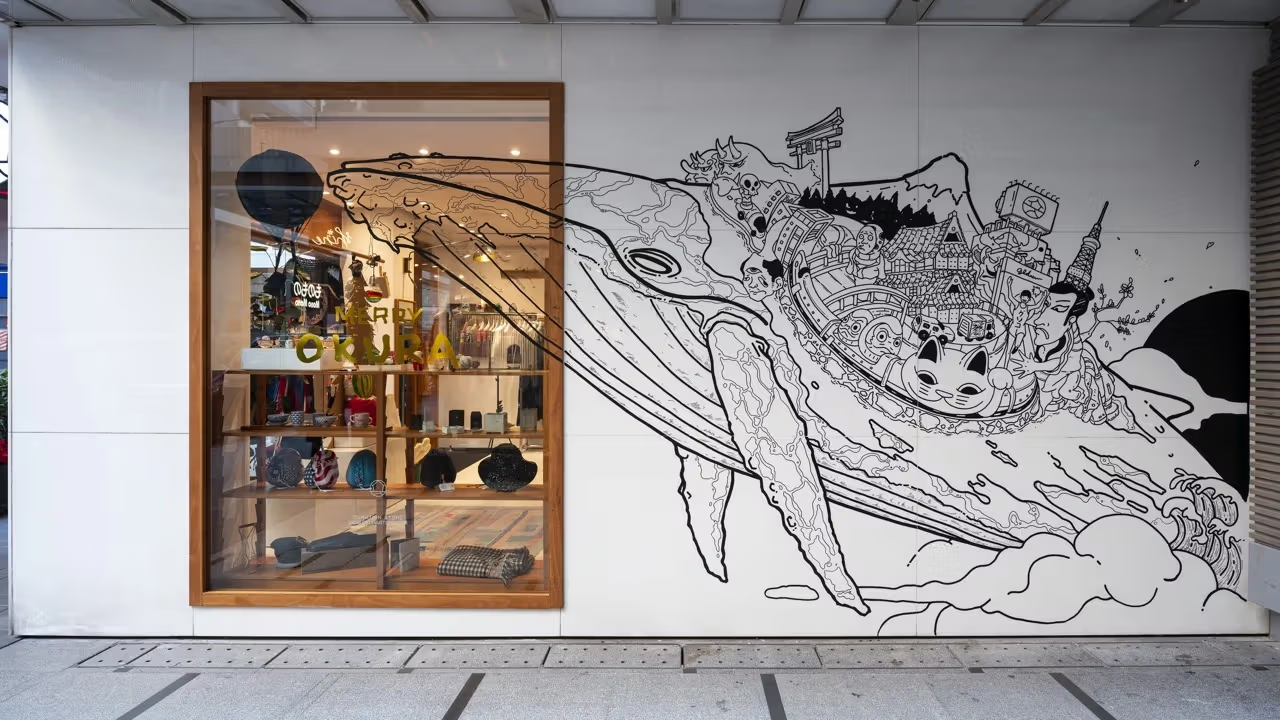
Reading the shop photographs alongside its founder’s account, rails, windows and everyday objects form the setting in which clothing is seen. A space need not constantly install large displays to offer something worth spending time with. What makes OKURA’s decade interesting is the way its changing selection preserves the proprietor’s evolving taste, giving returning customers new comparisons while leaving first-time visitors room to discover things for themselves.
The street-level shop has windows that allow a view inside.A window and wall illustration give another view of the shopfront.