Raw Denim Is Not the Same as Selvedge: Seven Pairs, from Levi’s 501 to Salty’s 11.5-Ounce Option
Dark indigo may look similar, but fit, fabric weight, preshrinking and interior stitching change the experience. Seven jeans reveal the details worth comparing.
Dark indigo jeans work with a white T-shirt, knitwear or a jacket, but that does not make every pair the same basic. First distinguish raw from selvedge: the former concerns washing and finishing, while the latter concerns weaving and the fabric edge. They can coincide without being synonyms. Seven pairs from Levi’s, FrizmWORKS, COOR, Lab101, Salty and MUSINSA Standard offer a way to compare fit, weight and interior finishing one by one. The original selection page contains affiliate shopping links, through which its publisher may earn a commission.
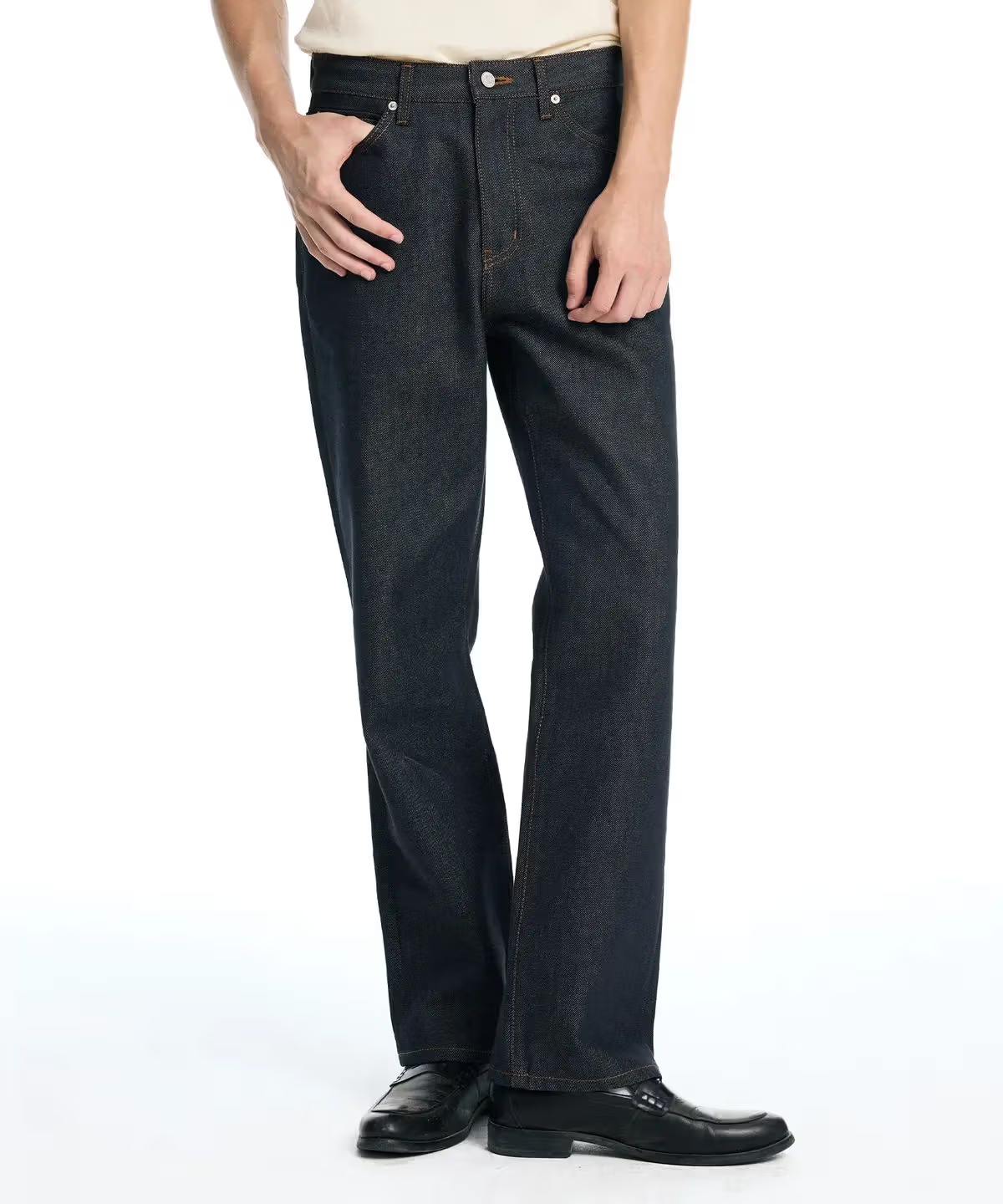
MUSINSA Standard’s selvedge denim uses a regular fit.
Even Two 501s Differ in Era and Post-Wash Size
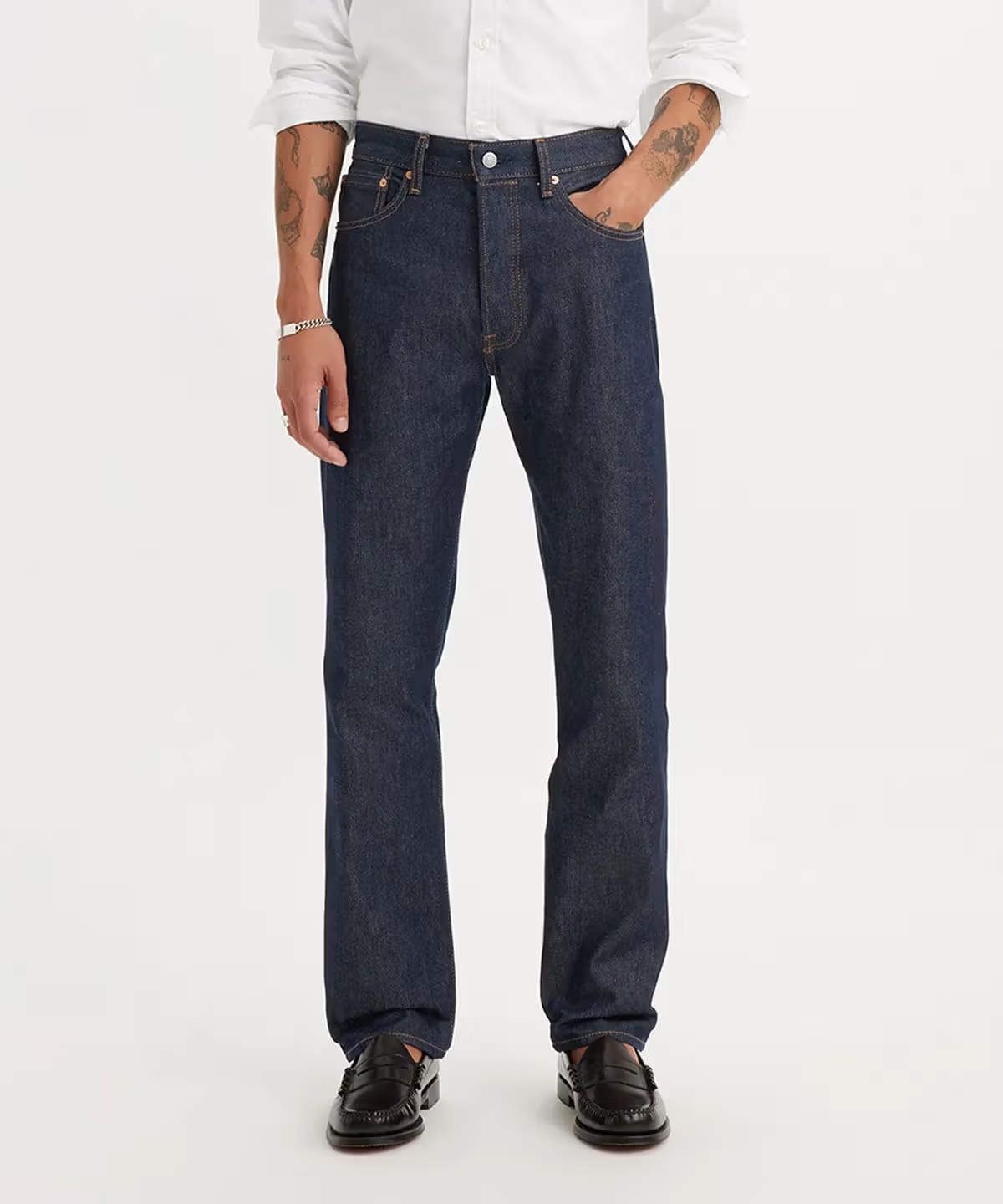
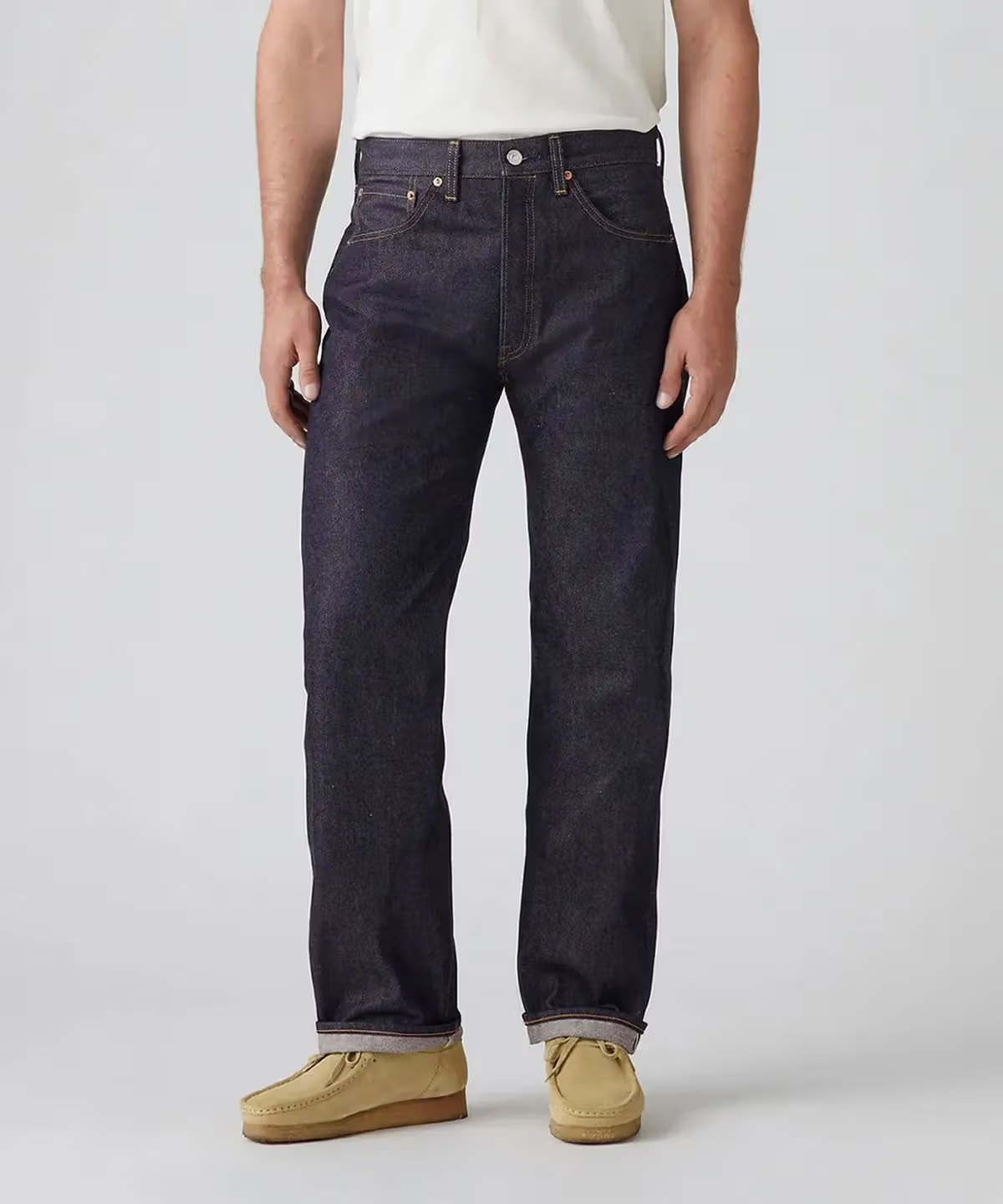
Levi’s 501 Original Rigid, style 00501-0000, retains 100% cotton, a button fly and a straight silhouette, letting structure lead. LVC’s 1955 501, style 50155-0079, recreates archival details with more room through the seat, wide legs and a near-boxy anti-fit proportion. Organic-cotton selvedge fabric, concealed rear-pocket rivets and five-pocket construction become clearer differences at close range.
LVC’s 1955 501 recreates an archival shape with a roomier seat and legs.
Sizing these two rigid models requires more than checking their length at the fitting. Product information warns of approximately 10% shrinkage after washing, so whether to wash before hemming directly affects the eventual length. A reproduction’s value is not just its year: the seat, pockets and rivets work together to reconstruct an era’s way of dressing. Decide first whether you want a modern, tidy line or a relaxed workwear feel.
Weight and Stitching Reveal Less Obvious Differences
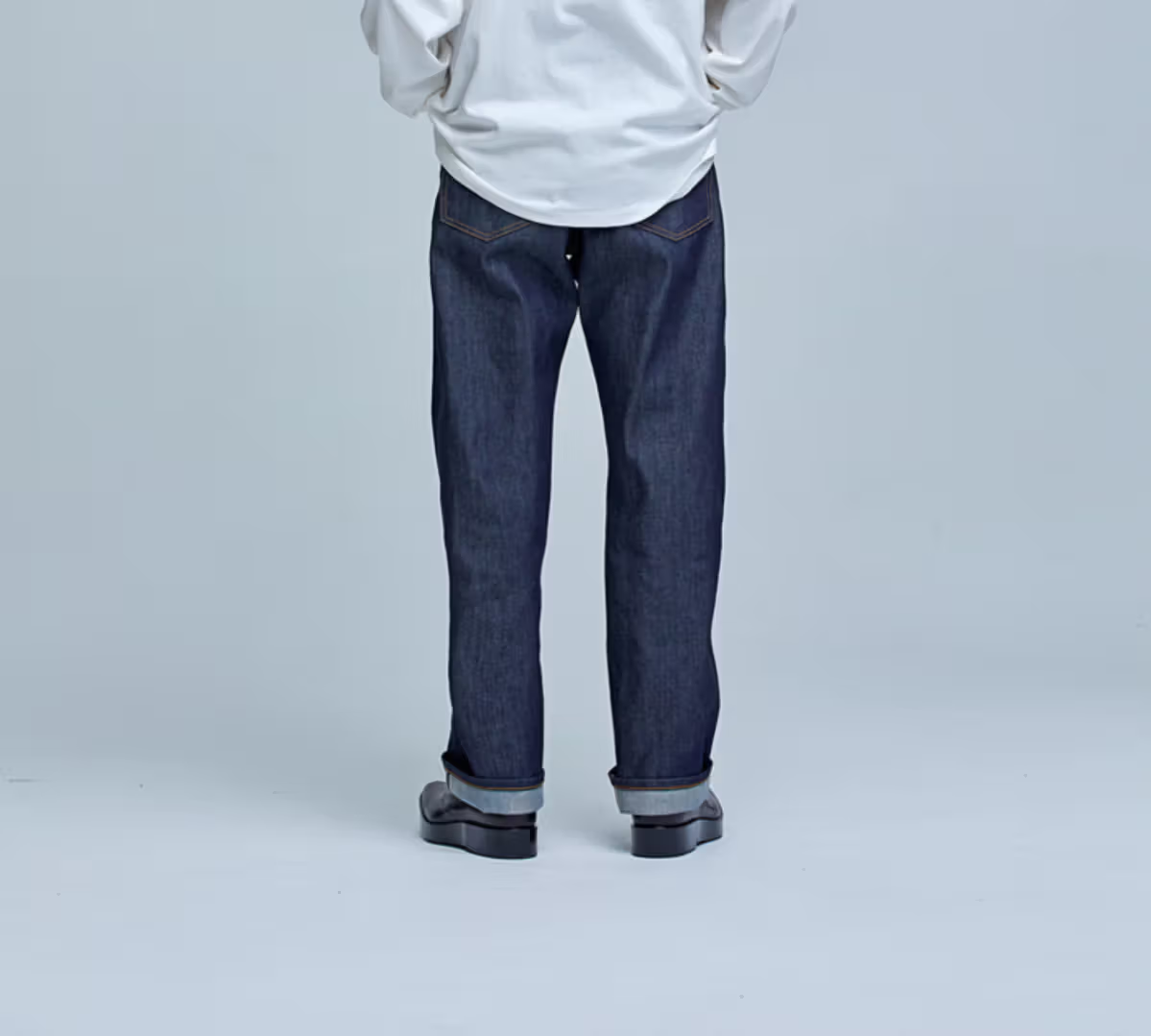
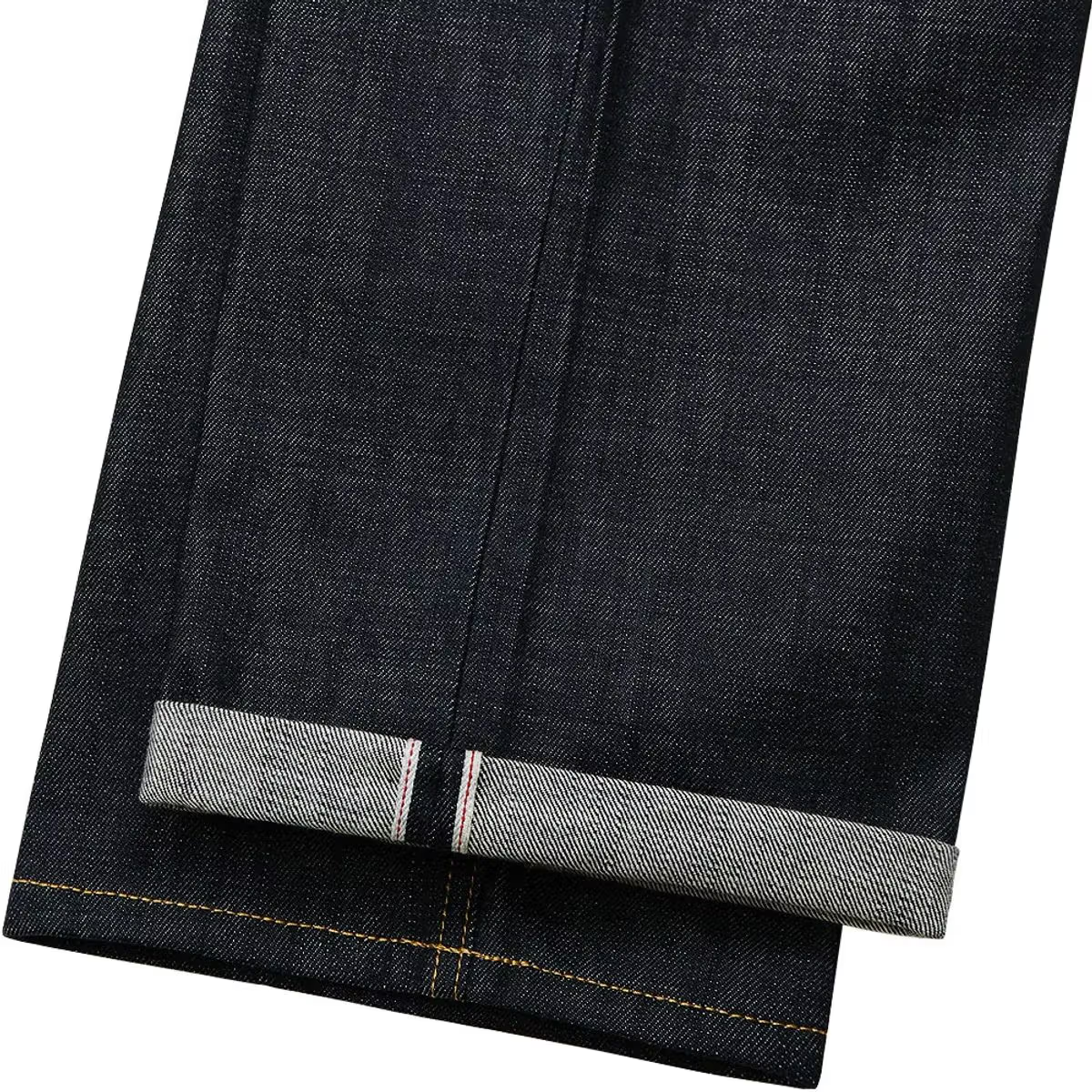
FrizmWORKS Original Garments’ OG Selvedge Regular uses 100% cotton, 13-ounce Atlantic Mills fabric. Chain stitching at the waist and hems uses a Union Special 43200G, while white piping covers interior overlocked edges, alongside a YKK zip. It moves the comparison inward: turn up the hem to inspect not only the selvedge line but also whether stitching and binding meet your expectations.
Turning up FrizmWORKS jeans reveals the selvedge edge.A turned-up hem on Salty 084 reveals the fabric edge and stitching.
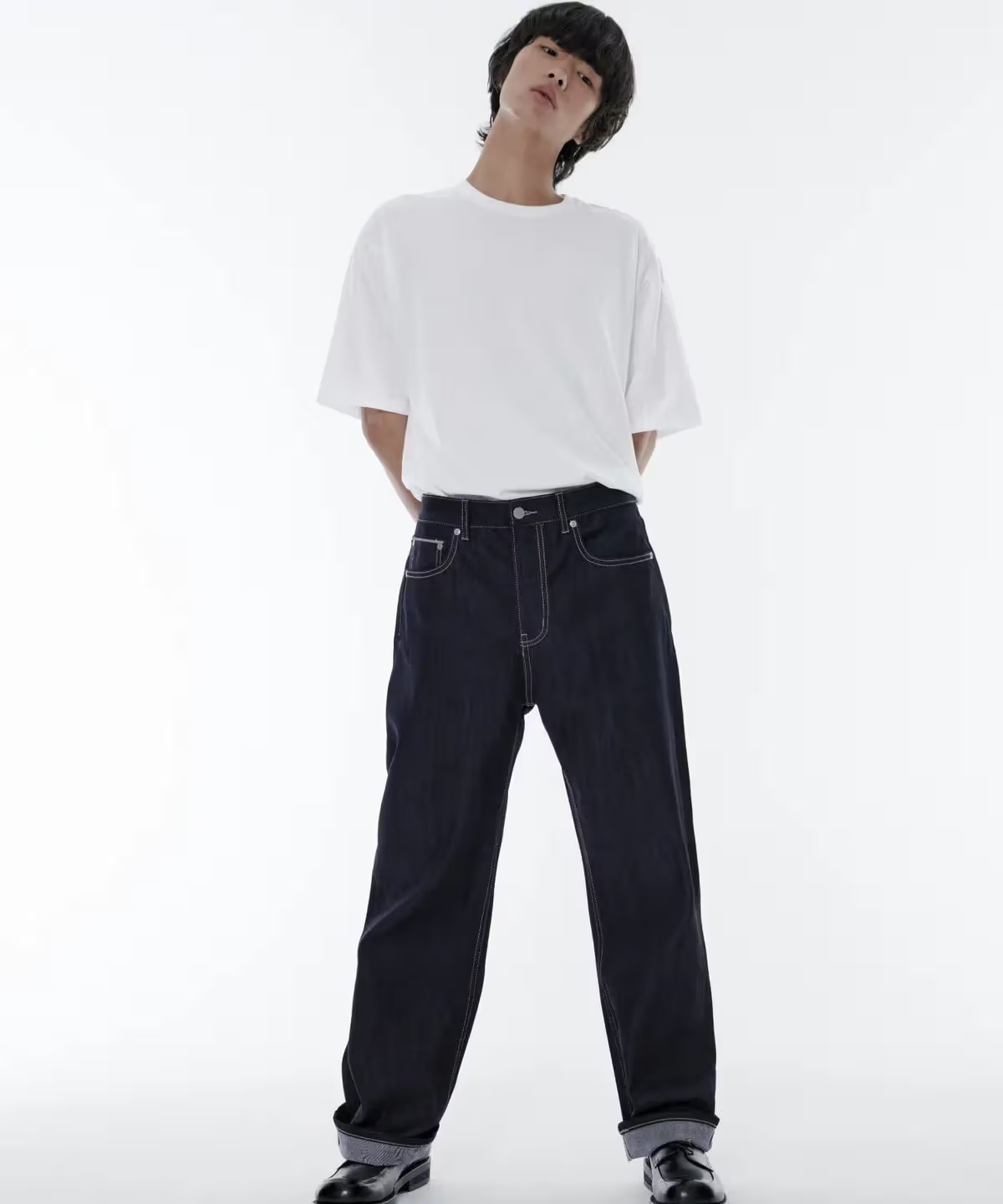
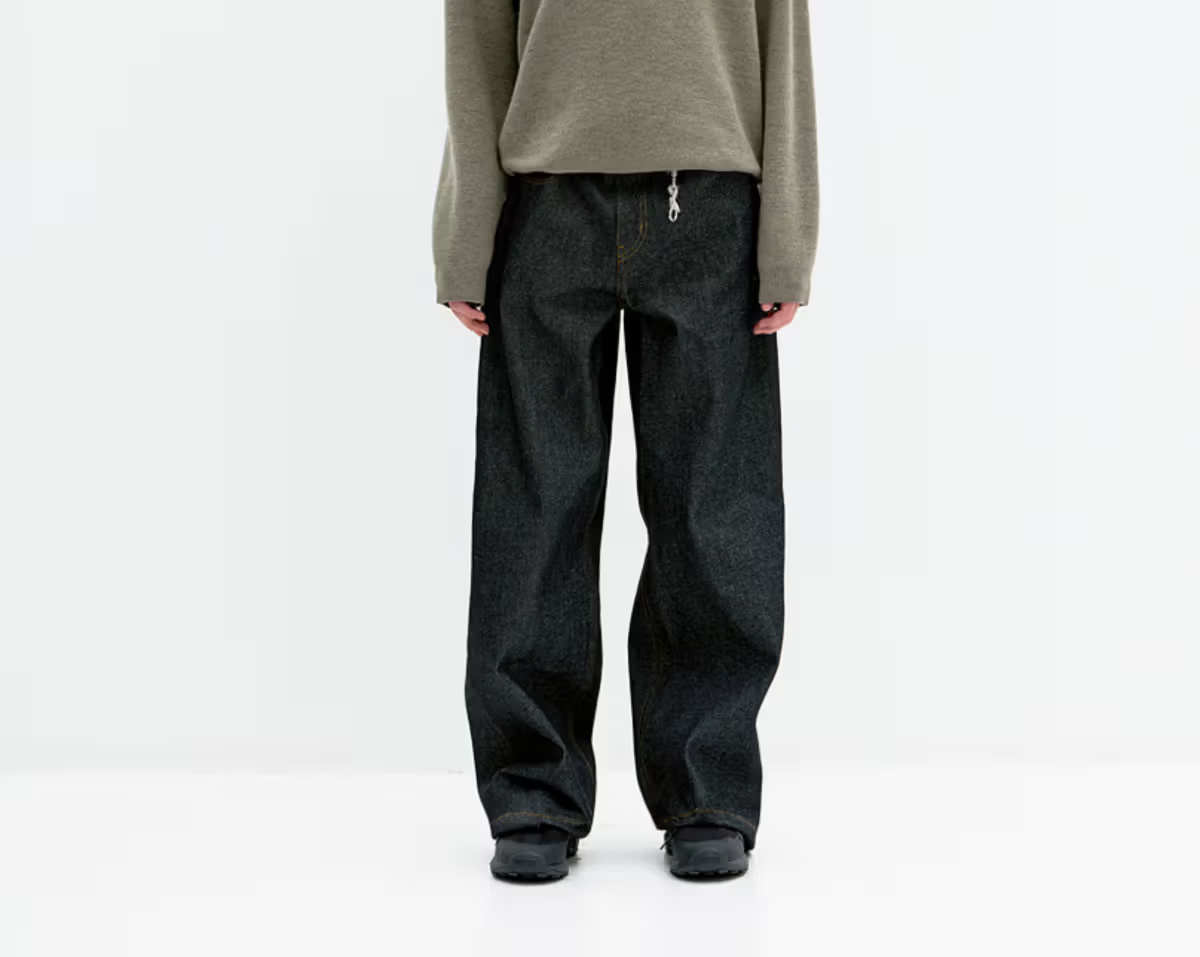
COOR’s Rigid Semi Wide uses 100% cotton, 12.5-ounce Cone Denim, with wide legs and a long cut. A specially developed paper-like patch, logo metal button and YZiP zip add detail. Lab101’s Nonfade Straight instead emphasizes dark blue, a straight line and cotton with little stretch. Though both look dark, the real comparison is volume: one makes the trousers the outfit’s focus, while the other more readily extends an existing wardrobe’s basic lines.
COOR Rigid Semi Wide creates lower-body volume with wider legs.Lab101 uses dark-blue straight legs for a basic denim line.
Lighter Fabric and Preshrinking Still Require Care
Salty’s 084 Raw Selvedge uses 100% cotton, 11.5-ounce fabric from India’s Arvind. A relaxed straight fit combines sanforizing, chain stitching, a YKK fly and selvedge detail at the watch pocket. Compared with 13-ounce fabric, it offers a lighter option. Preshrinking reduces dimensional change rather than eliminating it. MUSINSA Standard presents a more straightforward introduction through deep-indigo regular fit and a selvedge edge revealed by turning the hem.
For a first raw pair, ask three questions in order: how much seat and leg room you want, how much initial stiffness you accept, and whether you are willing to accommodate washing changes. Follow the care label concerning dye transfer when dark fabric touches light garments. Rather than pursuing a selvedge line or weight alone, first fit the silhouette to the shoes and tops you wear. That makes it easier to keep the jeans in everyday rotation.