Beyond Ronaldo’s Garage: Three Design Stories Behind Centodieci, Speedtail and Daytona SP3
From Bugatti’s tribute to the EB110 to McLaren’s central driving position, the conversation around Ronaldo’s garage offers a route into supercar design and racing history.
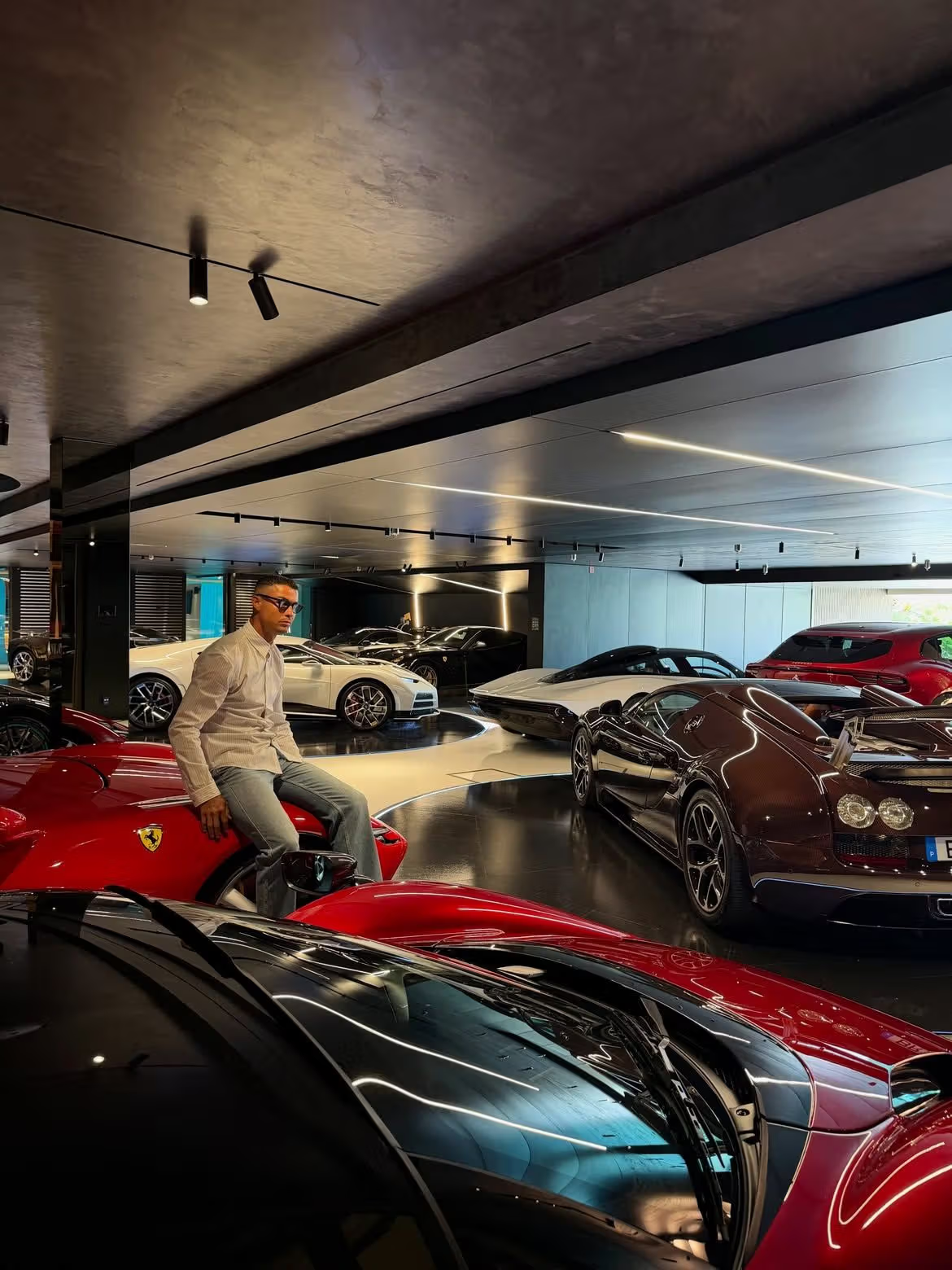
When Cristiano Ronaldo shared images of his garage, supercars again became a talking point beyond football. More interesting than turning a car list into a total valuation is the way these machines integrate brand history, seating layouts and aerodynamics into their bodies. The Bugatti Centodieci, McLaren Speedtail and Ferrari Daytona SP3 are all rare collector models, yet each answers a very different design question.
Centodieci Brings the EB110’s Silhouette into the Present
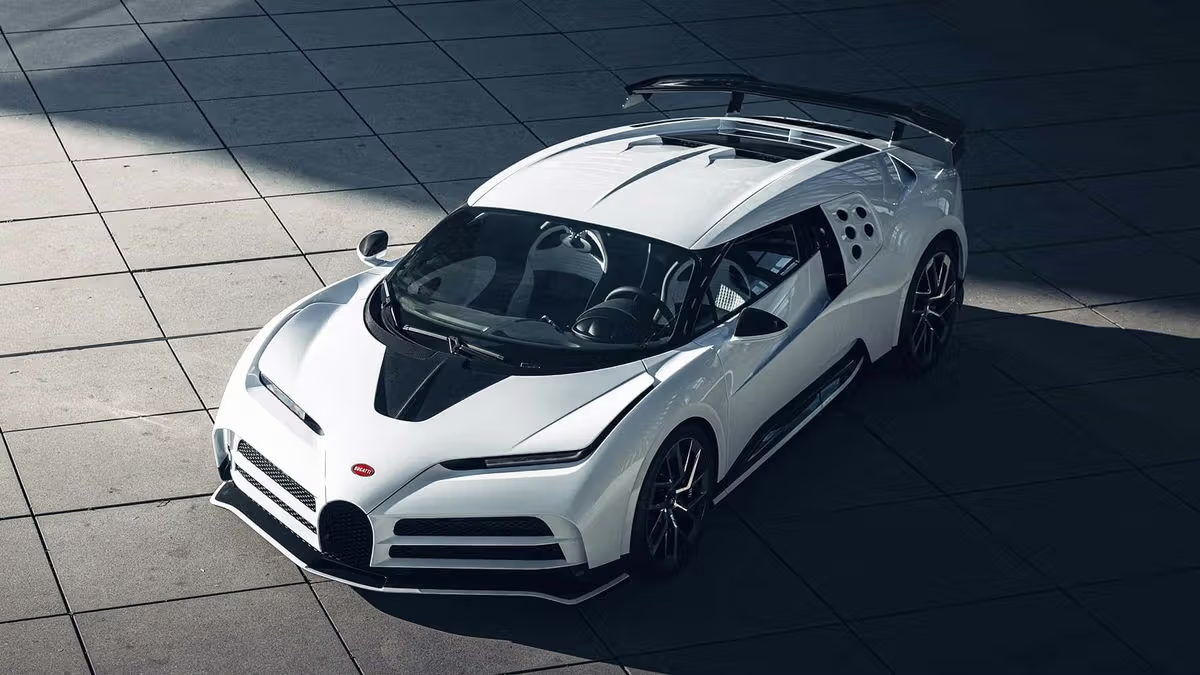
Only ten Bugatti Centodieci examples were made worldwide. Its name and shape pay tribute to the EB110 while marking the brand’s 110th anniversary. Instead of the Chiron’s prominent C-shaped side line, it establishes its identity through smaller side windows, a wedge-like stance and five circular side air intakes. This is more than a replacement body kit: the design must reorganize cooling and proportions around an existing high-performance architecture so that a memory of the 1990s works on a contemporary car.
A Bugatti Centodieci product image shows five circular side openings that recall the EB110.
Its 8.0-liter, quad-turbocharged W16 produces 1,600 PS. That figure uses metric horsepower and should not be directly mixed with figures in other units. Limited production, craftsmanship and a specific historical reference contribute to its appeal as a collectible. The white body in the image particularly emphasizes the contrast between the side openings and dark mechanical components. Follow the roof, side window and tail with your eye rather than stopping at peak output.
Speedtail and Senna Give Speed Two Different Shapes
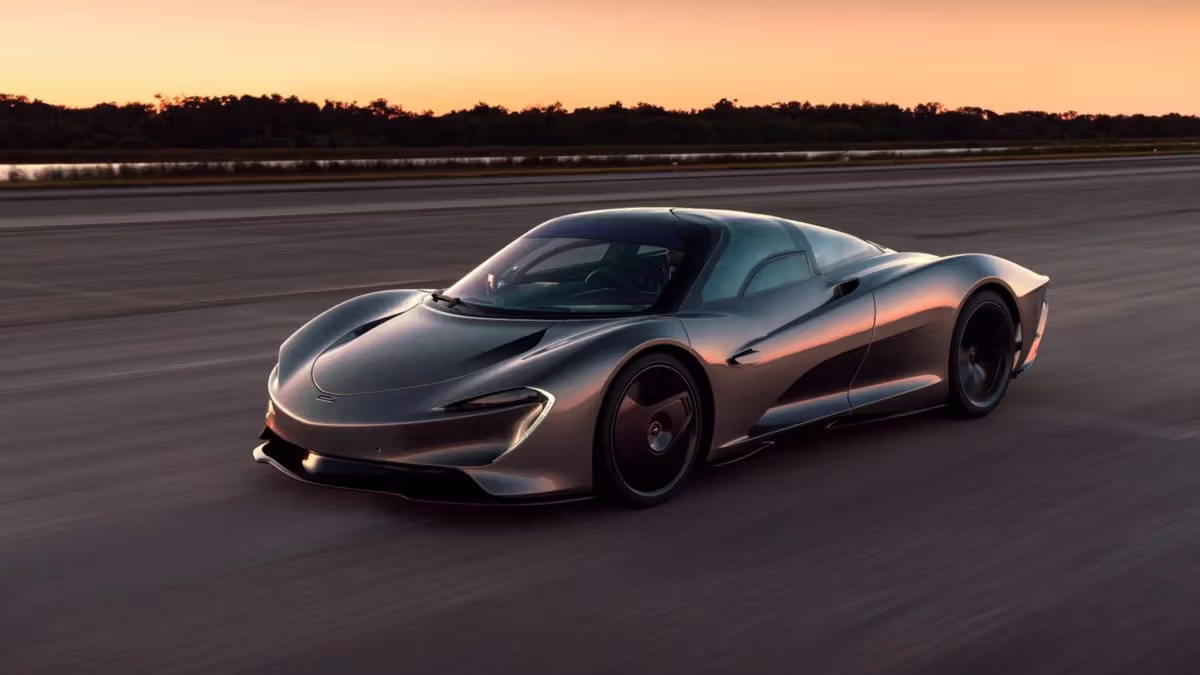
The McLaren Speedtail places the driver in the center, with a passenger seat behind on either side, recalling the brand’s classic F1. Production was limited to 106 cars. Its long tail and streamlined body make resistance to airflow at high speed a visual focus. The layout also changes the imagined routine of entering and occupying the cabin: the driver sits at the center of the composition, and symmetry is more immediate than in a conventional two-seat supercar.
McLaren’s Senna, by contrast, expresses track requirements on its exterior. Its large rear wing, carbon-fiber body and conspicuous aerodynamic structures serve downforce and high-speed cornering. Side by side, the cars show that “fast” is not a single aesthetic. The Speedtail lets air slip past, while the Senna actively manages the forces air applies to the body. Function consequently produces different silhouettes.
A McLaren Senna product image shows its large rear wing and aerodynamic structures.
Daytona SP3 Turns Endurance-Racing Memory into Bodywork
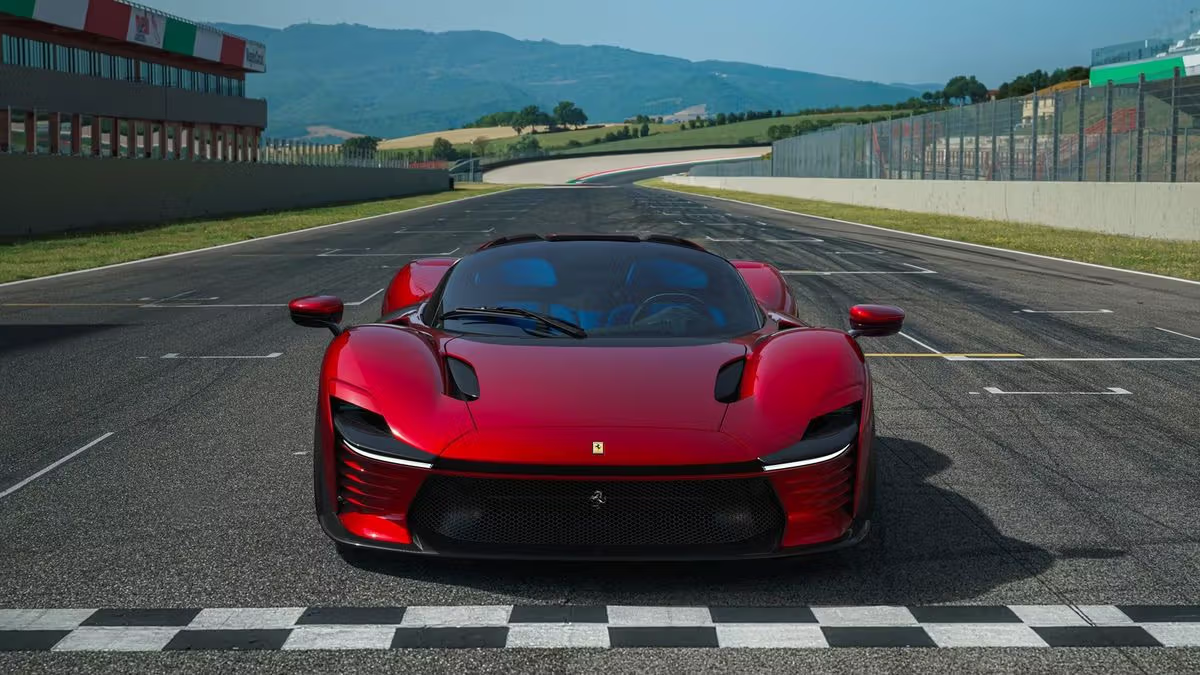
The Ferrari Daytona SP3 belongs to the Icona series and honors Ferrari’s first-three-place finish in the 1967 Daytona 24 Hours. Beyond its mid-mounted 6.5-liter naturally aspirated V12, the curved surfaces, low stance and layered rear lines make that historical reference visible. Like the single-seat, open-top Monza SP1, it centers brand memory, but uses a markedly different body and cabin format.
Garage stories can serve as design indexes: identify a model, then consult the manufacturer’s original information, and there is more to discover than a celebrity list alone can reveal. The photographs here include general product imagery; they do not all show Ronaldo’s own cars. Production numbers are also distinct from current transaction prices. What rewards repeated attention is how each marque shapes a car through regulation, engineering and history.
A McLaren Speedtail product image highlights its low, long-tail proportions.A Ferrari Daytona SP3 product image reveals its low, curved body surfaces.