You Won't Buy an iPhone Anymore, You'll Just Rent It: Apple Upgrade Program Cuts Monthly Payment to $17.99, But You'll Never Actually Own It
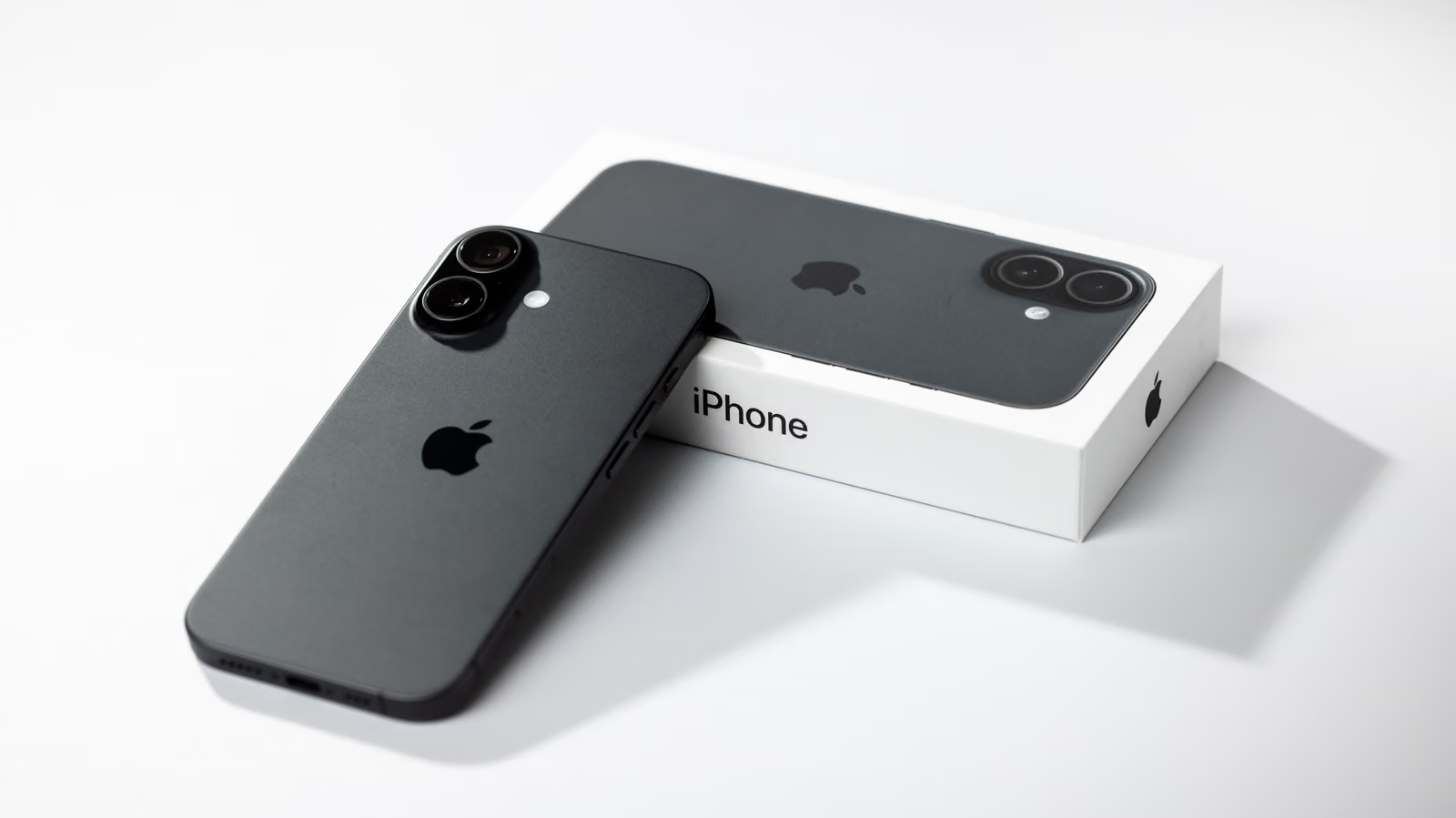
Apple is replacing the iPhone Upgrade Program with the new Apple Upgrade Program, partnering with Klarna to offer interest-free leasing. The monthly payment threshold drops and now covers iPad and Mac too, but finishing your payments no longer means you automatically own the device.
Under the old iPhone Upgrade Program, once you finished paying off your monthly installments, the phone was yours—no more, no less, paid off exactly. Apple has now flipped that logic: monthly payments are lower, but the phone never belongs to you unless you pay extra to buy it outright.
According to a report by Engadget's Deven McClure on August 16, 2026, Apple announced it's replacing the original iPhone Upgrade Program with the brand-new Apple Upgrade Program, switching partners to Klarna in an interest-free leasing format. The scope has also expanded beyond just iPhone to include iPad, Apple Watch, and the Mac lineup. Apple's official line is that this move delivers "more flexibility, better value, and a smoother experience."
The numbers tell the story most directly. The old iPhone Upgrade Program had a monthly payment floor of roughly $30, while the new Apple Upgrade Program pushes the iPhone's minimum monthly payment down to $17.99, with Apple Watch and iPad starting as low as $11.99. This timing conveniently follows right after Apple's recent price hikes on its products.
How New Users Sign Up, What Existing Users Should Do
Users already enrolled in the iPhone Upgrade Program aren't affected—they can keep paying under their original contract, and once it ends, decide whether to keep their current device or switch over to the new Apple Upgrade Program for a new one.
New users can head to the Apple Store online or in person, pick out the device they want, select Apple Upgrade as the payment method, and fill out a Klarna application, which requires name, date of birth, and Social Security number. Klarna runs a soft credit check that won't affect your credit score, and once approved, the device ships directly, with the entire lease managed through the Klarna app afterward. To lease an iPhone, you'll also need to activate it with a line from AT&T, T-Mobile, or Verizon.
On the list of eligible devices, every iPhone model except the iPhone 16 qualifies, along with MacBook Air, MacBook Pro, iMac, Mac Studio, iPad Pro, iPad Air, iPad Mini, Apple Watch Ultra, and Apple Watch Series 11. You can trade in an old device to lower your first payment when applying, and you can lease multiple devices at once, though each one requires a separate application. Lease terms vary by product: iPhone and Apple Watch run 12 to 24 months, while iPad and Mac run 24 to 36 months. When the lease term ends, Apple will send a notification, and you can choose to return the old device for a new one, simply return it and end the lease, or pay the remaining balance in full to buy it outright.
No AppleCare Included, and Finishing Your Payments No Longer Guarantees Ownership
The biggest difference between the old and new plans is that under the old system, monthly payments went directly toward the phone's price—once the contract was complete, you'd paid off the phone in full, and the device automatically became yours without any extra cost. The new Apple Upgrade Program doesn't have this default outcome; if you want to keep the device after your lease ends, you'll need to make a separate one-time buyout payment.
Another thing that's been cut is AppleCare. The old iPhone Upgrade Program bundled AppleCare protection directly into the plan, but the new program doesn't include it—Apple recommends subscribing to AppleCare separately. The tricky part is that even with AppleCare added on, you may still be charged a service fee when returning a damaged device, and Apple hasn't clarified how the fees differ between the two scenarios.
The source material doesn't specify when the Apple Upgrade Program will actually launch in markets like Taiwan or what local pricing will look like. Interested readers should keep an eye on Apple's official announcements and updates to the Apple Store page.