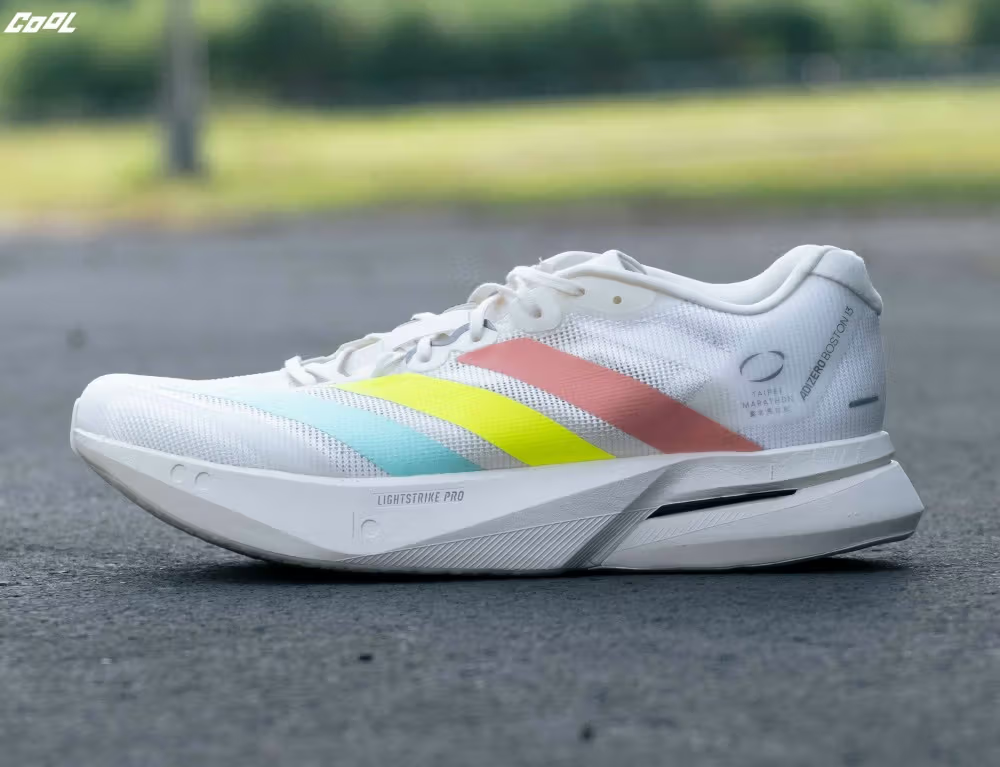
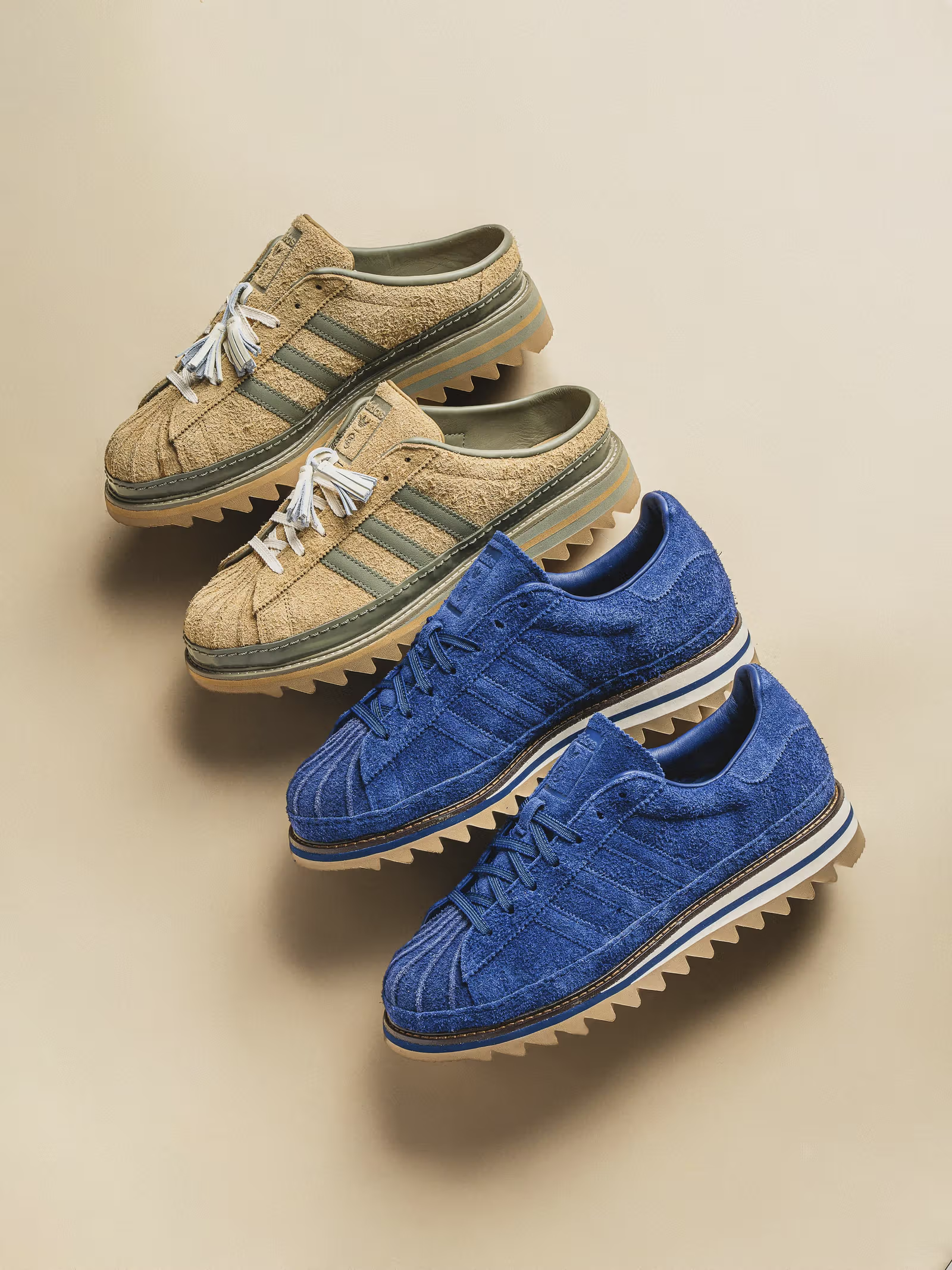
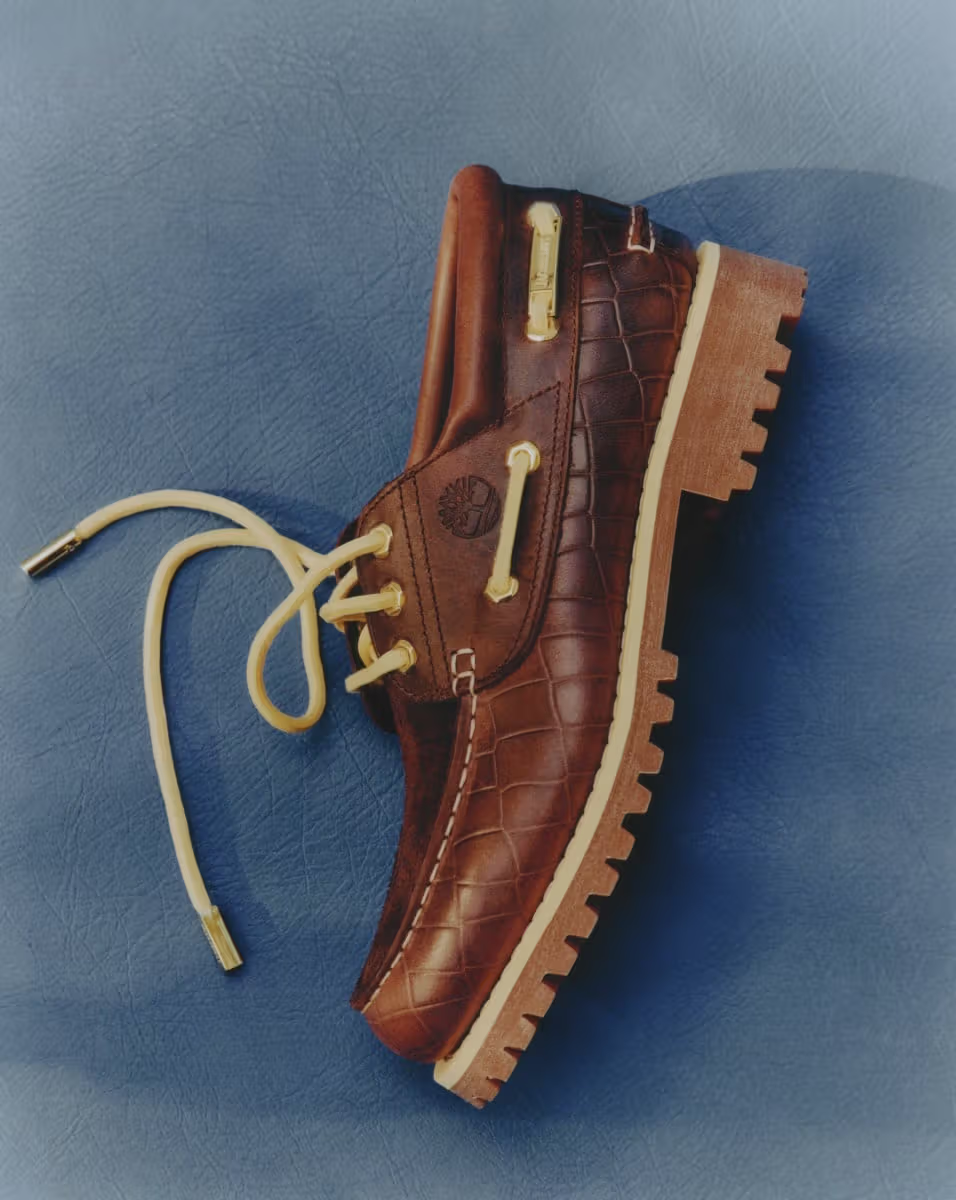
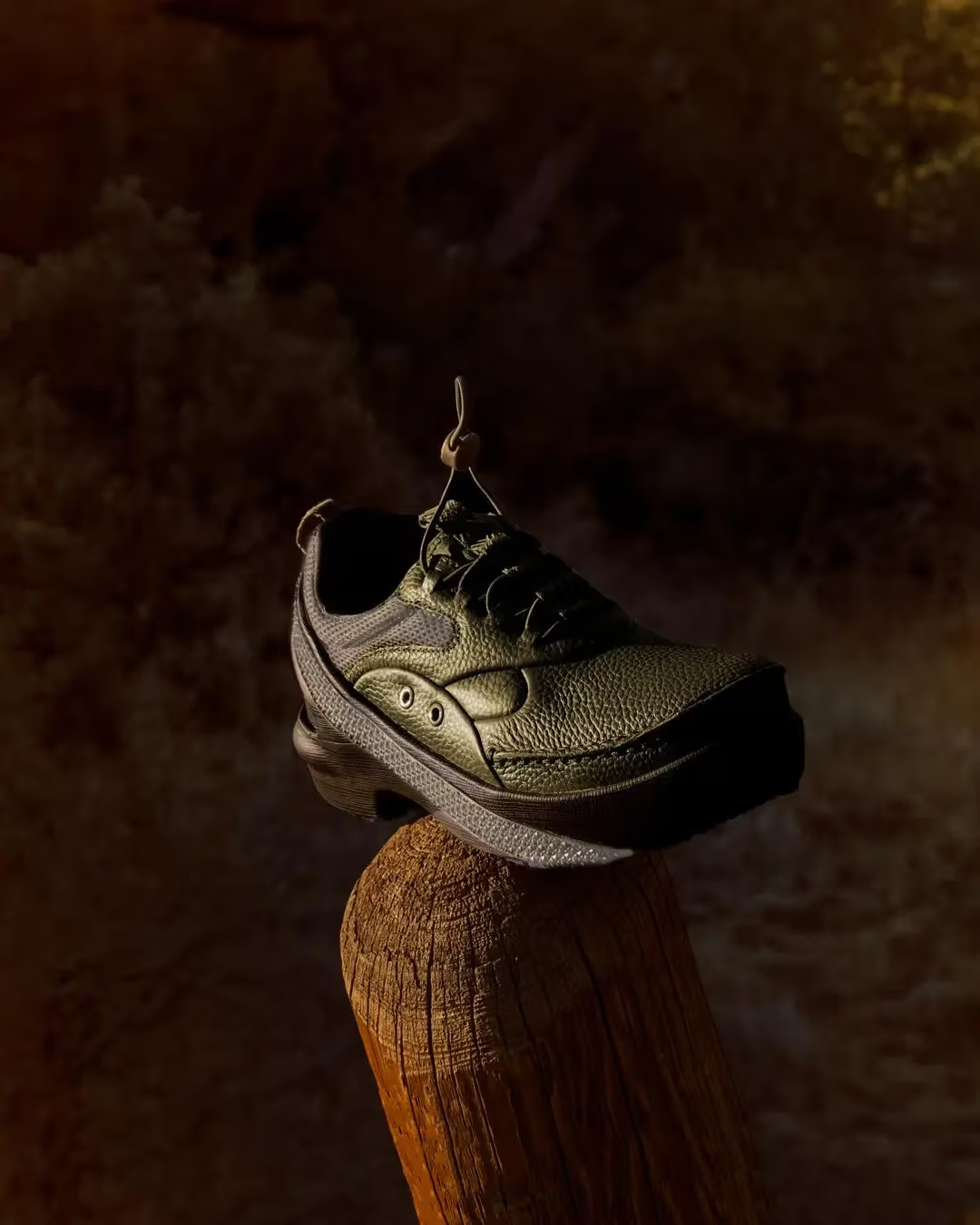
ASICS’ growth extends beyond the running track. In the first half of 2026, group revenue reached approximately ¥534.4 billion, up 32.7%, while operating profit rose 48.5% to about ¥120.4 billion. SportStyle revenue grew 83%. The company also raised its annual revenue forecast to ¥1.05 trillion. Announced in August, that forecast is not an achieved full-year result. For sneaker readers, the division of roles between performance running, retro design and lifestyle offers context behind the figures.
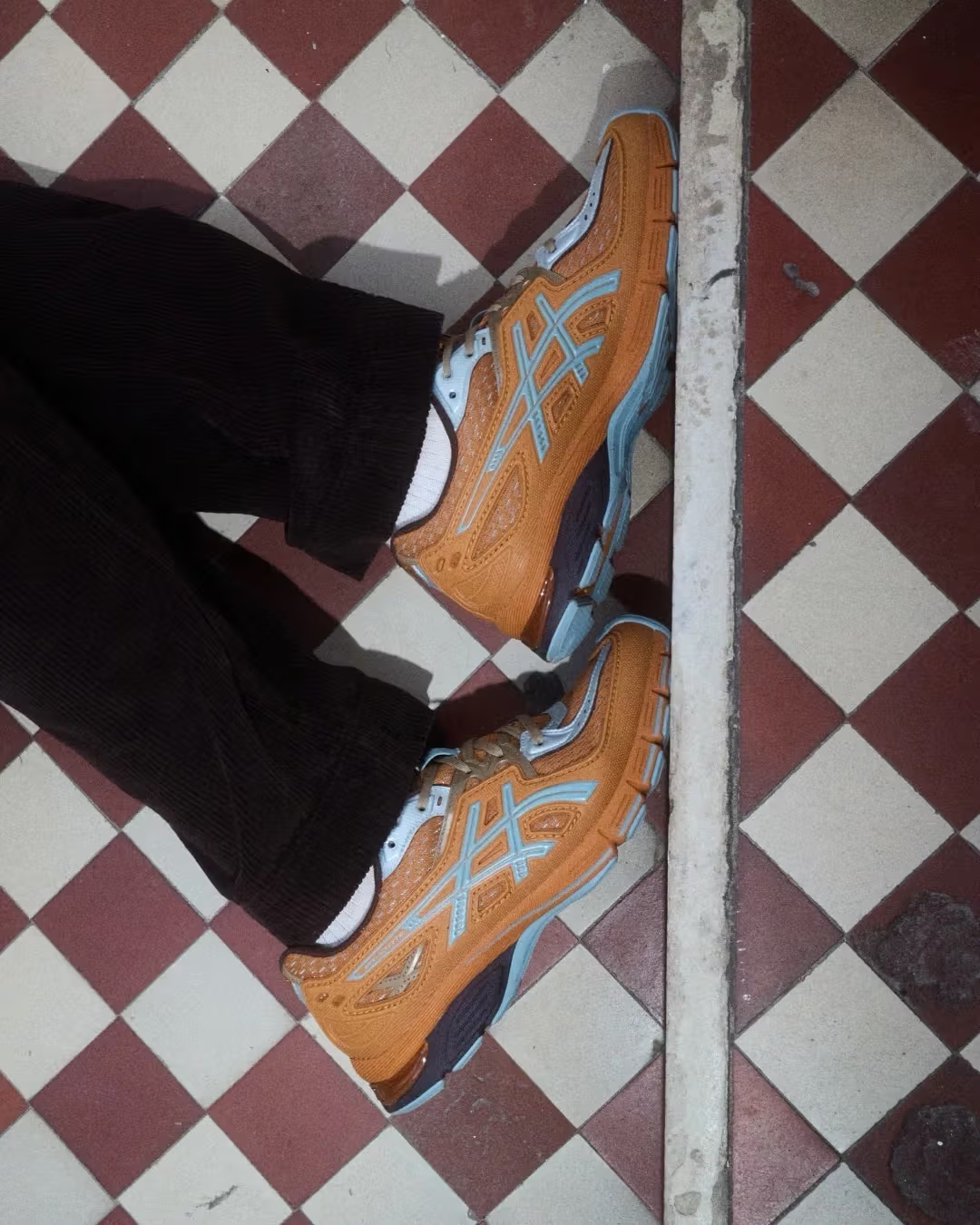
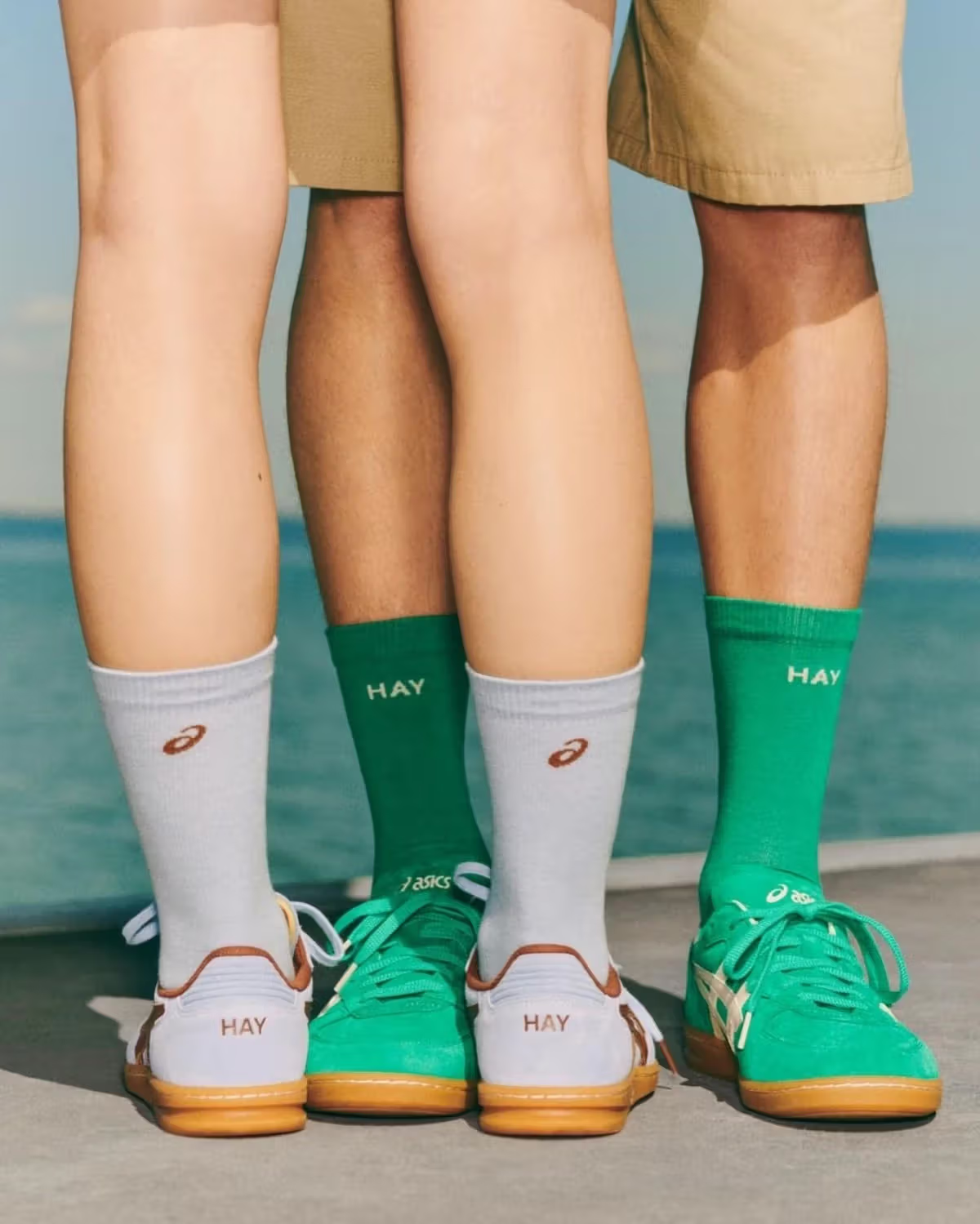
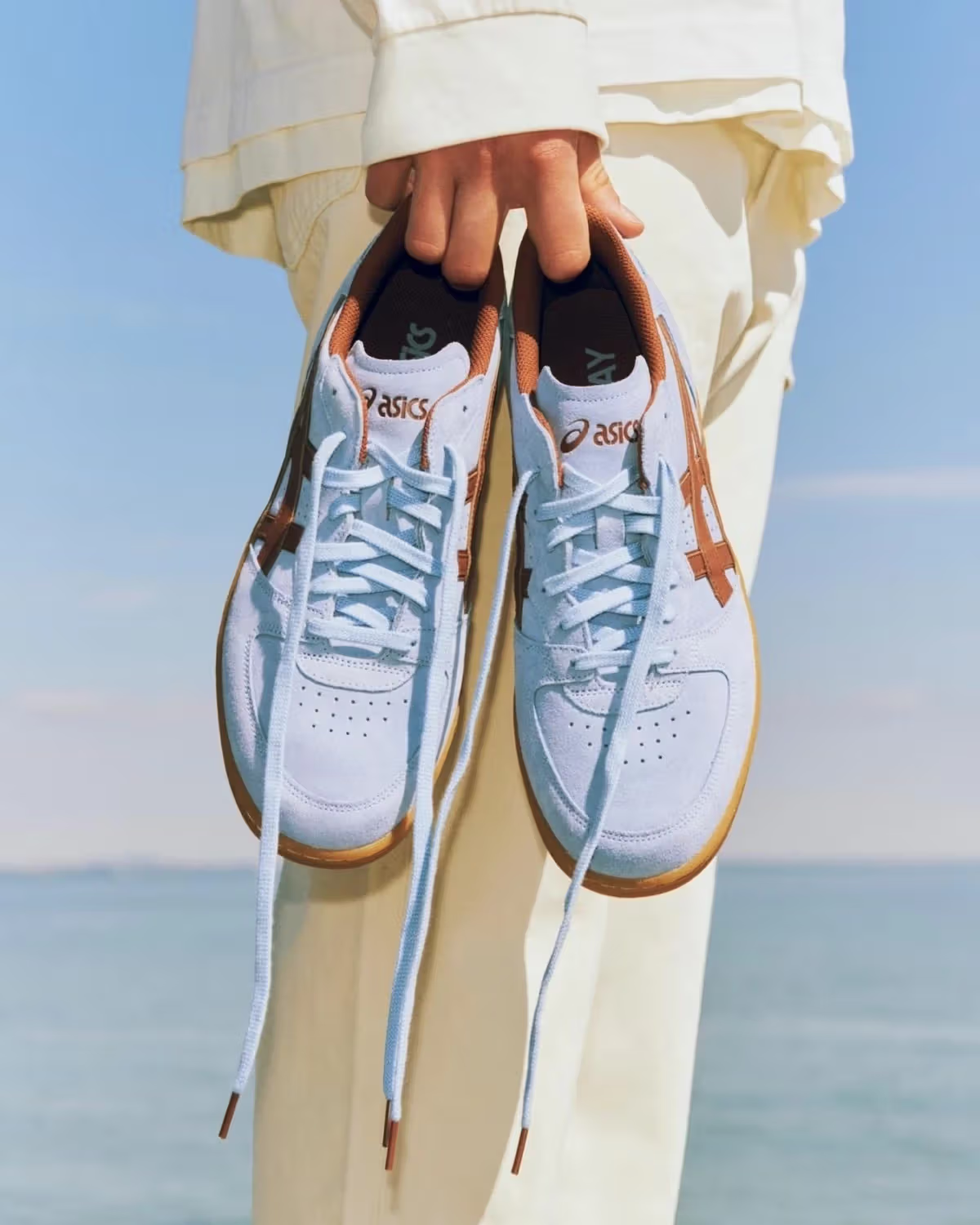
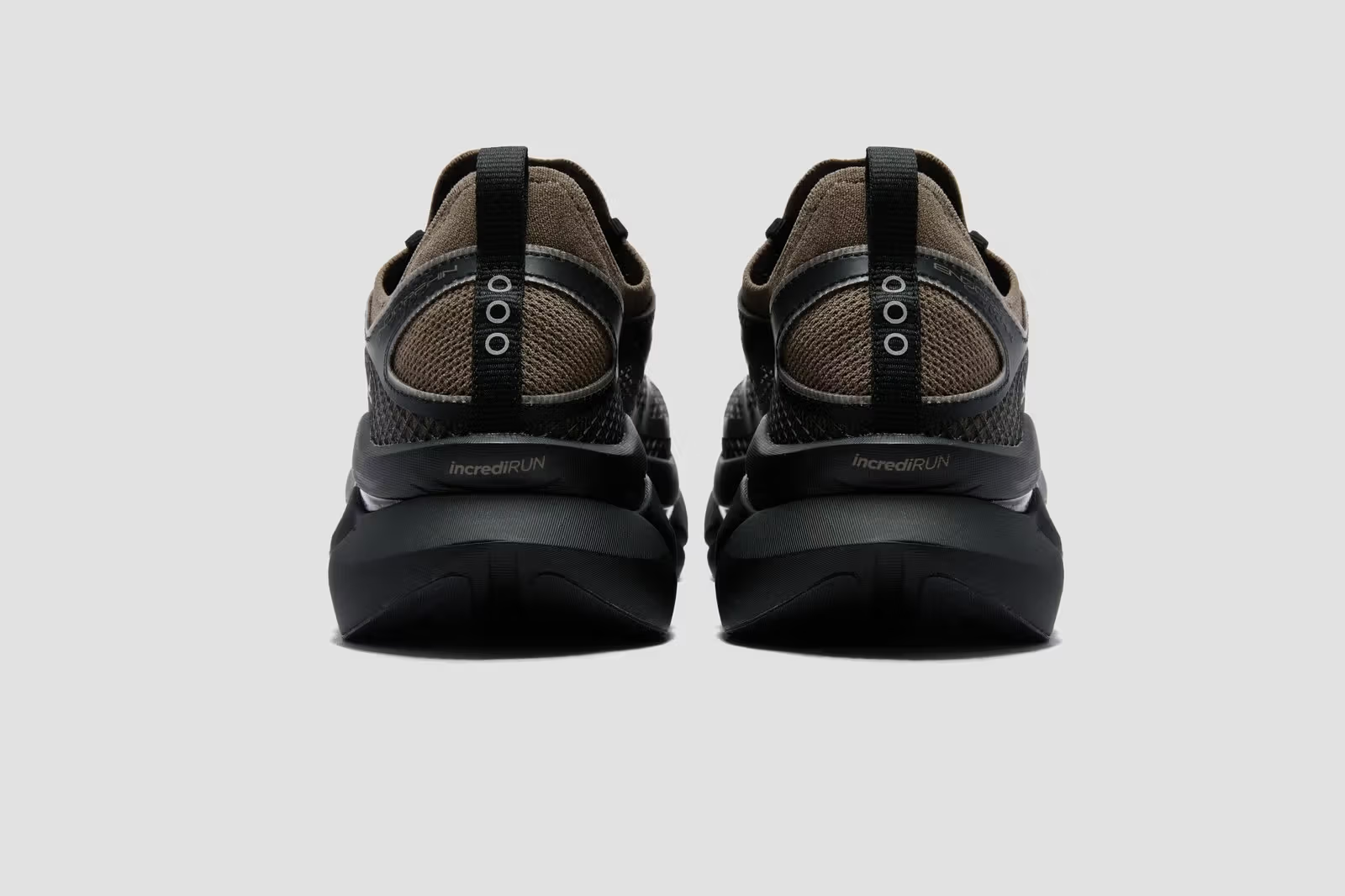
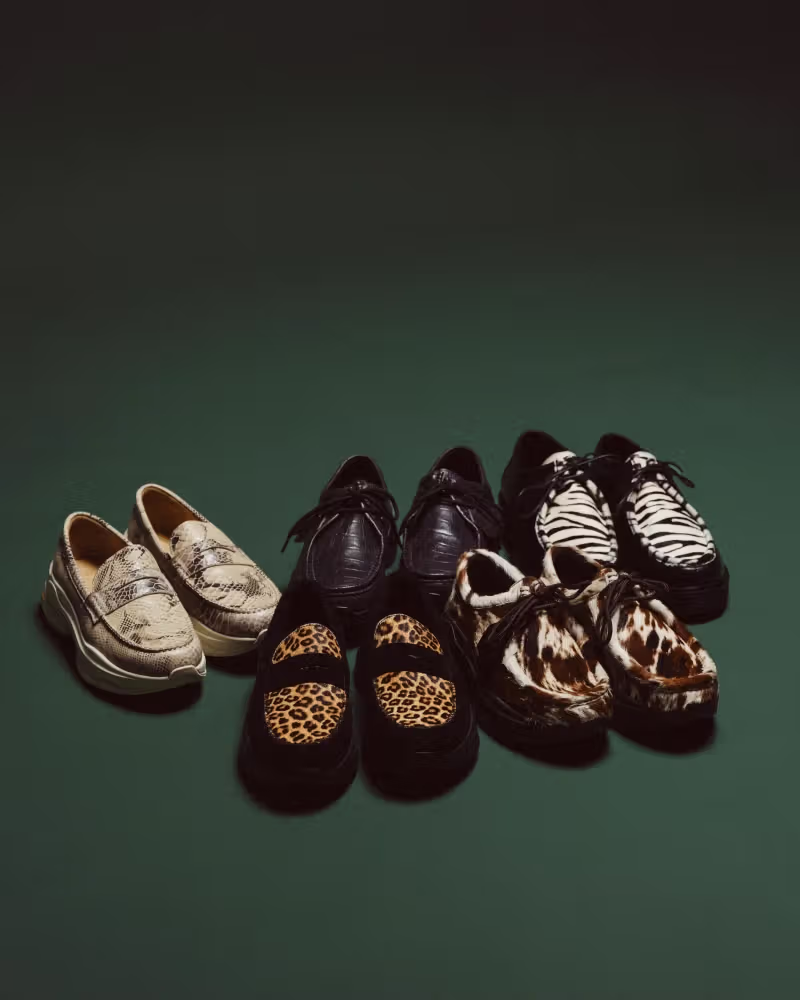
Different shapes and colours show the variety of the group’s lifestyle products.
SportStyle grows quickly without representing the whole group
Official first-half information puts SportStyle revenue at approximately ¥123.1 billion, reported separately from categories including Performance Running, Core Performance Sports and Onitsuka Tiger. Rapid growth shows the increasing significance of everyday styling, without meaning ASICS has abandoned sporting products as a foundation. Keeping categories distinct helps show why runners’ needs and streetwear demand are not identical.
The company identifies GEL-1130, GEL-NYC and GEL-KAYANO 14 among SportStyle’s main products, also noting growth products such as GEL-CUMULUS 16 and GEL-NYC 2.0. Multiple silhouettes in the report indicate a response to different preferences, rather than all revenue depending on one collaboration. Recognising the origins of a preferred shape is more useful than treating the range as one interchangeable retro shoe.
Retro appearance and performance running serve different needs
SportStyle turns sporting archives into daily products, with metallic-looking panels, mesh and layered uppers becoming parts of an outfit. A running-shoe origin does not make each style equivalent to a current racing or training shoe. Commuting, travelling and wearing wide trousers call for attention to fit and proportions; running calls for checking the intended use of individual sports products rather than choosing only from popular photographs.
Layered uppers and colour combinations express ASICS SportStyle.
Onitsuka Tiger, also within the group, recorded first-half revenue growth of 35.9%, with the company highlighting Japanese inbound tourism demand. Its growth alongside SportStyle shows different style markets within the group, rather than making the brand names interchangeable. Distinguish logos, series and models when shopping, especially overseas. Group financial performance does not establish that a particular shoe fits an individual.
Growth depends on the comparison basis
Excluding currency effects, first-half group revenue grew 22% and SportStyle 65.6%, rather than the reported 32.7% and 83%. Both sets describe growth but answer different questions: one reflects the financial statements after conversion; the other helps examine changes beyond exchange rates. Keeping period, currency and basis visible makes brand news clearer than selecting only the largest percentage.
The ¥1.05 trillion annual forecast also incorporates expectations for second-half products and markets, with actual results still to come. From a sneaker-culture perspective, the report shows ASICS maintaining several product lines, allowing archives, technical development and style collaborations to reach different audiences. Prospective buyers can turn that attention into practical comparisons: which silhouette suits a wardrobe, which size fits, and which features will be used. Popularity then becomes context rather than the only reason to choose.