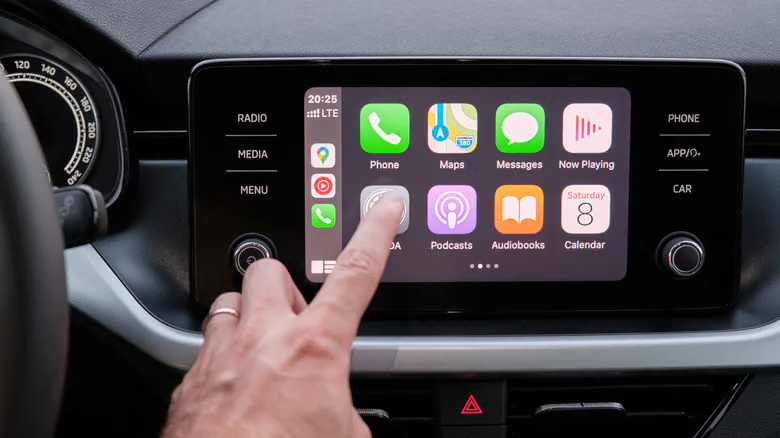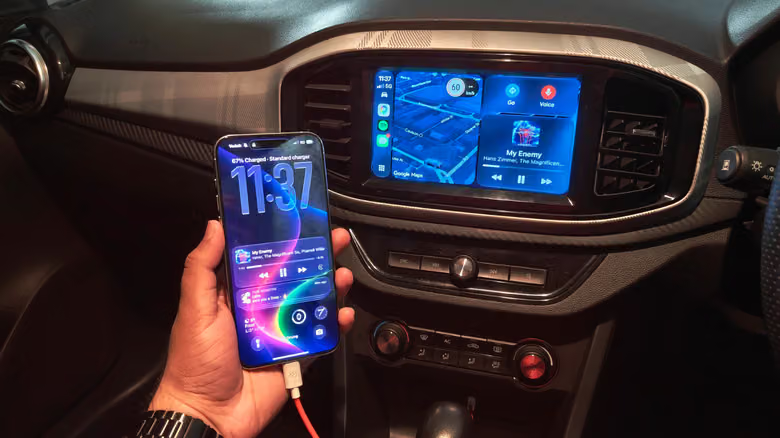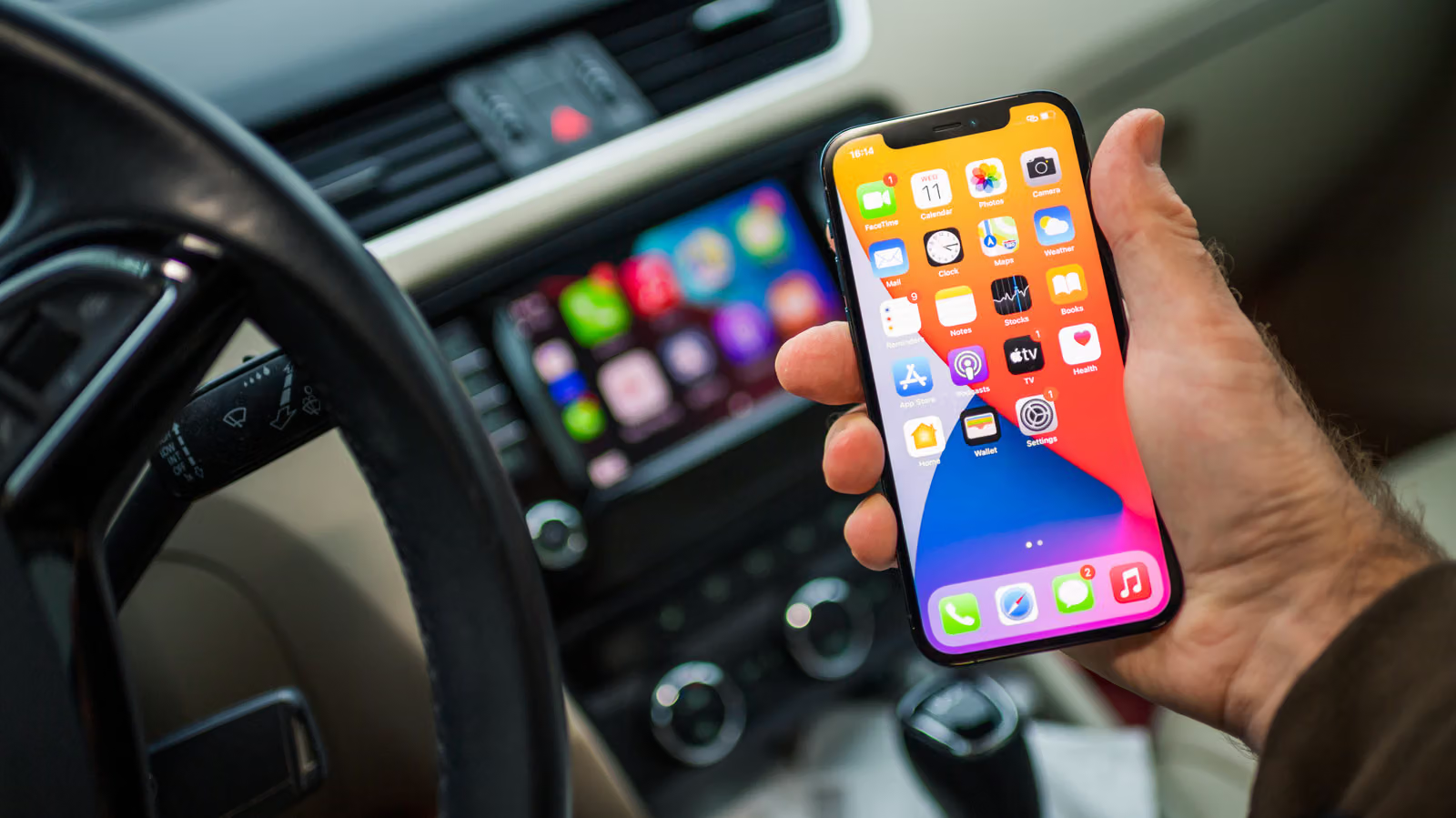
Let's cut to the chase: Apple CarPlay has been built into the iPhone since 2014, with support going all the way back to the iPhone 5. Automakers like Ford, Hyundai, BMW, and Honda have all integrated it into their infotainment systems by now. No matter which connection method you use, the apps you can access, phone calls, and even the newer Siri all work exactly the same. The real difference isn't what you can do—it's how smoothly it actually works.
The biggest advantage of going wired is stability. Wireless CarPlay can randomly drop out mid-navigation on an unfamiliar route, and sometimes the car's infotainment system just refuses to cooperate. That's not a moment you want to be staring down a Bluetooth settings menu. To make matters worse, wireless CarPlay usually supports pairing multiple iPhones so drivers can swap without re-pairing—but that convenience comes with a catch: the car sometimes auto-connects to someone else's phone, forcing you to manually switch the connection back. Plugging in a cable sidesteps all of that entirely.
There's another practical perk to staying wired: your phone won't lose battery. The Engadget writer mentions that their iPhone 15 Pro Max already has a noticeably degraded battery, and the last thing they want is to get out of the car with their phone already begging for a charge. A wired connection also delivers better audio quality—especially for anyone subscribed to lossless streaming—and eliminates the lag when skipping tracks or waking Siri.