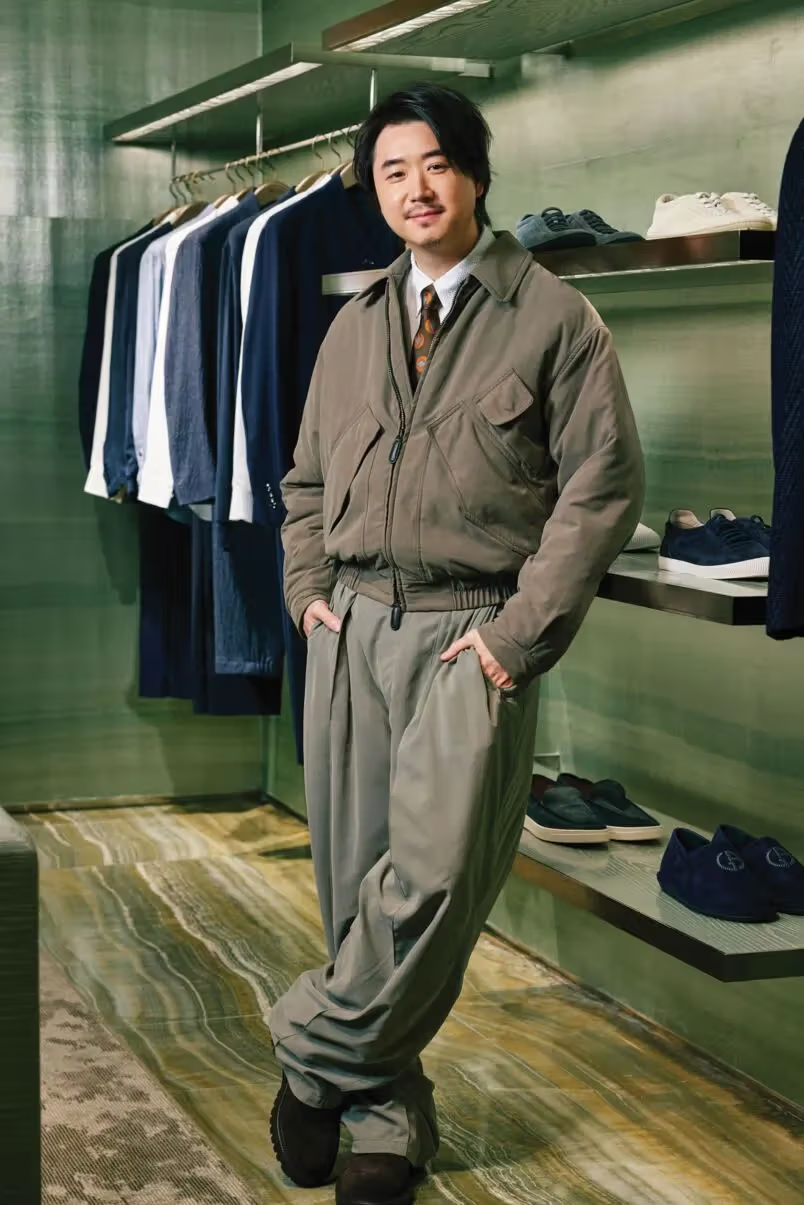
In a recent profile, Hong Kong music producer Edward Chan compares making a song to tailoring a suit. Instrumental tracks resemble different fabrics: before combining them, the maker needs to imagine the overall silhouette. The comparison extends to his stage clothing, especially when tailoring must accommodate arm movement at the piano. Music and fashion emerge as creative practices that both adjust proportion, emotion and the conditions of use.
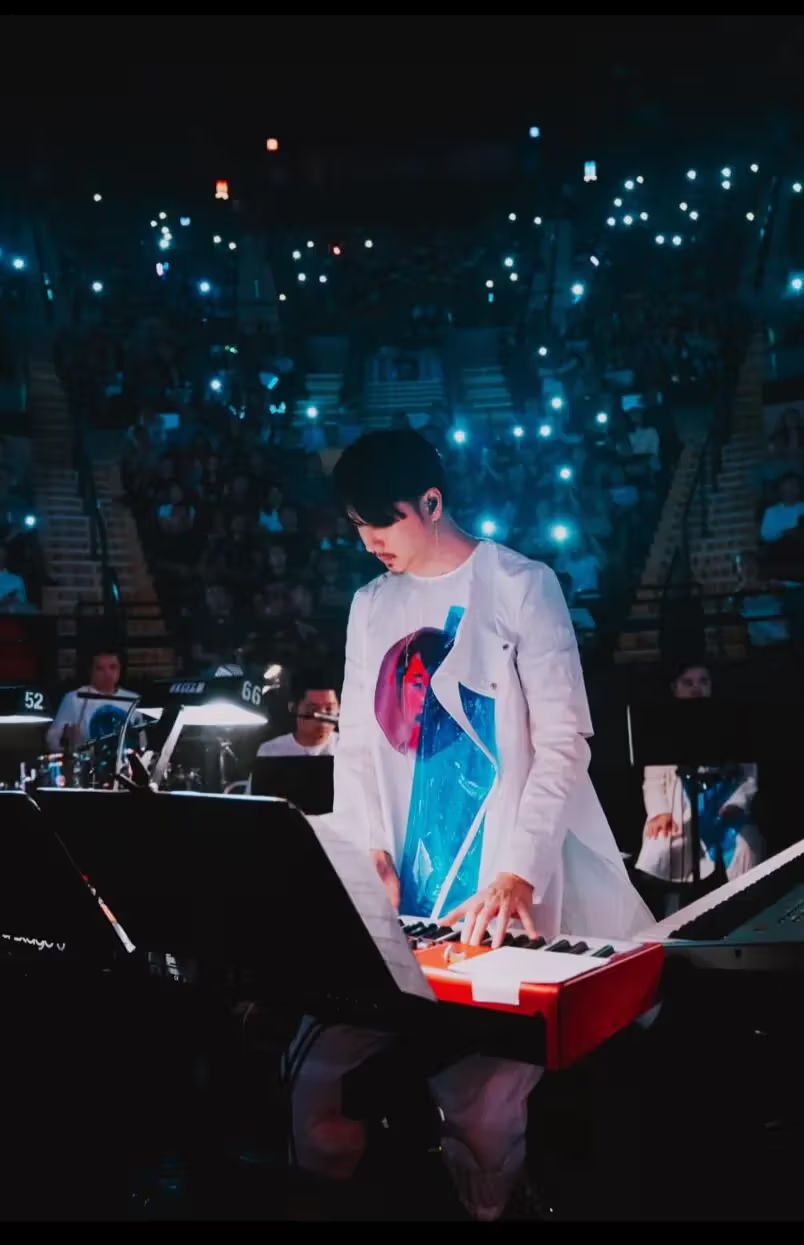
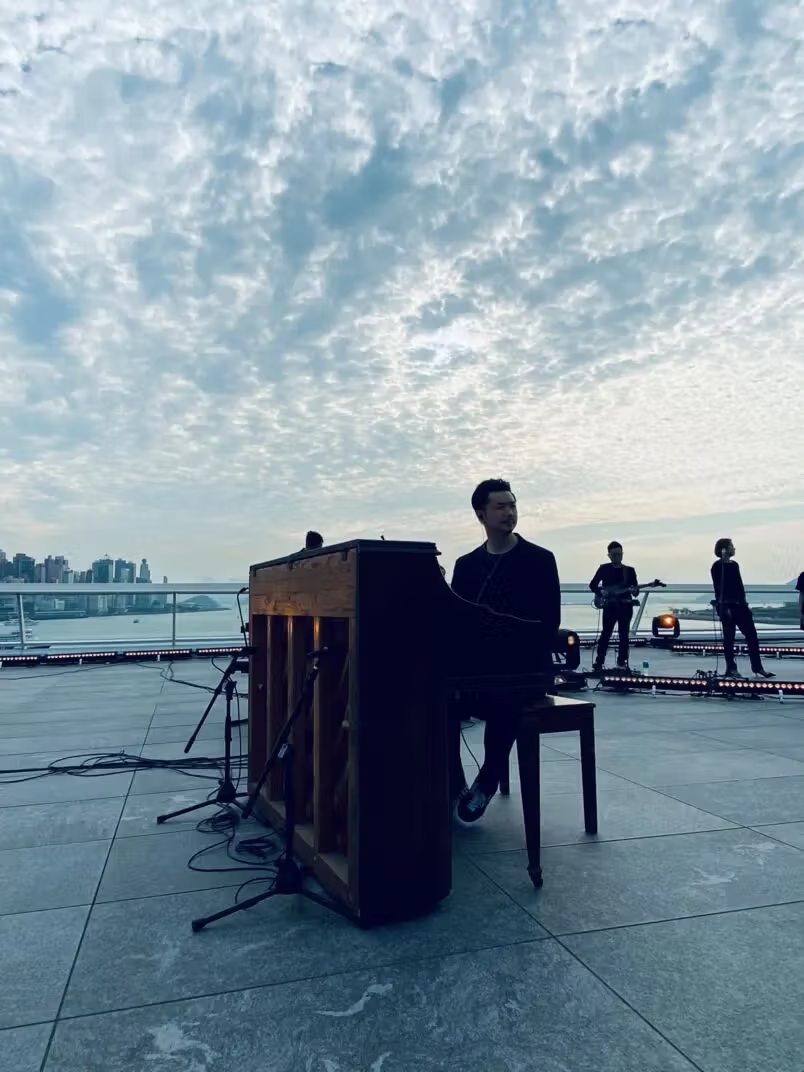
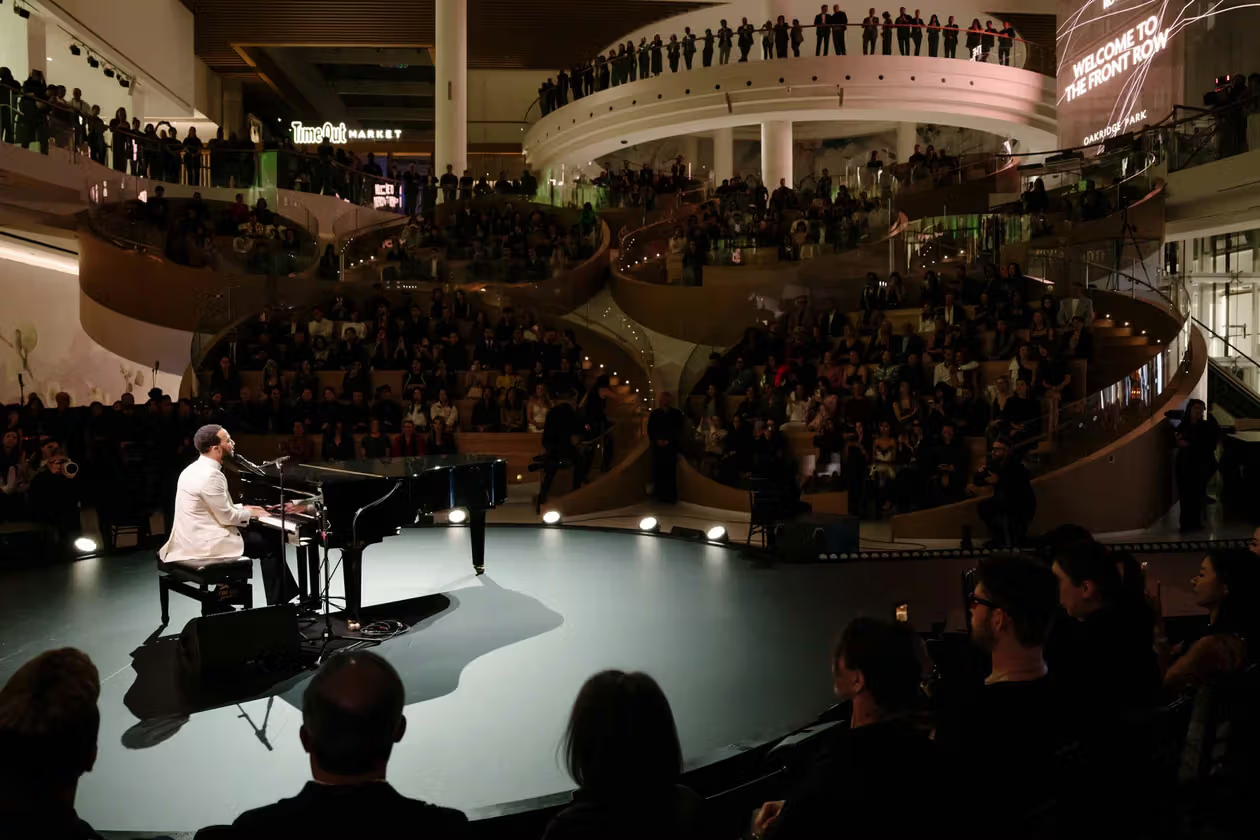
A performance photograph presents the music producer in another working setting.
What makes the fabrics of a song different?
In Chan’s account, every track carries emotion, dynamics and timbre. The producer decides how these elements sit together. As a listening method, begin by distinguishing sounds in the foreground from those supporting the background, then notice when each enters or leaves. Even without studying mixing, it becomes possible to hear that richness does not require every instrument to play at once.
The fabric comparison is particularly helpful for understanding density and empty space. Constant layers behind a melody can obscure the outline of a voice. With fewer instruments, small details of phrasing and rhythm become more apparent. These are different arranging approaches, rather than proof that complexity is always sophisticated or simplicity always direct. The producer judges whether a sound serves the emotion the song seeks to create.
How can a classical background enter popular music?
Chan discusses the shared understanding of theory, sound and aesthetics that classical and popular music can draw upon. A classical background need not announce itself through elaborate counterpoint every time. Listeners can likewise resist assigning labels too early. Follow how a melody continues and how harmony changes the mood before looking back at the techniques involved.
He emphasises having a vision and mentally rehearsing how different parts will work together. A tailor similarly begins by understanding the wearer’s body and purpose. A beautiful material is not suitable for every work simply because it is beautiful. For a music maker, removing a favourite sound that obstructs the whole may require as much judgement as adding a striking detail.
How does a piano suit differ from a standing display?
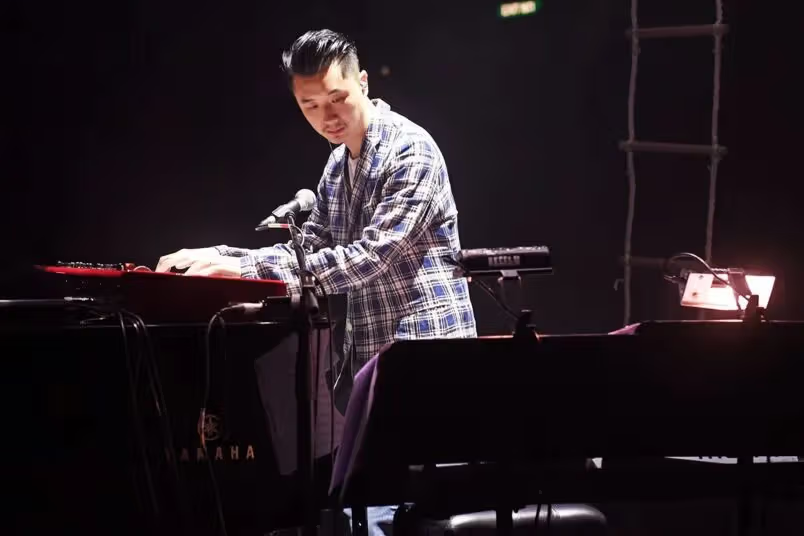
The interview describes a made-to-measure suit for the What Is Comedy concert, with a stretchable treatment around the shoulder blades and attention to the side silhouette while seated at a piano. This belongs to Chan’s particular experience with a designer; it is not a standard feature of every suit. Performance tailoring needs to consider sitting, lifting the arms and extending the elbows forward.
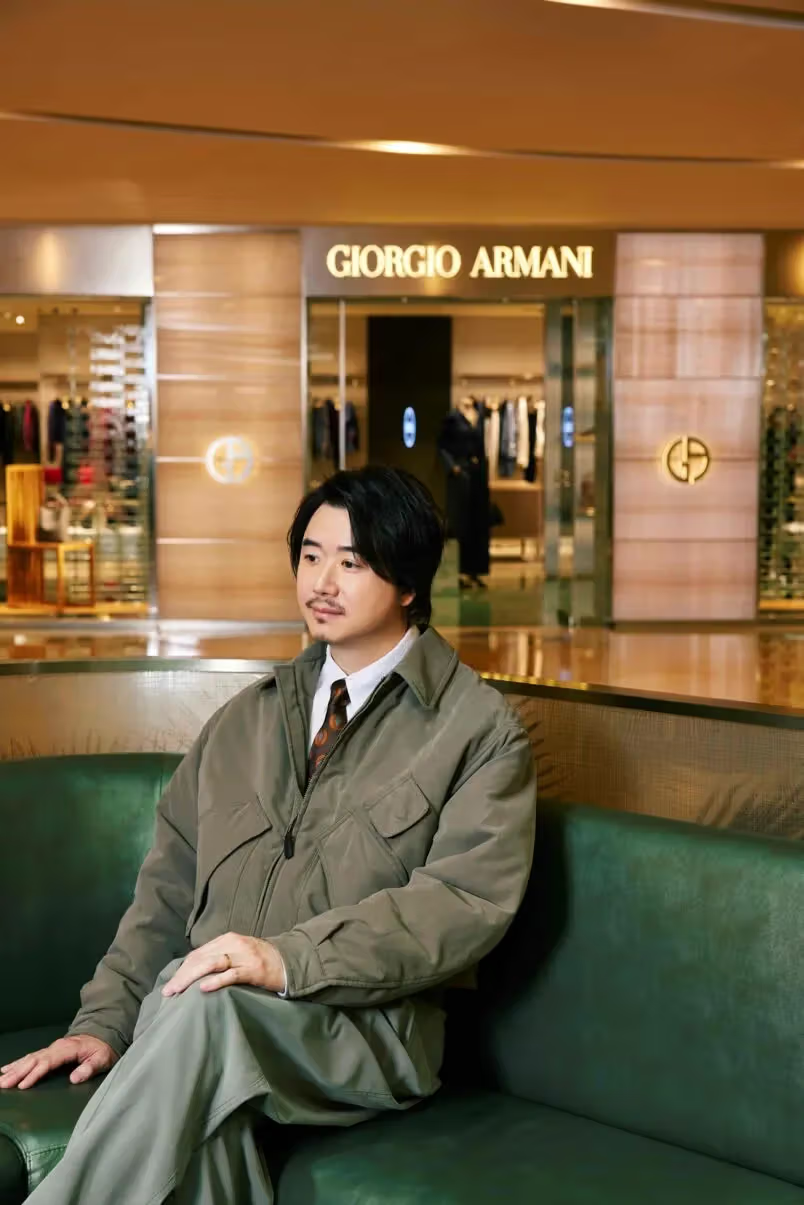
A seated position offers another view of the clothing’s length and drape.Piano playing requires clothing to accommodate a seated body and extended arms.
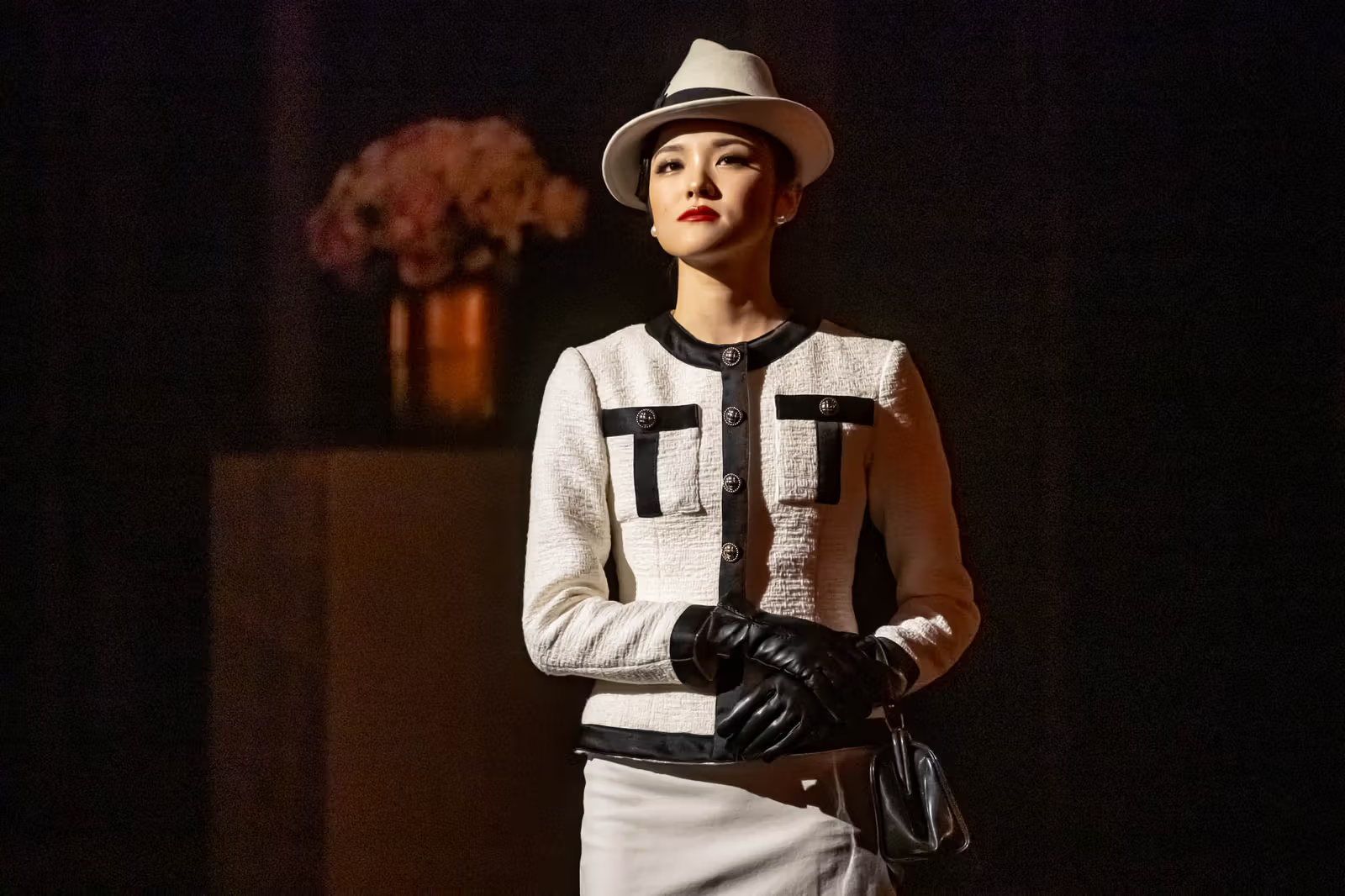
Fashion portraits and performance images show the body at rest and at work respectively. Reading them together reveals how discreet details respond to different situations. Chan’s tailoring comparison is persuasive because it returns abstract taste to observable decisions: which track needs more space, where fabric needs to extend and how a local adjustment can make the complete work more coherent.
An outdoor piano image places the performer against an open city backdrop.