Hong Kong Good Take: separate filming locations from themed experiences when planning a movie walk
The guide connects 50 screen works with more than 100 locations. Start with a neighbourhood such as Yau Ma Tei, Old Town Central or Sham Shui Po, then check individual access conditions.
The Hong Kong Tourism Board’s Hong Kong Good Take guide connects 50 film and television works with more than 100 filming locations, using screen stories to explore neighbourhoods and cultural landmarks. Visitors can download an electronic guide from the official Discover Hong Kong page or start with its Old Town Central, Sham Shui Po and Yau Ma Tei itineraries. This is an expanding tourism programme, not a pass that includes admission, transport and dining throughout the city.
Choose a screen memory, then narrow the walk to one district
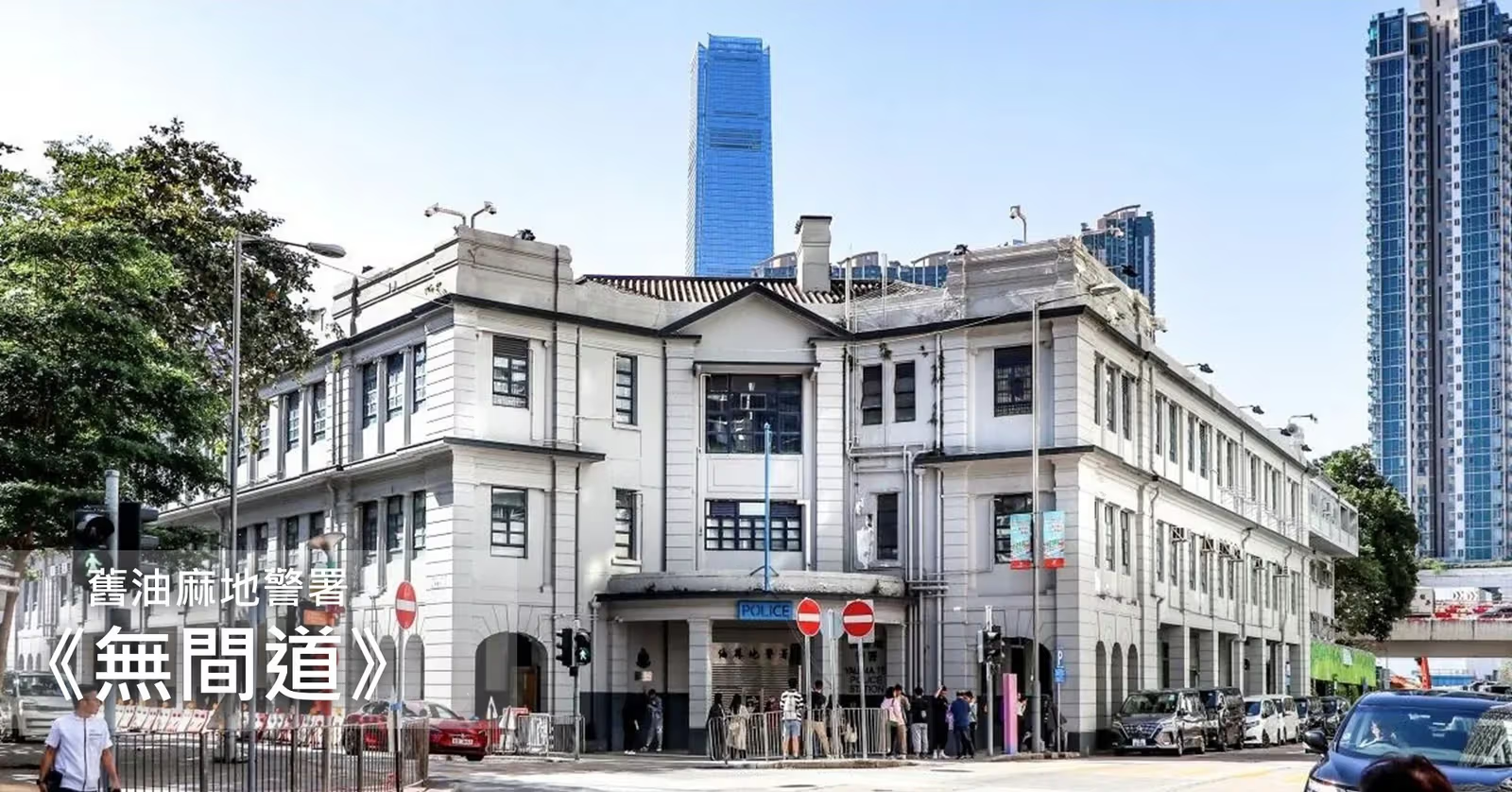
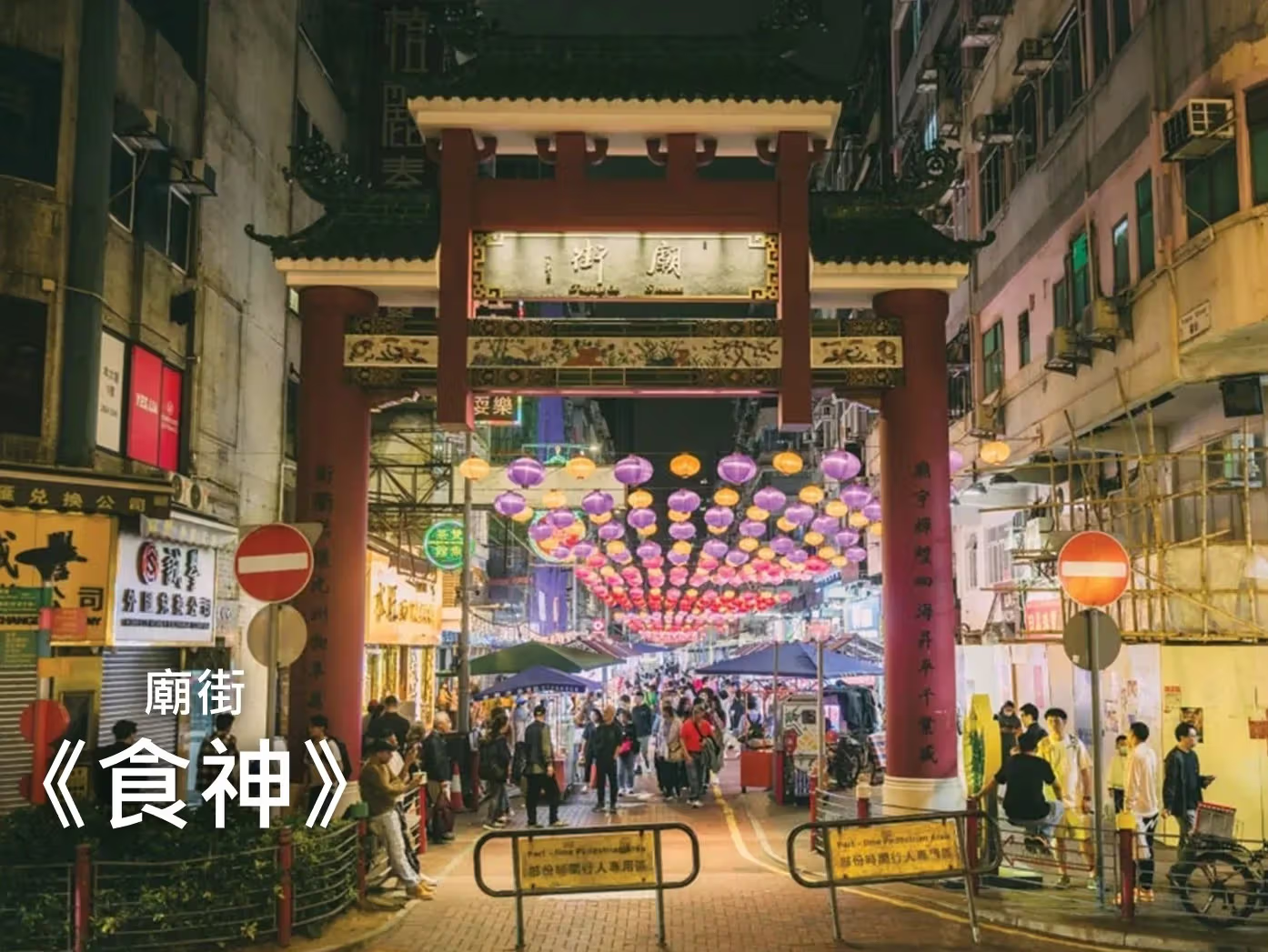
Crime-film fans could begin with the old Yau Ma Tei Police Station and Temple Street. The press materials connect the former with Infernal Affairs and the latter with The God of Cookery; the official district route also places the fruit market, street markets and Temple Street within Yau Ma Tei’s neighbourhood setting. These are screen memories and places still used in everyday life. Respecting pedestrians, traffic and on-site rules is more practical than expecting a district to reproduce its appearance from a film’s production period.
Another approach is to read buildings and streets. The Old Town Central route includes the Mid-Levels escalator, Graham Street and Lan Kwai Fong, while Sham Shui Po lists places such as Lui Seng Chun, Apliu Street and the former North Kowloon Magistracy. Pick one district as an anchor, then choose works to revisit, rather than squeezing every location into one day. A listing does not imply a dedicated shuttle, shared ticket or identical opening hours between stops.
A police station, restaurant and wheel are more than film stills
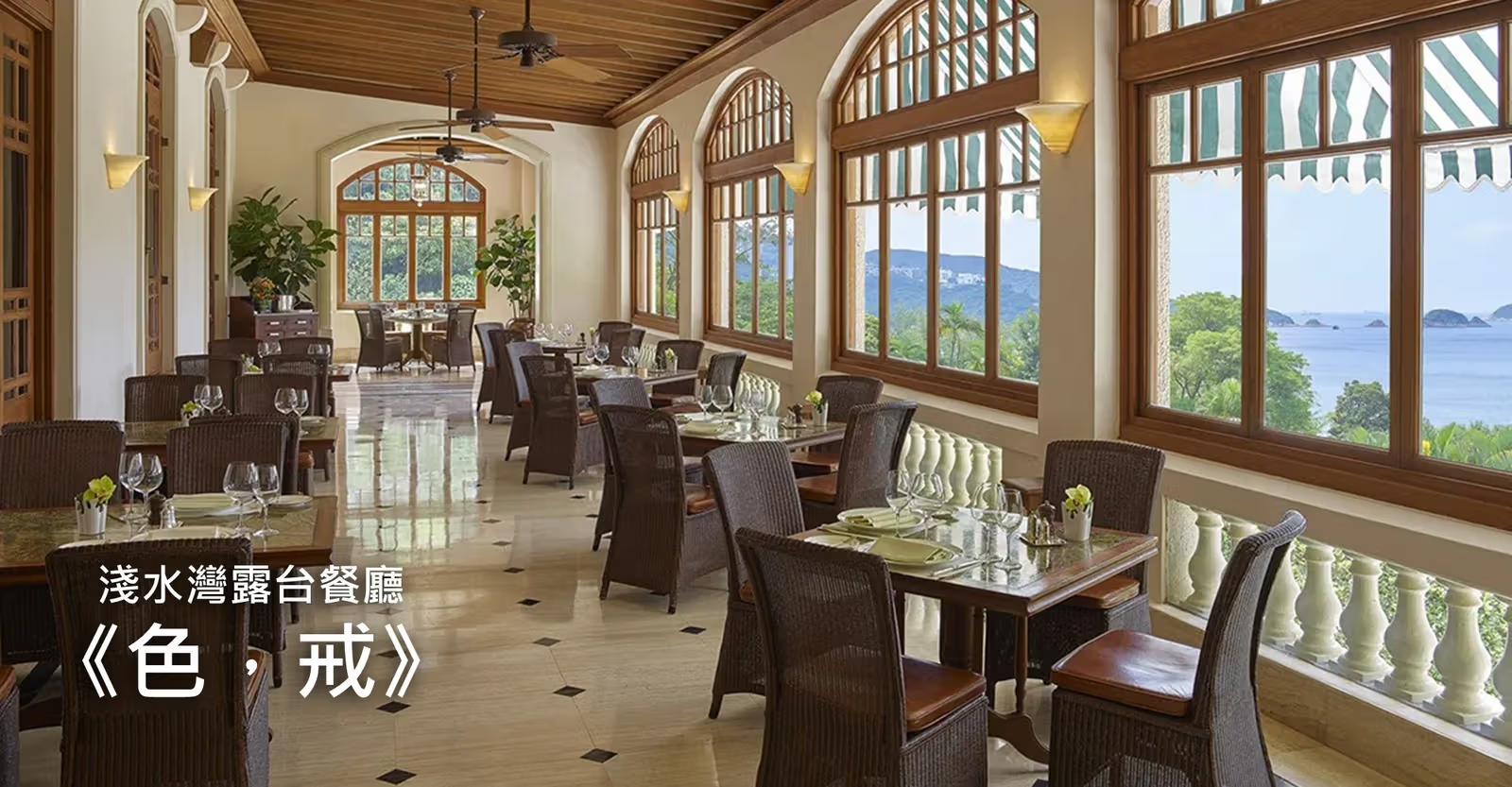
The supplied police-station photograph sets a white historic building against surrounding towers. The Verandah at Repulse Bay offers another spatial rhythm through arched windows, a timber-toned ceiling and sea views. The press release links the restaurant to Lust, Caution, while another official feature also discusses Love in a Fallen City. A place can carry several cinematic associations. A film title printed on publicity imagery does not turn it into a movie still, evidence of a cast visit or access to an exclusive film set.
The Verandah publicity image, linked to Lust, Caution in the release.
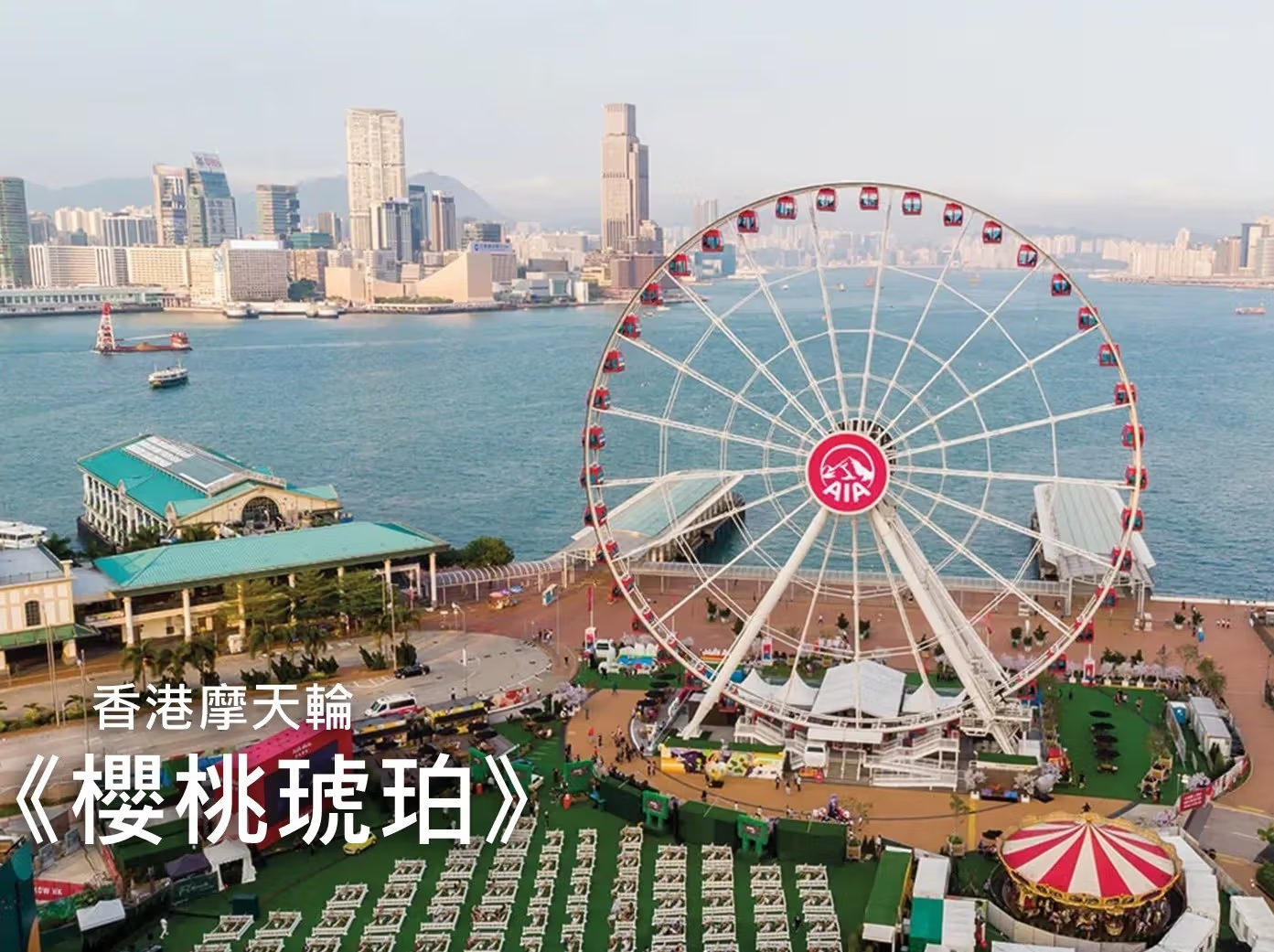
The Hong Kong Observation Wheel’s connection with Our Generation extends the programme beyond classic Hong Kong films into television drama. The supplied harbour, pier and wheel view contrasts with the gateway, lanterns and dense building fronts in the Temple Street night image, presenting two different urban scales. These are visual cues in official tourism materials, not TIDEZINE’s assessments after riding, dining or visiting. Wheel fares, restaurant reservations and current access conditions require separate checks.
The Hong Kong Observation Wheel and harbour, linked to Our Generation.Temple Street’s night view offers another neighbourhood scale, linked to The God of Cookery.
Plan film-culture venues separately from location streets
For preservation and exhibition rather than simply recognising backgrounds, the page also brings together Broadway Cinematheque, the Avenue of Stars, the Hong Kong Heritage Museum and the Hong Kong Film Archive, with features on Leslie Cheung and Anita Mui. The Kowloon Walled City movie-set exhibition and the Yau Ma Tei Police Station film experience are themed attractions whose own venue and event pages should be read. Historic remains, working streets, recreated sets and cultural institutions offer different ways of looking; they should not all be reduced to the same kind of shooting location.
Start by downloading the guide, selecting one work and one district, and checking opening, reservation and payment conditions before adding a cultural venue or restaurant. The release says the industry will gradually introduce film tours and dining experiences; that does not guarantee a particular tour is confirmed, every restaurant has a themed menu or every building interior is accessible. Let screen stories suggest questions about the city, then choose according to available time and interests, rather than merely collecting the same familiar camera angles.