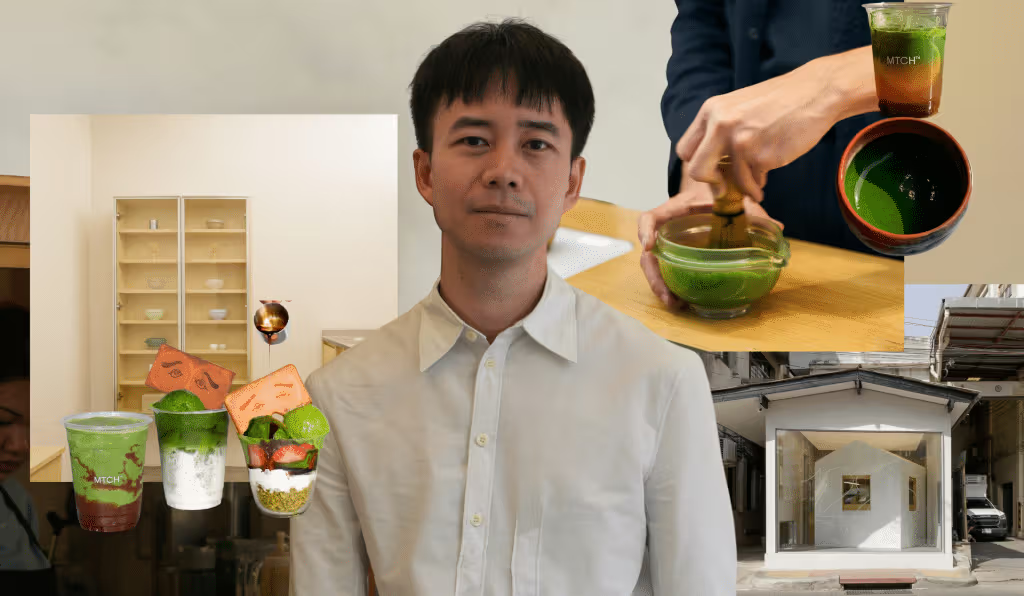
As matcha cafés multiply in Bangkok, MTCH founder Sorawit “Jew” Phankasem asks what makes a tea shop worth a particular journey. He and his wife Chetthida “Ja-ae” Netmukda began the brand in Ari in 2020, later taking it into different neighbourhoods. In a recent profile, tea, pricing and space form connected decisions about how a cup is understood.
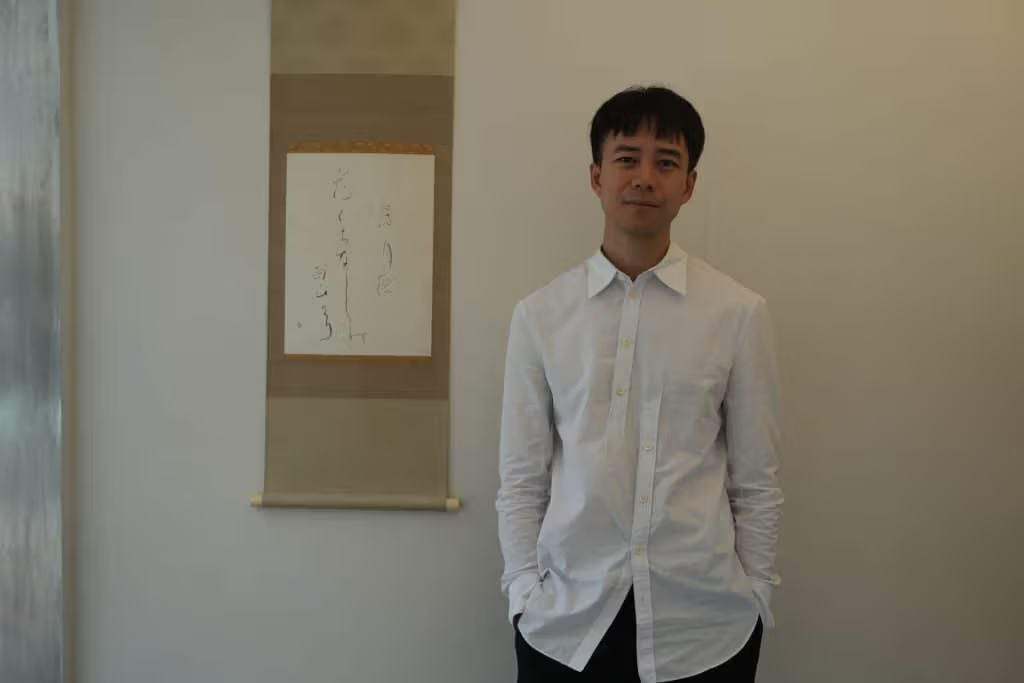
A simple setting and clothing keep the founder’s portrait restrained.
Why take tea seriously without building a barrier?
Beginning with his enjoyment of matcha, Jew compared regions, producers and powders and visited Uji in Japan to understand production. Tea means more than a green ingredient to him; it connects with land and tea-making families. That understanding can enrich a menu without requiring every customer to know all the terminology. First-time drinkers and experienced enthusiasts can still find a starting point in one shop.
A practical way to order is to describe what you normally drink and whether you want a distinct tea flavour, milkiness or a lighter texture. Different powders should not be ranked only by depth of colour. Adding milk changes the presentation too. Starting from personal drinking habits is more useful than copying someone else’s favourite.
How can pricing encourage a next comparison?
Jew says MTCH aims for a more consistent profit per cup instead of applying the same proportional markup to every powder. The profile mentions a range of about THB140–250 per cup. This describes his approach and the information at the time, rather than a complete current price list for every branch and item. The intention is to keep changes in the price of costlier powders understandable, allowing customers to explore gradually.
For consumers, a menu that explains origin, powder and preparation gives a price difference meaning beyond a number. A more expensive tea does not necessarily suit everyone. Expectations still matter. Explaining choices can establish a more sustained conversation than placing every item beneath an abstract premium label.
Why do Song Wat and Sathorn avoid identical interiors?
The Song Wat branch uses the front of a local home, retaining its character and the house number on the window, with a counter resembling a little house. Sathorn occupies a guesthouse corner where exposed pipes and structural columns enter the design. They look different but both let place participate. Older buildings influence where people pause, order and watch preparation, rather than serving only as photographic backgrounds.
Jew wants Thailand to become a destination that tea enthusiasts visit deliberately. This is a brand ambition rather than a measured tourism achievement. From Ari to Song Wat, MTCH is interesting for its connection between Japanese tea ingredients, Bangkok neighbourhoods and relaxed routines. Confirm branches and current menus before visiting, then allow time to notice how the cup and its surroundings support one another.