Narikura Taipei’s white tonkatsu: why pale crumbs, aged pork and separate servings matter
The Tokyo brand adapts gradual low-temperature frying, resting and local pork. From layered meat to counter courses, technique becomes the rhythm of a meal.
Tokyo tonkatsu brand Narikura opened in Taipei in October 2026. Its striking pale coating is fundamentally about controlling heat. Founder Seizo Mitani starts at a low temperature, gradually raises it and rests the meat after frying, serving different cuts separately. For diners accustomed to golden, crisp pork cutlets, the comparison concerns how heat, texture and timing work together, beyond a novel appearance.
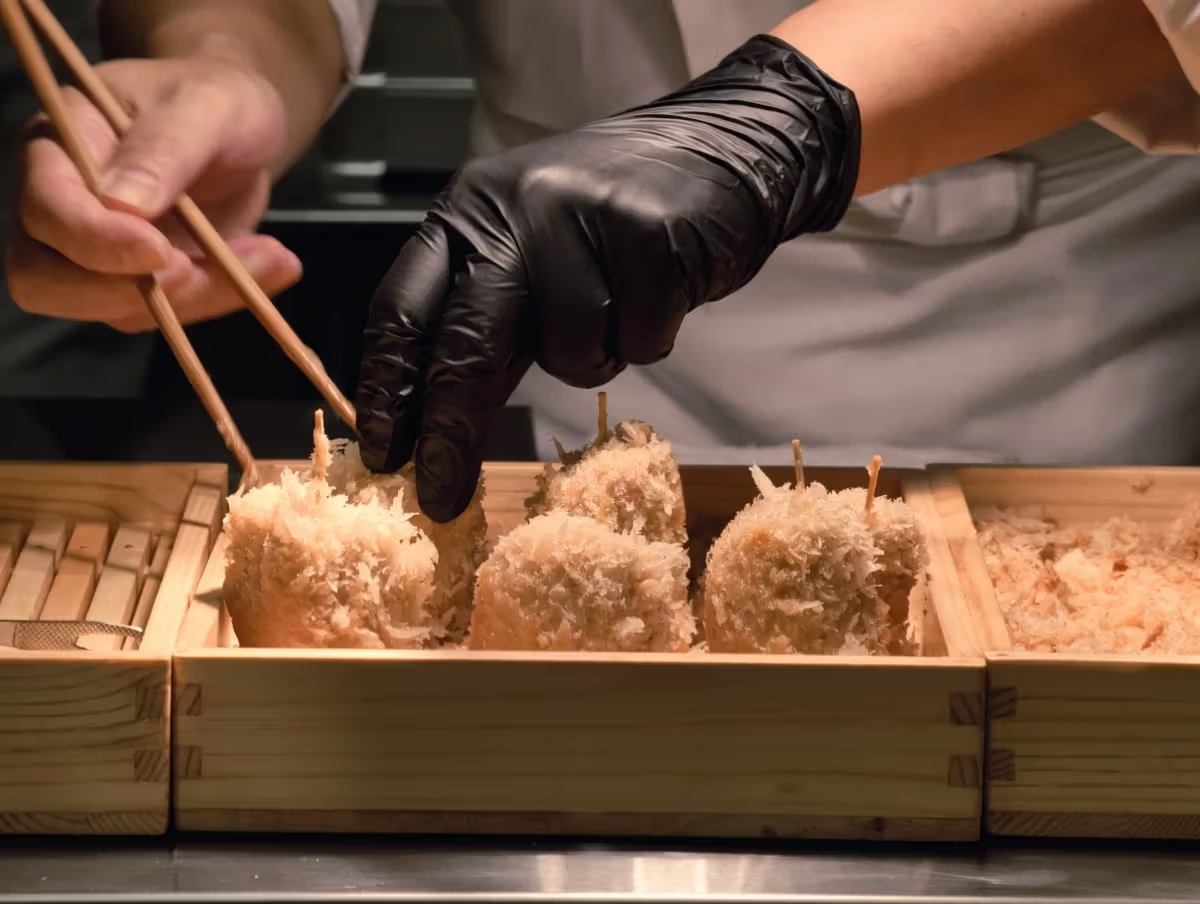
Meat is coated with breadcrumbs during preparation.
Whiteness was not the starting point; limiting heat’s effects was
The technique developed through repeated experiments during quiet early trading. Mitani tried prolonged frying from cold oil as well as short, hot frying followed by long resting, gradually establishing a slow, low-temperature process with rising oil temperature. Pale crumbs resulted from the method rather than a prior decision to make white tonkatsu. The whole sequence addresses how coating and centre reach their desired condition together.
Coating colour is not the sole indication of doneness. The brand must manage oil condition, meat size, thickness and fat distribution alongside frying and resting. These variables explain why fixed seconds cannot fit every piece, and why a restaurant technique should not become a home recipe based only on photographs. The approach is continued observation of ingredients, rather than a formula in which “low temperature” guarantees texture.
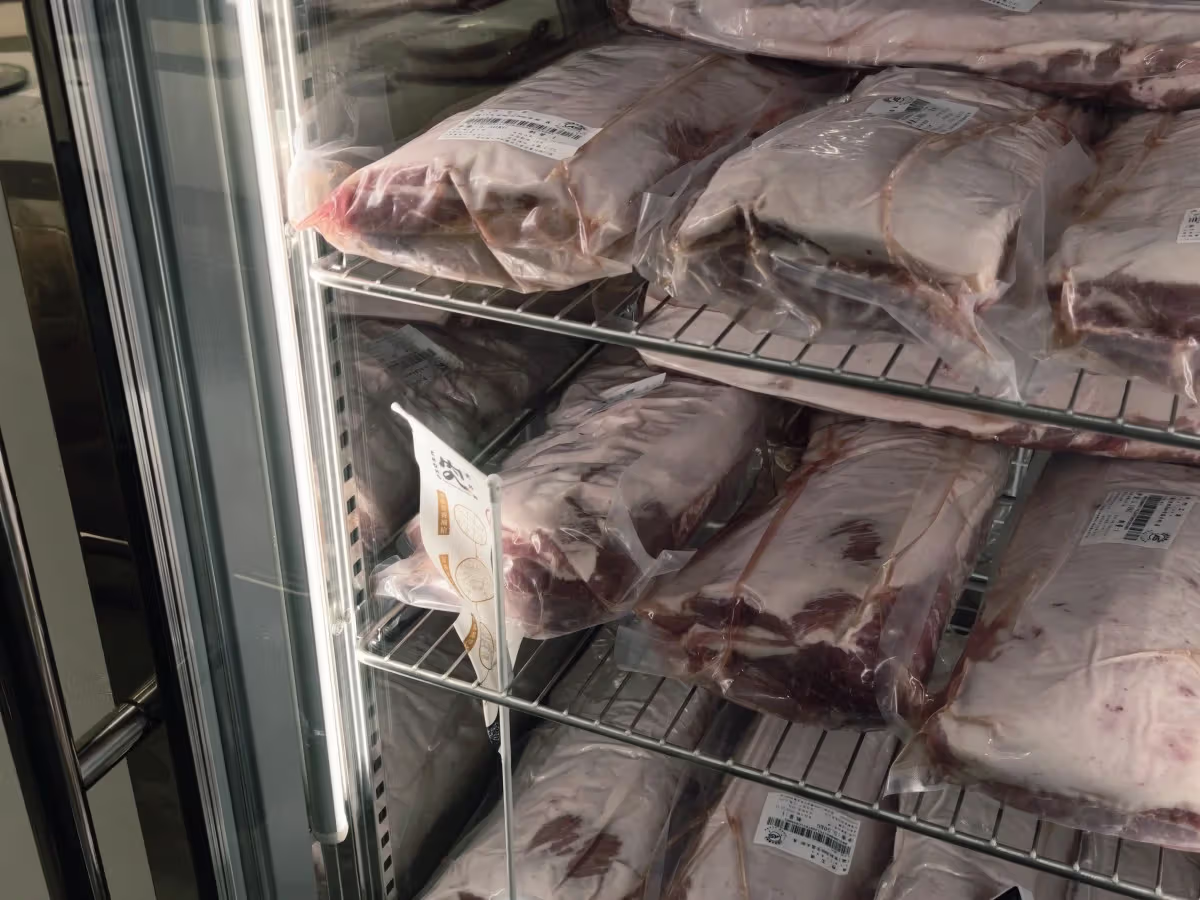
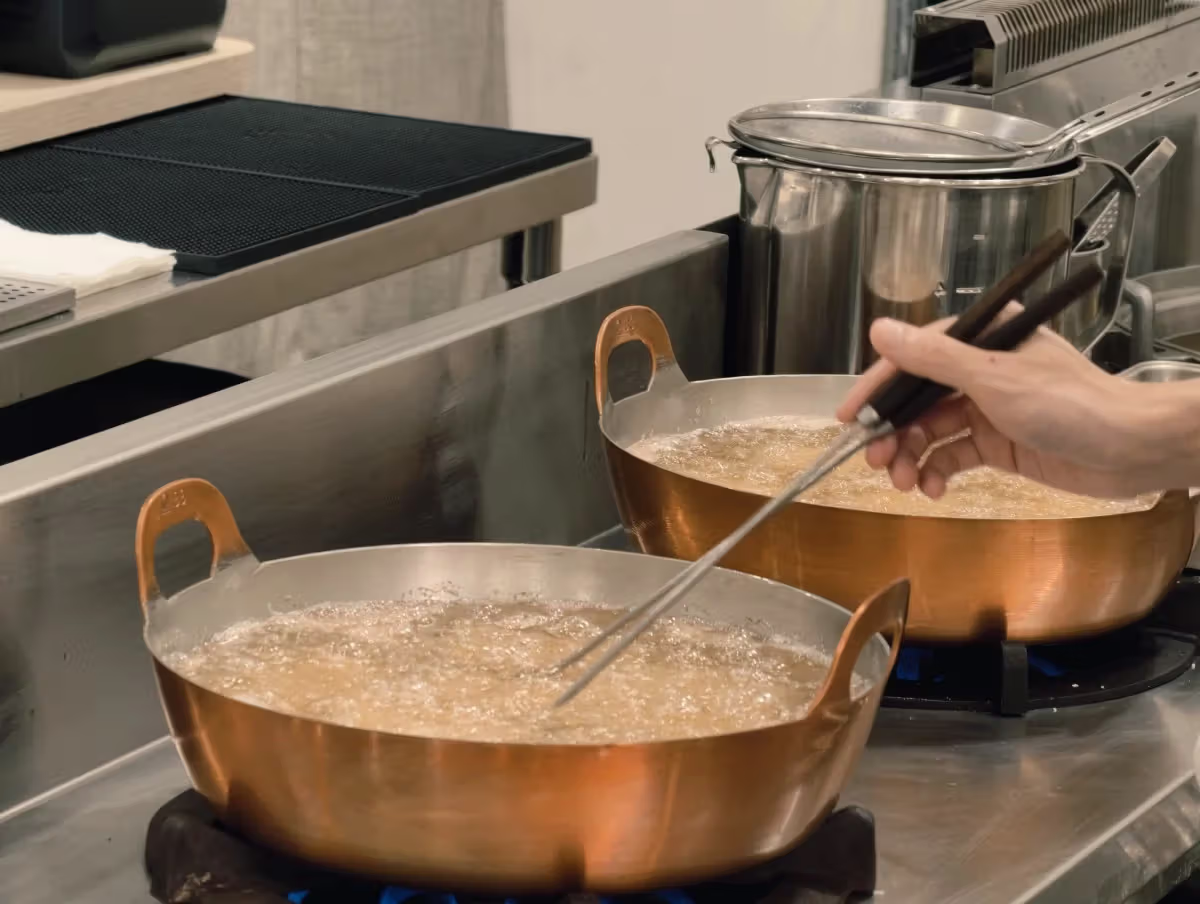
Wrapped pork is stored in refrigeration equipment.A chef observes frying in the pan.
Local pork and ten-day ageing restart the Taipei version from ingredients
Taipei uses Taiwanese producer CHOHO, with the team studying its lean-meat elasticity and fat characteristics and employing around ten days of ageing to adjust texture and savouriness. Rather than transplanting Tokyo’s ingredients and timing unchanged, the same thinking about heat meets a different material. Diners can focus on differences between cuts without assuming imported pork must suit the technique better than local meat.
Layered tonkatsu also starts from ingredient use, slicing meat unsuitable for a conventional loin cutlet thinly and stacking it according to lean-to-fat proportions. Its fibres and cross-section differ from a whole cut, allowing a comparison of solid and layered structures within one meal. The brand-recommended tenderloin “Sha-ton-briand” places delicate heat control in the foreground, pursuing a different kind of deliciousness from fattier cuts.
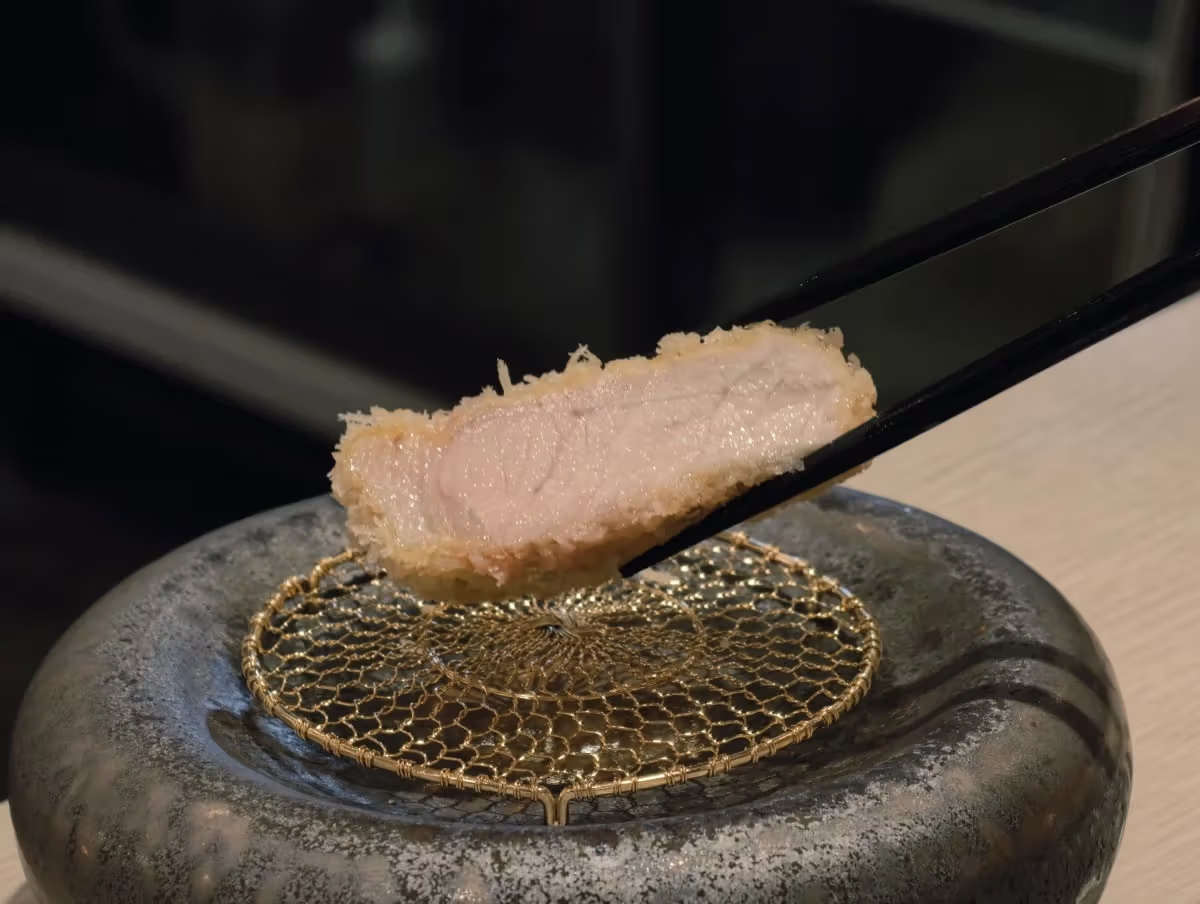
A lifted slice reveals its cross-section and outer coating.
Separate servings count carryover heat and waiting as part of the course
Taipei follows a counter-course approach, with cuts arriving in sequence because residual heat continues affecting meat after it leaves the oil. Frying, resting, cutting and eating each involve intervals. A table filled with all the fried items at once has a different rhythm from each piece reaching its own moment. Fine dining here refers beyond décor and price to a way of managing a dish’s condition.
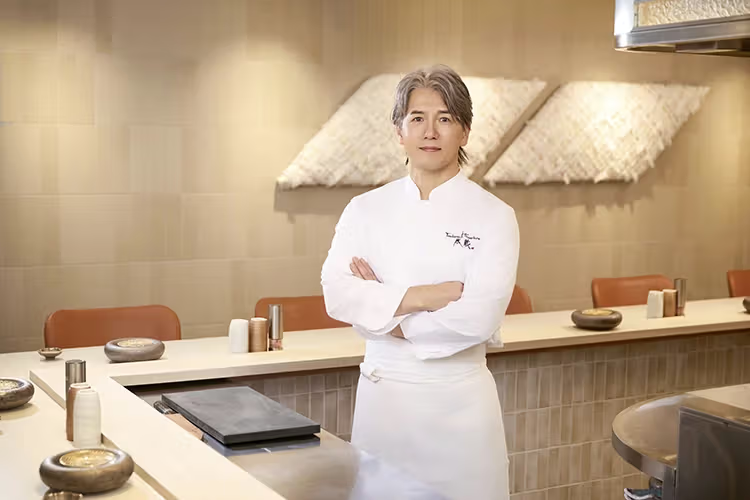
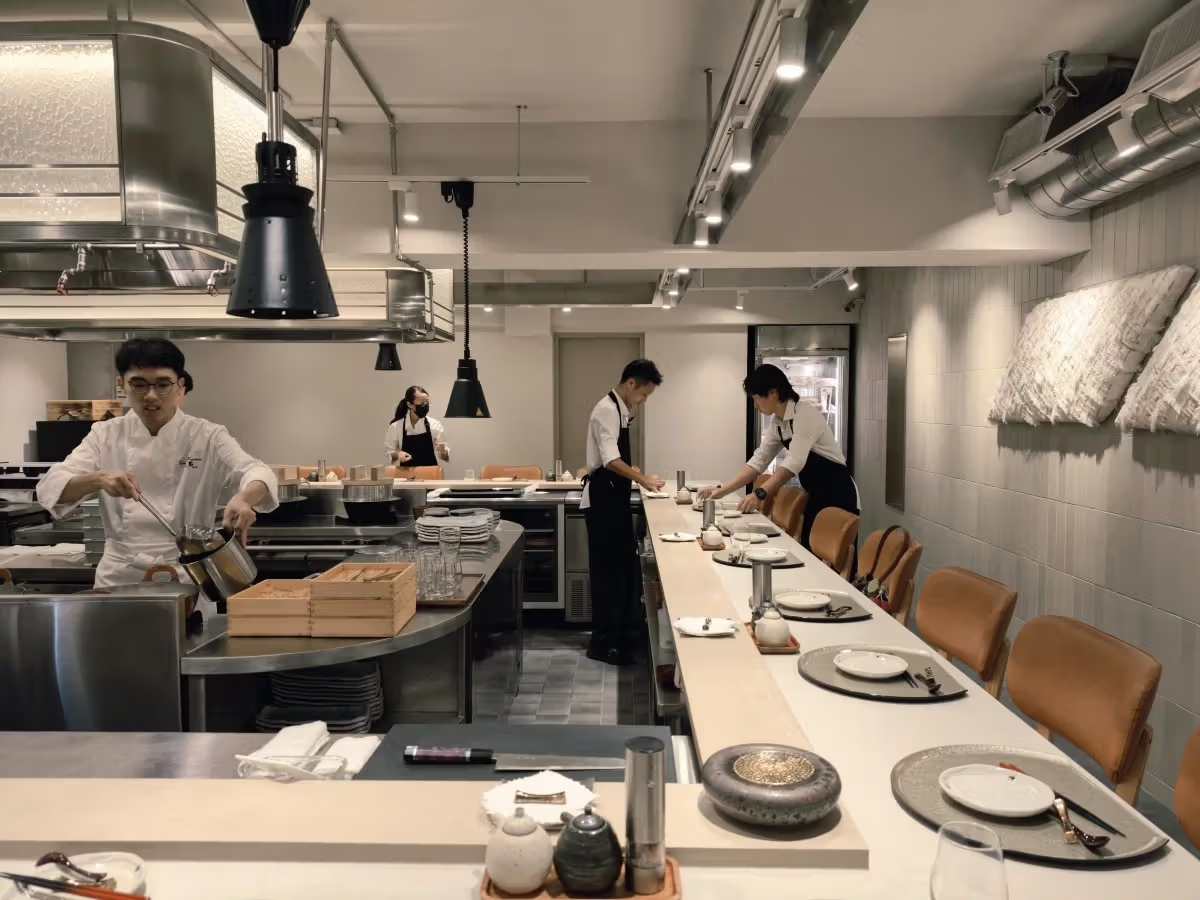
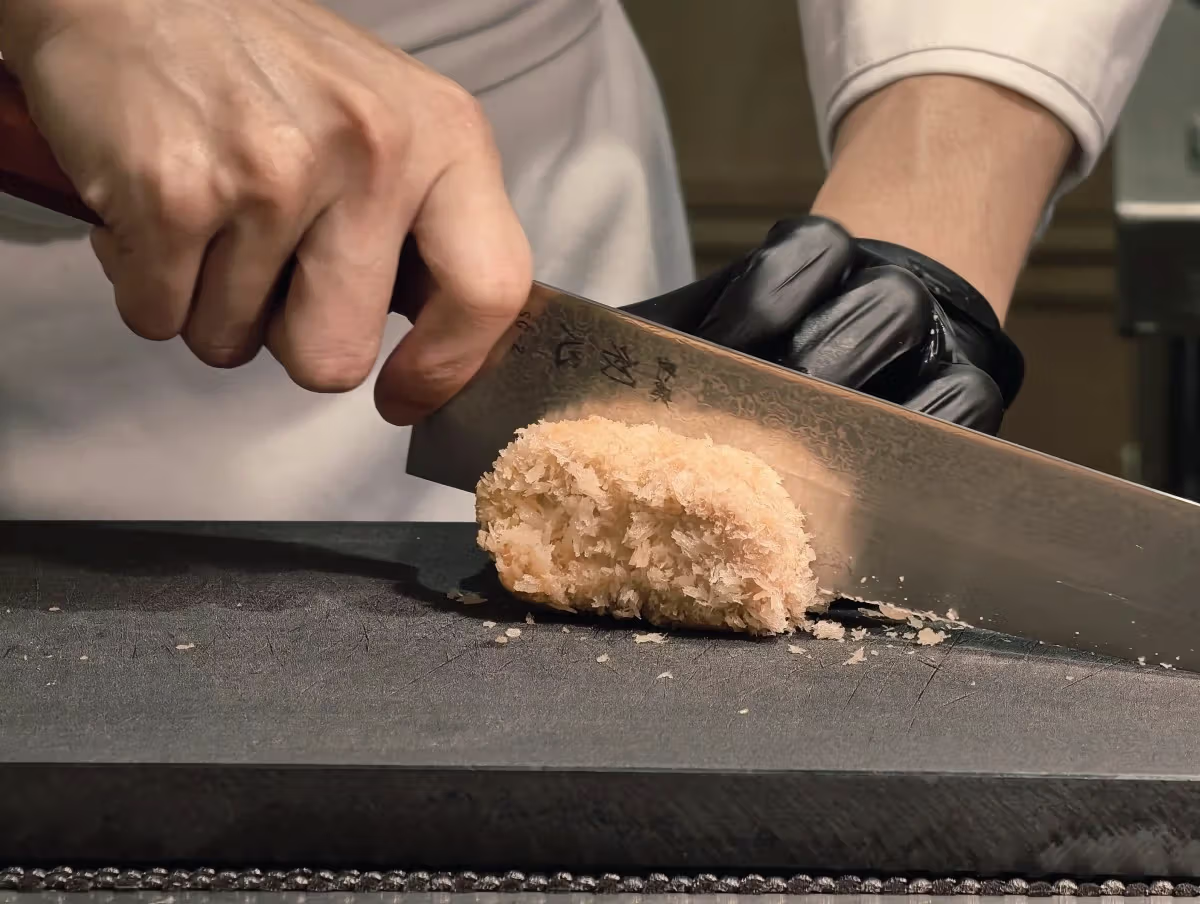
A counter joins the kitchen and guest seating.A cutlet is sliced after frying, showing coating and centre.
The Taipei restaurant is at 1 Alley 28, Lane 27, Ren’ai Road Section 4, Da’an District. Opening menus started at NT$980; current items, prices and seats follow the booking offer. The overseas team trained in Tokyo, converting oil temperature, frying, centre temperature and resting into shareable numbers while still adjusting for each cut. Look first at which cuts and structures a meal compares, then choose quantity and budget. Pale crumbs are the entry point; the more interesting story is a familiar dish broken into precise decisions.