Prune Nourry’s Visionnaires Returns 18 Women Sculptors to View
At the Petit Palais through January 24, 2027, Prune Nourry’s portraits of 18 women sculptors enter the permanent collections. Admission is free Tuesday–Sunday from 10am, with final entry at 5:15pm.
Paris’s Petit Palais invites Prune Nourry to intervene in its permanent collections through Visionnaires, bringing portraits of 18 women sculptors from the late 19th and early 20th centuries back into view. Already open, the exhibition runs October 20, 2026–January 24, 2027. Its starting point is to recognise women as creators with names, works and historical positions, rather than only as subjects of sculpture. A face becomes an entry into further research.
A year of research before the portraits
At the artist’s invitation, three art historians spent a year gathering writings and photographic portraits of the 18 sculptors. They include Käthe Kollwitz, Nancy Elizabeth Prophet, Hélène Bertaux, Jane Poupelet and Sarah Bernhardt. This preparation grounds the making of portraits in specific records. Recognising a name is a beginning; connections between writings, photographs and artworks help make a creative career understandable.
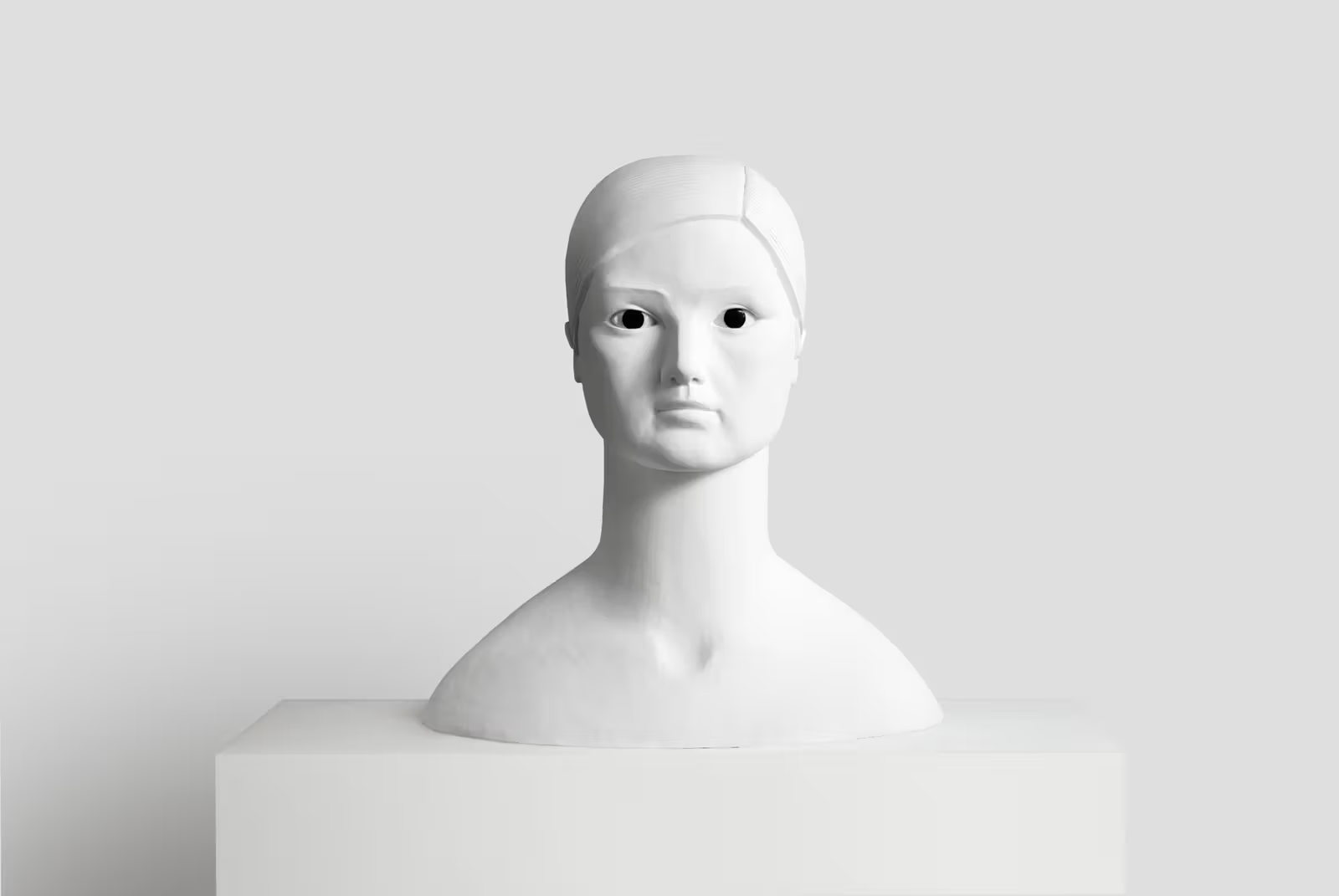
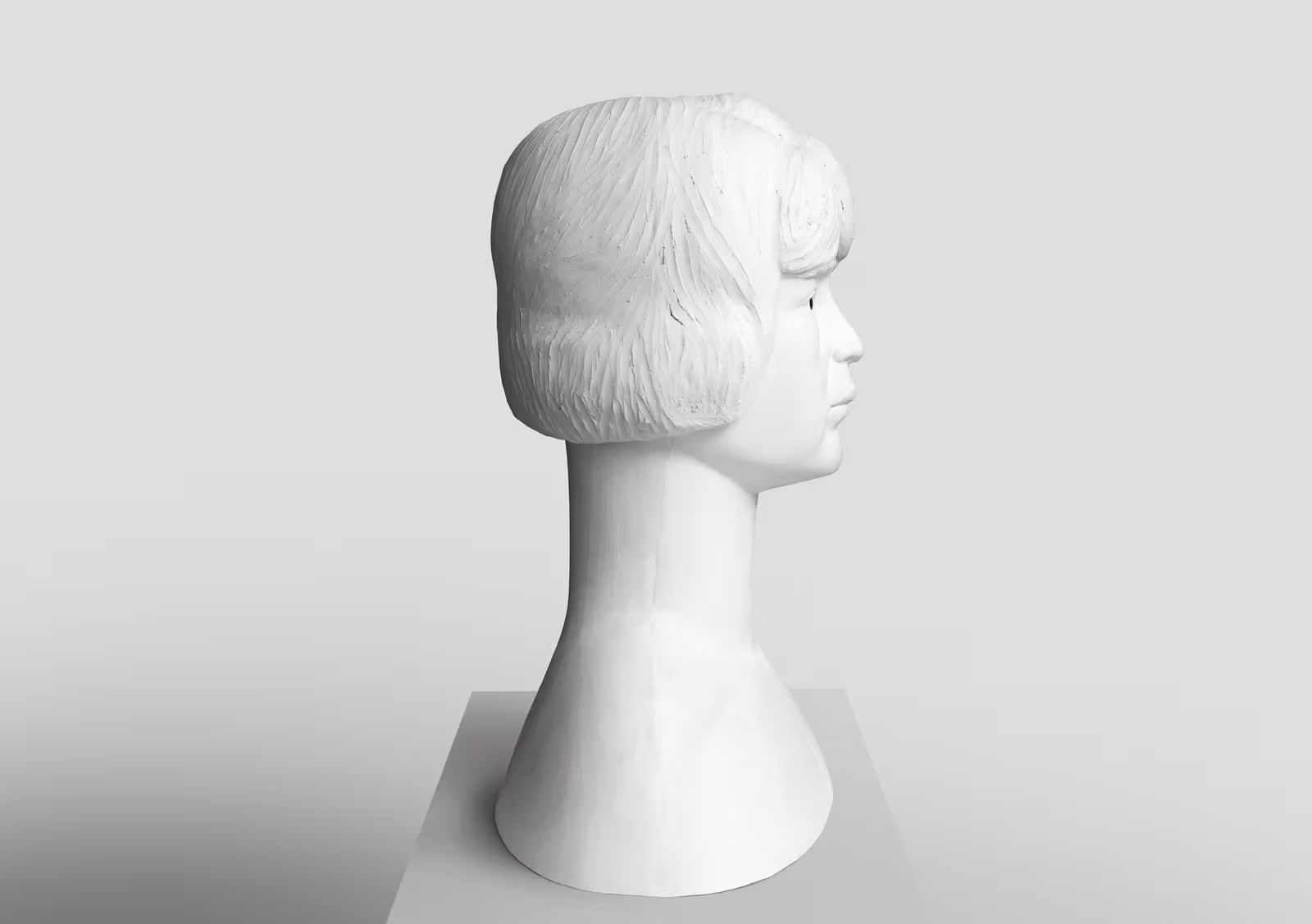
Working from archives, Nourry also confronts limits of photographic angles, age and surviving information. The sculptures are contemporary interpretations, not claims of complete three-dimensional reconstruction. In published images, light and dark eyes contrast with white facial surfaces. Viewers can begin with gaze, posture and shoulder-to-neck proportions, then return to each subject’s written background.
Different scales change the viewing distance
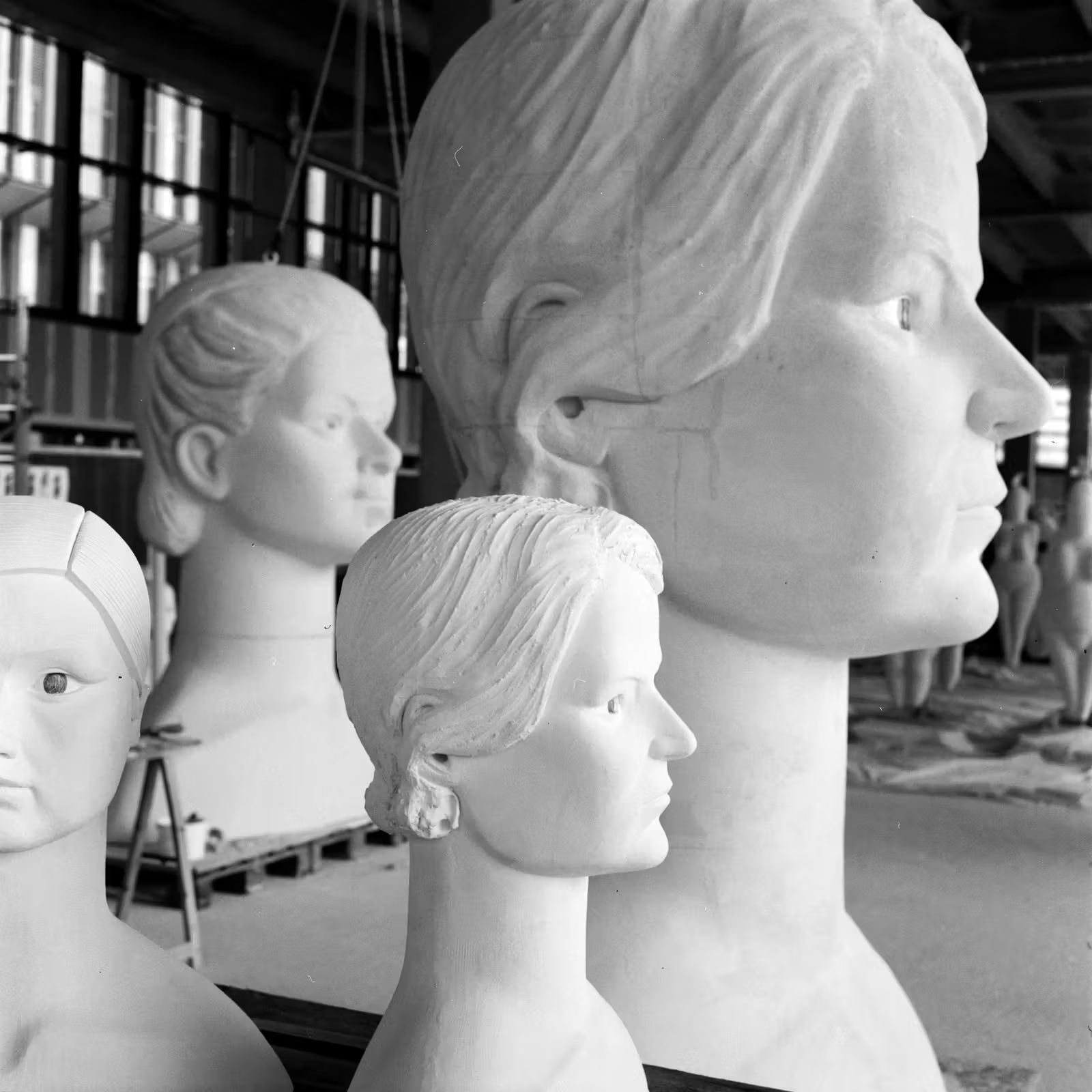
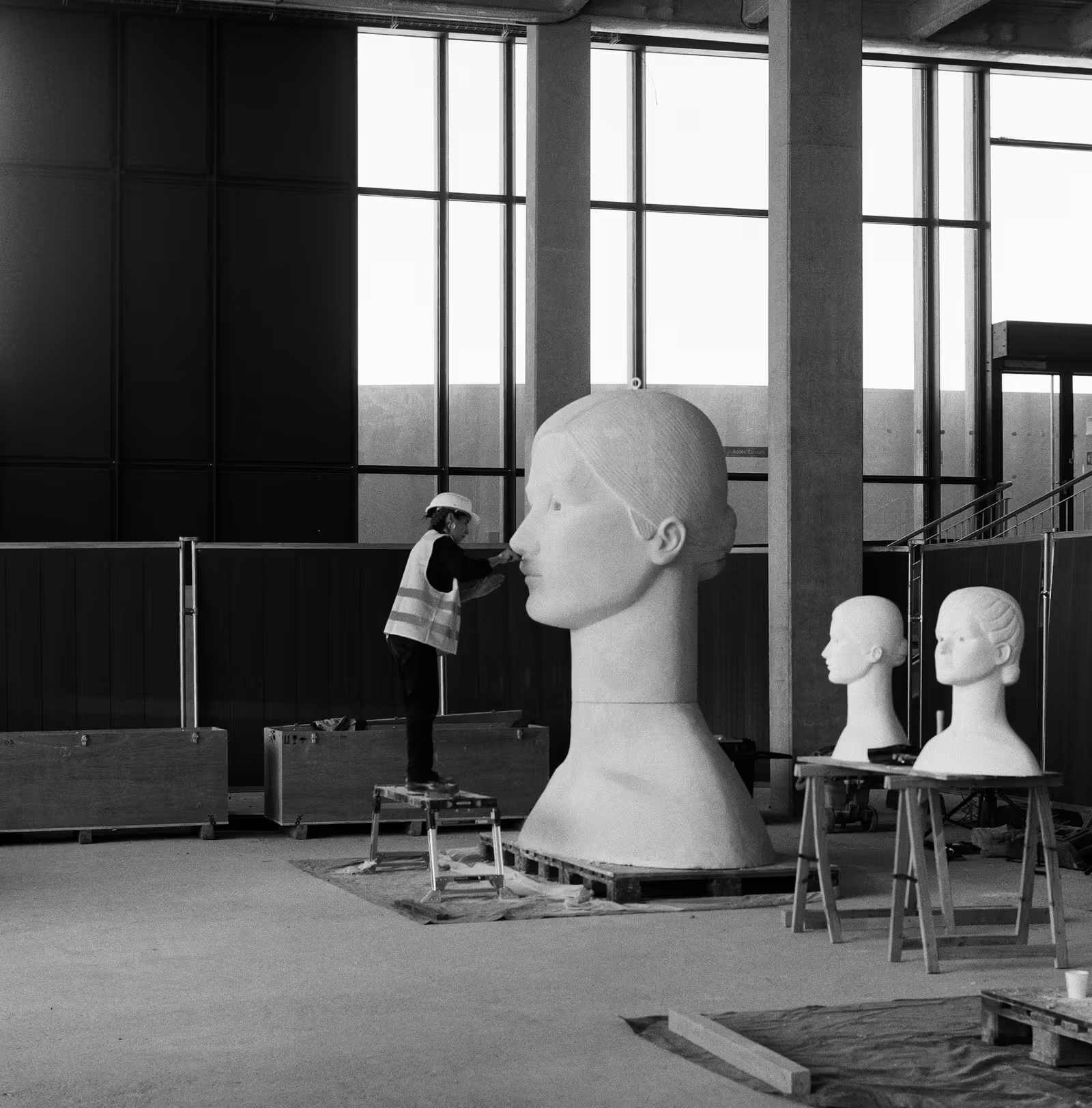
Studio photographs bring heads of different sizes together. Some are objects that could stand on a table, while others require the artist to work from an elevated position. Scale changes the distance from which the same portrait subject is seen: closer viewing reveals surfaces and hair, while larger heads and shoulders establish a direct relationship with the viewer’s body. One detail photograph cannot describe the whole group.
Portraits of different sizes in the studio reveal changing head and shoulder proportions.A process photograph of Jane Poupelet shows the scale between artist and sculpture.
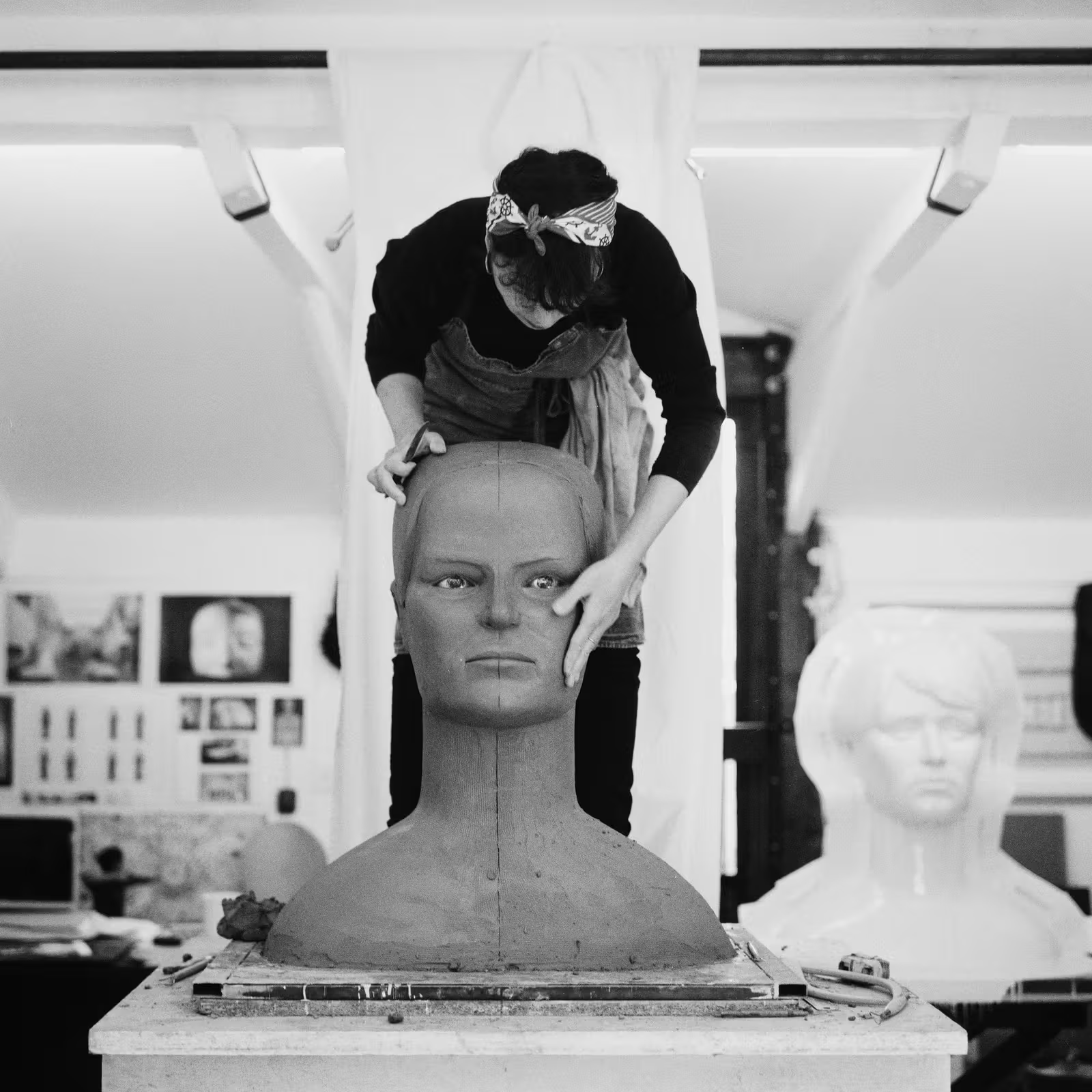
The frontal photograph of Jane Poupelet and images of its making distinguish a finished appearance from a working stage. Museum labels also specify materials, including white-patinated bronze and marble eyes. A white appearance therefore does not justify describing every portrait as the same kind of plaster. The selected process images are studio photographs and should be understood separately from the completed exhibition installation.
Prune Nourry works on details of a large portrait in her studio.
Free access, with names to take into further reading
The exhibition is free within the permanent collections. Official information gives access Tuesday–Sunday from 10am, with last entry at 5:15pm. Allowing time to read labels and move between existing works and the new portraits is more useful than treating the final admission time as an arrival target. As the exhibition crosses the year-end period, check current opening and special-day notices.
Wang Jingyuan is shown in profile, revealing hair and outline.
A Visionnaires audio guide on Bloomberg Connects draws on the sculptors’ letters and writings, voiced by artists today. Consult the official Petit Palais exhibition page before deciding which people to follow first. The useful outcome need not be remembering 18 faces at once; it might be one creator’s name, and a question that leads from her portrait towards her work.