Susan Fang Spring/Summer 2027 Air Illusion: transparent layers, flowers and 3D printing
The designer talked about opera costumes, blue and white porcelain and digital modeling in a public interview.
Handicraft and technology are involved at the same time, and they are not two production methods that replace each other.
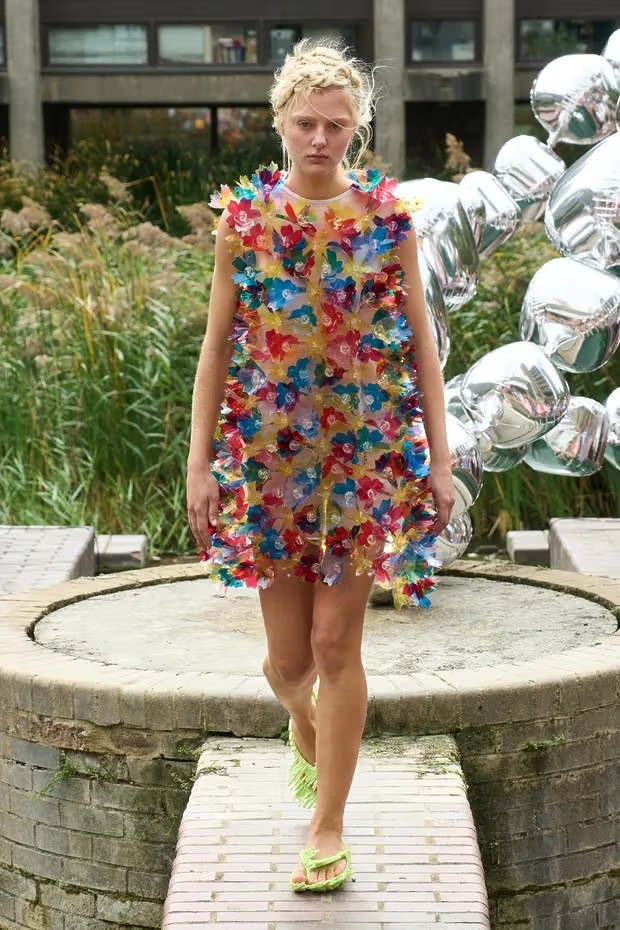
Susan Fang's 2027 spring and summer series "Air Illusion" takes love, illusion and memory as its themes, placing transparent layers, flowers and geometric structures in the same clothing world.
In a public interview, the designer talked about how working on opera costumes inspired the new series, and also explained how handicrafts and 3D printing are involved at the same time, allowing abstract feelings to be transformed into materials and shapes that can be worn on the body.
Cover image: 이동호
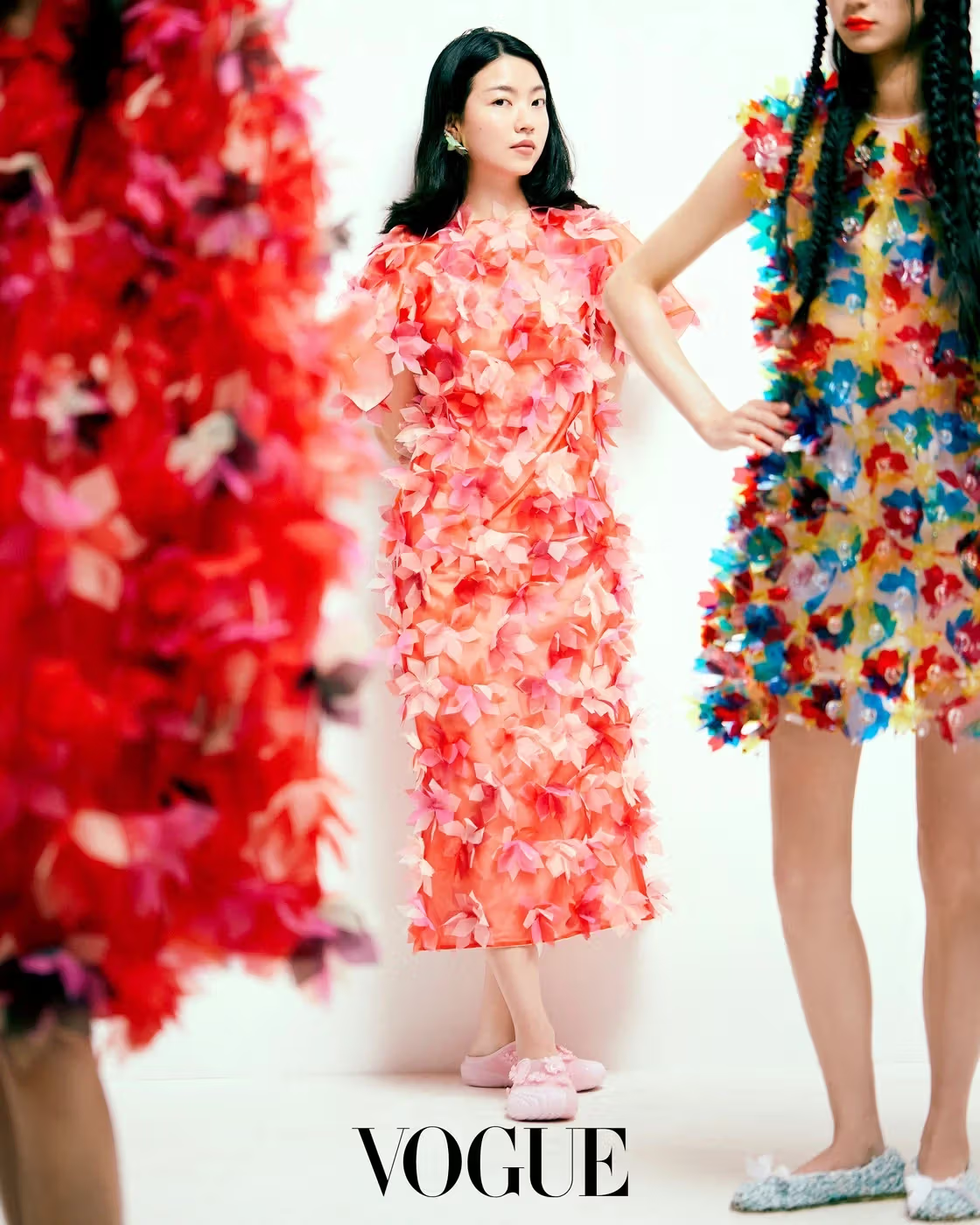
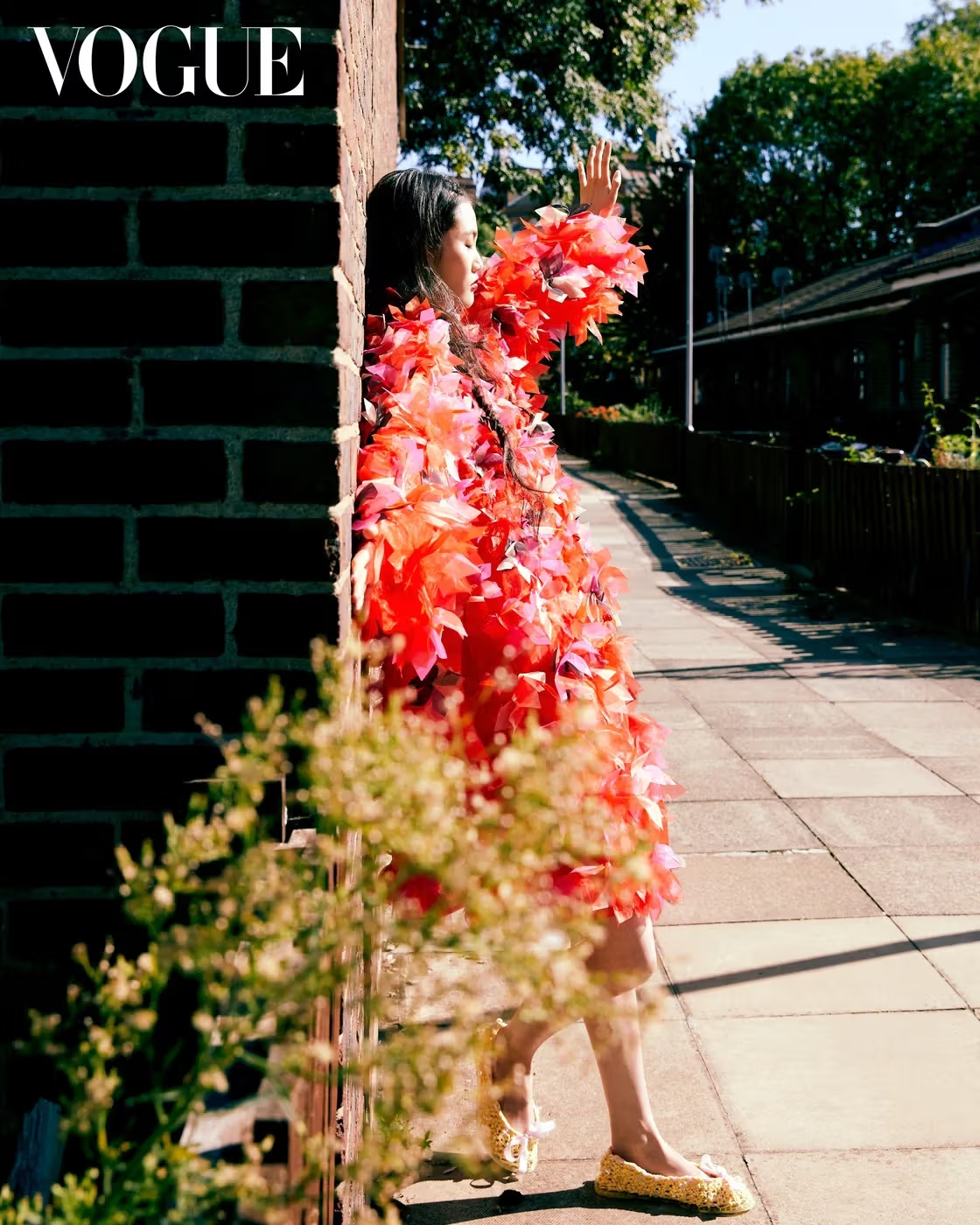
Susan Fang floral and three-dimensional clothing styling. Image: GoRunway, Launchmetrics SpotlightSusan Fang publicly edits the colors and outlines of images. Image: 이동호
Transparent cheongsam, from complete image to fragments
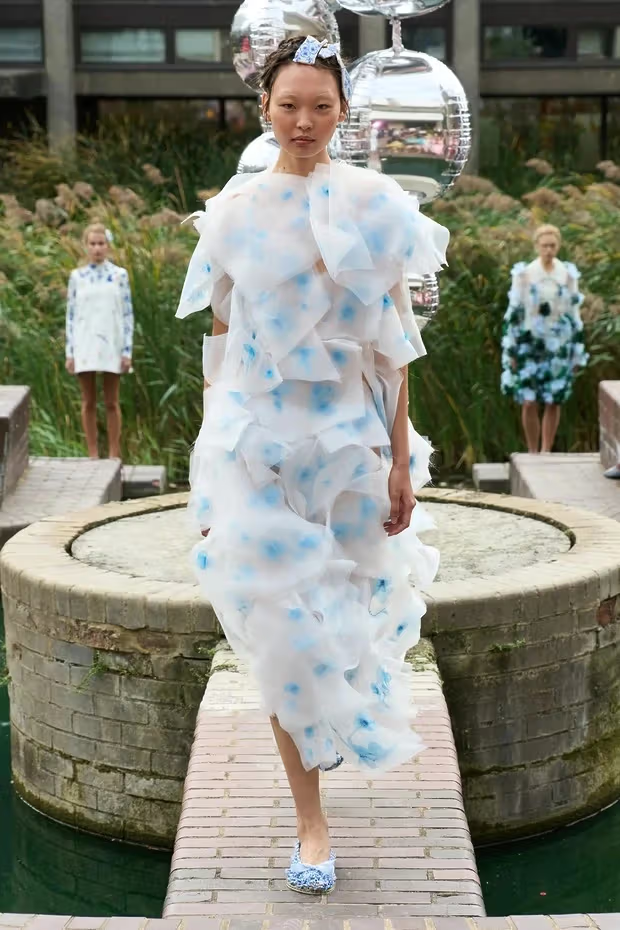
The blue and white porcelain cheongsam in the series is made of multi-layered transparent organza, blue fragments and pieced construction, showing a state like porcelain that still retains its image after being broken.
The traditional image is not directly turned into a flat print, but is placed between layers, allowing the viewing angle and distance to affect how it is recognized.
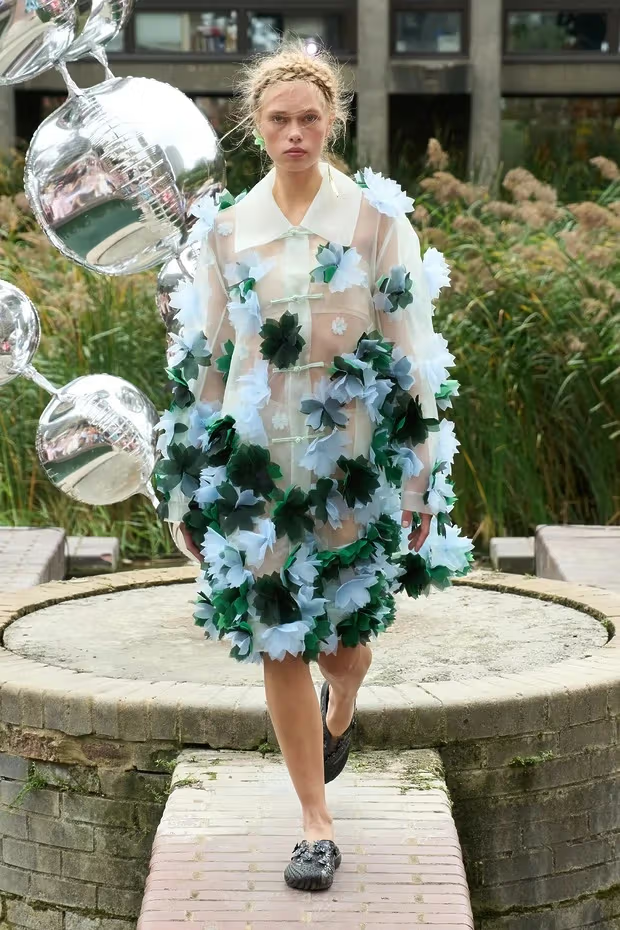
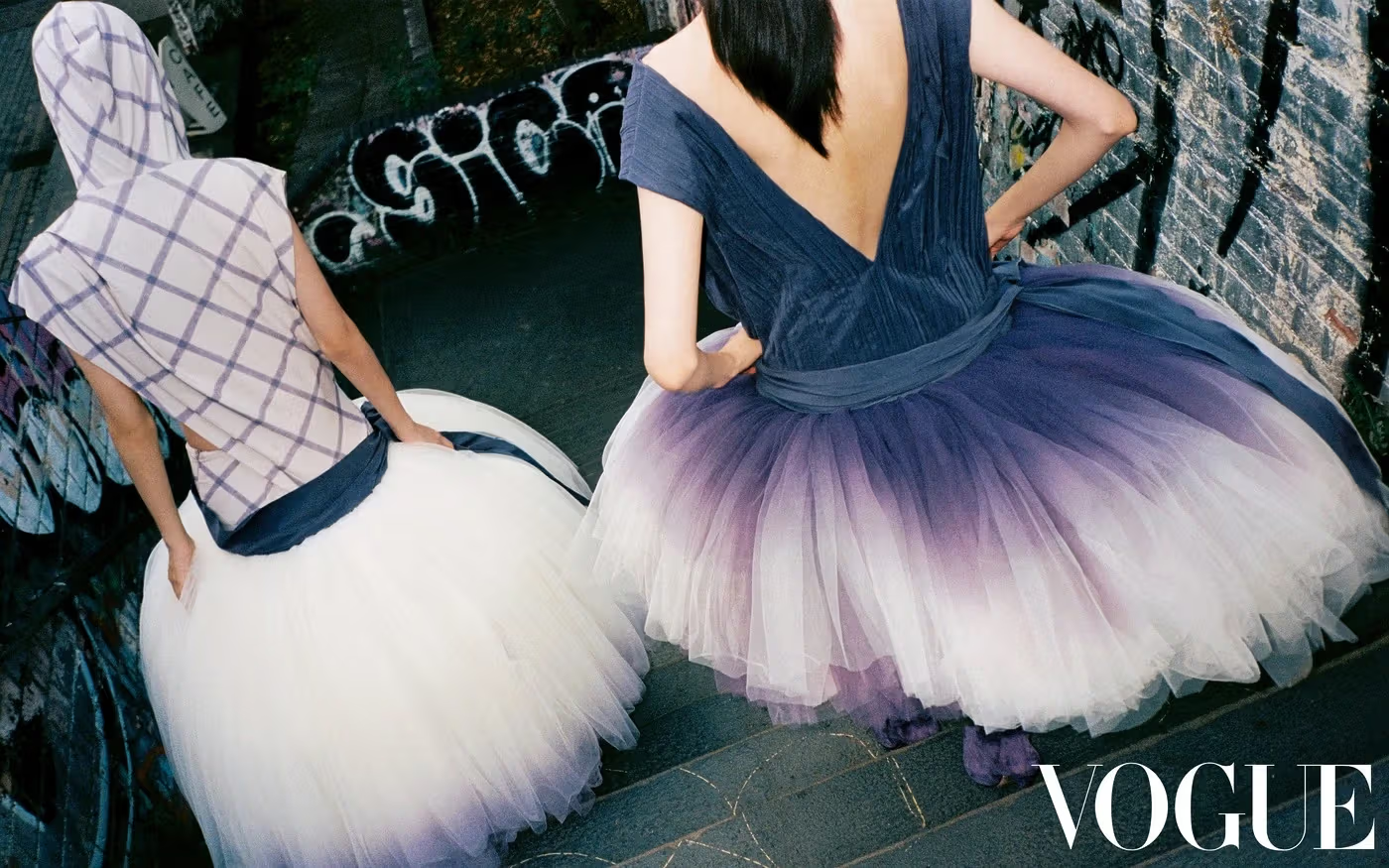
Susan Fang light-colored clothing and floral arrangements. Image: GoRunway, Launchmetrics Spotlight
For this type of clothing, you can first look at the details from close up, and then step back to see the overall outline.
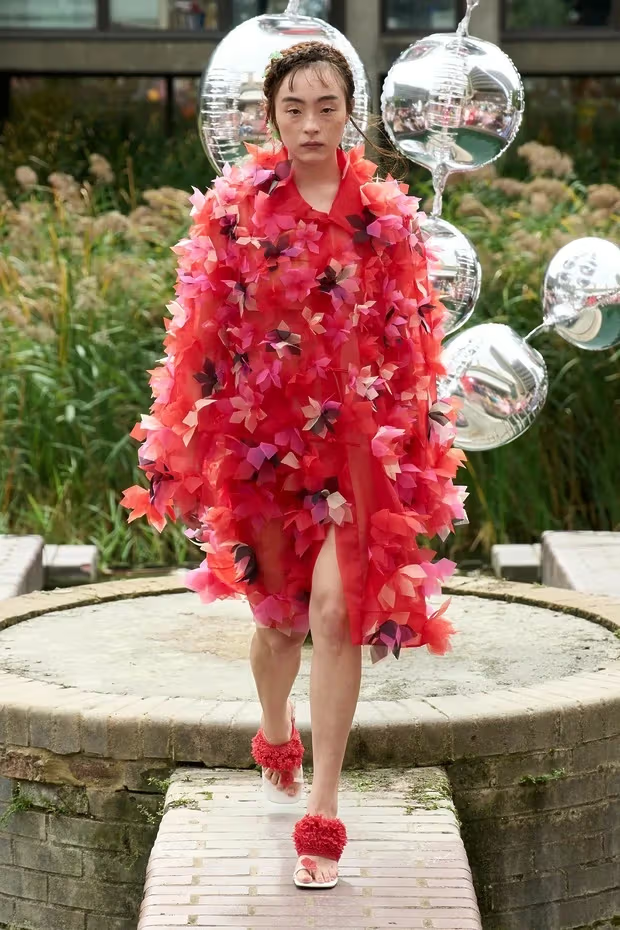
The transparent surface allows materials in different positions to appear at the same time, and the relationship between the flowers, leaves, body and background is easier to change with movement than a single opaque fabric.
3D printed shoes, first modeling and then production
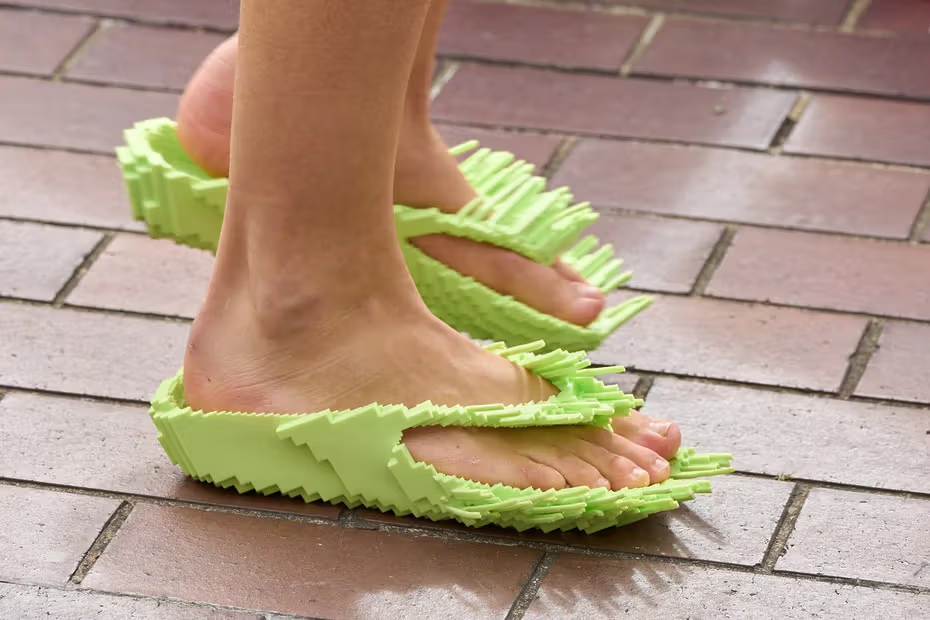
The 3D printed flip-flops in collaboration with Bambu Lab look close to a familiar shoe shape from certain angles, but when the angle is changed, they unfold into a more tense shape.
The designer mentioned that printing provides the speed and freedom to experiment, but it is also limited by the size of the object, details, and production time. Having the equipment does not mean that you can skip design directly.
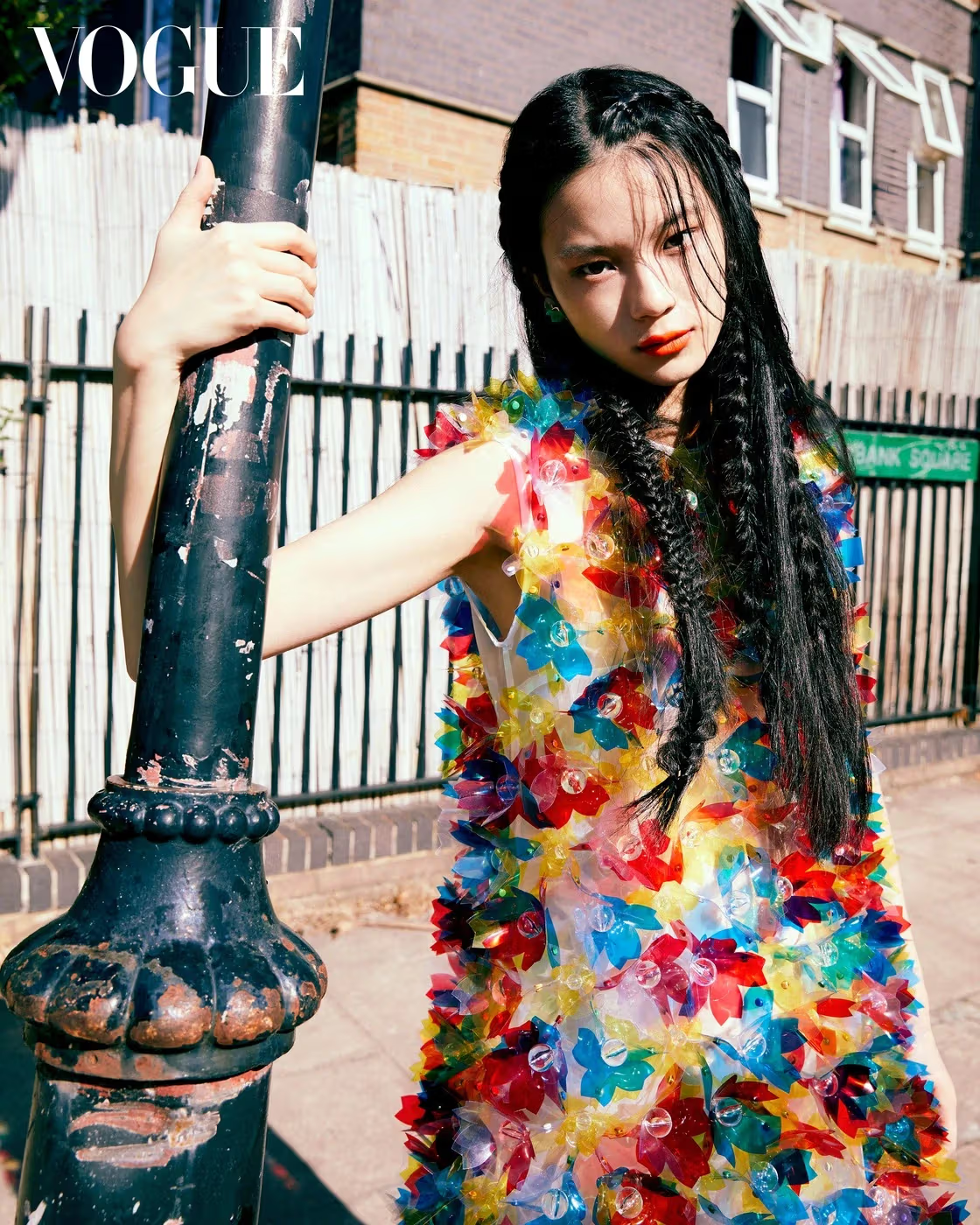
Susan Fang’s clothing and outdoor shooting scenes. Image: 이동호
She specifically pointed out in the interview that important work often occurs in the 3D modeling stage before printing. The team uses tools such as Houdini to develop systems that simulate natural growth patterns.
For those who care about clothing technology, this moves the discussion from which machine is used to how the shape is created and repeatedly adjusted.
Susan Fang light-colored clothing styling. Image: GoRunway, Launchmetrics Spotlight
Handwork is still there, technology has not replaced all production
Susan Fang established the brand in 2017 and continues to handcraft clothing, fabrics and accessories with her mother and studio.
After Orelio De Jonghe, who has a background in industrial design, joined, the digital and 3D design work was further expanded, and the two methods complemented each other in different parts.
The same series can have handmade flowers, transparent splicing and printed accessories at the same time. There is no need to divide them into traditional versus modern competition.
The more specific questions are: which method is suitable for a certain shape, material or quantity, and how the different processes connect in the final garment.
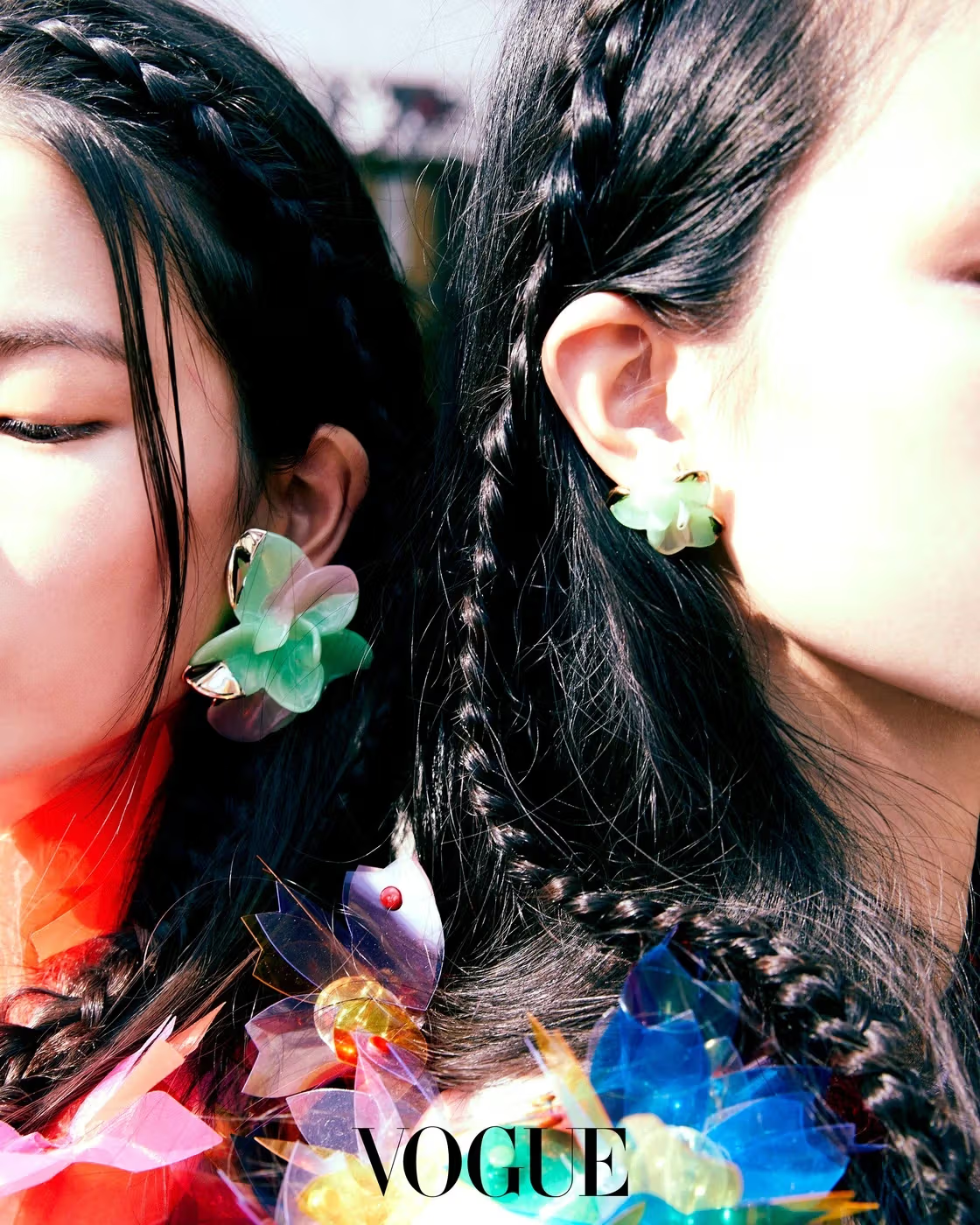
Susan Fang earrings and head styling. Image: 이동호
Nature and emotion are creative intentions, not promise of efficacy
The designer uses the connection between nature, air and different cultures as a long-term clue. Names such as Air-weave and Air-flower also echo this world.
She hopes that the clothing conveys warmth and imagination, which is the creator's expectation for the work, and should not be extended to the statement that the clothing has medical or psychotherapeutic effects.
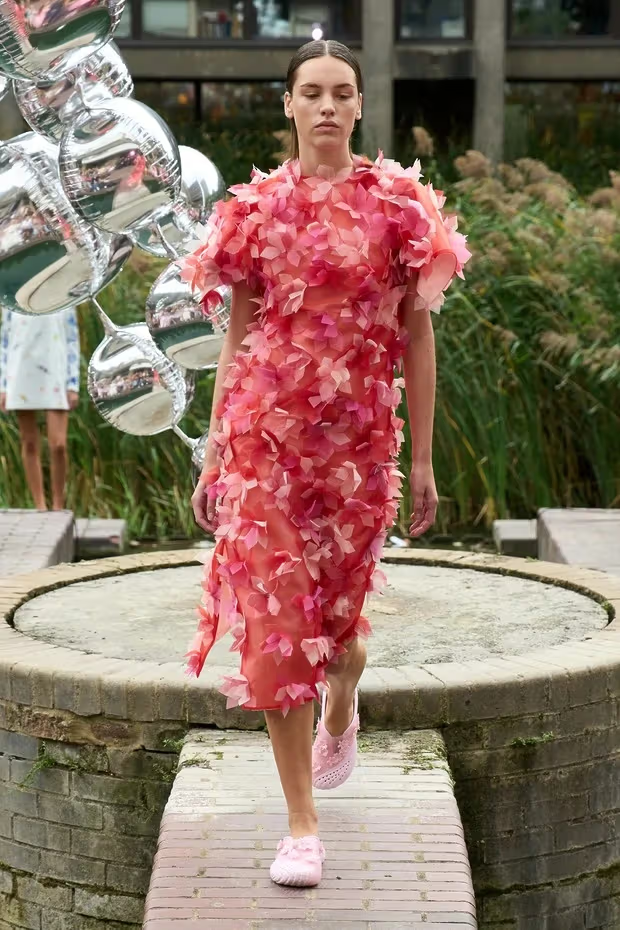
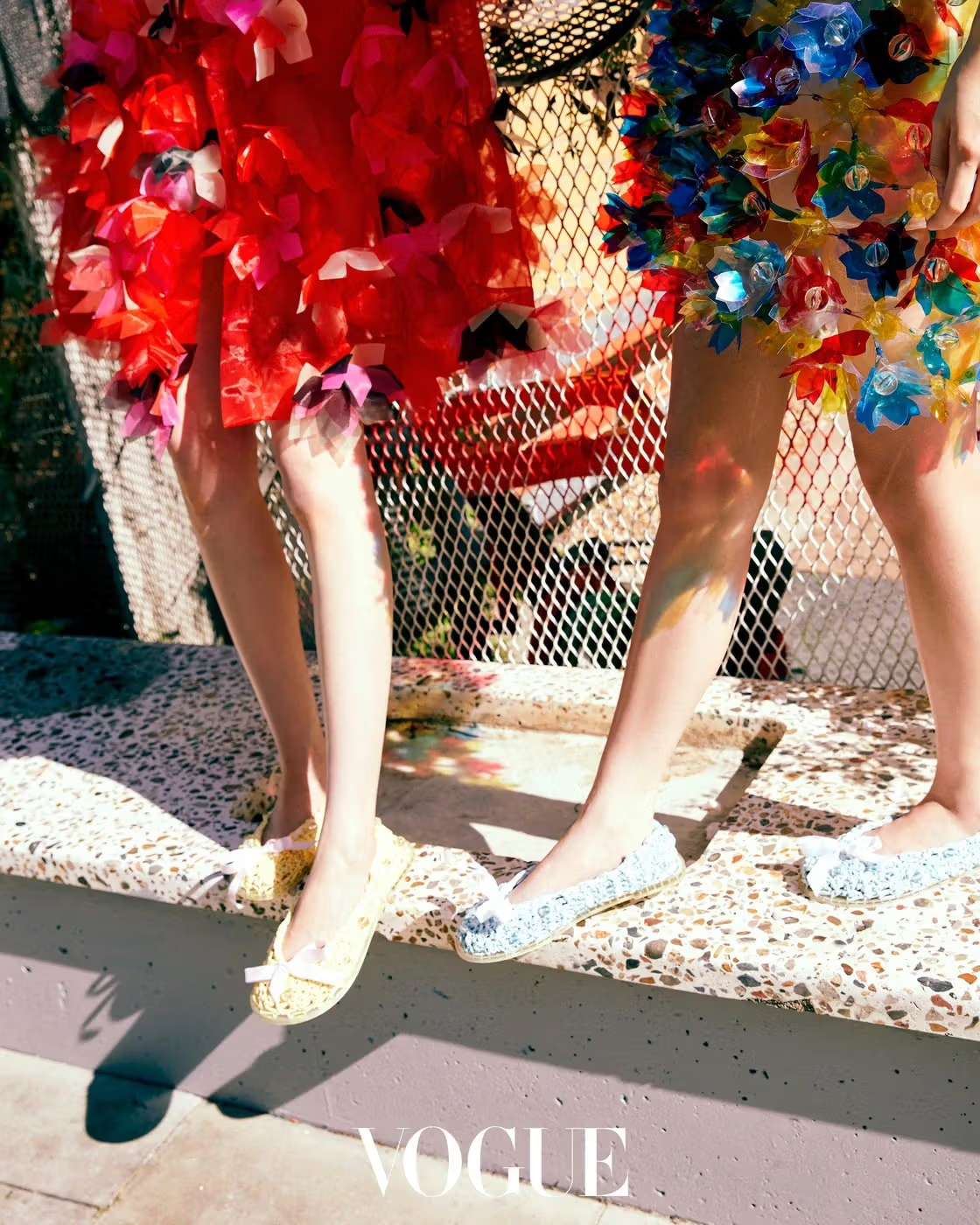
Susan Fang red three-dimensional costume. Image: GoRunway, Launchmetrics Spotlight
When viewing Air Illusion, you can use these intentions as a background and return to how the work uses flowers, transparency and geometry.
Emotions have no fixed shape, but clothing must face the body and materials. The transition between the two is a part worth watching slowly.
Susan Fang multi-color clothing styling. Image: GoRunway, Launchmetrics Spotlight
This series provides a way to understand the new generation of fashion production: details are processed by hand, digital tools help create complex shapes, and finally the work is given different looks by people's wearing and movement.
Rather than just calling it a fantasy style, from the perspective of production process and viewing, you can see how Susan Fang continues to build her own language.
Susan Fang clothing details and shoes. Image: 이동호Susan Fang green shoe details. Image: GoRunway, Launchmetrics Spotlight