Taiwan at Tokyo: four women directors, restored Good Neighbors and two Competition films
The 39th Tokyo International Film Festival opened October 26. Taiwan’s showcase connects four films by women directors with a restored 1962 classic, exploring family, generations and film preservation.
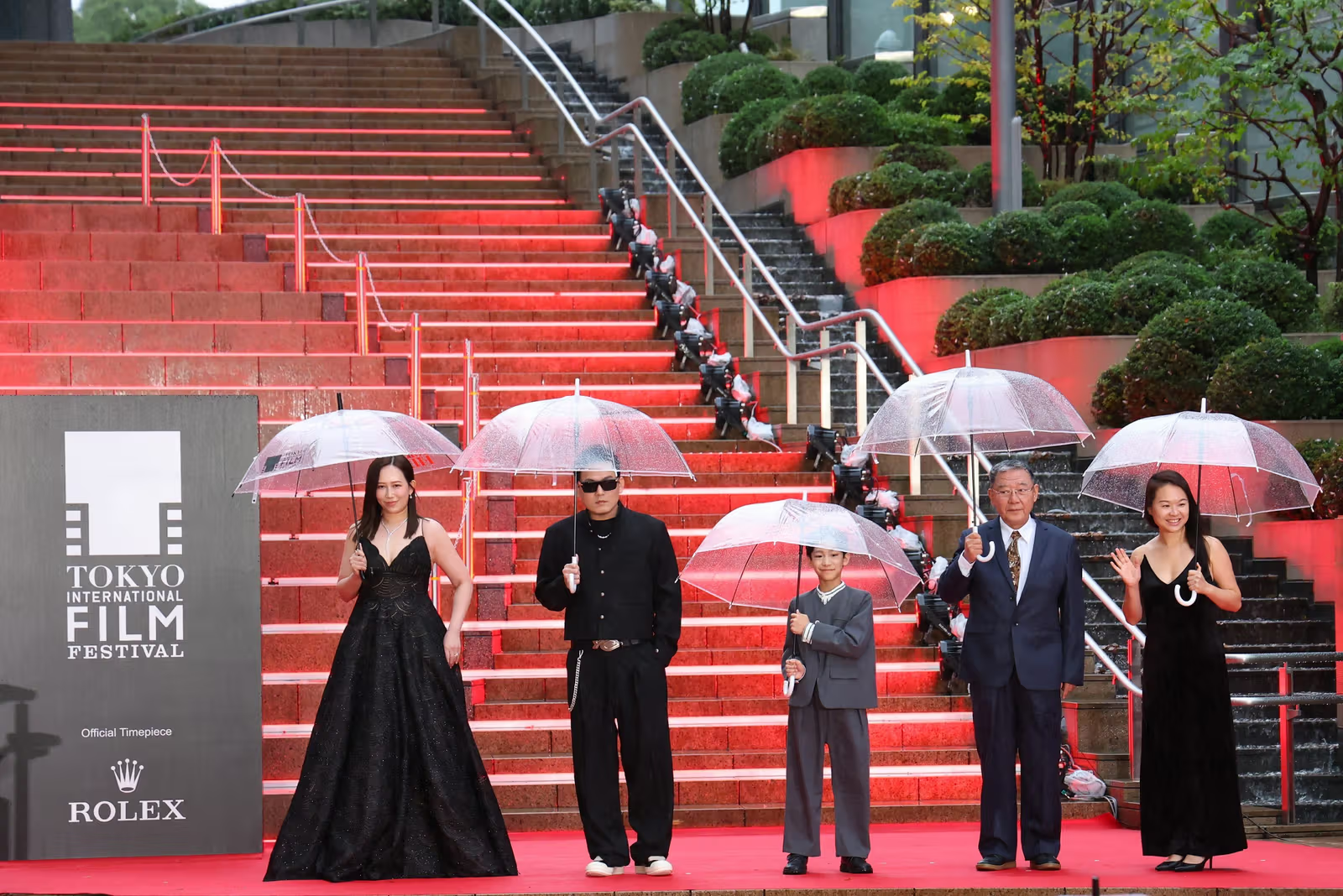
The 39th Tokyo International Film Festival opened on October 26, 2026, with Taiwanese filmmakers joining its opening red carpet. In an October 27 announcement, Taiwan’s Ministry of Culture said Taiwan Cinema Renaissance 2026 comprises five films, while two films involving Taiwanese talent entered Competition and two young filmmakers’ shorts were selected for the student section. The showcase, Competition and student selections have distinct roles; their numbers should not be combined into a single list of award winners.
Four new works, different lives through family
The Taiwan showcase within World Focus includes Lee Yi-shan’s A Dance with Rainbows, Chen Yi-jung’s The Grandmaster’s Gift, Feng-i Fiona Roan’s Happily Ever After and Lee Yun-chan’s To Be Ordinary. The four women directors are not grouped into one genre: boxing and a fractured family, companionship across generations over a chessboard, sisters pulled apart by marriage, and a family rebuilding after an accident offer four different ways in.
According to the festival descriptions, A Dance with Rainbows follows a young woman who trains as a boxer while helping with her mother’s lunchbox business, as changes in her parents’ relationship force her to confront family realities. The Grandmaster’s Gift is set in Taipei in 1998, tracing a bond between an elderly Chinese-chess master and a boy. The former brings physical confrontation into family questions; the latter allows memories across generations to meet through everyday companionship and chess.
Happily Ever After begins with a younger sister preparing to marry and an older sister resisting marital conventions, placing the question of choosing happiness amid family expectations. To Be Ordinary deals with an accident, illness and a family’s attempt to recover everyday life. The festival lists them at 95 and 111 minutes respectively. For travelers fitting cinema into a trip, running time deserves consideration alongside subject matter.
Restoration and co-production belong to different sections
The fifth showcase film is a digital restoration of Lee Hsing’s 1962 Good Neighbors, receiving its Japanese premiere in the context of Taiwanese-language cinema’s 70th anniversary. The black-and-white work stages cultural friction through neighbors, medical traditions and family romances, offering a history of popular Taiwanese cinema alongside contemporary films. The ministry also notes a separate anniversary program at Tokyo’s Athénée Français Cultural Center in early December; the Tokyo festival itself does not continue until December.
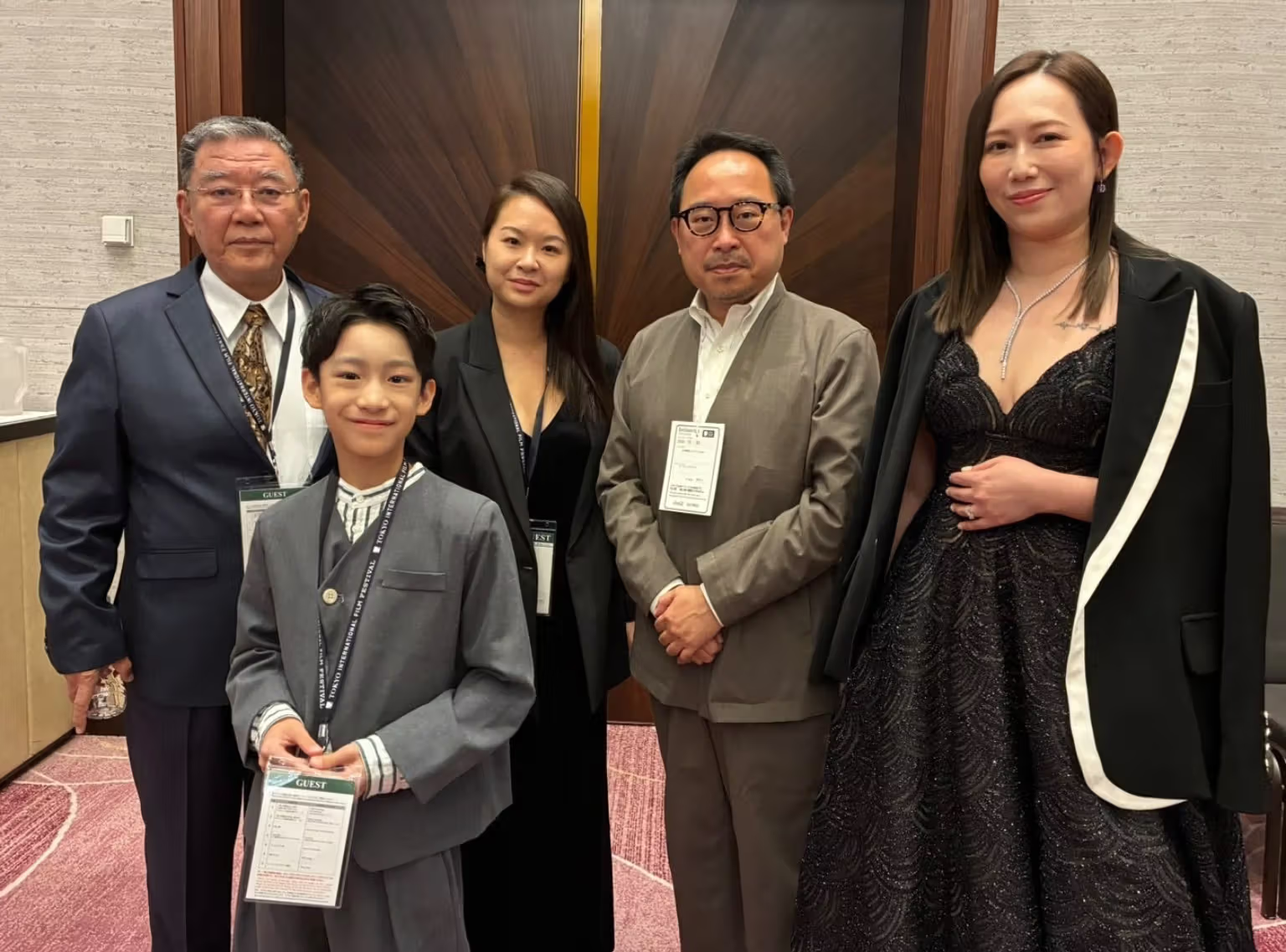
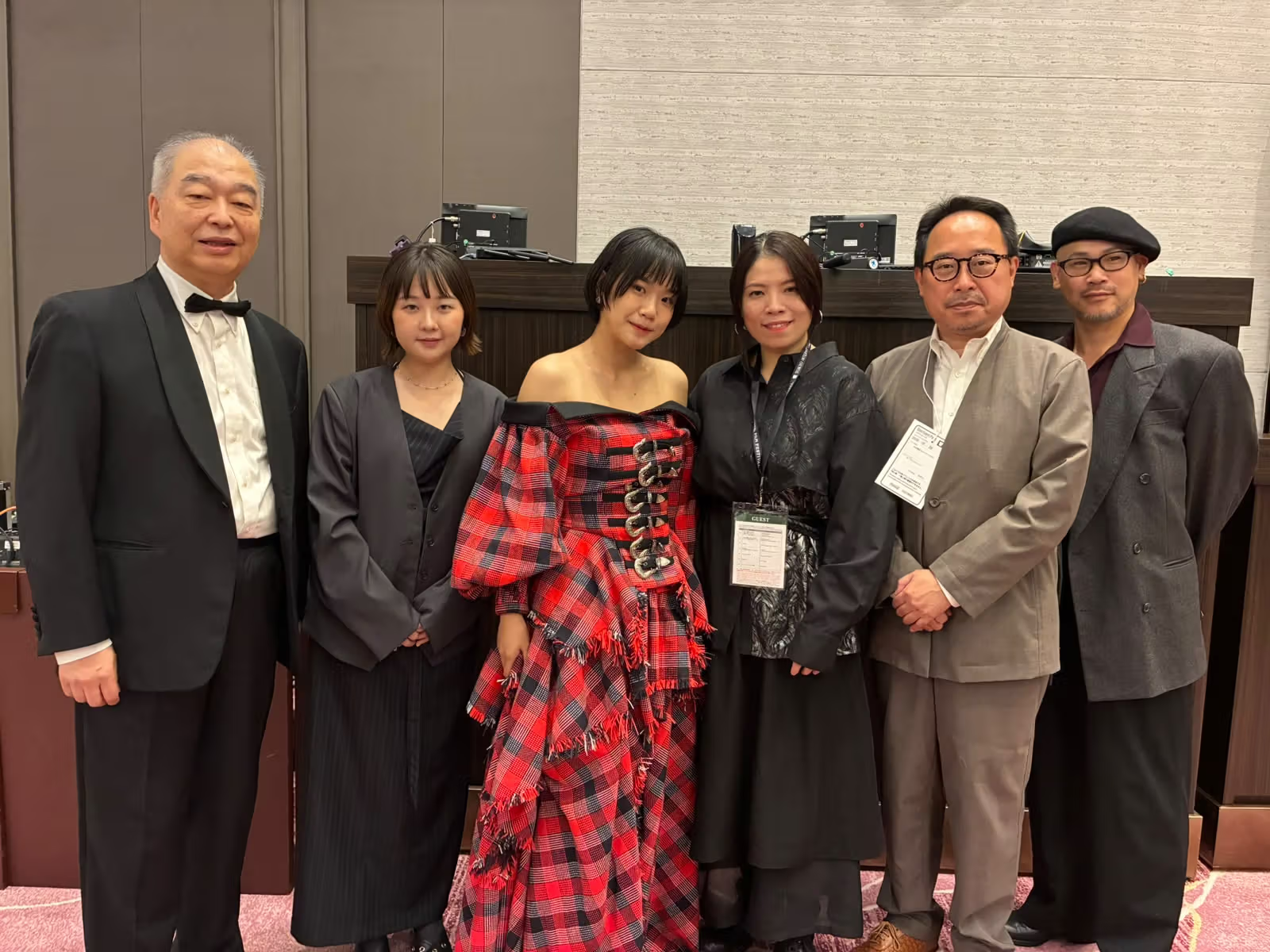
The Grandmaster’s Gift filmmakers pose with a Taiwan Cultural Center representative.The A Dance with Rainbows team attends opening activities with festival and cultural center representatives.
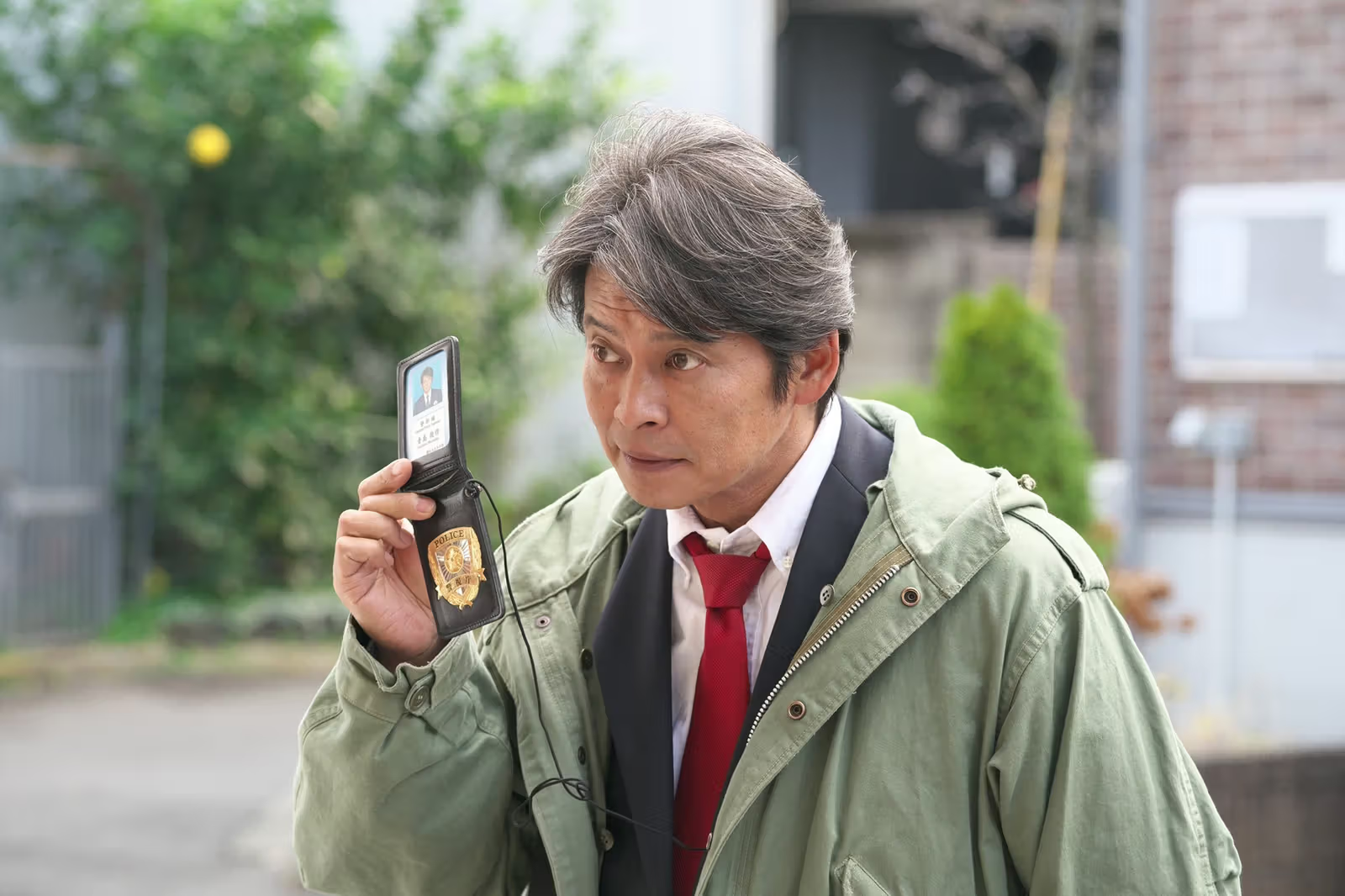
The two Competition films are Ikeda Akira’s The Canary’s Lullaby, shot on Kinmen with Liu Kuan-ting among its cast, and Fuxi: Four Tales of Feasting, featuring Lee Kang-sheng, Lee Hong-chi and Annie Chen among others. The former’s Taiwan–Japan collaboration extends beyond casting: at the official festival presentation, its director discussed Taiwanese crew and postproduction. Directed by Qiu Jiongjiong, the latter builds its imagery around feasts and stories spanning different eras. Both are selected for Competition; awards cannot yet be announced in advance.
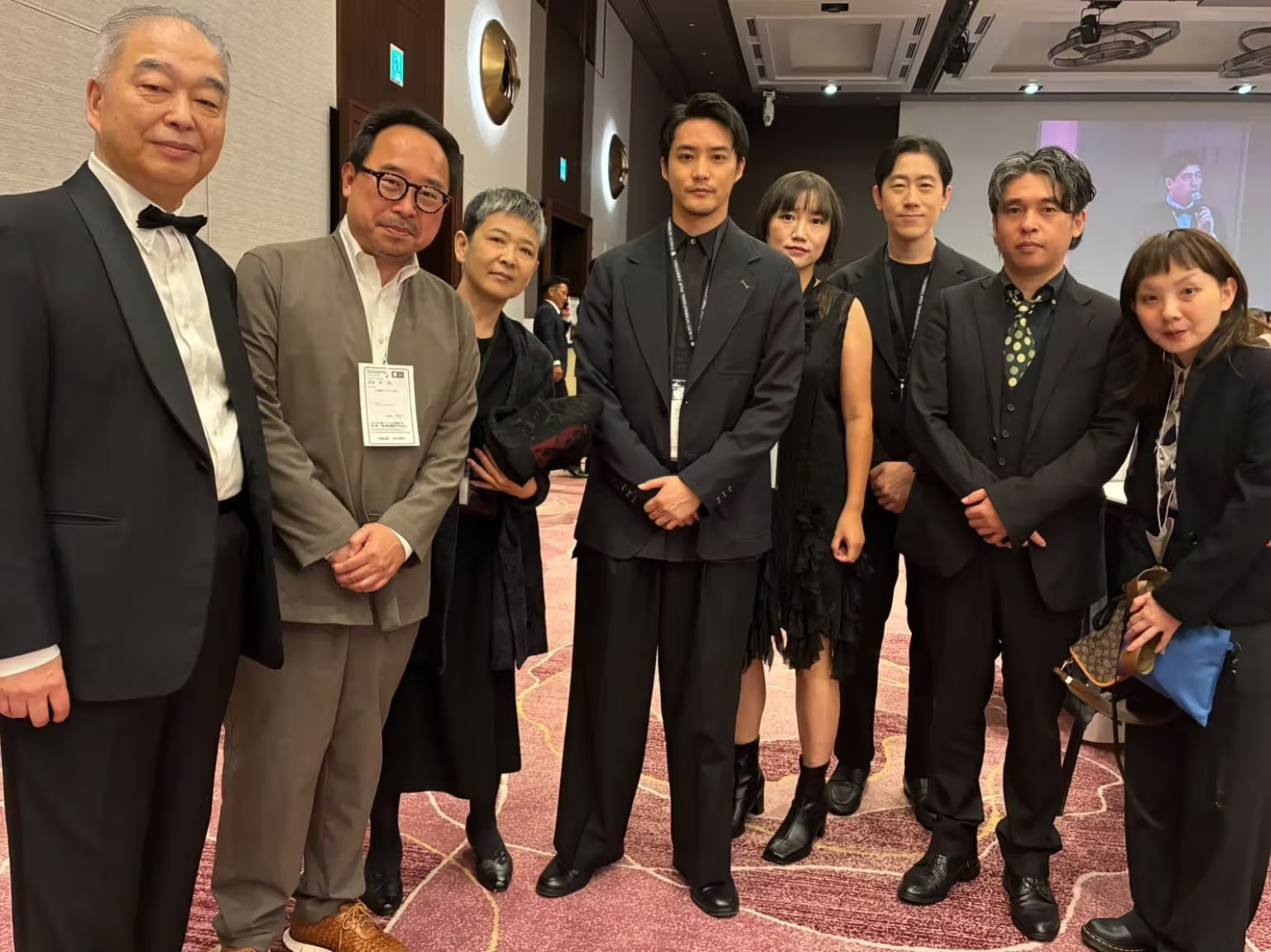
The Canary’s Lullaby team and representatives gather during festival activities.
Planning a screening in Tokyo
The festival runs October 26–November 4 across Hibiya, Yurakucho, Marunouchi, Ginza and other locations. Overseas searches can use the English titles on the official Taiwan showcase page, such as The Grandmaster’s Gift for 我的棋王爺爺 and To Be Ordinary for 有用的人. The five-film showcase is not a single ticket for five consecutive films. Plan individual venues, subtitles and post-screening guests using each film’s screening page. The released photographs document crew appearances and opening events, not a promise that the same cast will attend every screening.