Thai stars at fashion week: Namtan, Phuwin, Orm and the visibility of T-Wave
Drama and social media connect Thai artists with fashion houses. Attendance, ambassador roles and estimated media value describe different aspects of that relationship.
After the 2027 spring and summer fashion week, Thai artists’ public looks in cities such as New York, Milan and Paris have once again attracted attention.
Artists such as Namtan Tipnaree, Phuwin Tangsakyuen, Milk Pansa, Orm Kornnaphat and Lingling Kwong have accumulated audiences through drama, music and social media, and have gradually appeared in the front rows and event videos of different brands.
Understand characters from drama roles, and then enter the brand world
Namtan's works include "Pluto", Phuwin has accumulated audiences through dramas such as "Fish Upon the Sky"; Milk participated in "23.5", and Orm and Lingling's "The Secret of Us" also introduced the two to more overseas audiences. Works and characters provide the first entry point to contact artists, while fashion events extend viewing to clothing and image.
The characters in the drama, the actors’ own public style and the brand activity arrangement need to be understood separately.
The popularity of a certain character does not mean that the artist can only maintain the same look in the future;
attending different brands may also present completely different silhouettes due to event needs.
Prada, Loewe and Saint Laurent, each has a different styling vocabulary
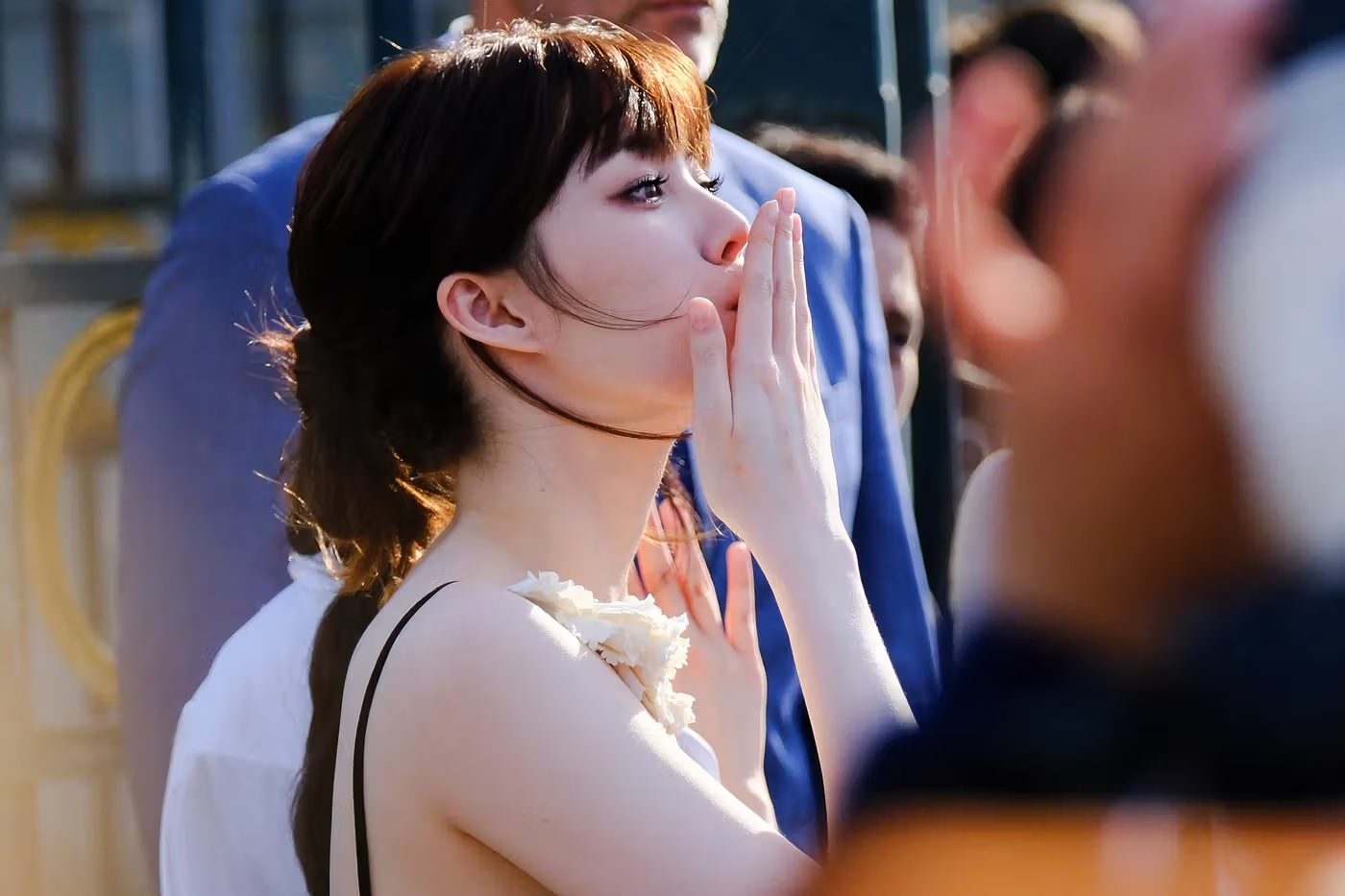
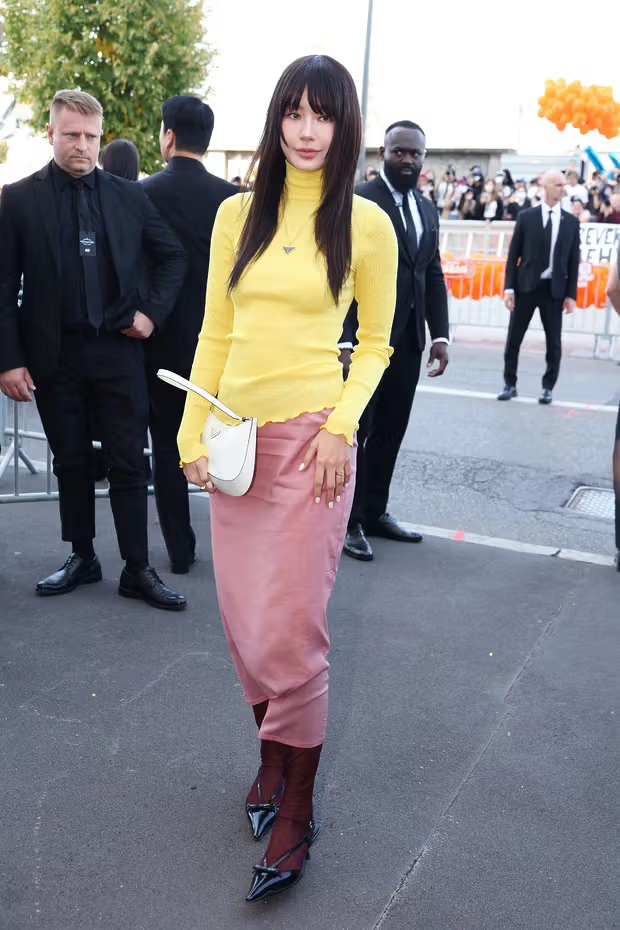
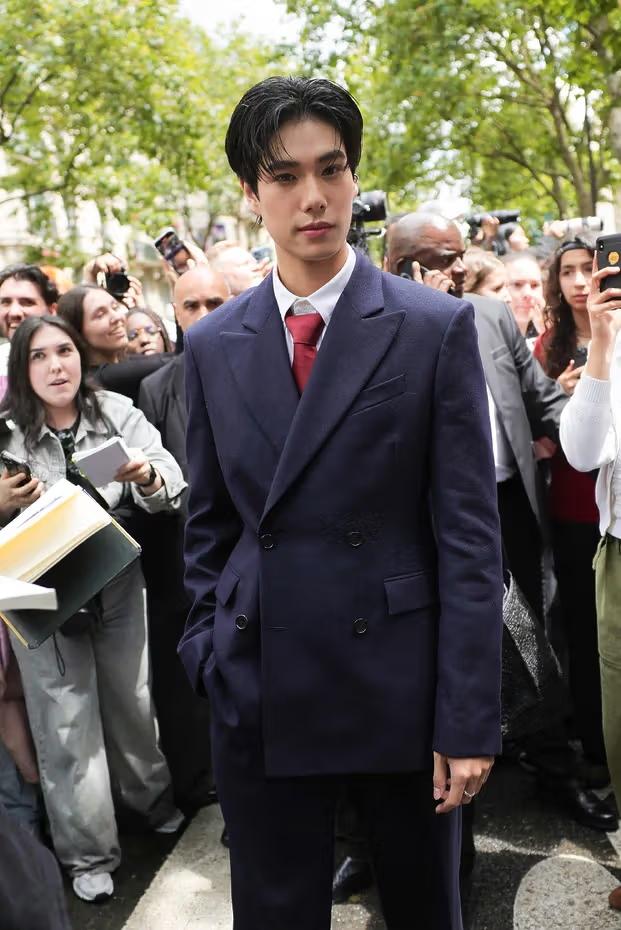
In recent event images, the connections between Namtan and Prada, Phuwin and Loewe, Tommy Hilfiger, Milk and Saint Laurent and other brands have become clues for observation. Readers can see how the same artist handles different shoulder lines, colors and materials, rather than just using the brand name as an identity label.
Milk Pansa attended a fashion event. Image: Getty Images
Attending events, being invited to take photos, and being a formal brand ambassador are not exactly the same relationship.
If you want to confirm the status of a long-term cooperation, you should still refer to the brand's clear announcement, and you cannot just add the same title to all guests from a front row photo.
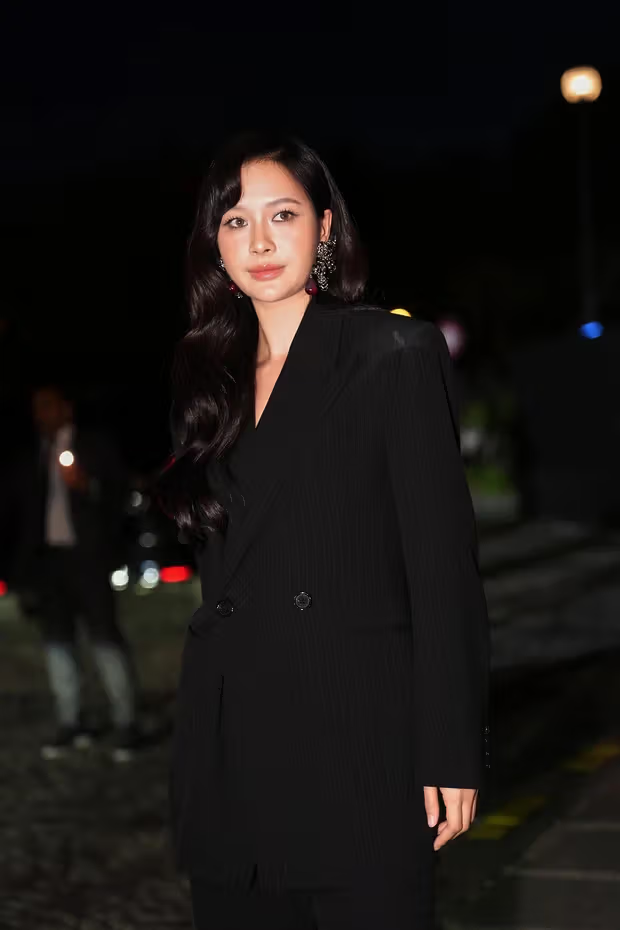
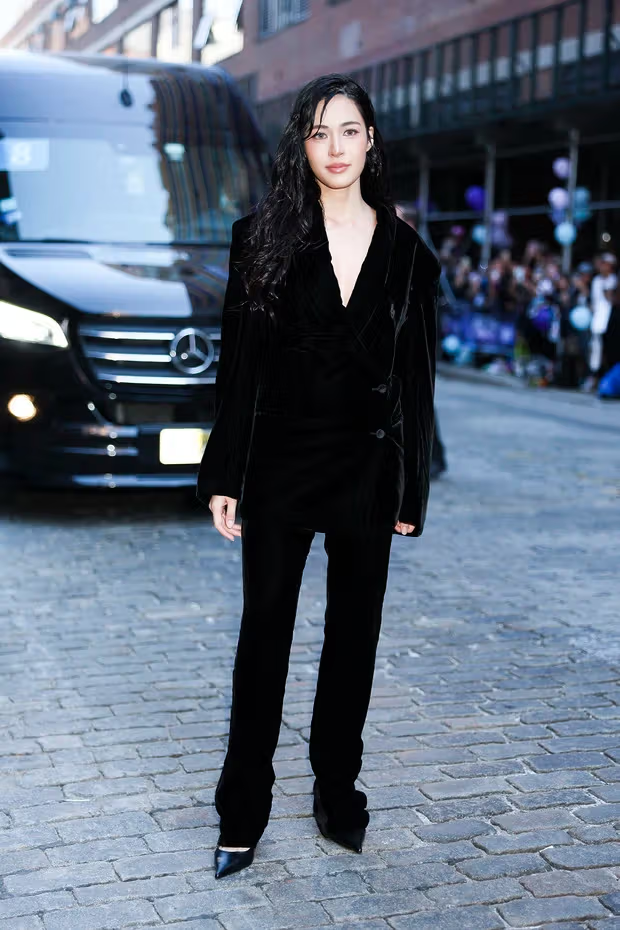
Orm Kornnaphat’s dark suit look. Image: Getty Images
Media valuation is not the same thing as real revenue
Names such as MIV and EMV often appear in fashion week discussions. They are indicators used by different platforms to estimate media visibility and exposure.
Even if the results are presented in US dollars, it does not mean that artists directly bring the same amount of cash to the brand, nor can we compare different reports on the same ranking without looking at the method, period and platform.
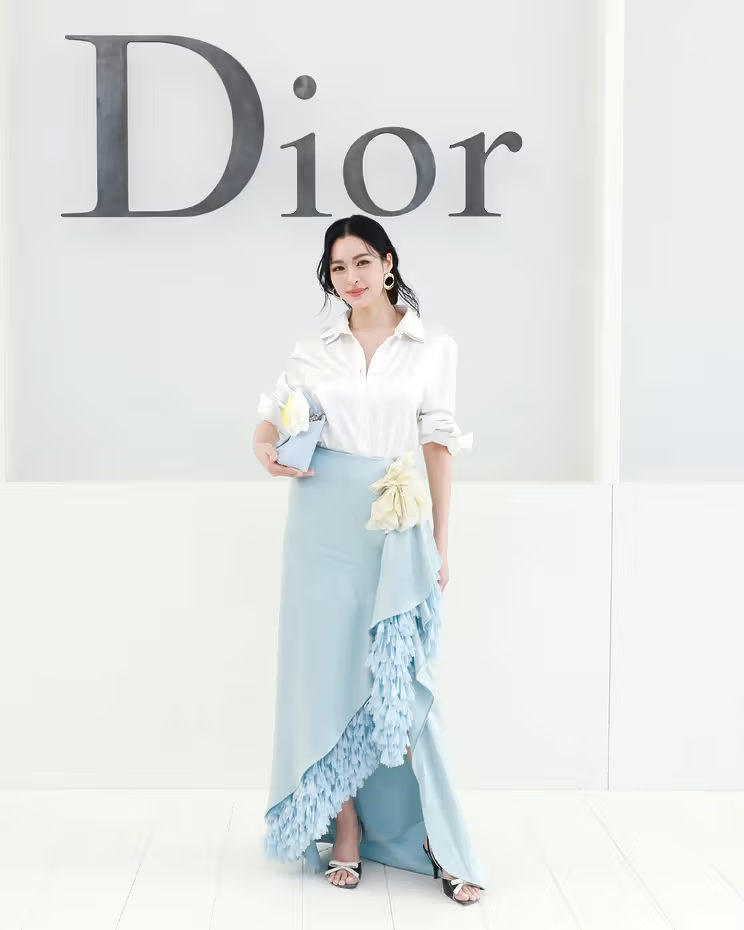
Lingling Kwong’s appearance at Dior event. Image: Getty Images
For general readers, you can first look at who published the data, what communities and content the calculation covers, and then understand the questions that the numbers want to answer.
If you care about the long-term impact of the brand, you also need to observe continued cooperation, product response and different markets, not just the popularity of a single event.
In addition to chasing the same style, you can also observe how images spread across borders
Photos from a show will be re-shared in different languages through brands, media, artists and fan communities.
People who are familiar with drama may identify the actors first, while those who pay attention to the costumes will see the styling first;
the same picture can therefore connect different interests and viewing paths.
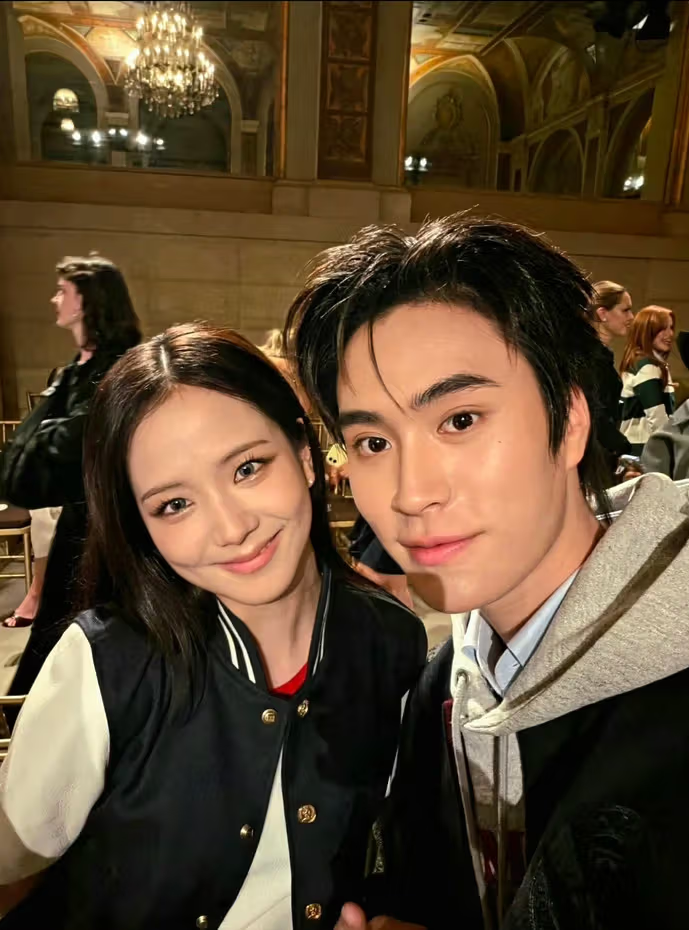
Photos of Thai artists at fashion events. Image: Getty Images, Instagram
This is also something worth continuing to observe about T-Wave: visibility does not only come from a single activity, but the work, public image and community are interconnected.
By first clarifying who is attending, what is wearing, and what the published relationship is to the brand, and then looking at the data, it can make the fashion week discussion more concrete, rather than just a comparison of who wins in the front row.