WOOONTA’s Erhu Meets Sitar Turns Spices and Travel into Music
The October 20 third album spans ten tracks and about 35 minutes, with five- and seven-beat passages, milk tea, Tallinn memories and remembrance of a late bandmate.
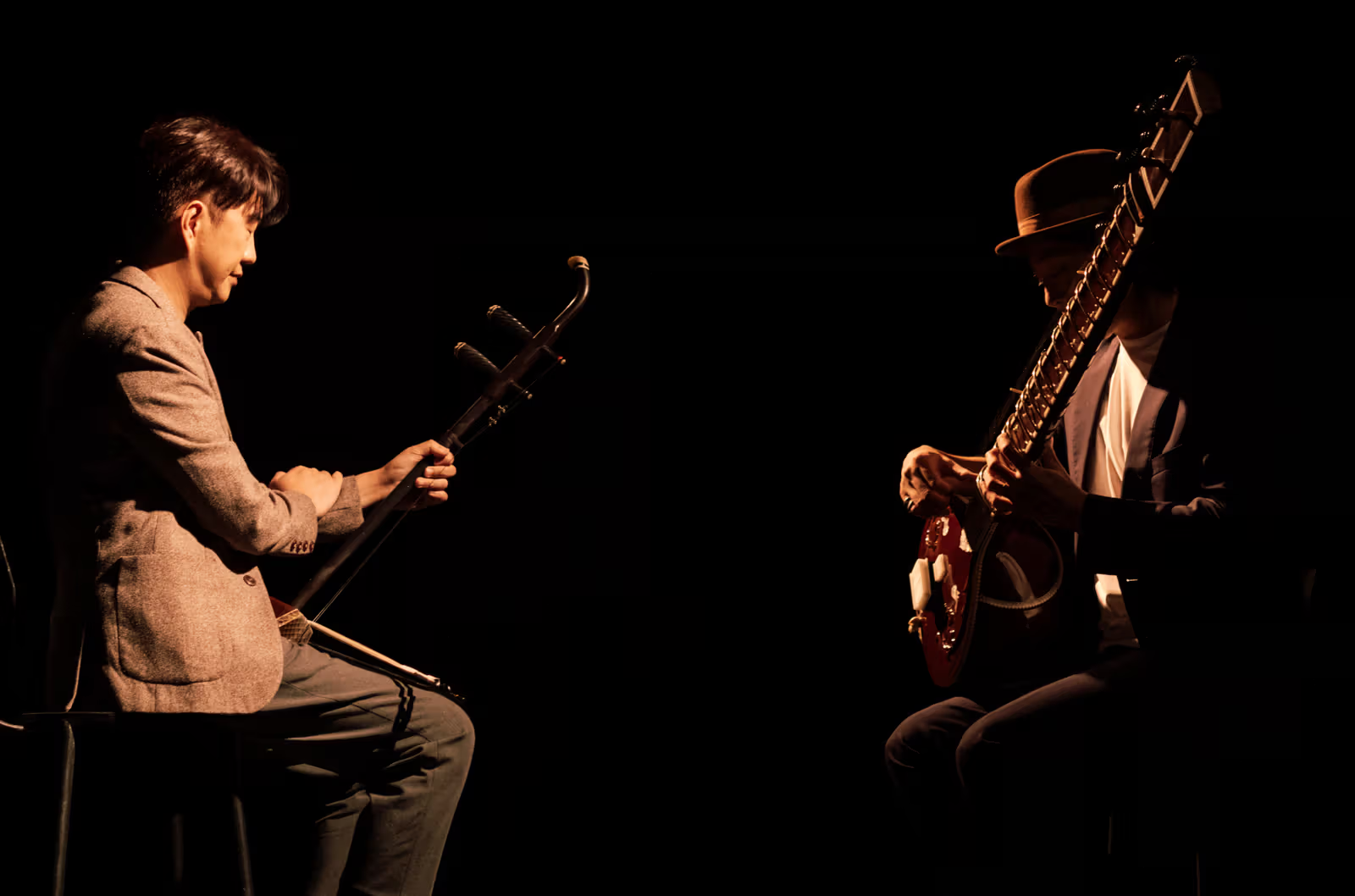
WOOONTA released its third album, 金風玉露 Erhu meets Sitar, on October 20, centred on T.S. Lo’s erhu and Ryohei Kanemitsu’s sitar. The official digital edition contains ten tracks, approximately 35 minutes. Spices, milk tea, Tallinn’s waterspouts and remembrance of a late bandmate enter this meeting of strings. Beyond national borders, the project turns specific misunderstandings, tastes and memories from travel into musical subjects.
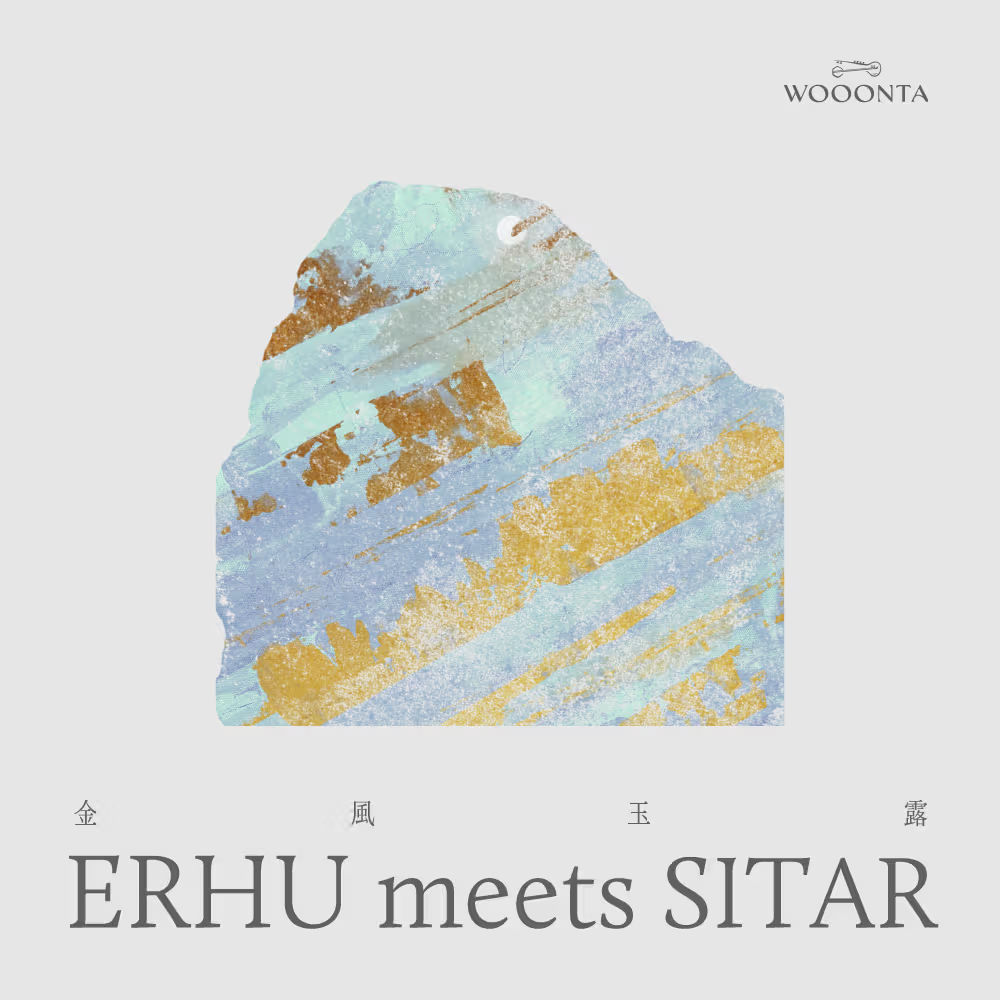
The official Erhu meets Sitar cover retains its original band and album lettering.
Two string traditions meet in Taiwan, from 2015 to album three
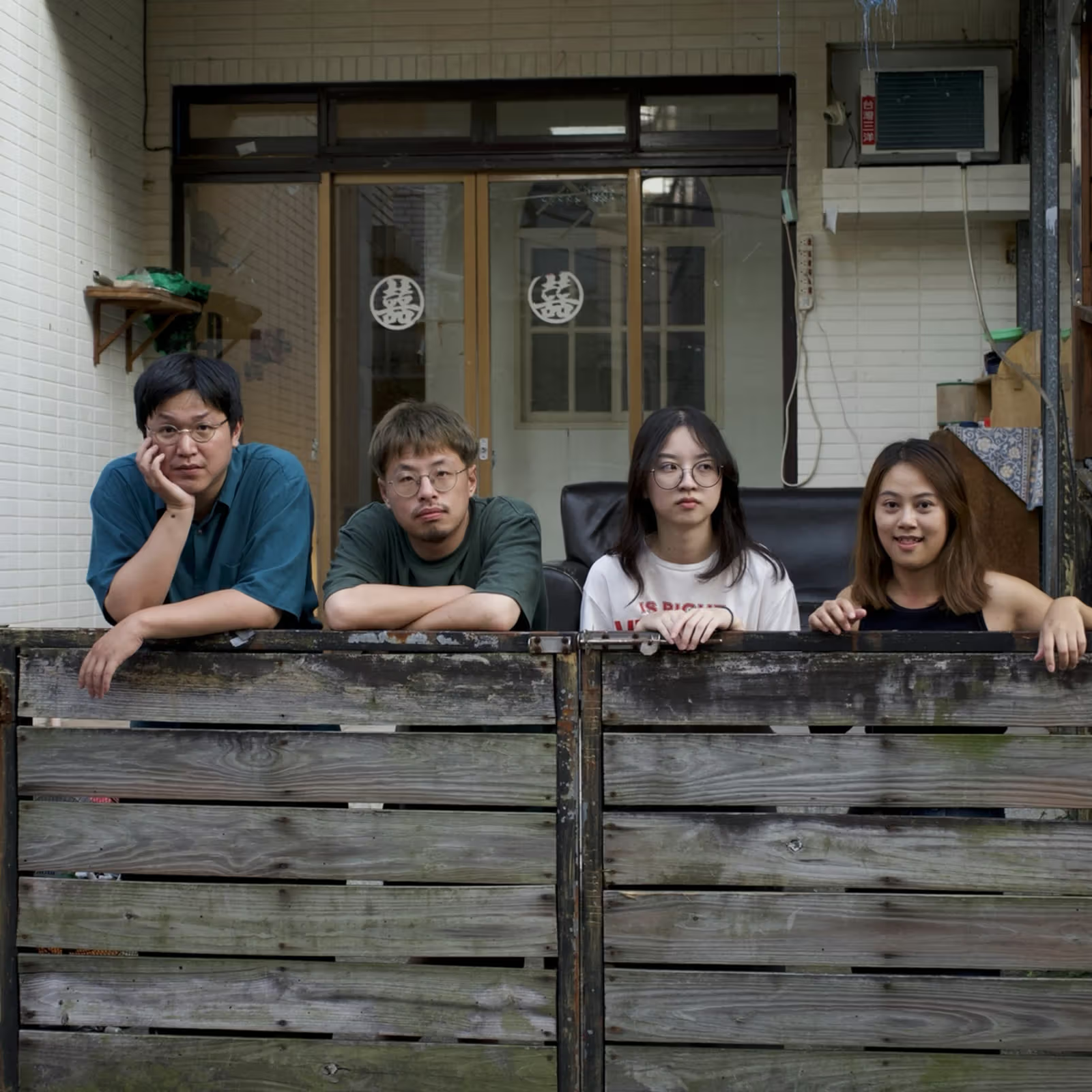
Formed in 2015, the group is based creatively in Taiwan. Erhu player and leader 羅常秦 uses the official English name T.S. Lo; Japanese sitarist and music director 金光亮平 is Ryohei Kanemitsu, also known as Yo. Their respective backgrounds in erhu and North Indian classical music bring bowed and plucked instruments into relationships within the same piece. Yo’s official biography names Ustad Shujaat Khan as his teacher, an experience that continues into this record’s repertoire and arrangements.
Track four, Hand in Hand, adapts a Central Indian folk melody learnt from that teacher. The official credits identify it as traditional, arranged by Kanemitsu. Horse Race, an erhu classic, is recast as a dialogue between erhu and sitar.
Spices lead to five and seven beats; tea offers melodic clues
Magic Masala begins with Indian garam masala and Taiwanese five-spice powder. The track-by-track notes associate seven-beat passages with the mixed Indian spices and five-beat passages with five-spice powder, turning culinary combinations into rhythmic design. Milk Tea follows everyday parallels between Indian chai and Taiwanese bubble tea, using the ragas Rageshree and Bageshree. These are specific clues supplied by the creators, without requiring the two food cultures to be treated as identical.
Fujin Raijin starts from similarities between Raga Bairagi and traditional Japanese scales. Anyone unfamiliar with sitar can begin with a concrete subject in a title, then compare how the erhu and plucked strings take turns entering, rather than simply memorising where the instruments originate.
Travel brings humour and loss, with year-end events ahead
Dragon of Tallinn draws on a 2025 festival trip and dragon-shaped waterspouts at the old town hall. Nordic Yeast (For Hugues) moves from mistaking yeast for cheese towards remembrance of the late bandmate Hugues Vincent. The closing Field of Spring Lute also features the surbahar, giving another string instrument a role in the conclusion. Across ten tracks, city observation, food memories and parting extend beyond a colourful cultural collage.
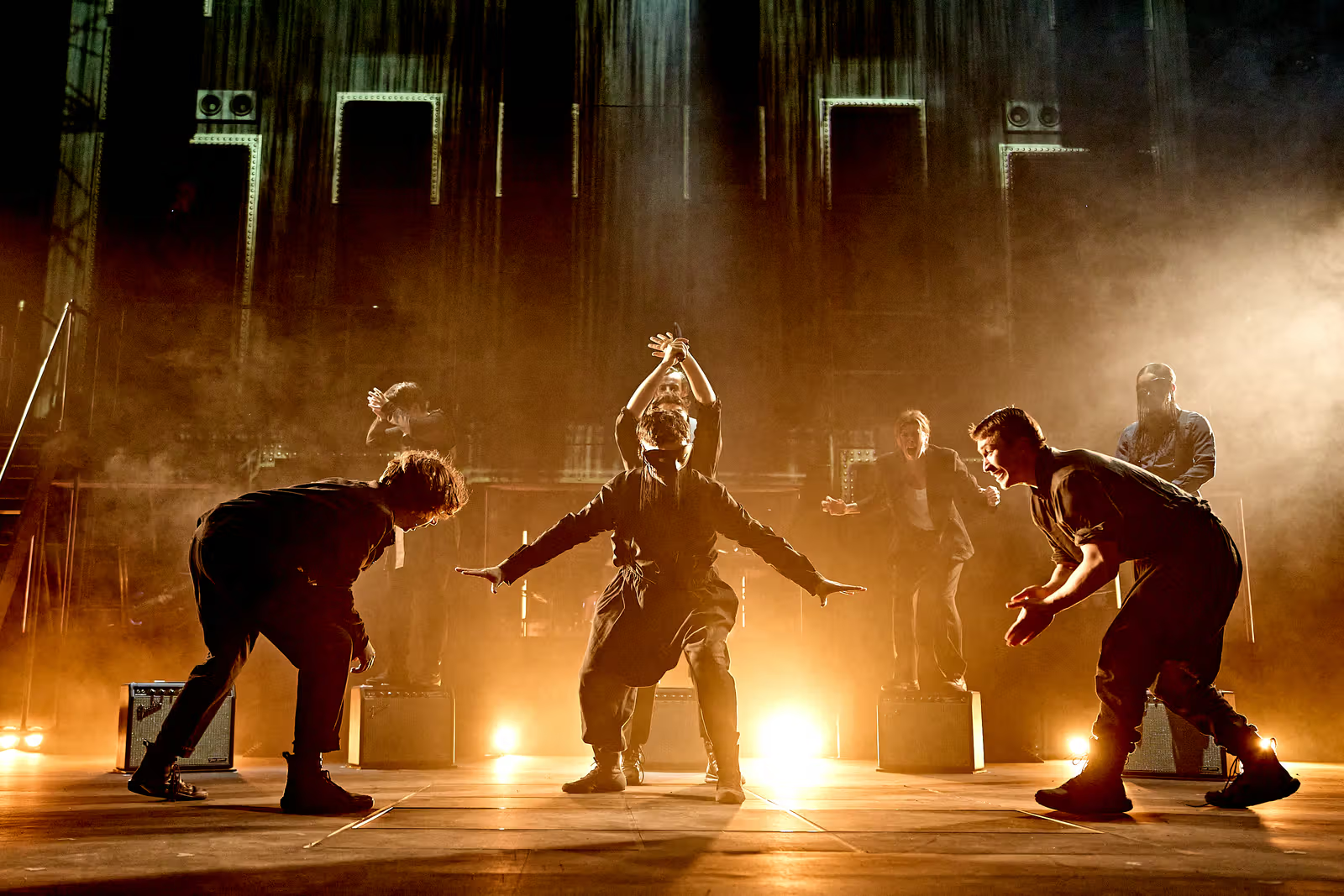
The digital album is available through the band’s and Wind Music’s official listening links. Release plans also include a band-produced vinyl edition limited to 100 copies worldwide. A sharing session is announced for December 5 at Taipei’s Sounds Good, followed by a planned joint concert with Almir Meskovic & Daniel Lazar Duo on January 9, 2027, at the album’s recording location, YuChen Cinema Studio. These are forthcoming events, rather than the occasions depicted in existing publicity photos. Consult formal event or sales pages for subsequent ticket prices, admission arrangements and remaining vinyl quantities.
An existing stage photograph supplied by the group, rather than the announced 2027 joint show.