Raised in Shanghai and now working in New York, Yichen Ji turns technological systems into objects people encounter through interactive sculpture, digital media and printmaking. A recent interview revisits Synthetic Genesis, Lattice Series and Chaos Clock, but these works did not all debut in October. Together they pose a question rooted in everyday experience: when digital content seems limitless, what can physical materials and bodily actions still offer?
A phone call makes conversation a situated act
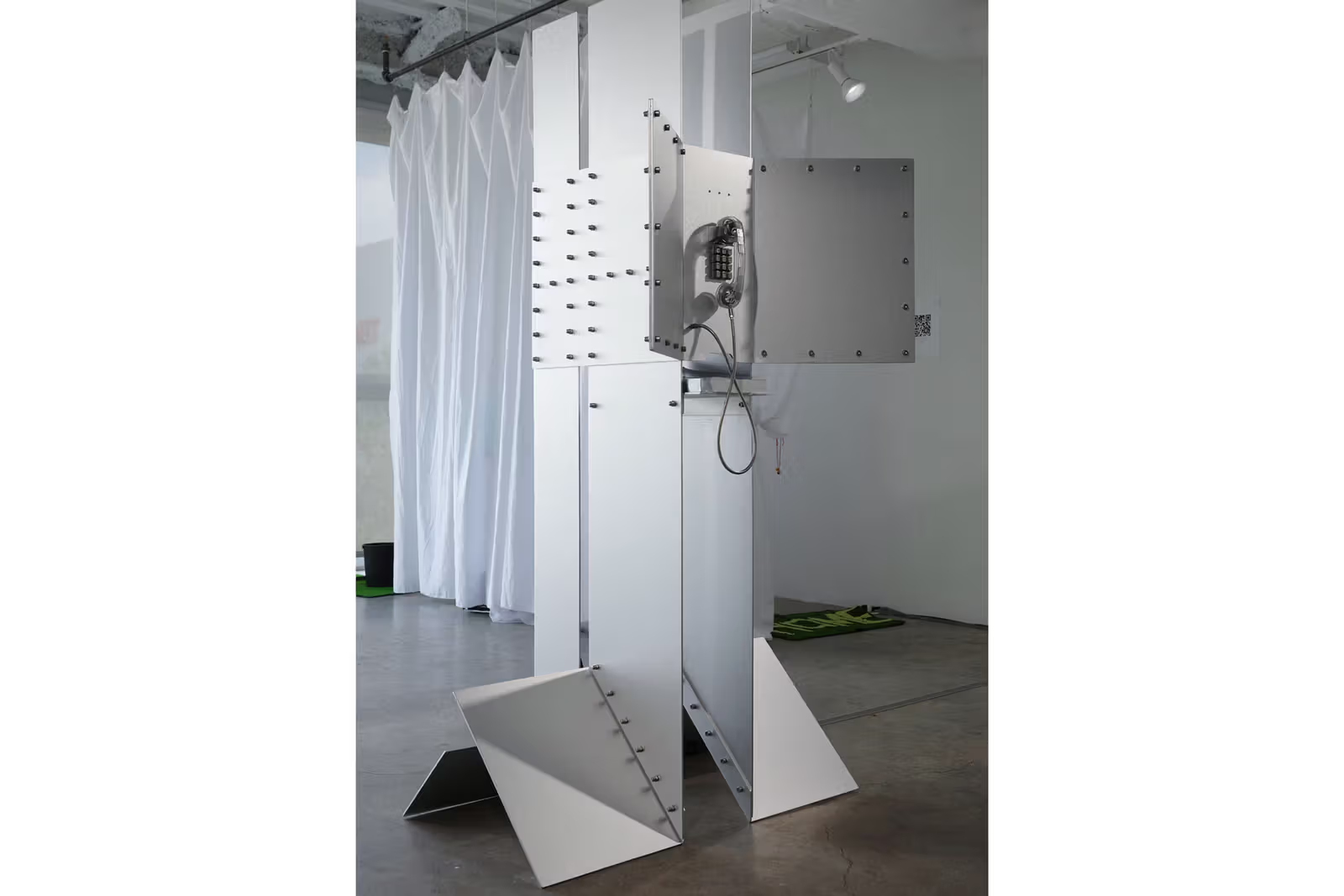
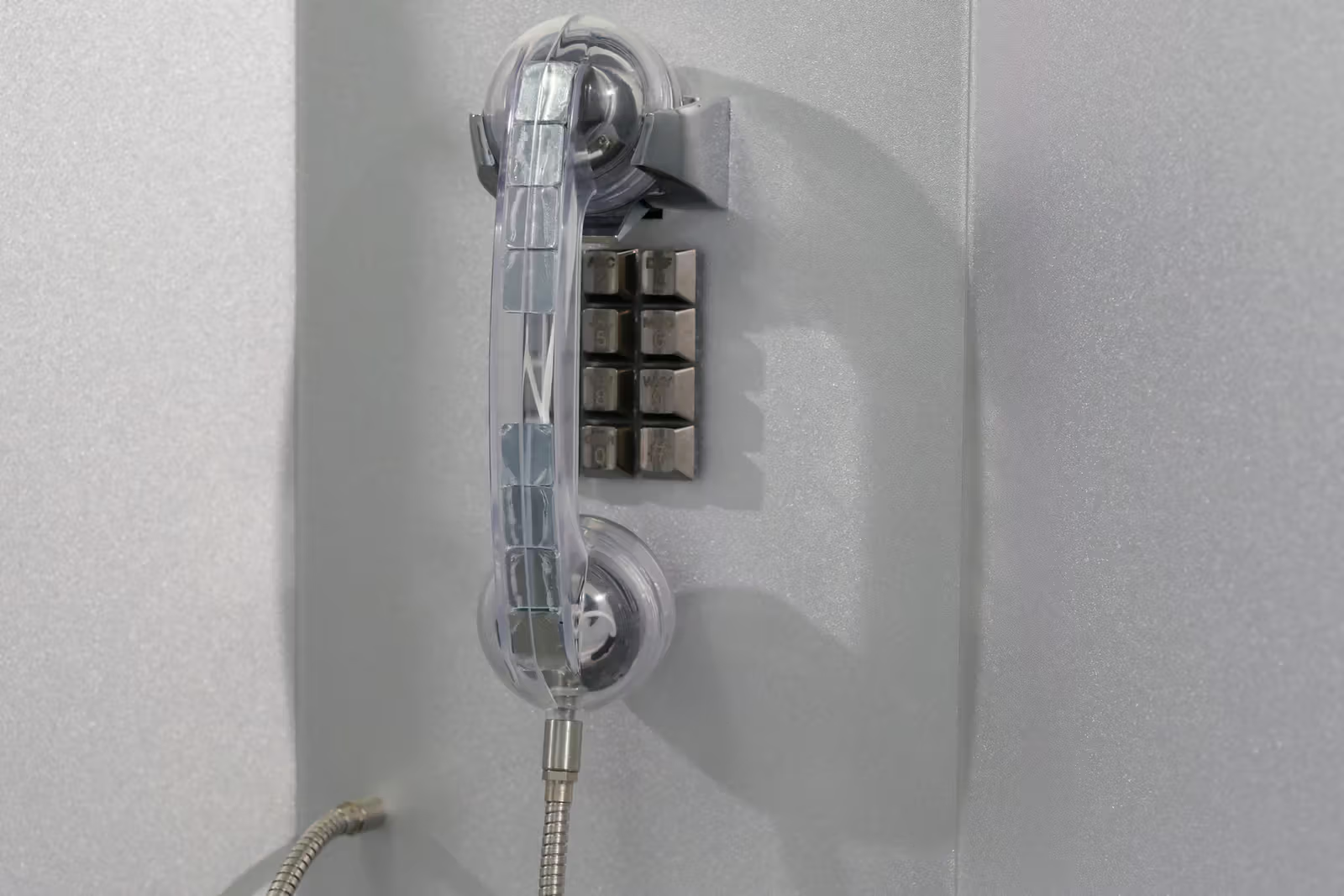
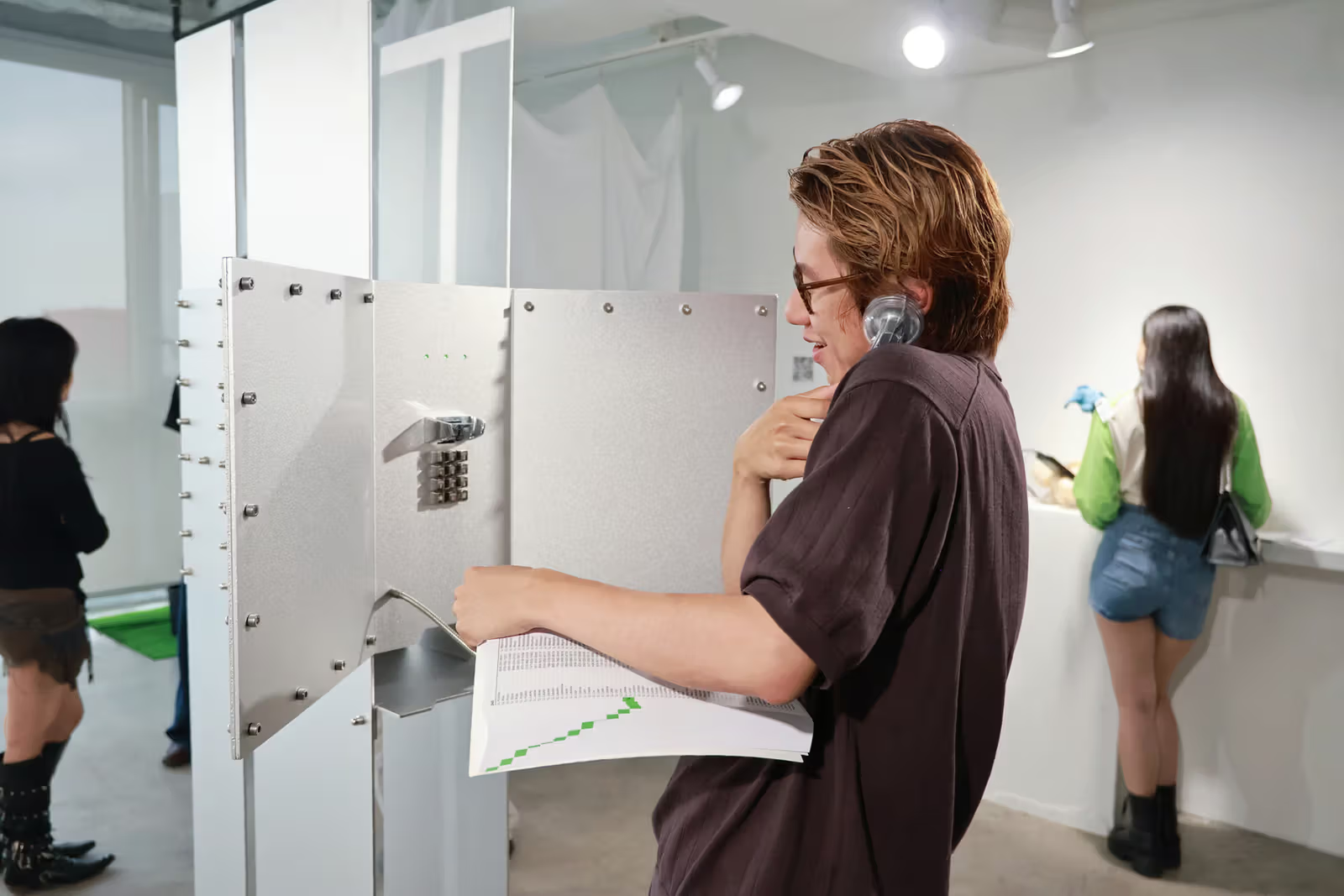
Synthetic Genesis assembles intersecting metal planes into a telephone installation, placing a clear handset beside a printed directory. Visitors browse more than 100,000 fictional personas and dial to begin a conversation. Each has a name, background, personality and voice, while a system generates responses according to the selected identity. These are synthetic characters within the artwork, not a real population register or a service connecting callers to 100,000 actual people.
A clear handset and keypad retain familiar telephone actions.A published gallery view shows visitors browsing the directory and using the installation.
Compared with opening a phone chat window, turning pages, selecting a number and lifting a handset create sequence and posture. The shared character of an old public telephone meets personalized AI conversation inside one object. The work offers no settled verdict on human–machine emotion. Instead, viewers can consider how interfaces affect what they are willing to say and how a sense of relationship emerges when a voice occupies physical space.
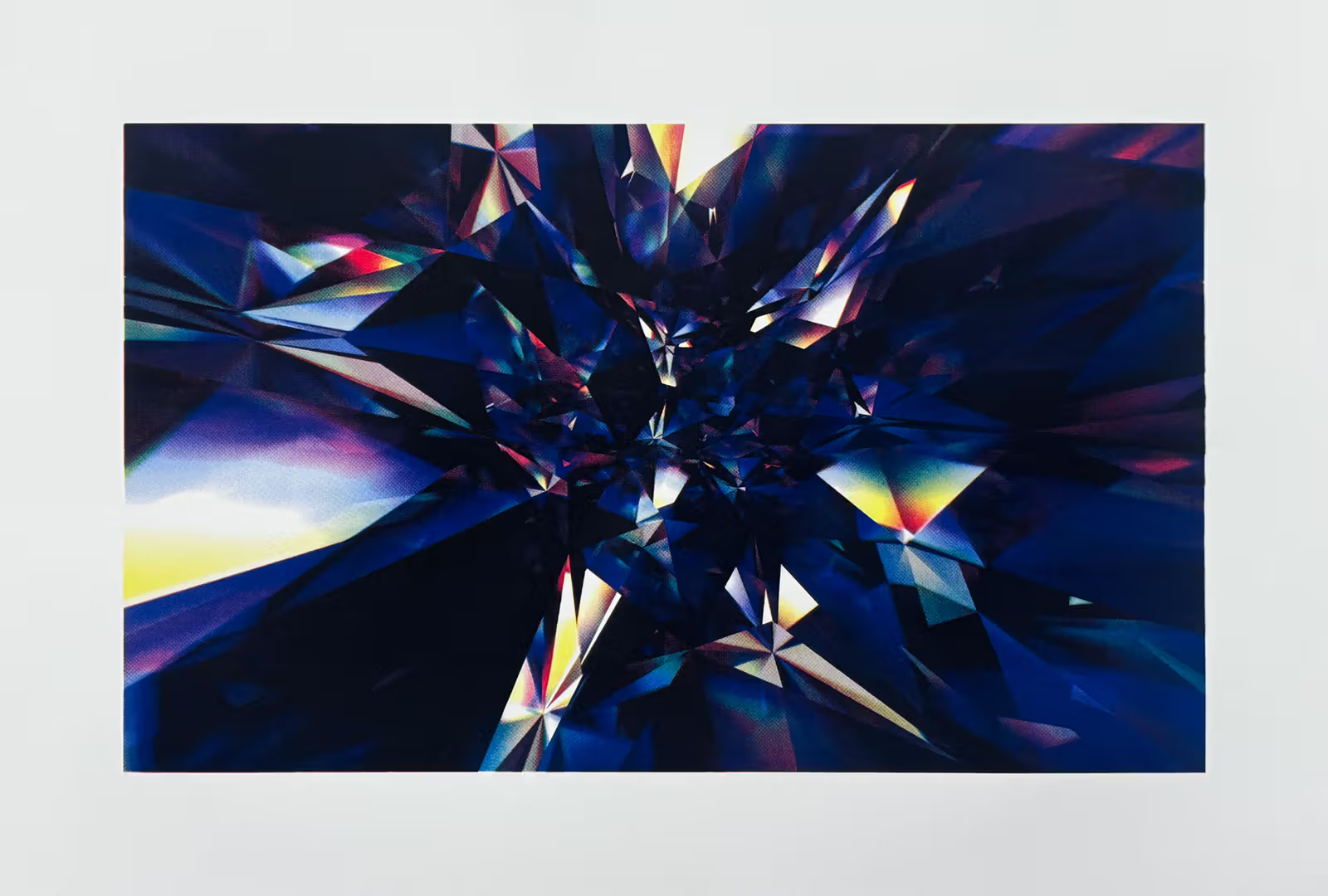
Lattice Series returns impossible crystals to paper
Lattice Series begins with digital rendering to create forms and colours unconstrained by natural crystal structures, then becomes a physical object through silkscreen. The official portfolio dates the series to April 2026. These crystals are not geological records, and their colour and refraction should not be read as scientific images of actual minerals. Natural structure supplies a vocabulary for possibilities that began as computational output.
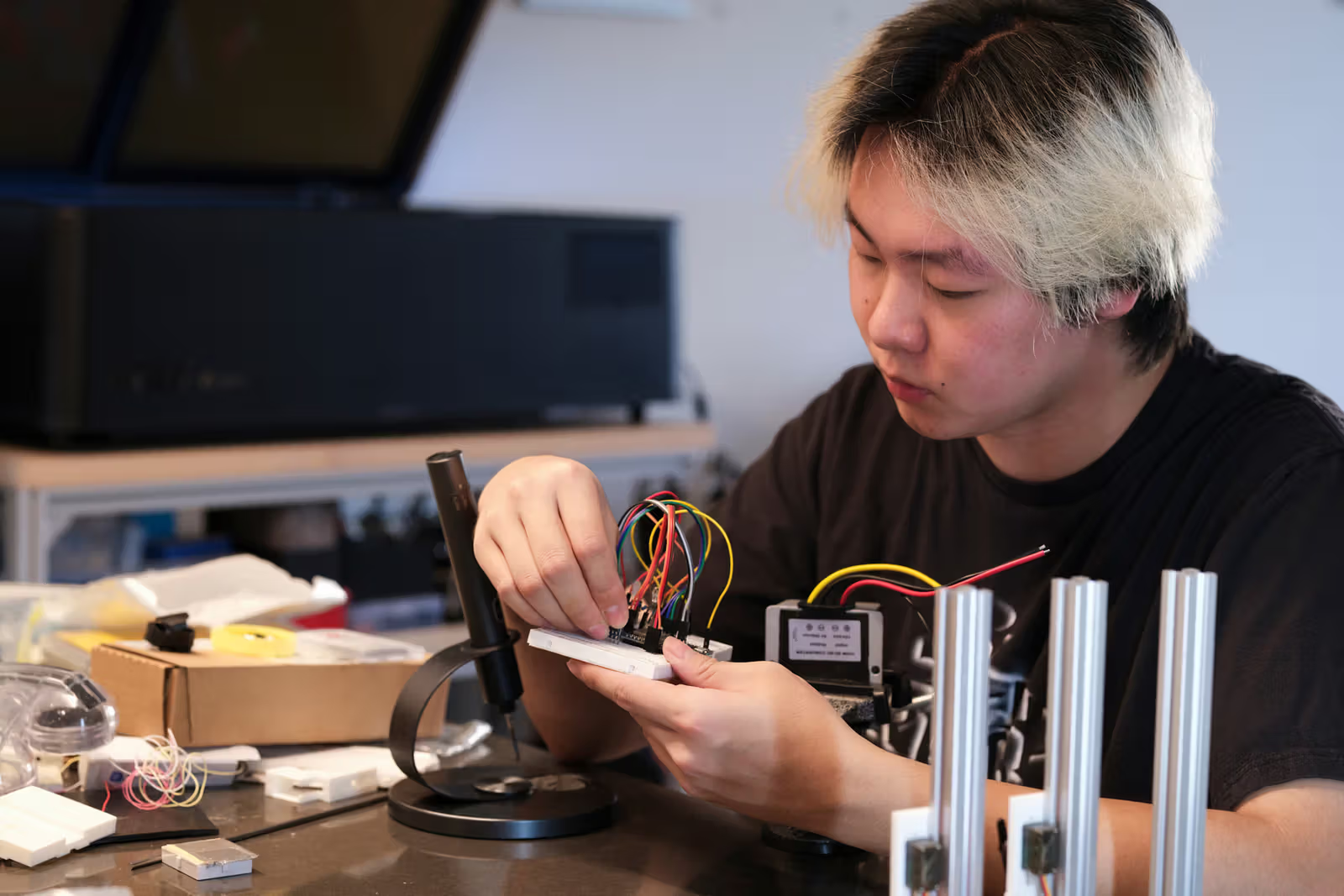
Studio imagery shows Ji working with circuits and physical mechanisms.
Silkscreen prevents the image from remaining only a screen display. Ink, paper and differences in making draw a virtual form into finite material. Readers familiar with printing, clothing graphics or graphic design can distinguish how an image is generated from the medium in which it finally exists. They are related steps, not the same operation.
Lattice Series carries digitally generated crystal forms into silkscreen.
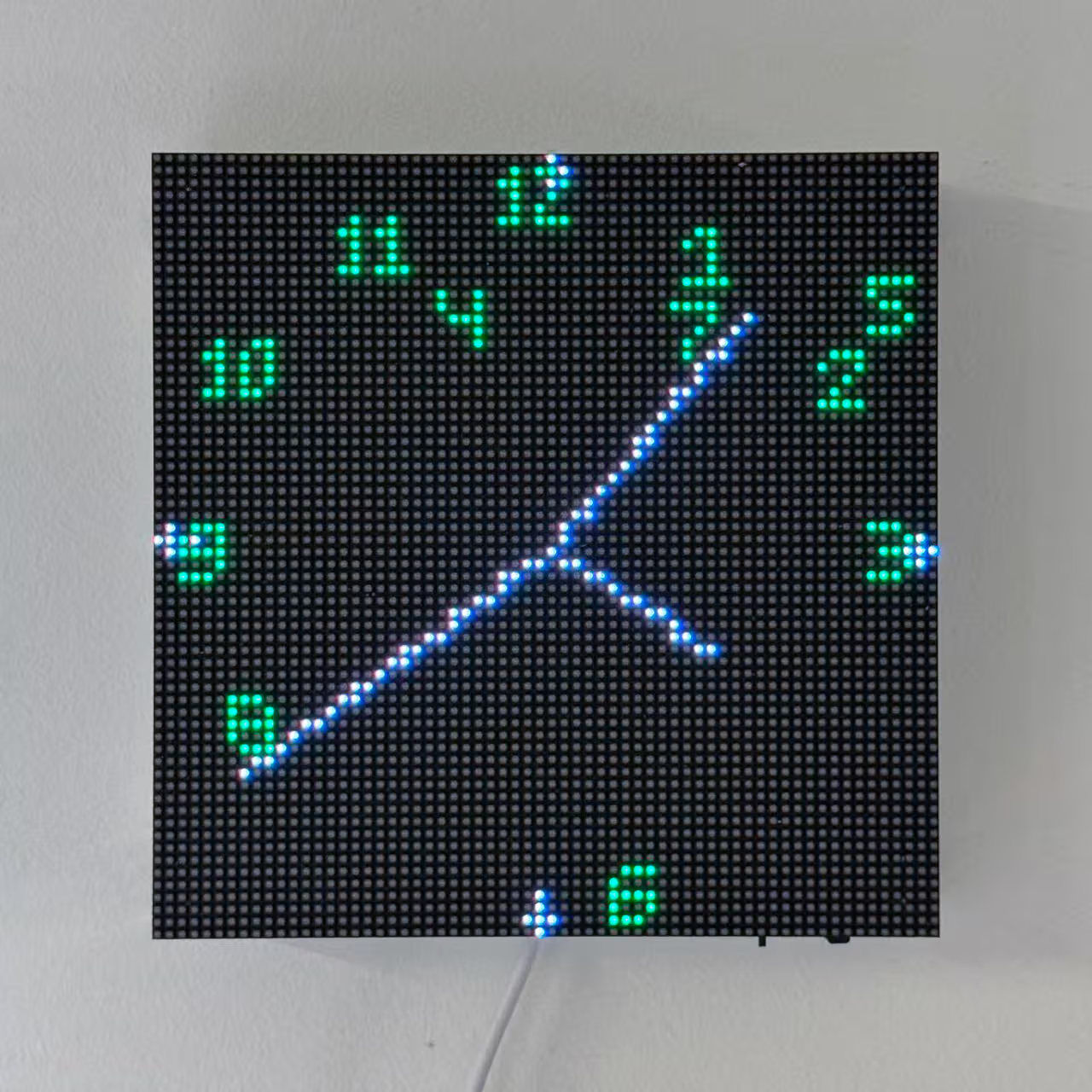
Chaos Clock addresses the experience of time
The 2025 Chaos Clock replaces orderly timekeeping with numbers disrupted by collisions. When its second hand contacts digital numbers, they scatter like pinballs against the display’s boundaries. Switches beneath the panel change colours and display modes. It expresses subjective experiences of time through interaction rather than testing or proving a psychological condition; ordinary clock accuracy does not explain its purpose.
From a telephone to paper and a display, Ji places how people engage ahead of how futuristic an object appears. Screen-based systems can vary endlessly, but a handset must be lifted, a print viewed and a clock watched as events unfold. The official Yichen Ji portfolio lists materials, dates and interaction descriptions, allowing comparison of how similar questions take different physical forms.
Chaos Clock builds an interactive time display from mixed media.