Audemars Piguet’s Taipei exhibition: over 100 timepieces, 35 collector loans and new ways to read a watch
The October 15–18 exhibition has ended. Three themes connected watchmaking, contemporary design and collecting, with openworked construction and Starwheel providing ways into the details.
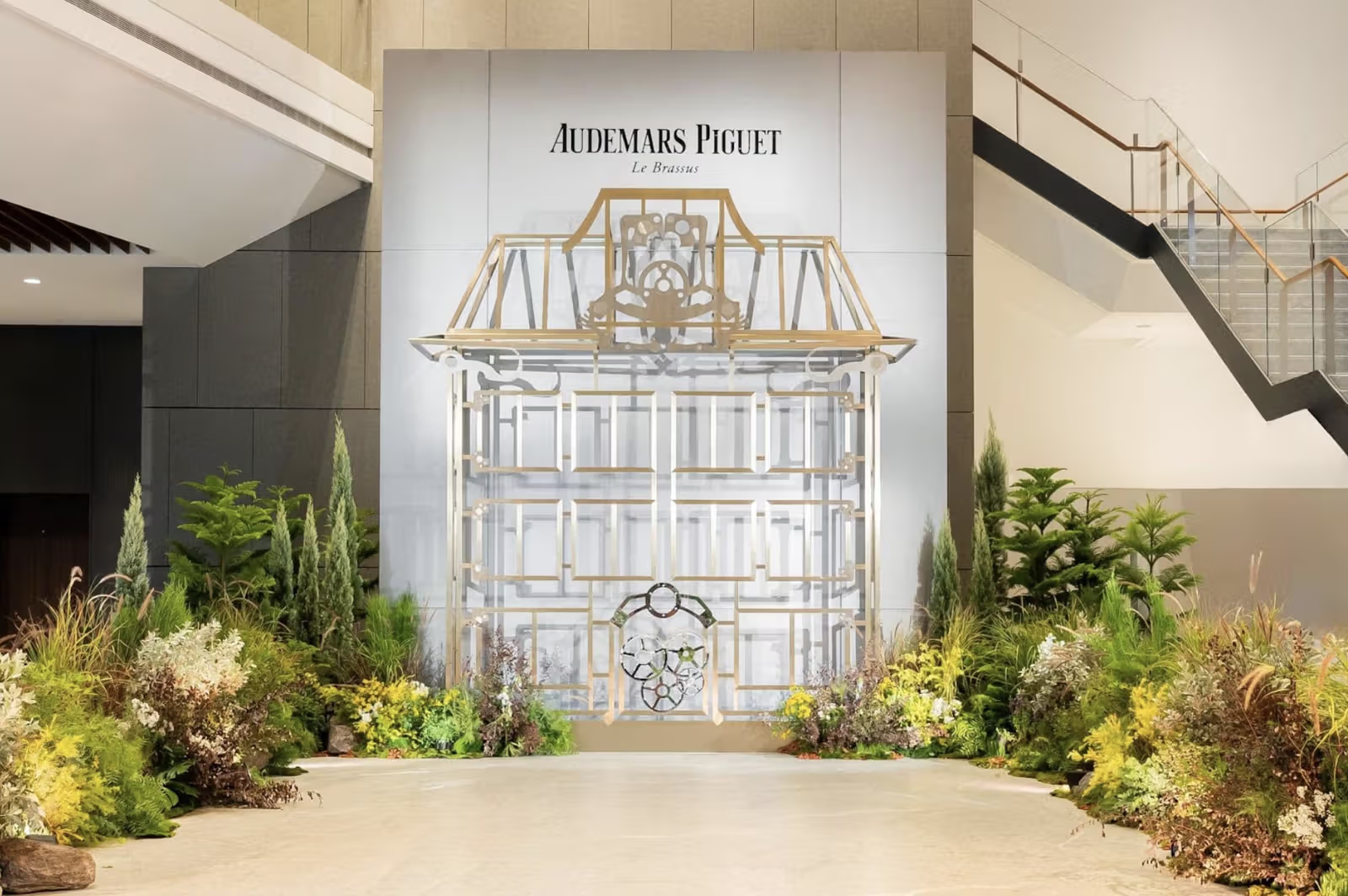
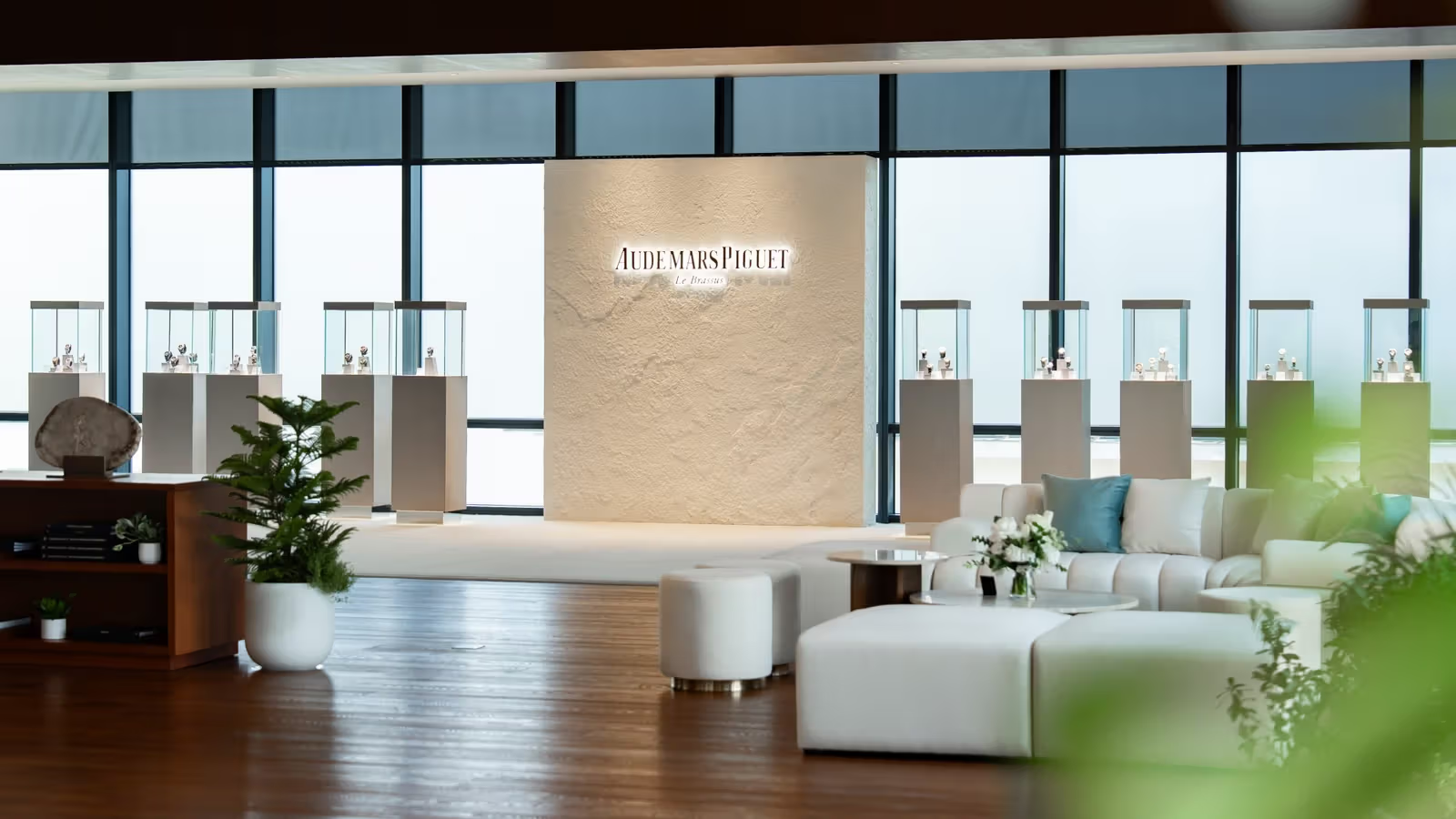
Audemars Piguet held a connoisseurs’ exhibition in Taipei on October 15–18, 2026, showing over 100 timepieces, including 35 watches loaned by Taiwanese collectors. The event has ended. Its displays connected watchmaking, contemporary design and collecting across different periods.
Cover image: Audemars Piguet
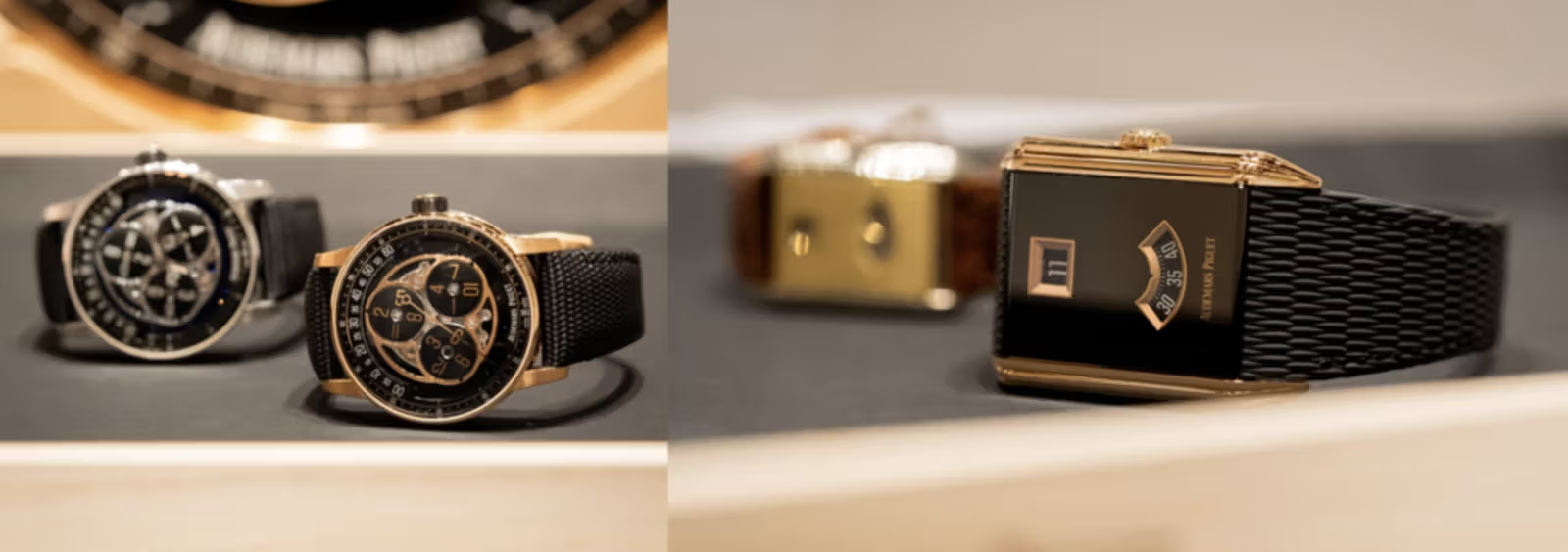
Skeleton timepieces and watchmaking objects in the exhibition. Image: Audemars PiguetRevealed images of Audemars Piguet’s complicated timepieces. Image: Audemars Piguet
Three themes to compare history with the present
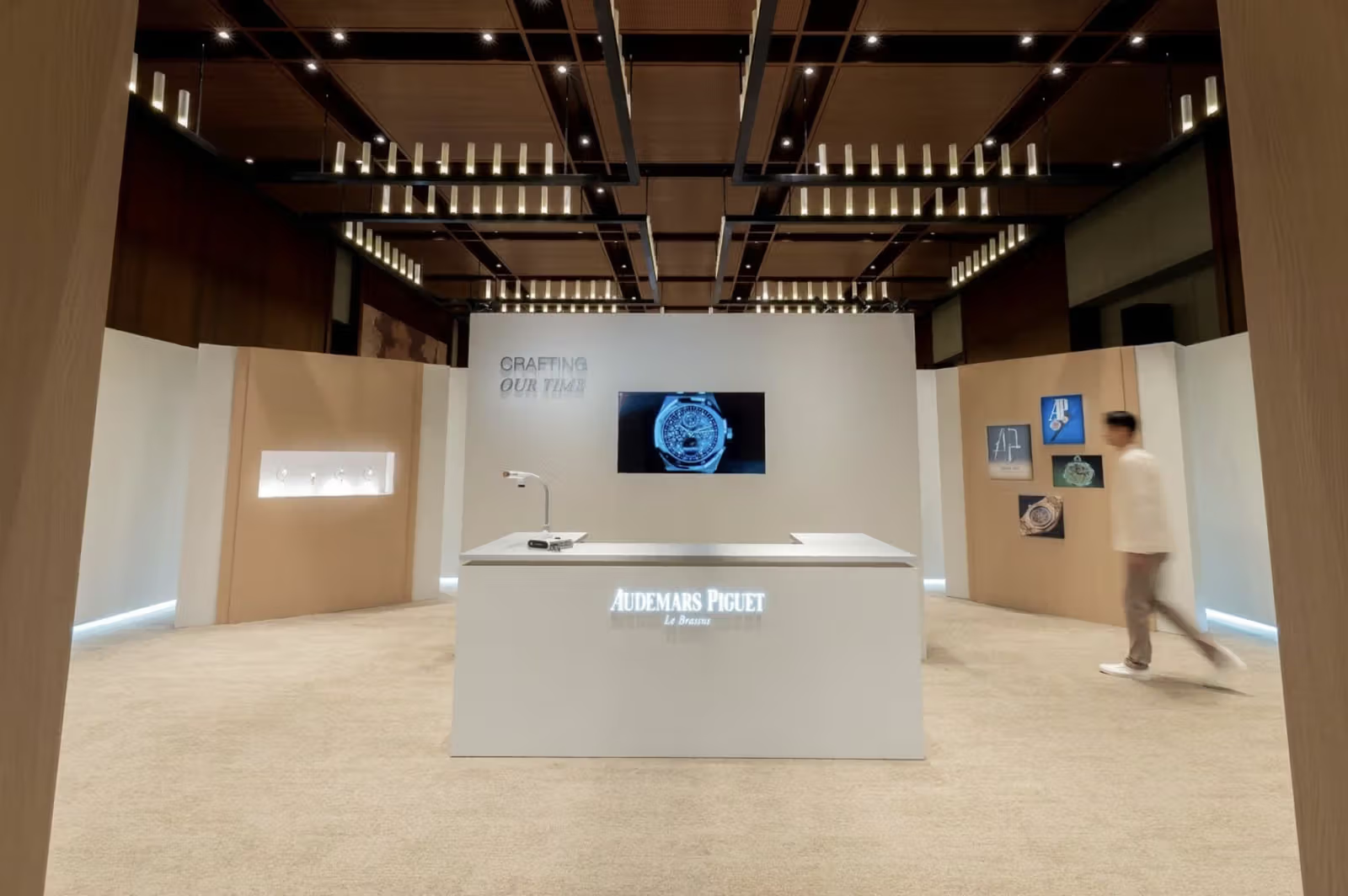
The exhibition unfolds in three directions: Crafting Timepieces, Our Time and Our Future, providing viewing entrances to crafts, contemporary times and the future respectively. When the works are arranged by theme rather than purely by price, viewers can compare how the same watchmaking problem was handled in different eras.
The brand was founded in Le Brassus, Switzerland in 1875. The cooperation between Jules Louis Audemars and Edward Auguste Piguet is the starting point of the story. But to really get into a watch, you still need to see how the movement, case and display work together. The chronology is just a coordinate for understanding the details.
Taipei Exhibition’s Brand History Space. Image: Audemars Piguet
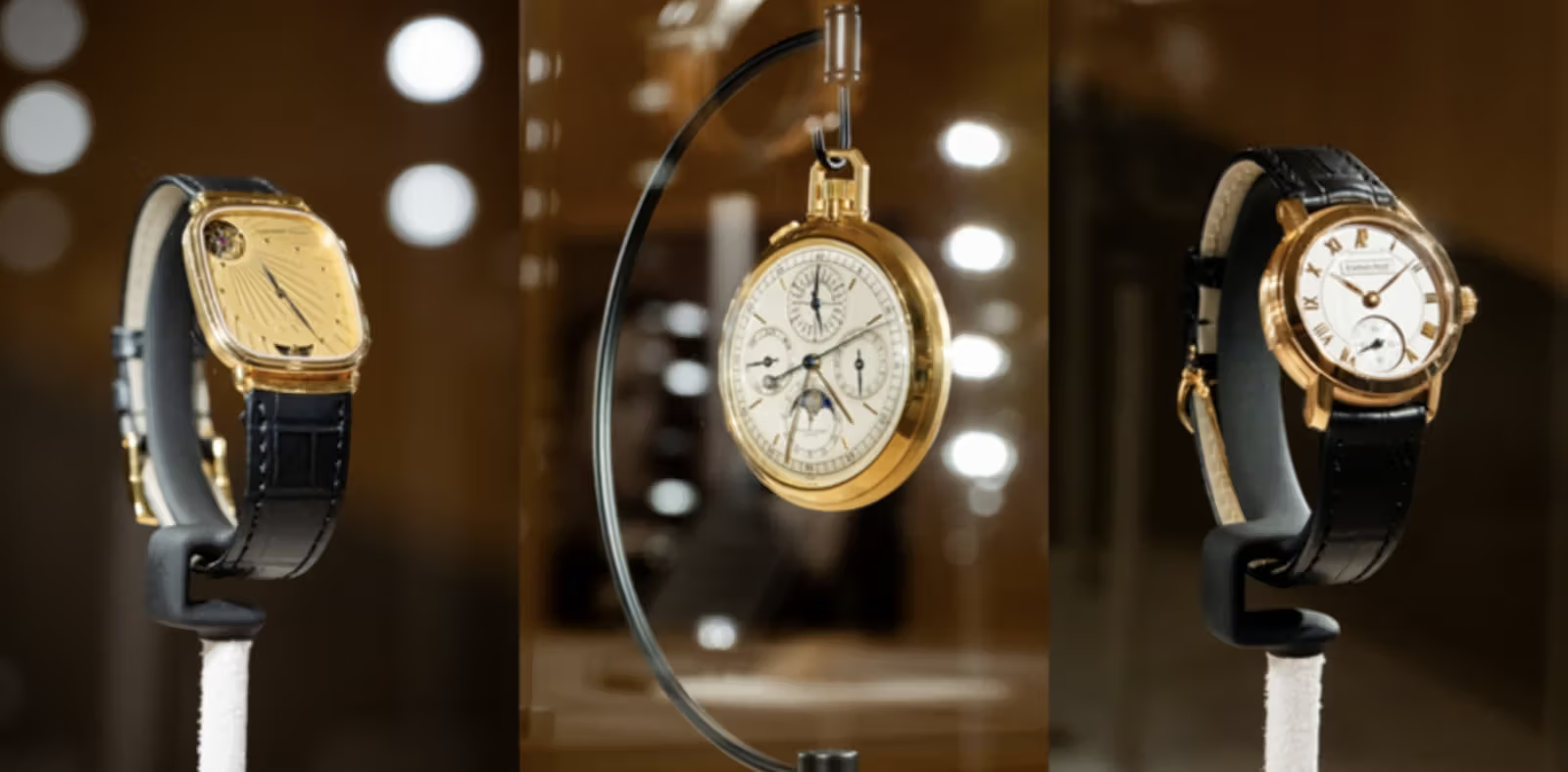
Works by Taiwanese collectors, giving objects a second time
35 collectors’ works refer to the number of timepieces and cannot be directly converted to 35 collectors. Collection extends objects from brand announcement to personal choice: the same watch may obtain different positions in different collection contexts due to its age, function or design.
When collections and brand works are displayed together, it is worth comparing not only the rarity, but also the characteristics that continue to be valued. Looking at a certain type of display or structure over time allows collecting to become an ongoing awareness of the design, rather than just an accumulation of names.
The identification of Royal Oak comes from materials and structure
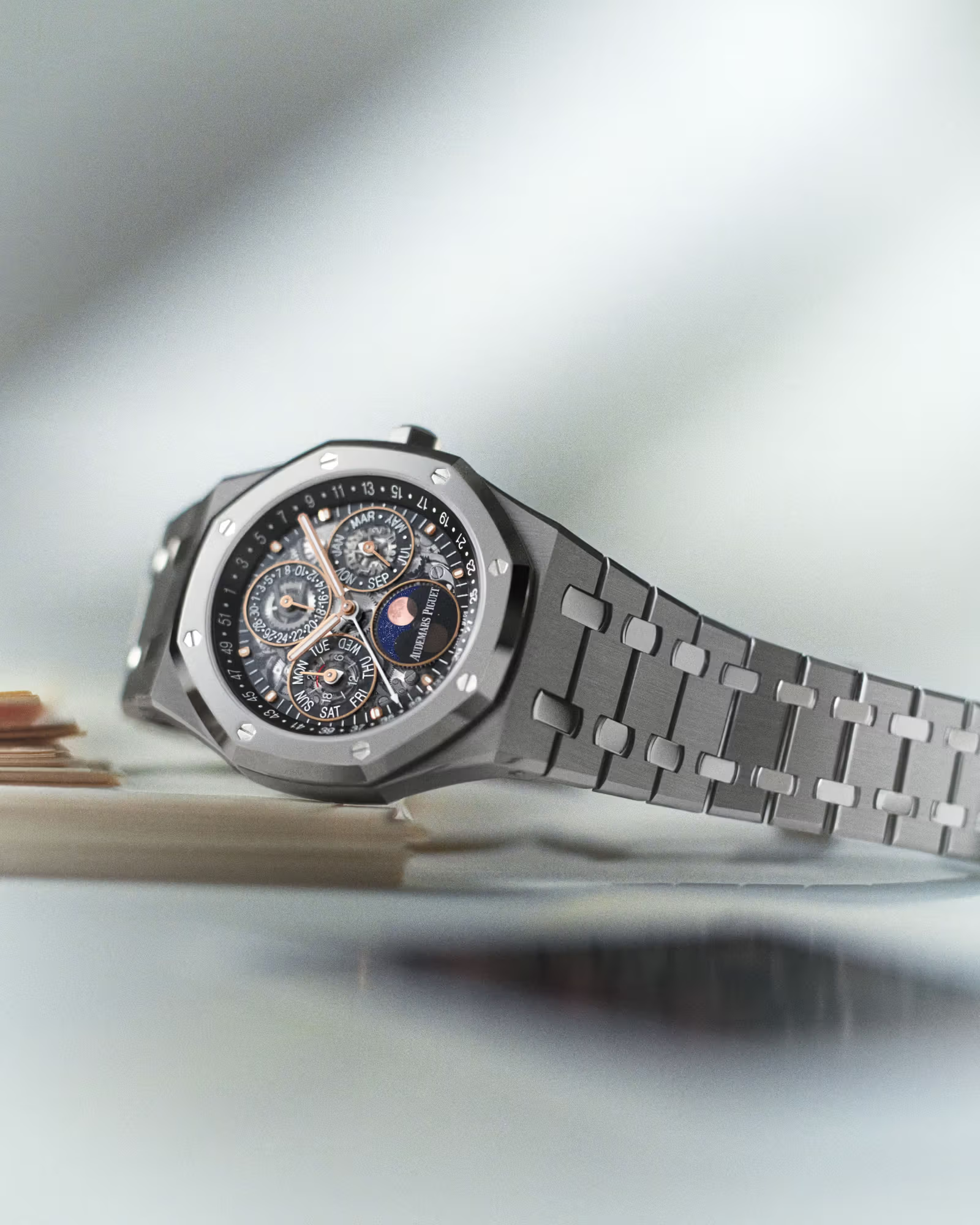
The Royal Oak, designed by Gérald Genta in 1972, put stainless steel, geometric bezel and integrated appearance into the narrative of fine watchmaking. Familiar silhouettes are easily taken for granted today, but returning to their historical location makes it easier to see how the design has changed at that time.
When viewing different versions, you can compare the proportions of the bezel, case and bracelet handover, instead of just identifying the brand logo. With similar shapes, thickness and surface treatment will affect the light, making the same design language present different rhythms.
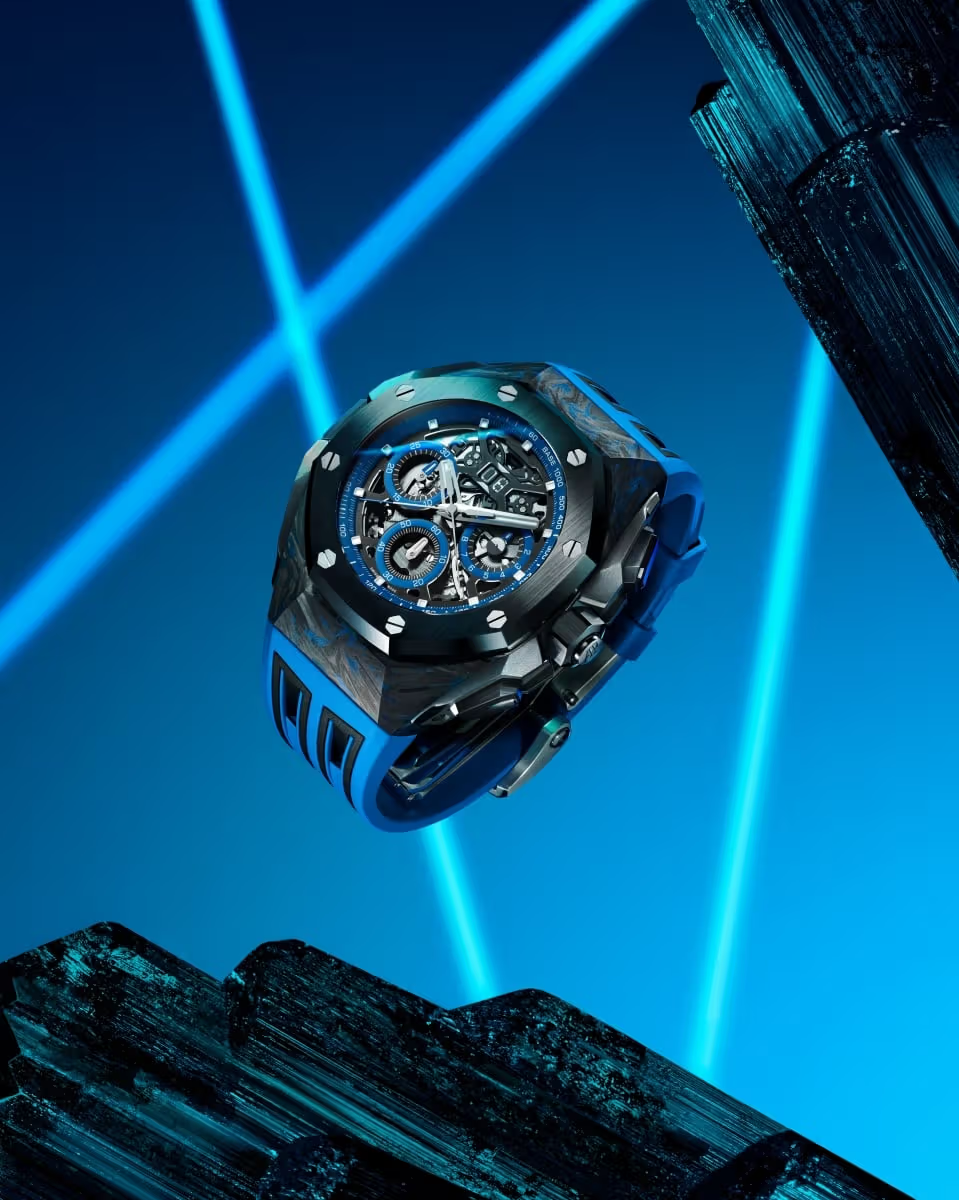
The outline of the case and bracelet of the Royal Oak model. Image: Audemars Piguet
Openworking balances visible space with structural support
Openworking does not mean simply removing the dial, but allows the mechanical structure to retain support while forming a level that can be read. The relationship between bridges, edges and gaps makes the movement simultaneously an operating system and a visual composition.
Instead of just asking how many parts are exposed, look at how the line of sight goes from one layer to the next and whether the display is still clear. This makes it easier to understand how craftsmanship and design work together, and translates technical names into practical, visible details.
How to read Starwheel: the hour number moves along a minute scale
The Starwheel adopts a wandering-hour display. Three turntables each carrying four hour numbers are driven by a central structure; the active hour numbers move along the arc-shaped minute scale, and the reader reads the minutes based on the position of the number. It cannot be reduced to a general pointer display, nor can it be explained by calling the minutes retrograde.
The official Starwheel explanation offers a closer look at the mechanism. Although the Taipei event is over, its questions remain useful: understand how a watch expresses time, then consider what makes it worth keeping.