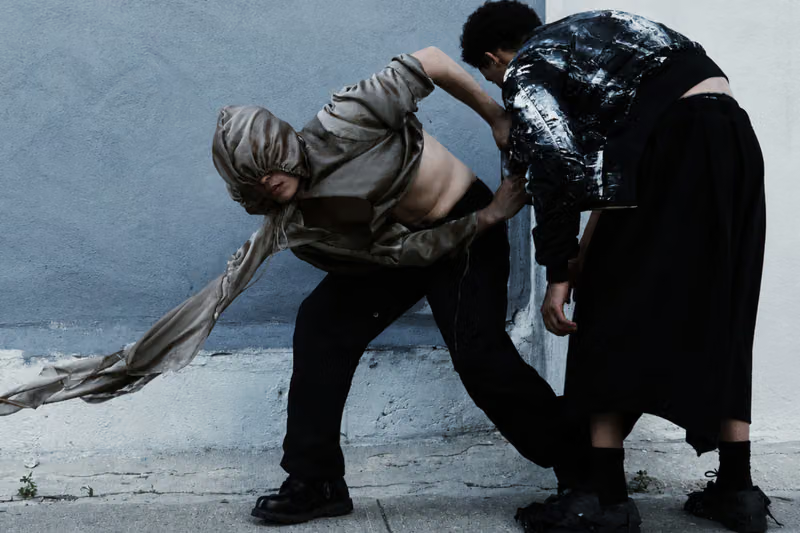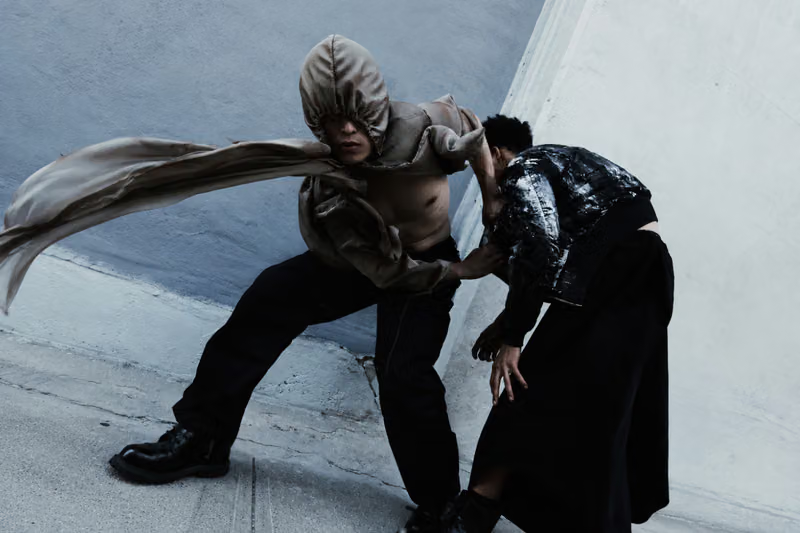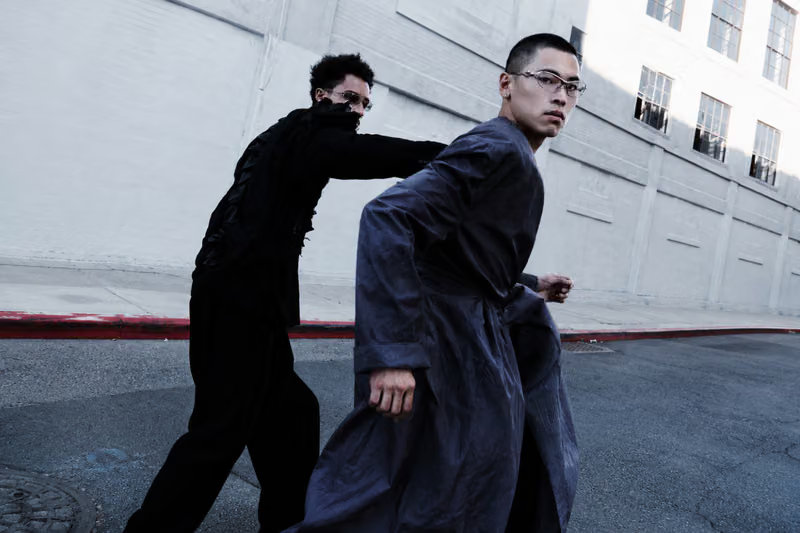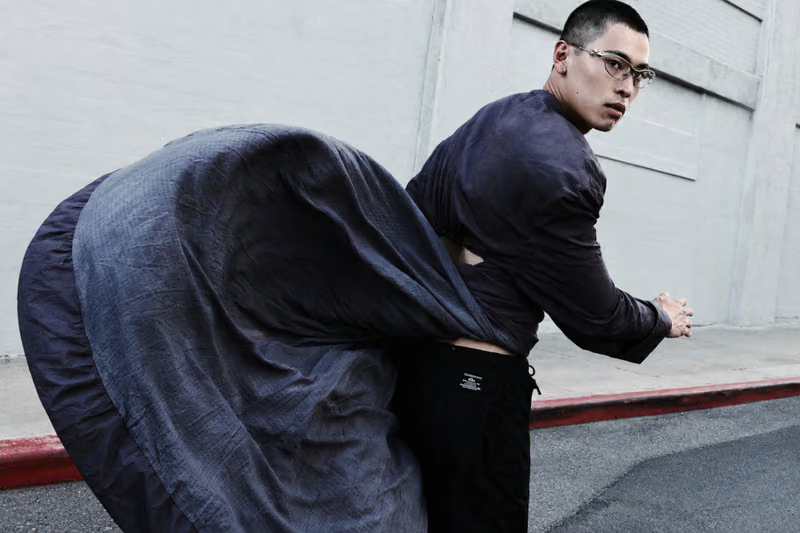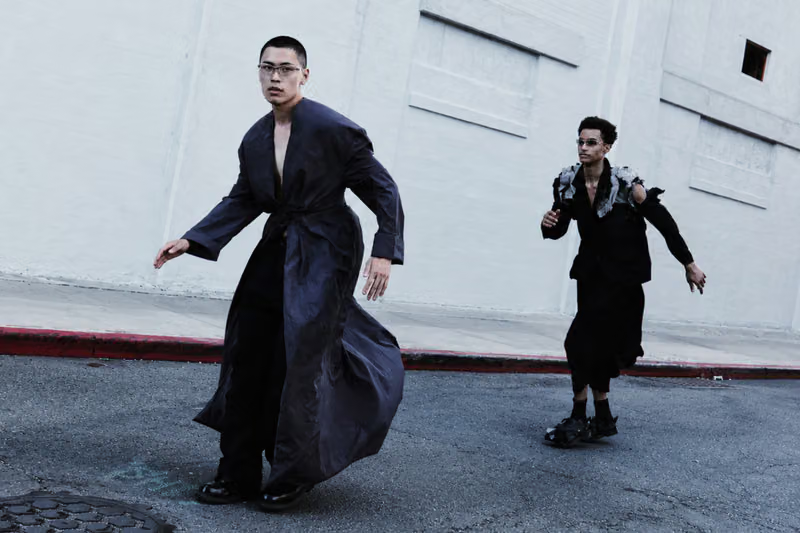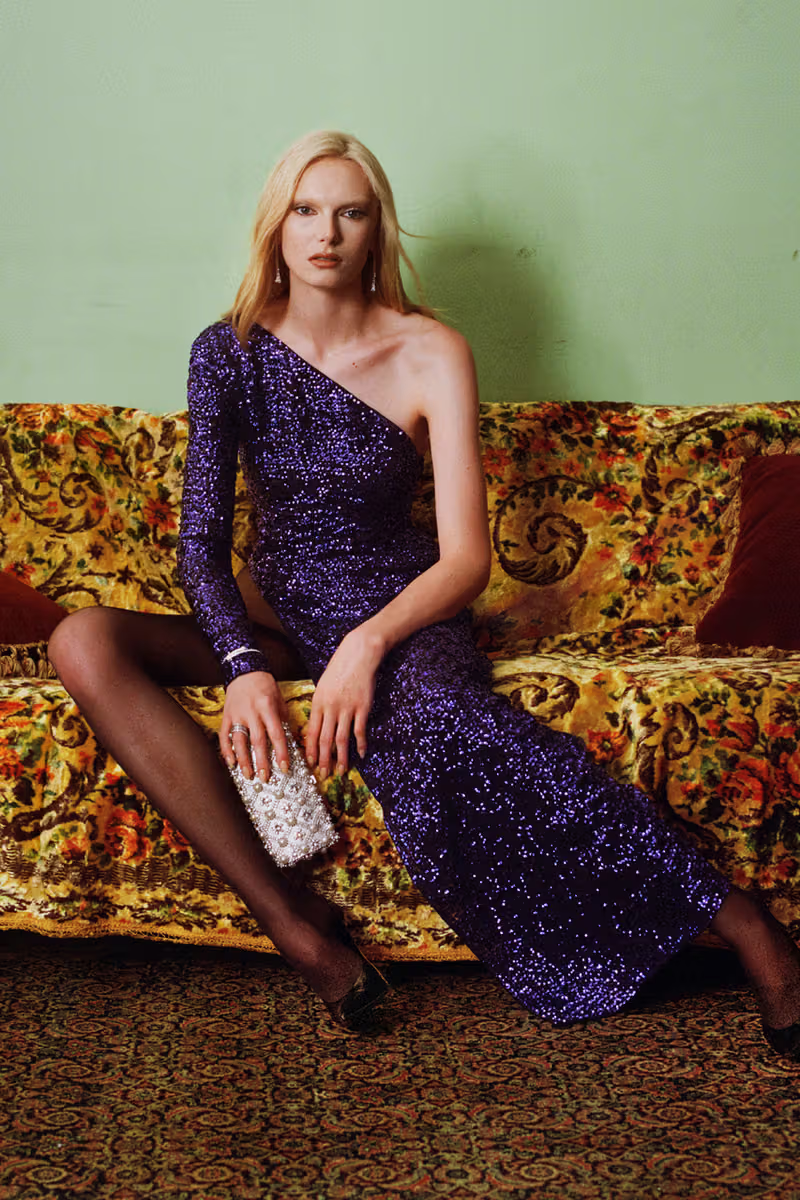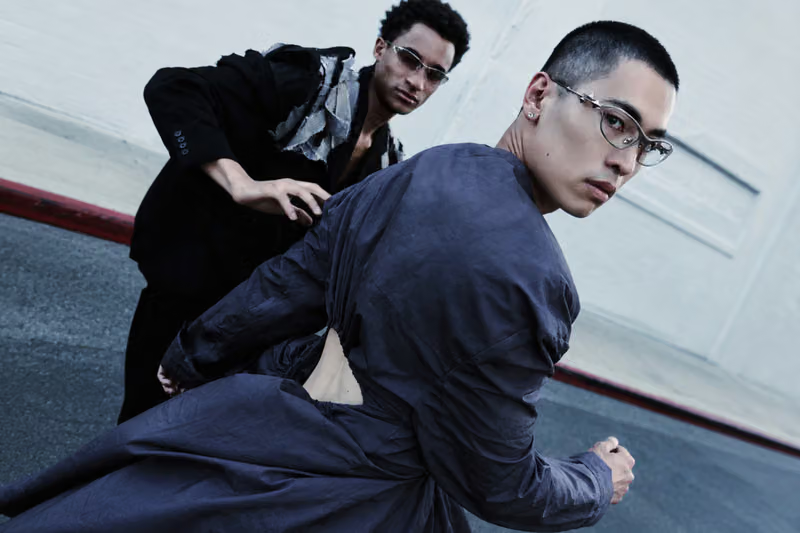
If a shirt is taken apart, resewn, and partially cast in resin, is it still the same shirt? Hikari no Yami turns this question directly into clothing for its latest season — and the answer isn't written in a press release, but stitched into the seams and hardened resin textures of the fabric itself.
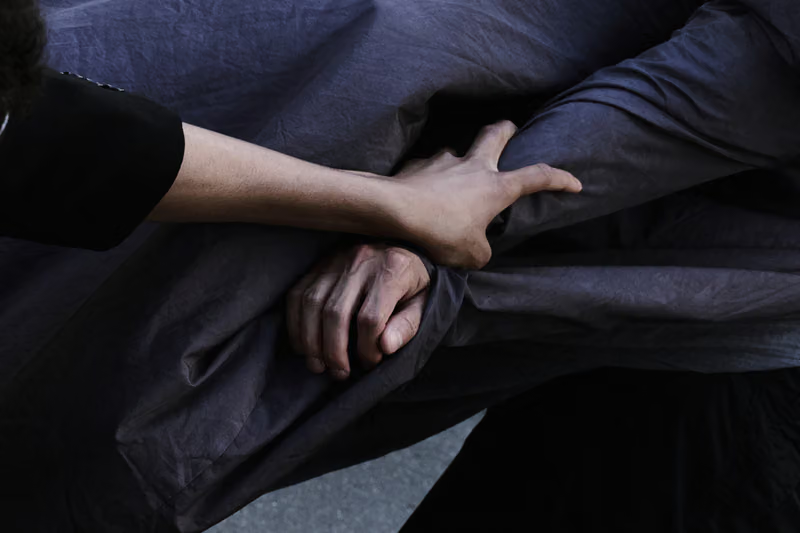
Ten seasons into deconstructed tailoring and philosophical inquiry, the brand distills its SS27 collection, 'Chapter 11: Parasite,' into one concrete thought experiment: the Ship of Theseus. If every plank of a ship is replaced one by one, is it still the same ship? The clothing follows the same logic — reclaimed cotton, wool, and Japanese nylon mesh are taken apart and rebuilt, then finished through hand-stitching, hand-painting, dyeing, spray treatment, and resin encasement, with internal structures deliberately exposed as part of the new silhouette. This season sits between 'absurdism' and 'essentialism,' as the brand frames it — offering no definitive answer, only material evidence for the wearer to interpret.
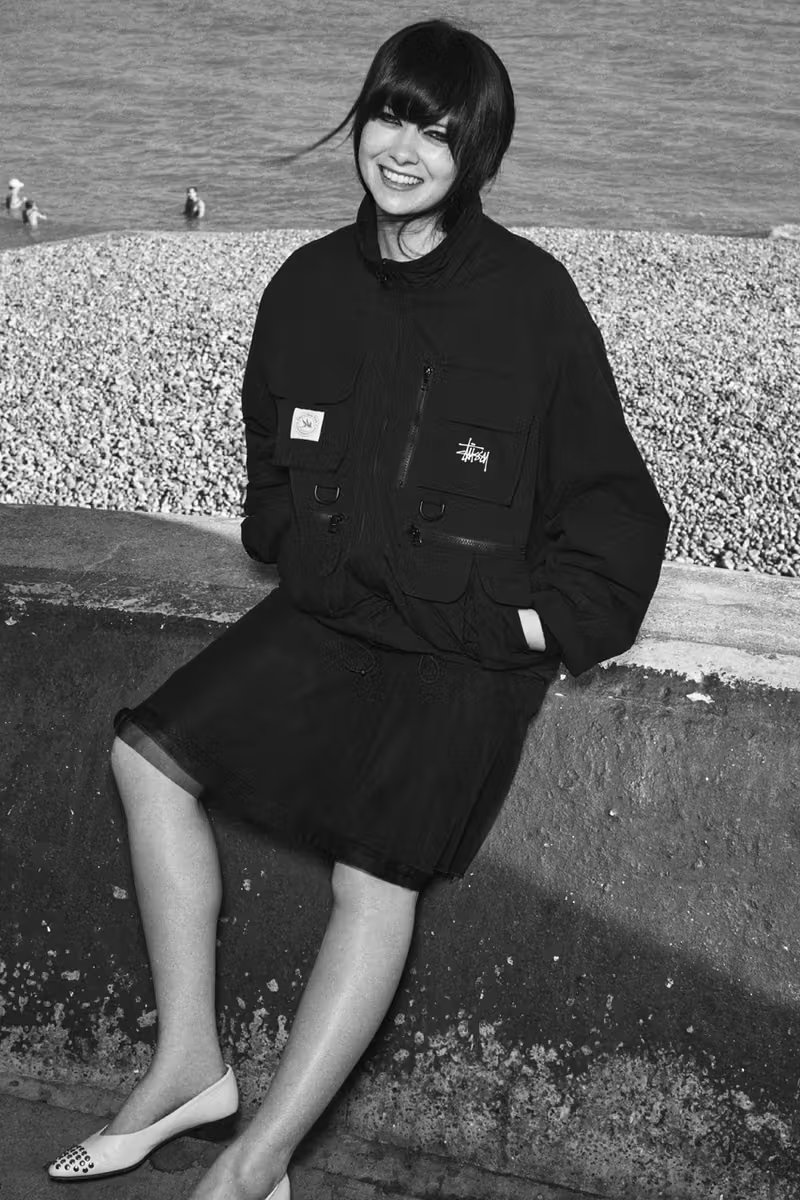
Several collaborations break this inquiry down into distinct textures. Alpha Industries contributes military-functional silhouettes reworked into versions that emphasize individuality; designer Ciera Calmeise delivers molded spine structures and resin tops, the pieces that most directly echo the season's 'cast into form' concept. Artist Vanessa Vun hand-paints ink-dyed shirts one at a time, with no two exactly alike. Alex Yarally handles Japanese nylon mesh tops, Supima cotton shirt-jackets, and silk chiffon hoodies — spanning everything from rigid to sheer, echoing the brand's statement that 'clothing is never fixed in form, but continuously evolving.'