A.A. Murakami’s bubble forest reaches Taichung on November 14: two practices and NT$299 early birds
After the Rain runs through March 1, 2027, bringing six-metre New Spring and material research across two floors. Fleeting mist and a chair made from marine waste explain two creative identities.
CMP INSPIRATION in Taichung will present After the Rain from November 14, 2026, to March 1, 2027, bringing together Azusa Murakami and Alexander Groves’s two practices, A.A. Murakami and Studio Swine. The former briefly gives form to mist, light and bubbles; the latter asks where materials originate and how they circulate. Rather than treating nature as scenery, a disappearing installation and an enduring object offer two ways to approach it.
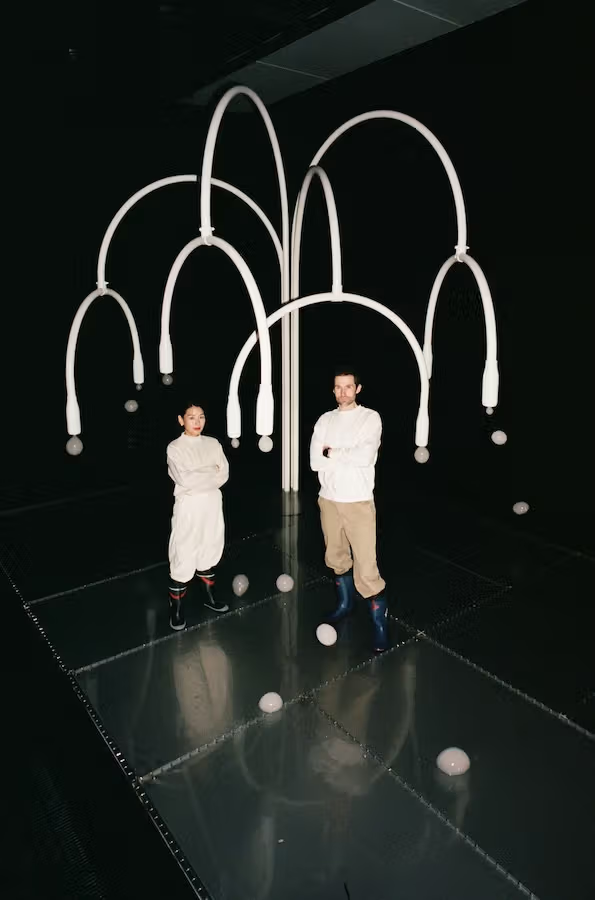
Azusa Murakami and Alexander Groves beside a branching installation.
Six-metre New Spring rises from the underground space
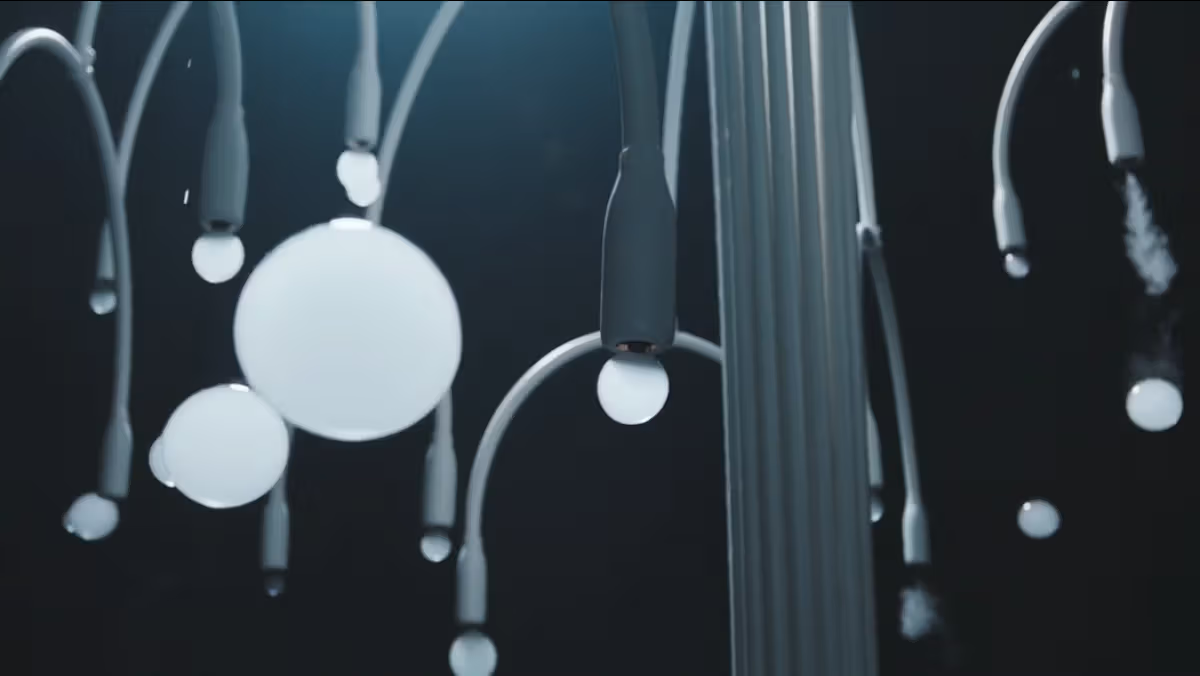
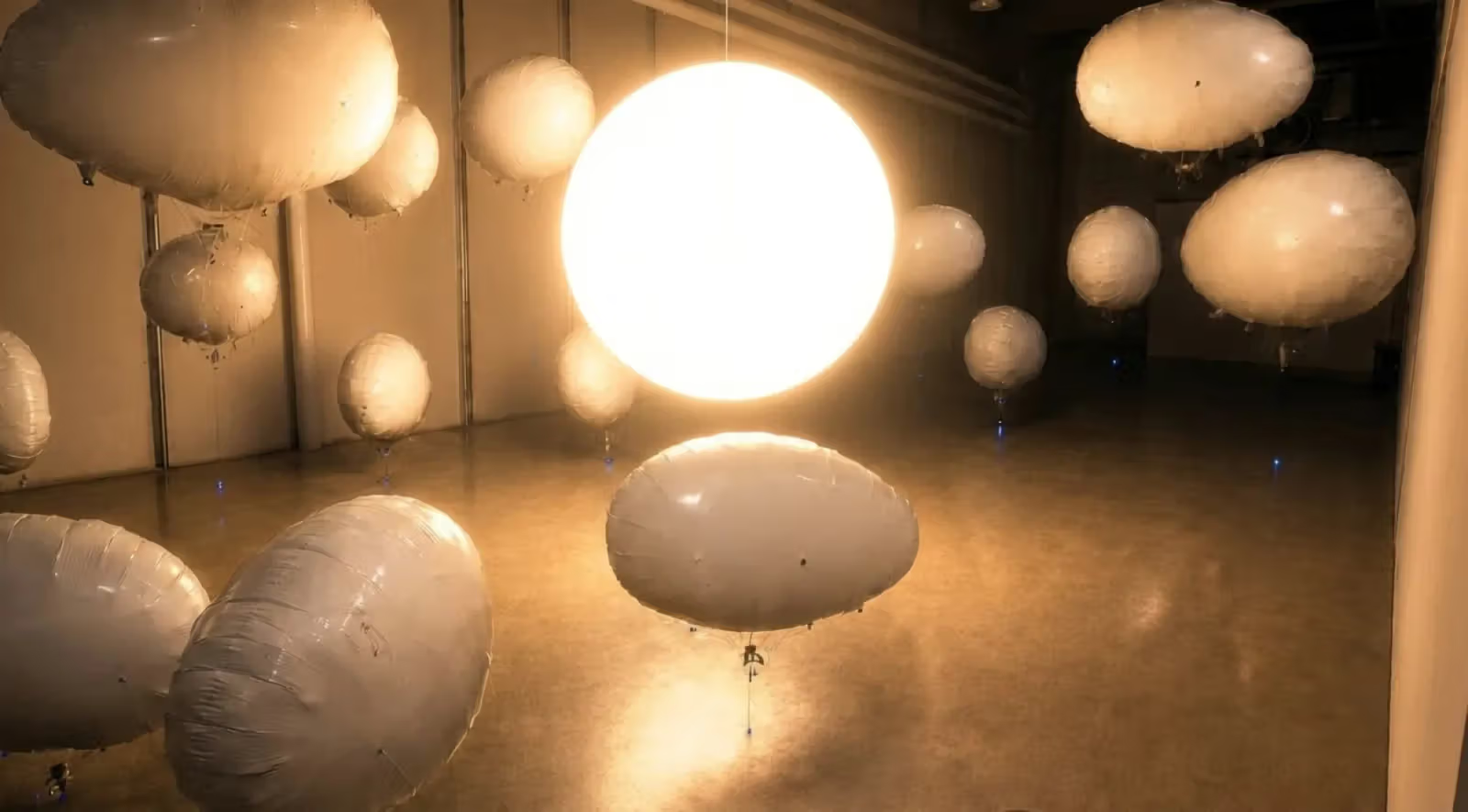
New Spring debuted at Milan Design Week in 2017. Its white branches release mist-filled bubbles that dissolve into a fine cloud on contact. Here, a six-metre version will respond to the museum’s double-height B1 landscape. What matters is not only a complete sphere caught in a photograph but its formation, descent and dissolution. The installation depends on material change, unlike a forest merely playing on a screen.
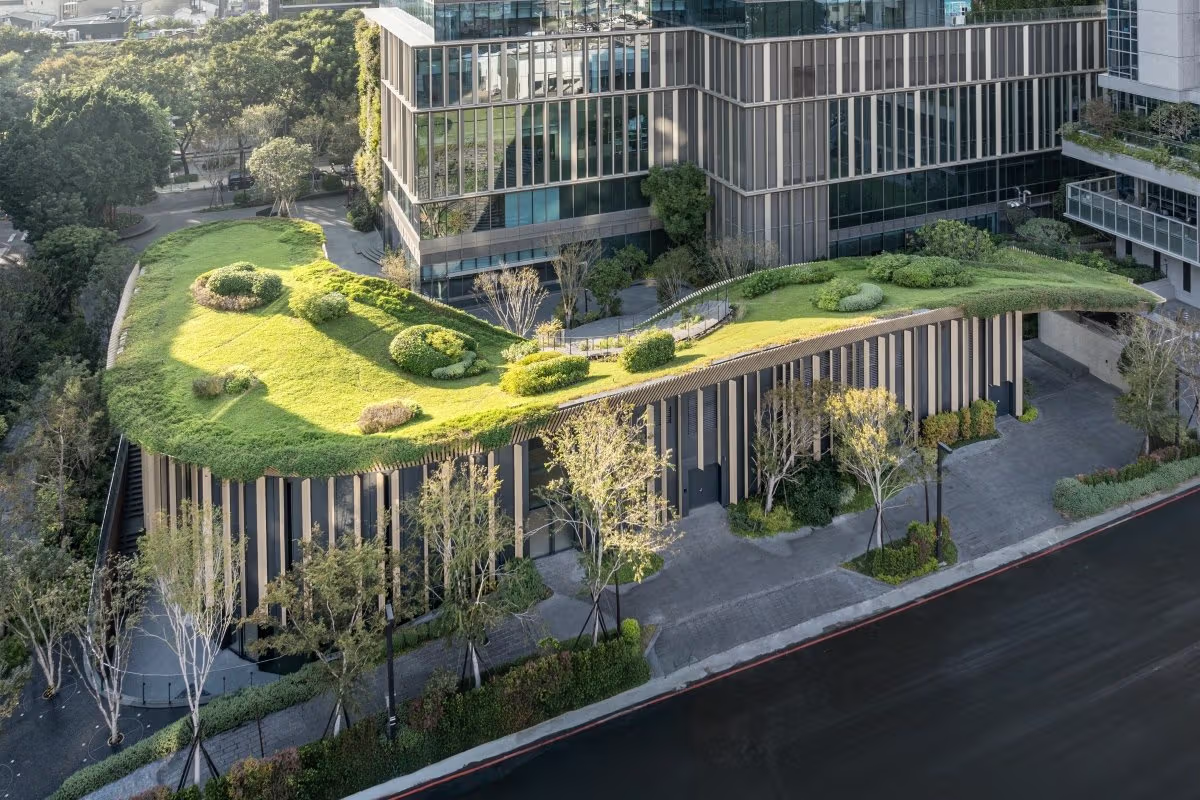
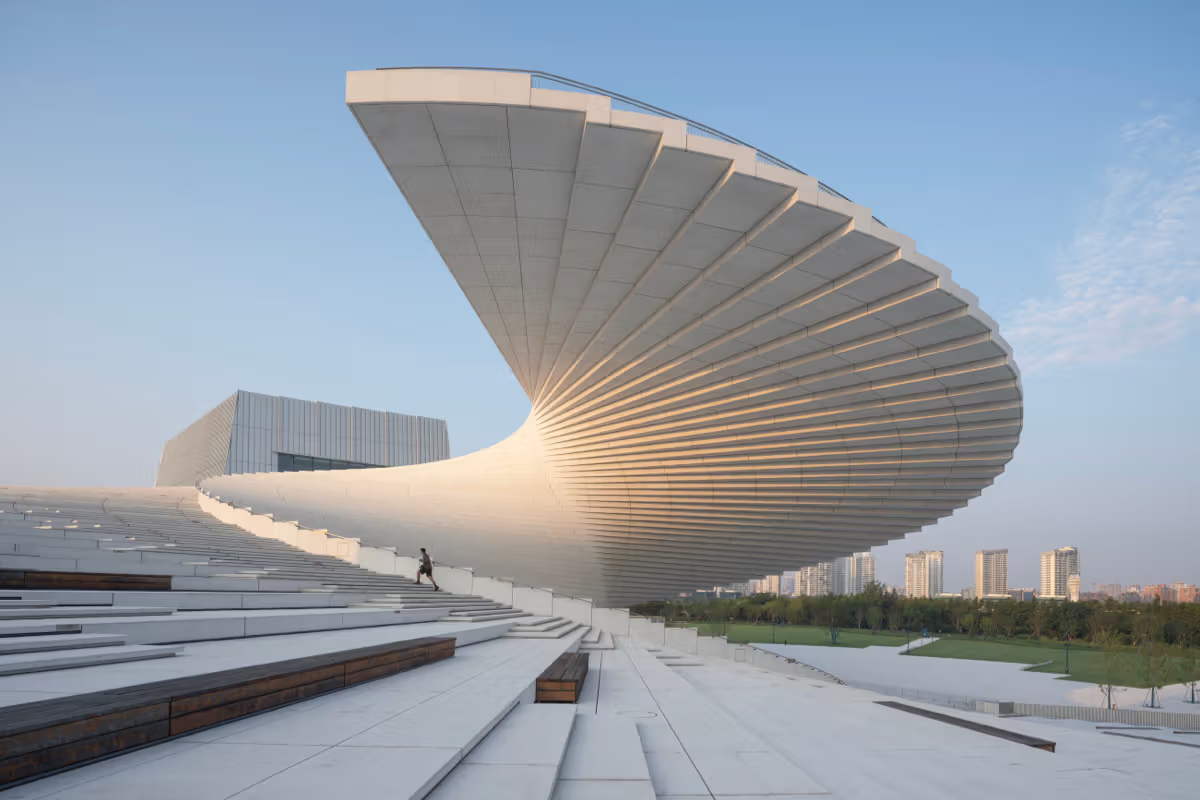
The museum exterior connecting architecture and greenery.
The pair met at London’s Royal College of Art, began working together as Studio Swine in 2011 and established A.A. Murakami in 2020. One name did not replace the other: design research starts with waste, industrial processes and local production, while contemporary art turns technology into transient sensory encounters. Their juxtaposition connects an immediate dreamlike effect with prolonged experimentation, beyond a single bubble photograph.
From ocean waste to rainforest rubber, materials have itineraries
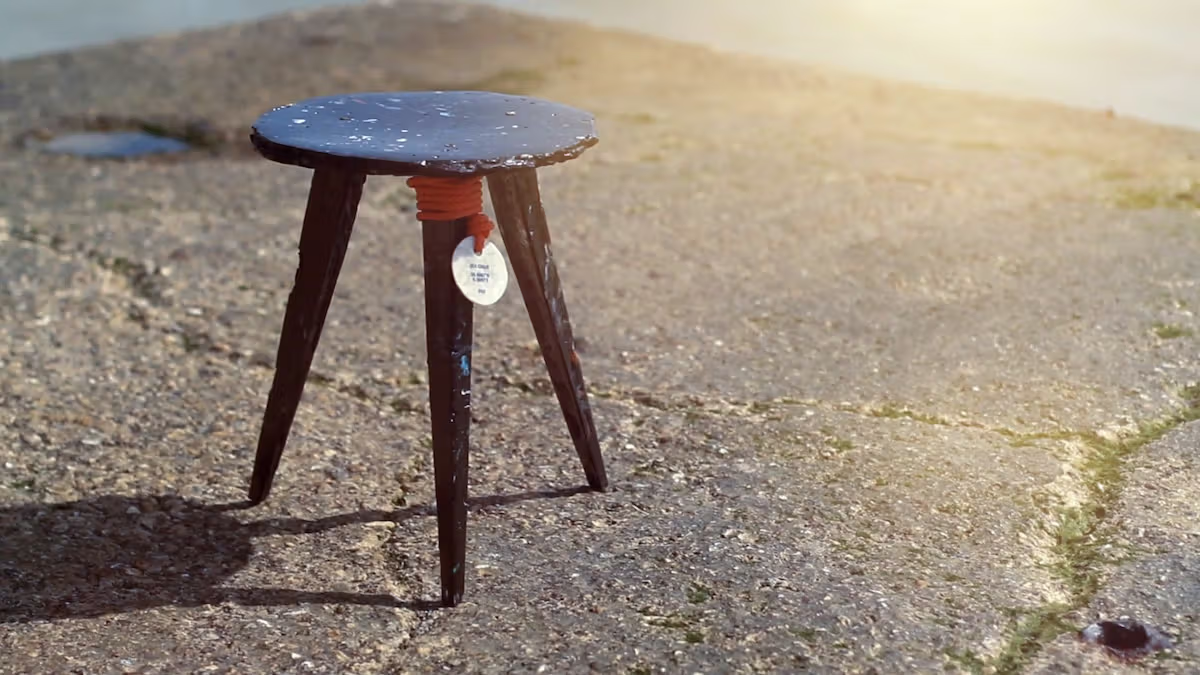
Across two floors, the exhibition includes Sea Chair, Can City, Hair Highway and Fordlandia. Research into chairs, metals and fibres returns objects to collection, processing and origin; the Amazon rainforest rubber project will present its research in full. These works invite a different scale of looking: what a material was before, which processes it passed through, and how it again becomes something used and seen.
Sea Chair, an early Studio Swine material investigation.
A Thousand Layers of Stomach extends shell patterns into coding and textiles, translating natural surface structures into design language. Documentary films will also give the making process time alongside finished objects. Compared with New Spring, these investigations reward following a trail: one disappears in seconds, while another gathers traces of fieldwork and fabrication. Together they show that the new nature suggested by the title takes more than one form.
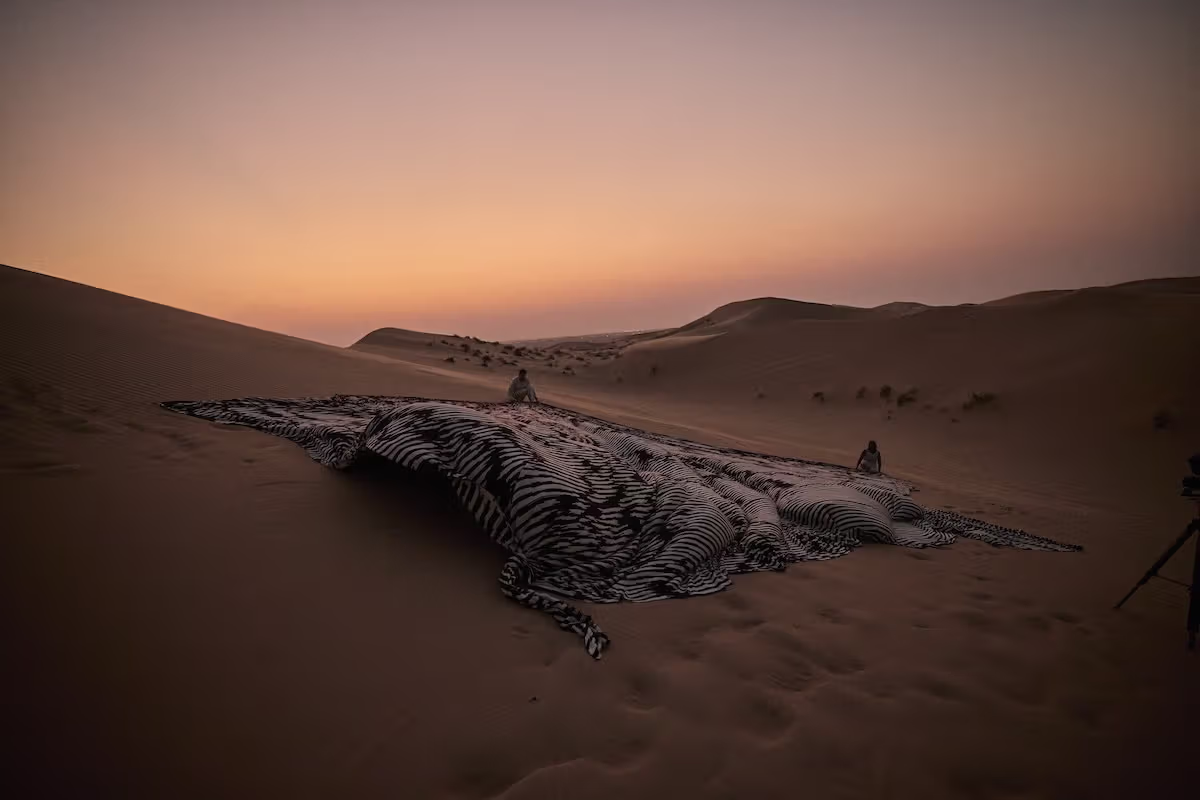
Earlier desert presentation of A Thousand Layers of Stomach.
Early birds end November 13: ticket sales precede opening
Official early-bird tickets cost NT$299, sold exclusively online through KLOOK from noon on October 23 to 11:59pm on November 13, with a postcard set; full admission is NT$350. Sales beginning does not mean the exhibition has opened: entry starts November 14. An artist encounter is planned that day, while tours and talks will be announced progressively. Choose a date according to an interest in direct experience or deeper material research.
The museum is at 79 Guanqian Road, West District, Taichung, normally open Tuesday–Sunday, 10am–6pm, and closed Mondays; Lunar New Year and other special arrangements follow official notices. Images include established works and earlier project documentation, not photographs of the forthcoming Taichung installation. Leave time for films and material studies alongside a Calligraphy Greenway visit: moving from disappearing bubbles to a chair that remains reveals the full question behind these parallel practices.