The Museum After at MoCA Taipei through December 31: guards, installation work and golden rats
Before restoration closes the building, 14 artist groups bring labour, architecture and viewing systems into focus. Check Museum Security’s special hours, then follow the question beyond the gallery walls.
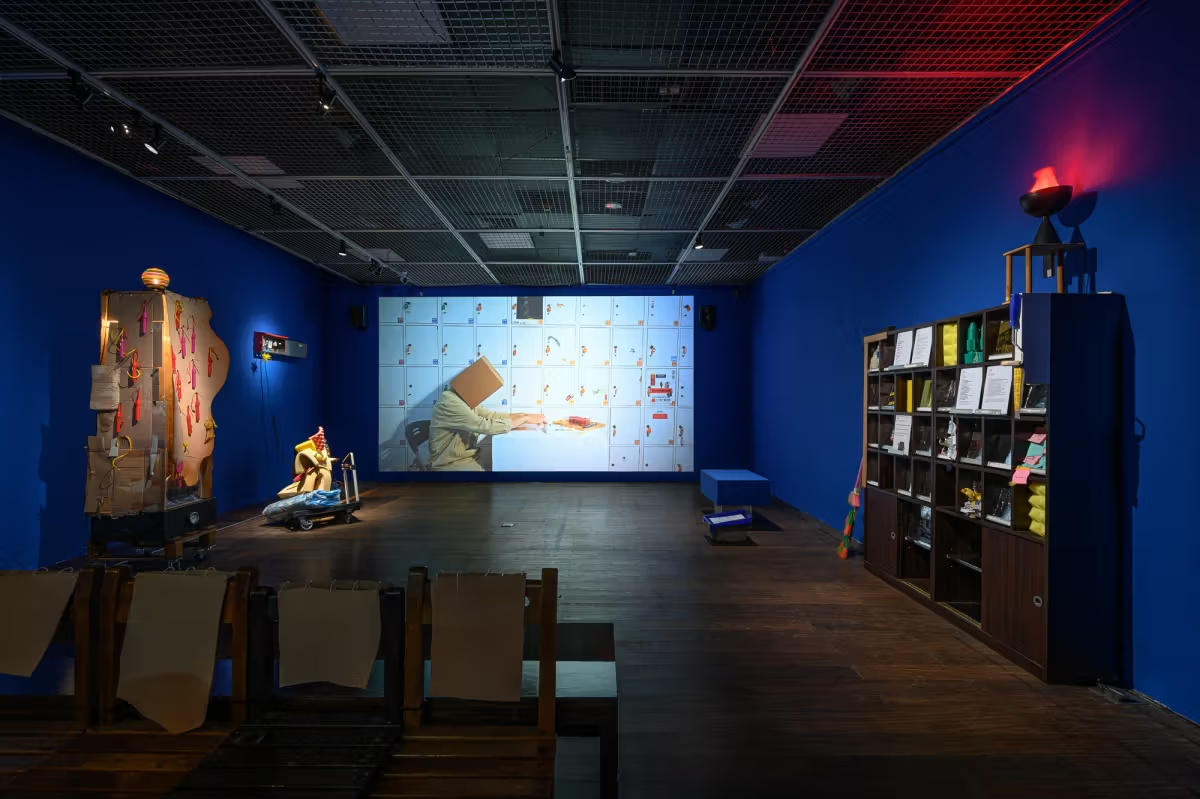
What continues to support a museum after it closes? MoCA Taipei’s The Museum After runs September 19–December 31, 2026, curated by Ying Lin and Lily Liu, with 14 local and international artist groups placing guards, staff, installation work, architecture and viewing mechanisms in the foreground. At its 25th anniversary, ahead of a three-year restoration, the exhibition goes beyond a future reopening to make routinely overlooked work visible now.
Guards and installation work are more than background
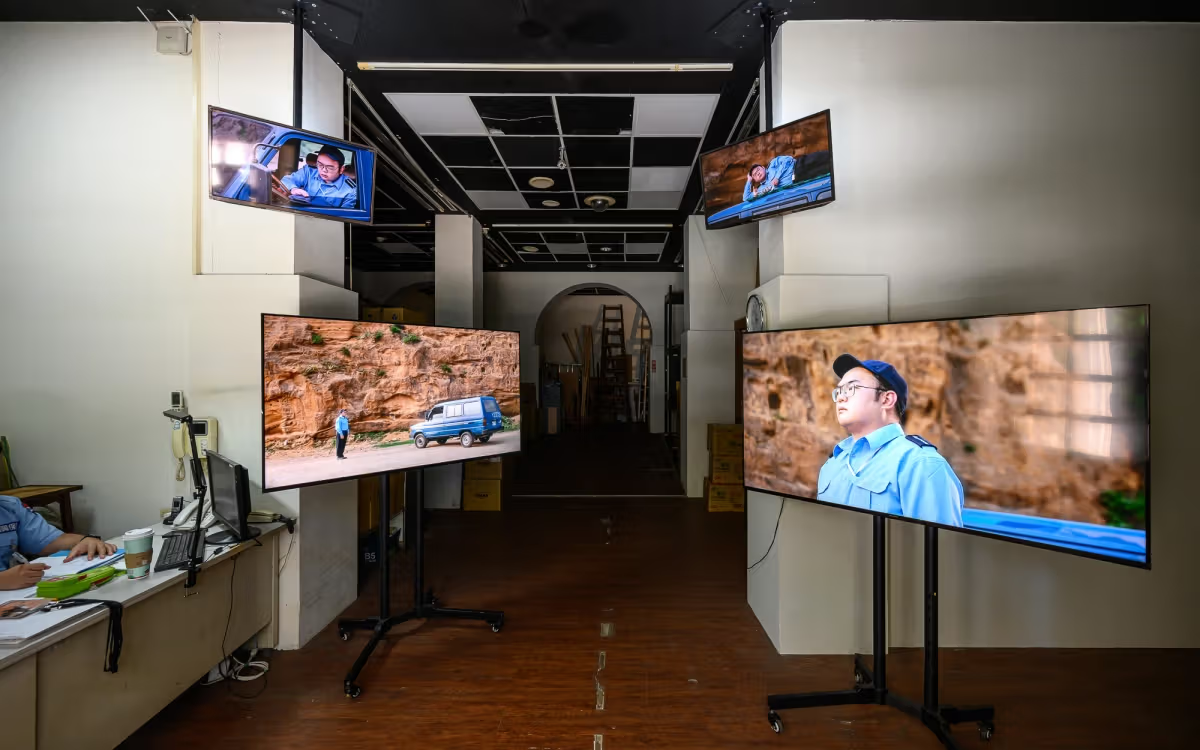
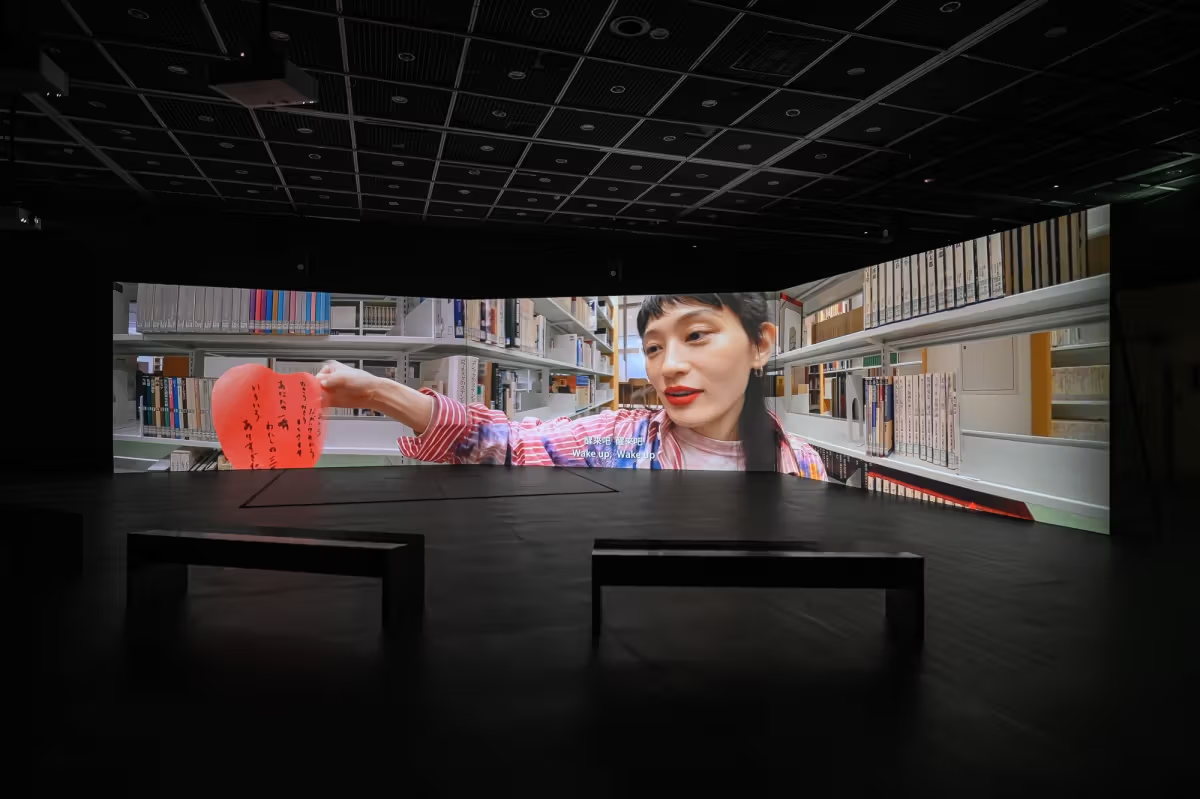
Val Lee’s four-channel Museum Security places video in the actual guard room, allowing visitors to see both the work and the duty space from outside its window. Prolonged observation, patrols and readiness for unexpected events are themselves labour sustaining the exhibition. Official viewing hours are Tuesday–Sunday 10–11:30am and 2–5pm, with morning closures on October 25, November 10 and 24, and December 10 and 24. This work requires its own timing.
Val Lee’s four-channel video installation Museum Security.
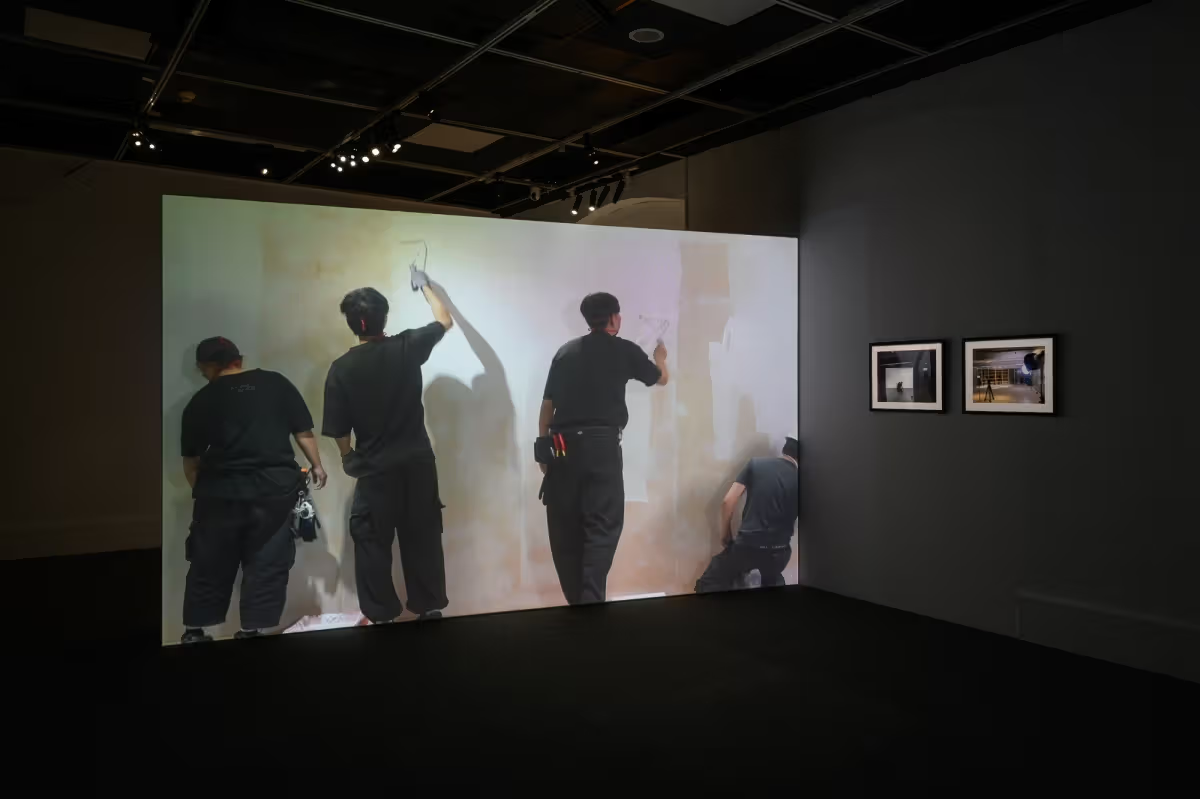
Ho Mu-Yun’s Work in Progress, Please Wait uses workshops with museum staff and objects gathered inside to organise traces of frontline work. Wang Young-Hsiang’s Gallery Profiling brings his dual experience as artist and installation worker into the work. They unpack the polished finished gallery: coordination, movement and installation cease to be things completed before a visit and become material for art to discuss.
Wang Young-Hsiang’s Gallery Profiling brings installation processes forward.
Buildings breathe, and objects can set aside their functions
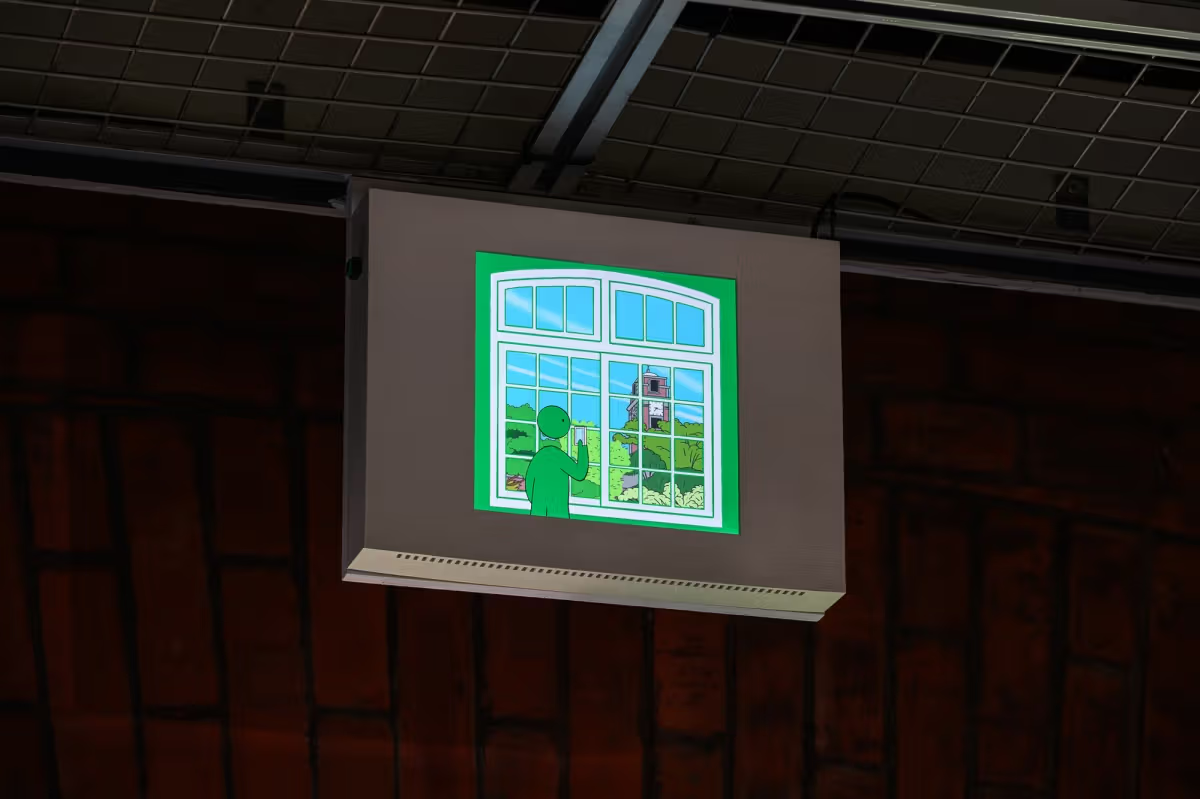
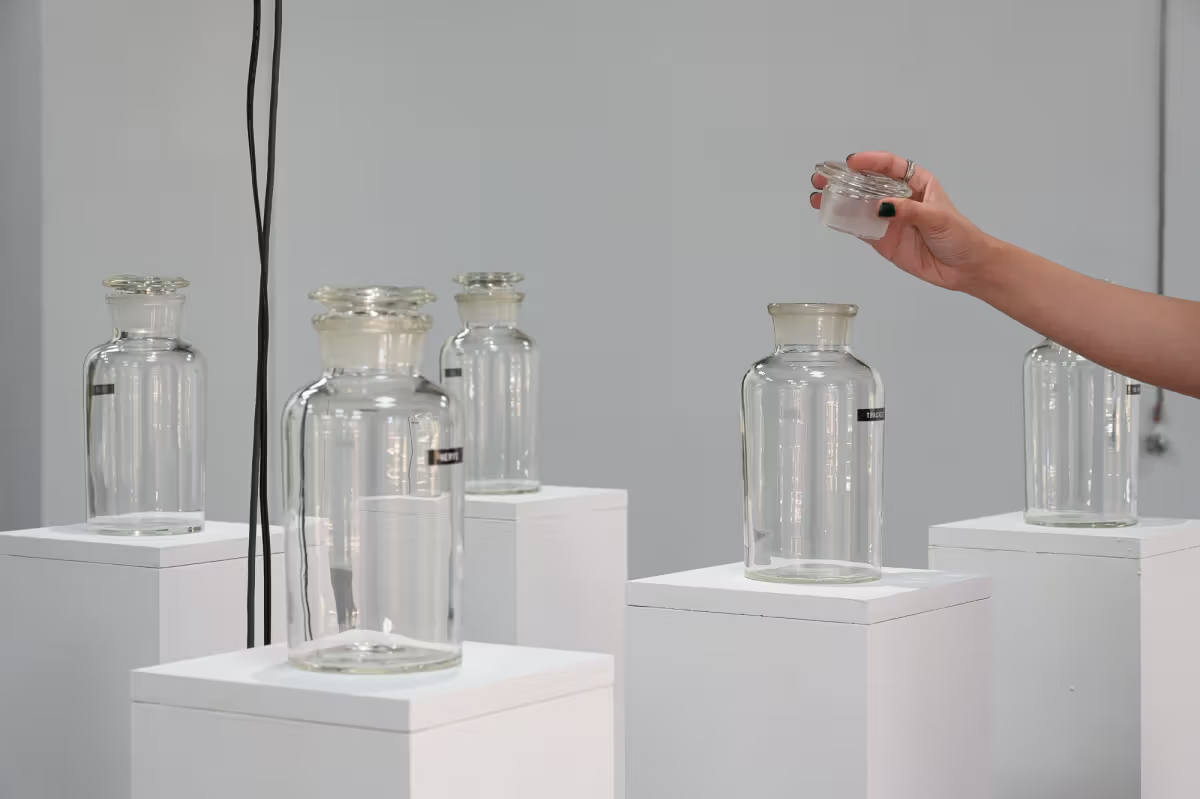
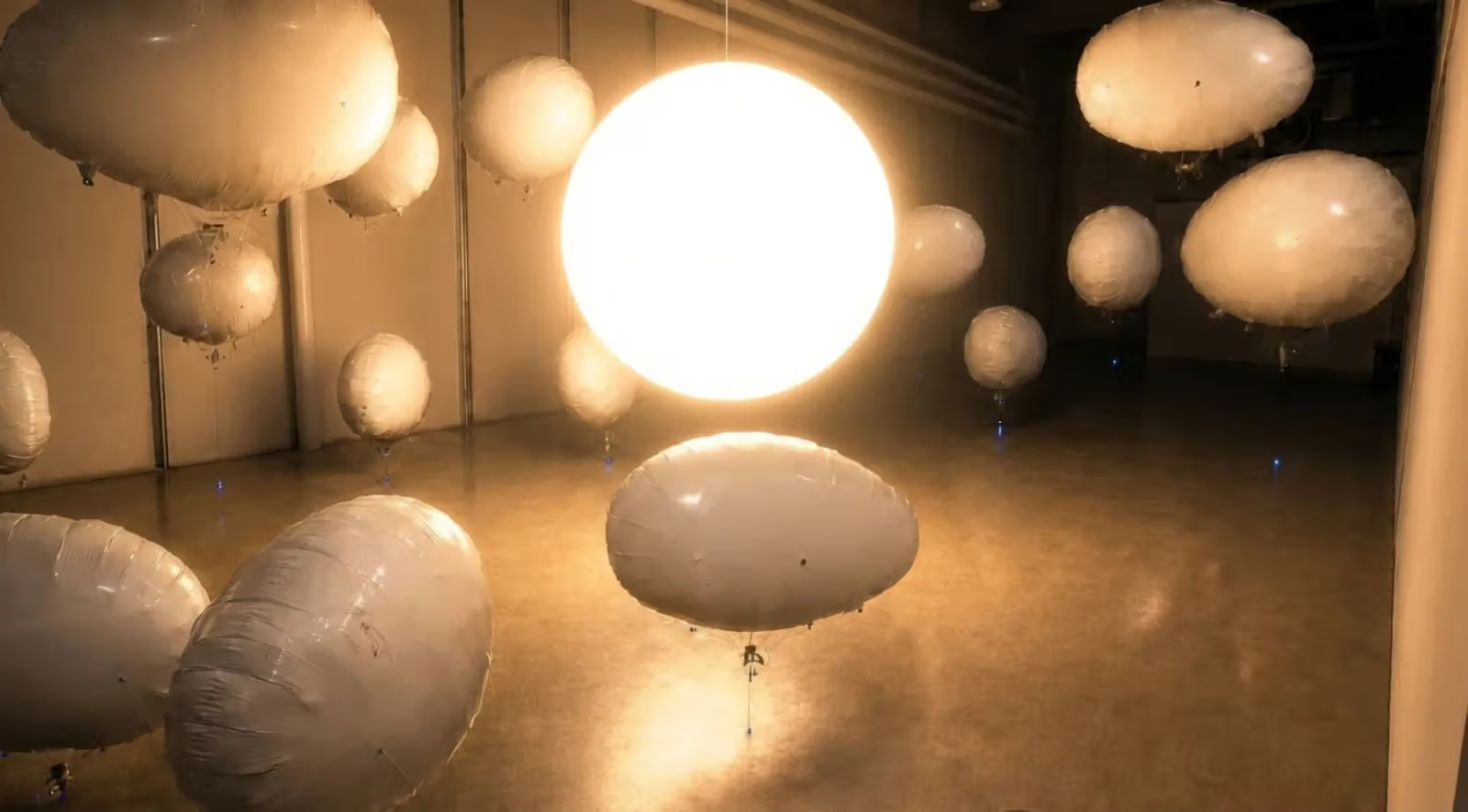
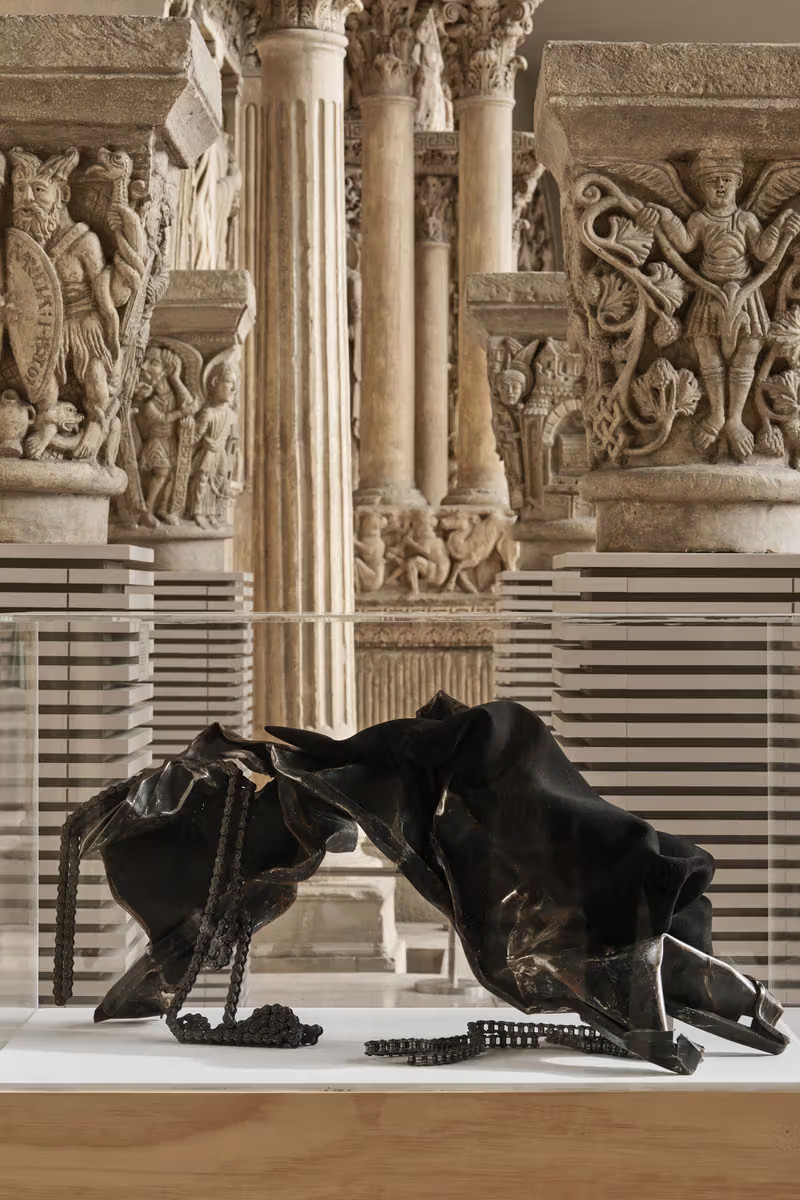
Lin Ying-Chieh’s Mr. Pictogram moves the little green exit figure from its familiar position. Chang Hsin-Yu’s Diffusion gathers air, machinery, water and structural vibrations, using containers to let people hear the building anew. Huang Shao-Ying’s Break Room turns office objects into soft sculptures, imagining a building resting from its assigned tasks. Three methods make things normally tasked with guiding, operating or working into sensory protagonists.
Lin Ying-Chieh’s Mr. Pictogram transforms an exit sign figure.Chang Hsin-Yu’s Diffusion uses containers to guide listening to the building.
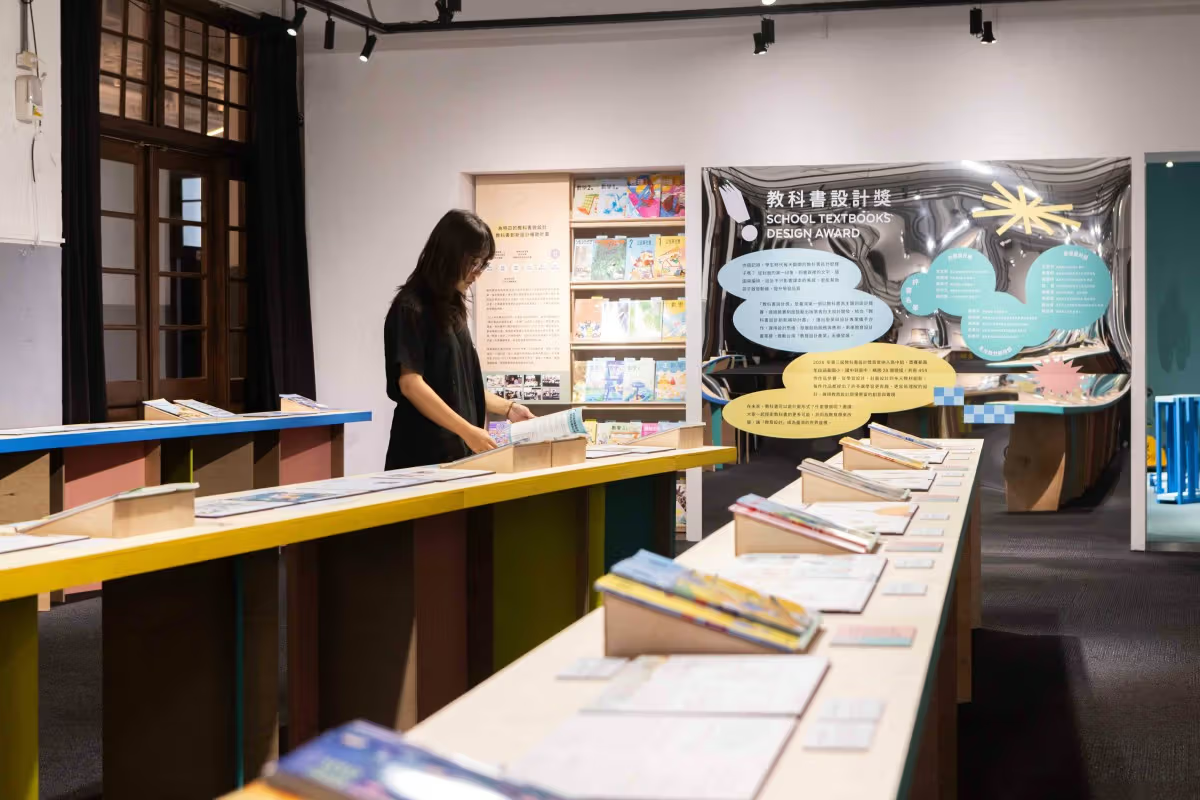
Another thread asks how we look. Philippe Calia’s The Ajaib Ghar Archive gathers nearly a decade of signage, workers and visitor interactions in Indian museums. Li Ning-Jyun’s Arts in Scroll turns viewing into a social platform’s vertical scrolling, allowing data to change the order of works. The show asks not only what is exhibited, but which arrangements and rankings bring some things forward while pushing others back.
Golden rats and public exercise equipment take the question into the city
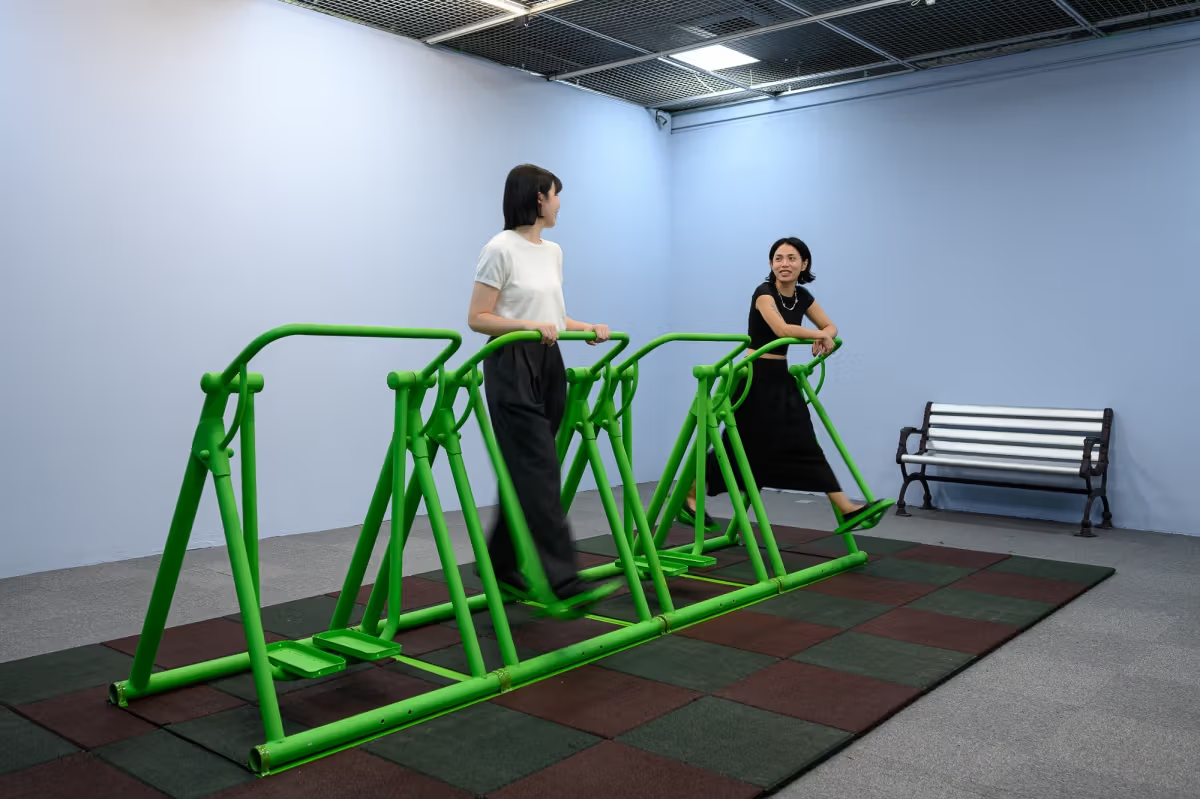
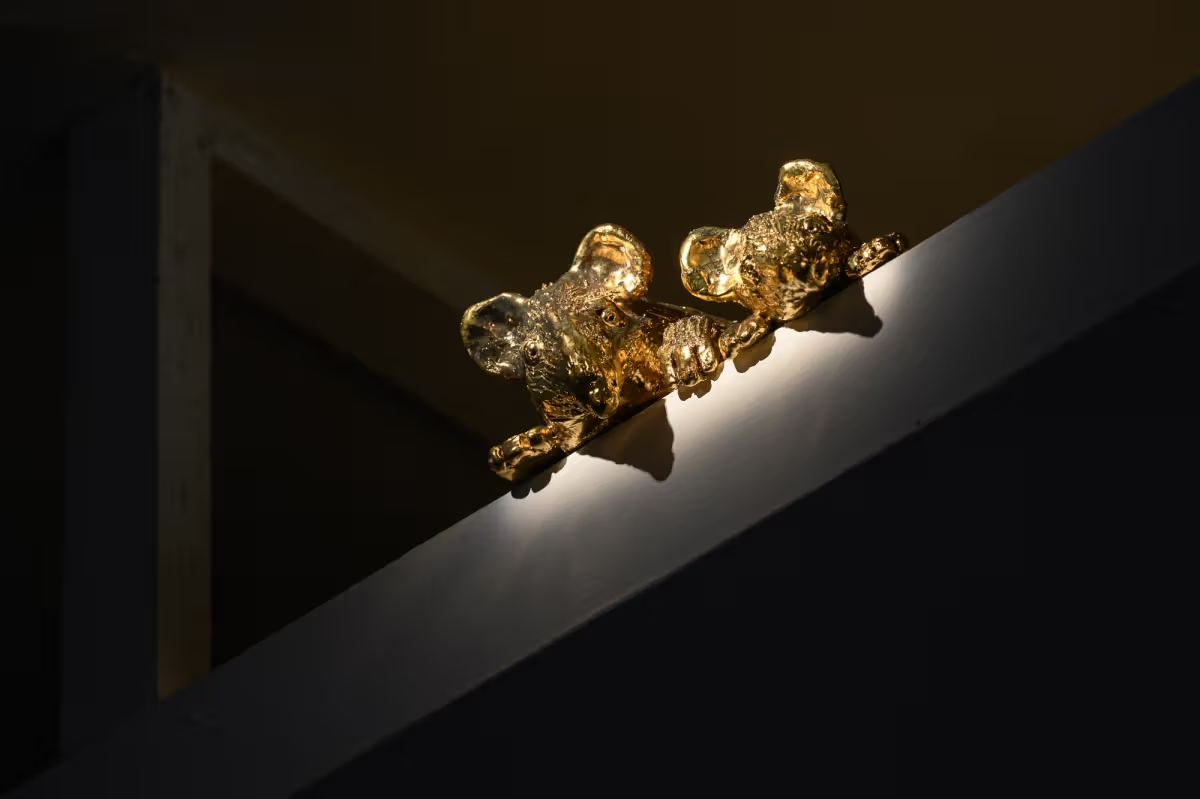
Lin Nan-Hung’s Space Walk moves outdoor fitness equipment inside, making bodily use a way to understand publicness. SIDE CORE’s KAIROS documents changes in the building, city and people during Yokohama Museum of Art’s nearly three-year renovation; Golden City places golden ceramic rats inside and in nearby streets. Encounters need not begin with a label: a walker may happen upon a work and only then reconsider the museum’s boundaries.
Lin Nan-Hung’s Space Walk places public exercise equipment in the gallery.SIDE CORE’s multi-image urban record KAIROS.
General exhibition hours are 10am–6pm, with separate arrangements for particular works. Begin at the guard room, follow installation labour and building sounds, then head into the neighbourhood, allowing “after” to mean both time and what lies behind display. As the building prepares to pause its usual functions, these 14 practices offer no completed blueprint for the future, but a way of looking to practise now: count the people, objects and urban relationships supporting art as part of the museum.
A golden ceramic rat from SIDE CORE’s Golden City.