The Kat O Dajiao Arts Festival enters its final weekend, with the overall programme running from October 1 to 25. The island’s once-a-decade On Lung Ching Chiu ritual took place from October 11 to 15 and has finished. These periods must be distinguished: the current focus is how the festival extends the gathering role of the bamboo theatre and village, rather than treating the religious ritual as ongoing. Fragrant Village founder Sze Ka-yan works with villagers to bring installations, films, songs and local memory to Kat O.
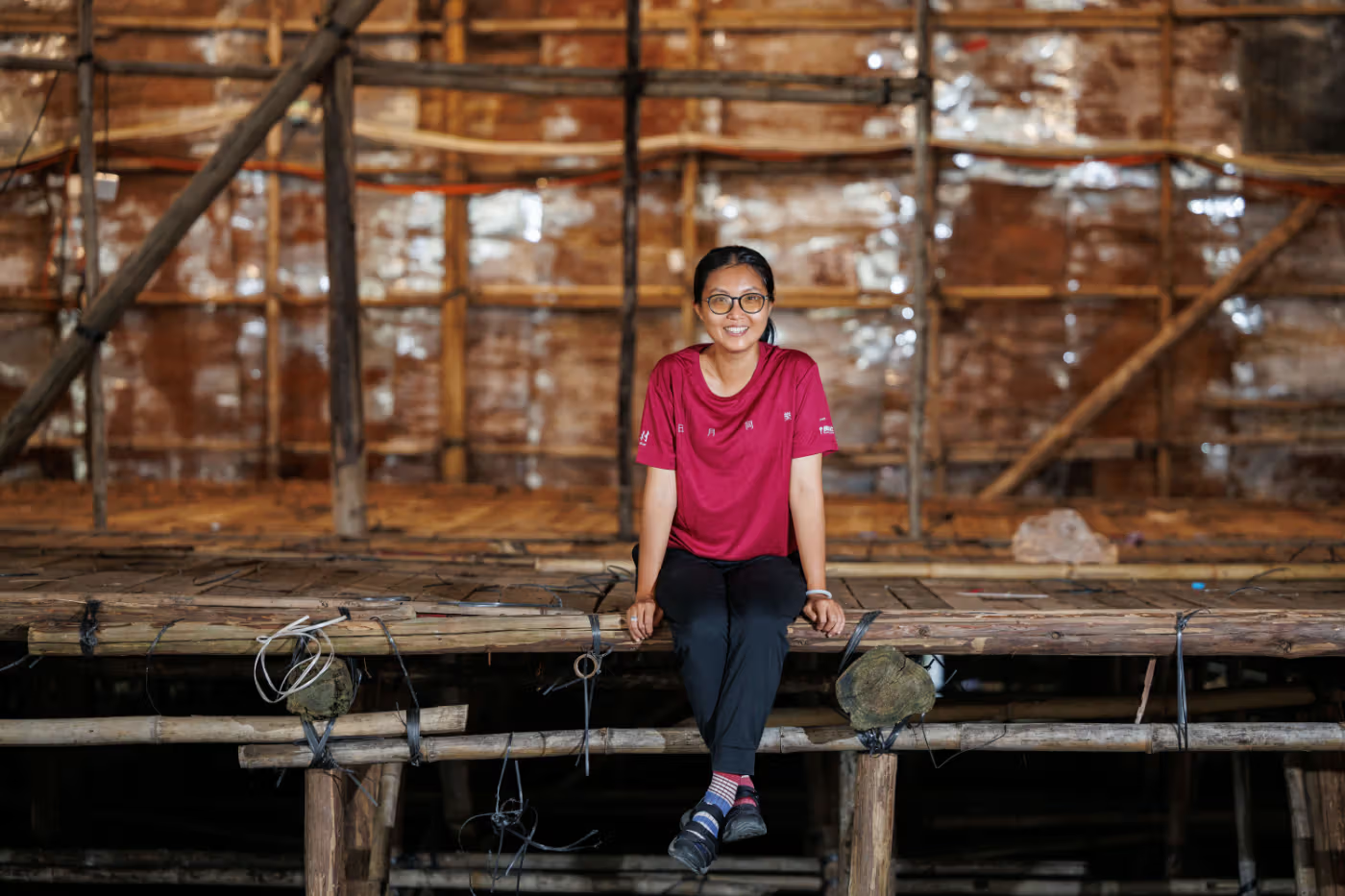
Sze Ka-yan in the bamboo theatre on Kat O.Artistic intervention and traces of use appear together in the village.
Why keep the bamboo theatre after the ritual?
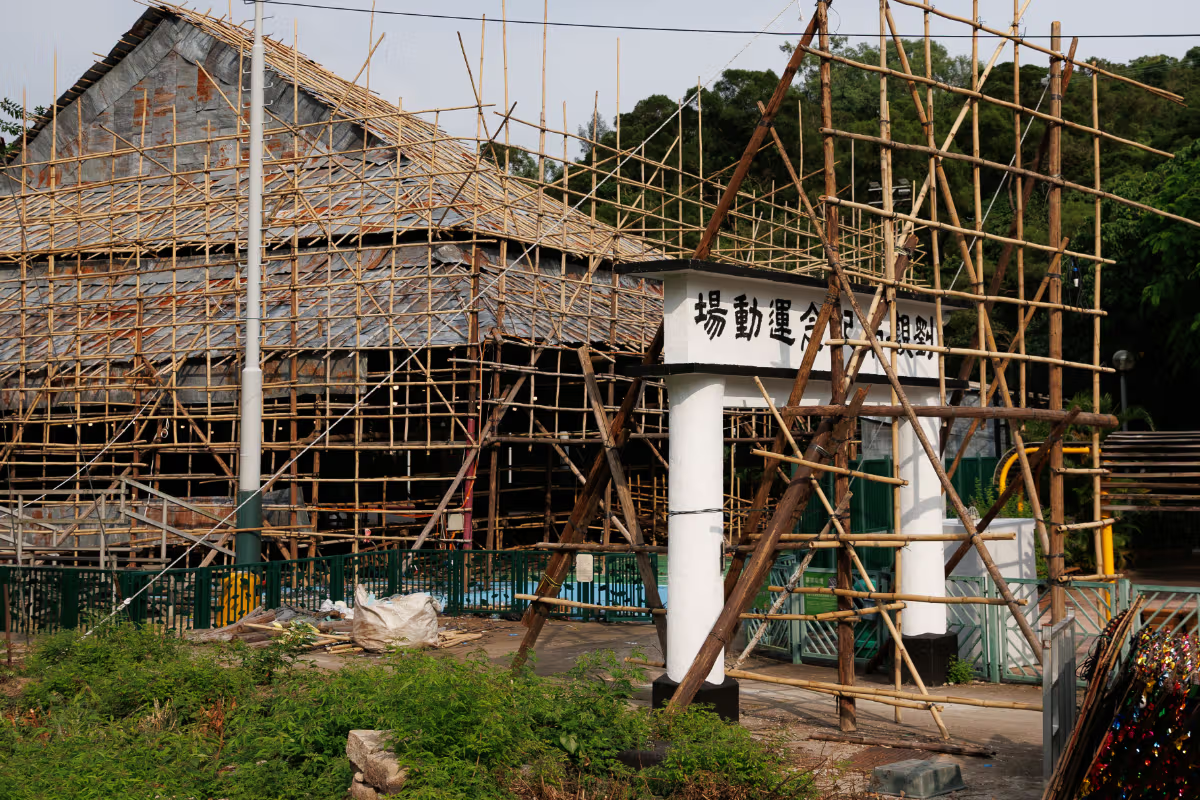
The temporary theatre originally served the ritual gathering and opera performances. With the village’s agreement, the arts festival extends its use as another kind of stage afterwards. Programming includes a screening of Cheuk Cheung’s 2019 documentary Bamboo Theatre, alongside music and dance. The structure is more than a shell for photographs: shade, supports and its scale for gathering also shape how people sit, stay and hear one another.
Continuing to use the theatre creates a different relationship from building a closed exhibition hall. Audiences encounter a space that retains memories of collective activity, rather than a stage isolated from village life. When a film about bamboo theatres is screened within one, content and venue reinforce each other. Cultural preservation acquires a scale that can be experienced directly.
How do installations grow from islanders’ stories?
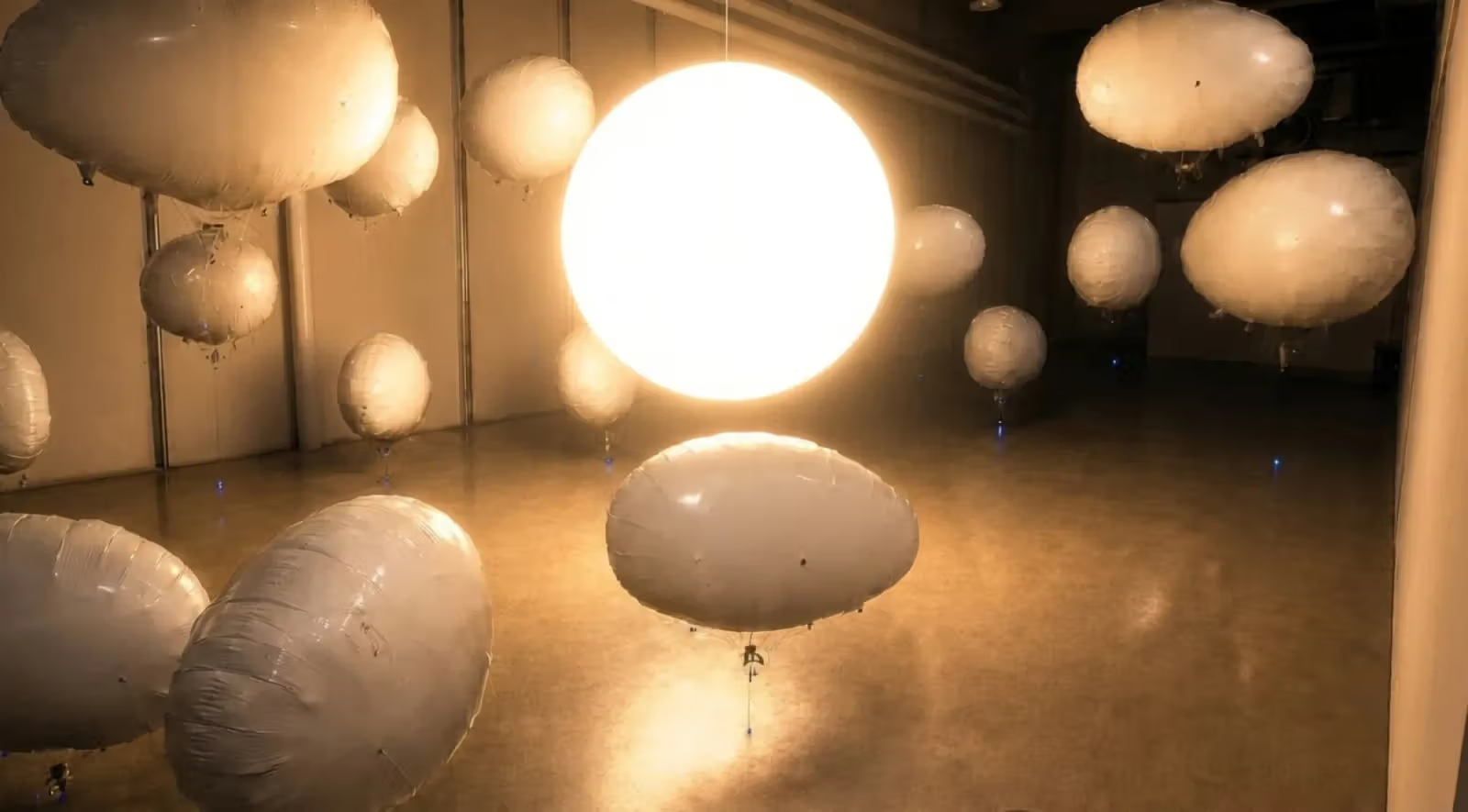
Artist Jaffa Lam uses discarded umbrella frames to create a new sheltering structure for a damaged roadside house. The work developed through conversations with islanders about home, return and the ritual gathering, rather than arriving as unrelated decoration. The abandoned house and umbrella frames both carry traces of use. Their new combination makes shelter and returning home visible questions.
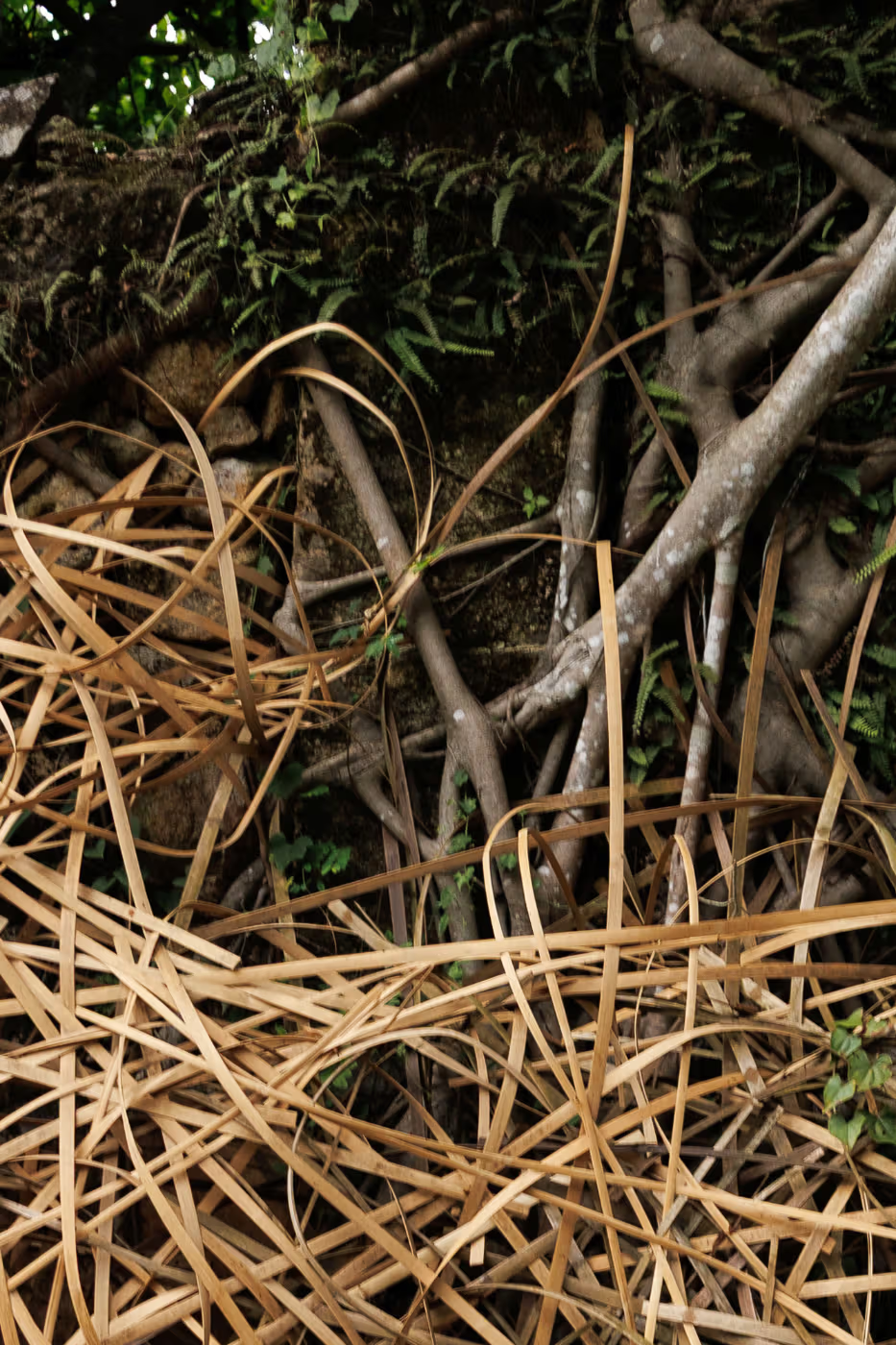
Discarded umbrella frames create new shelter and lines beside a house.
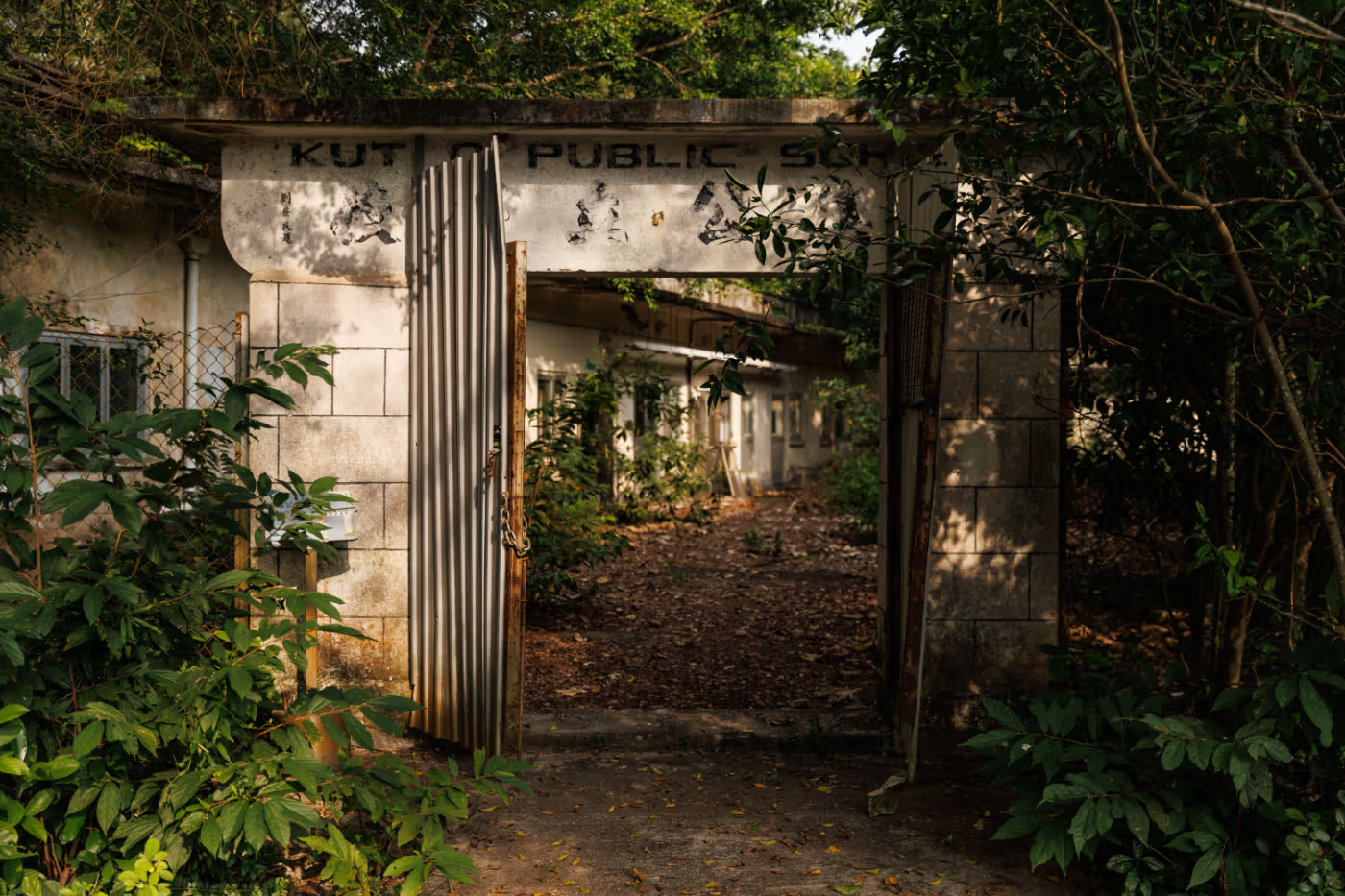
Sze Ka-yan’s work also includes collecting a village school song and bringing villagers together with independent musicians to create songs. A song can retain place names, fields and details of life as well as a melody. Singing it again gives the village school a presence beyond an empty building. Art developed through people and place takes time for conversation, and its results cannot necessarily be condensed into one attractive publicity photograph.
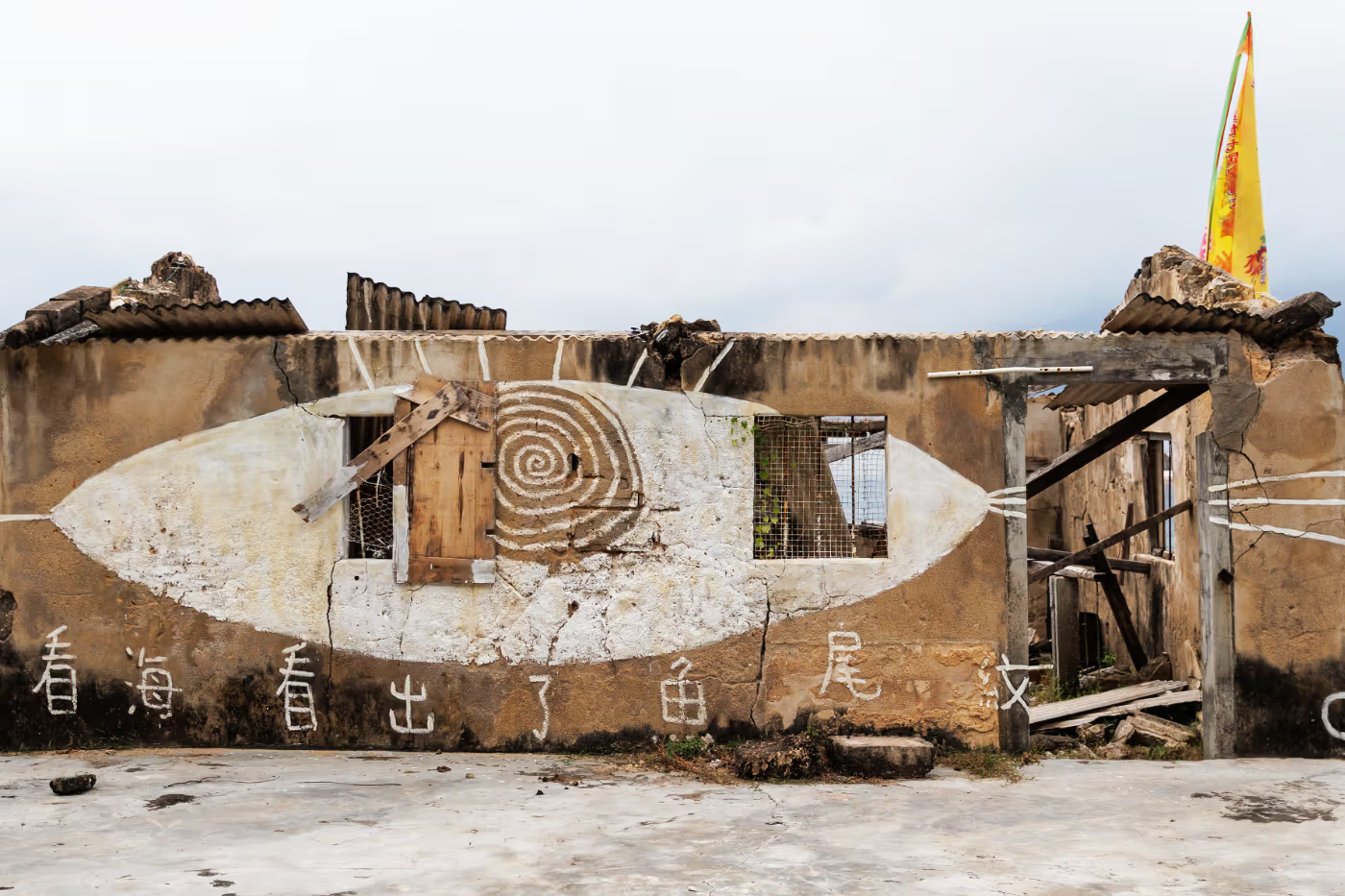
The village school retains memories of education and local life.
What needs checking before a final-weekend visit?
Some festival programmes require advance registration, and guided visits have their own deadlines. AIA Hong Kong’s related tour on October 25 closed registration on October 22, so it should not be presented as open for walk-in participation. A route departing from Sha Tau Kok Pier requires a valid Tourism Closed Area Permit to enter Sha Tau Kok. The Police’s current information states a normal processing time of two working days. Check your own permit and route before a last-minute trip.
The final weekend is less about completing every programme than distinguishing open activities, finished rituals and reservation requirements. What deserves attention is the continued use of the bamboo theatre after its original purpose, and the way artists make islanders fellow storytellers. After the festival leaves, those collaborations and opportunities to gather again become another measure of how local culture can continue.