Comparing Korea’s Entry-Level EVs: Dolphin, Casper Electric and EV3 on Price and Space
Dolphin and Casper Electric offer a lower entry point for city driving, while EV3 adds range and family flexibility. Model years, battery versions and subsidies matter when comparing prices.
In South Korea’s entry-level EV market, the BYD Dolphin, Hyundai Casper Electric and Kia EV3 represent three choices: a compact hatchback, a flexible city SUV and a family vehicle capable of longer journeys. Comparing prices requires looking beyond an “under KRW 30 million” headline, because subsidies, model years and battery versions change the threshold. The EV3’s official starting price already exceeds it. Considering body design alongside intended use makes it easier to see what the additional budget buys.
Dolphin Prioritizes Everyday Utility in a Small Body
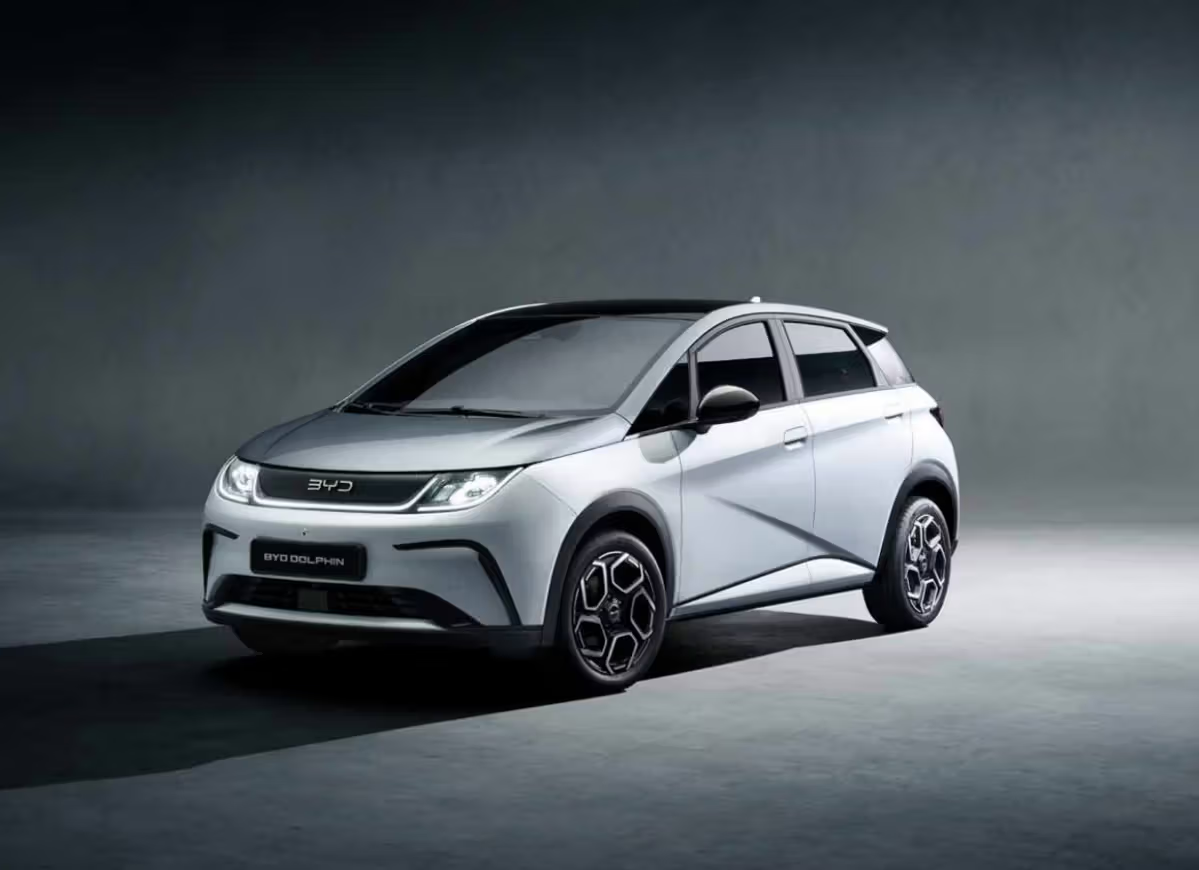
BYD’s Korean website lists the Dolphin from KRW 24.5 million and Dolphin Active from KRW 29.2 million. These are different specifications, not one interchangeable model. The Dolphin measures 4,290 mm long with a 2,700 mm wheelbase: its exterior remains manageable in the city, while the long wheelbase creates room inside. A rounded body and marine imagery also give it a different character from a boxy SUV, retaining a hatchback’s visual lightness.
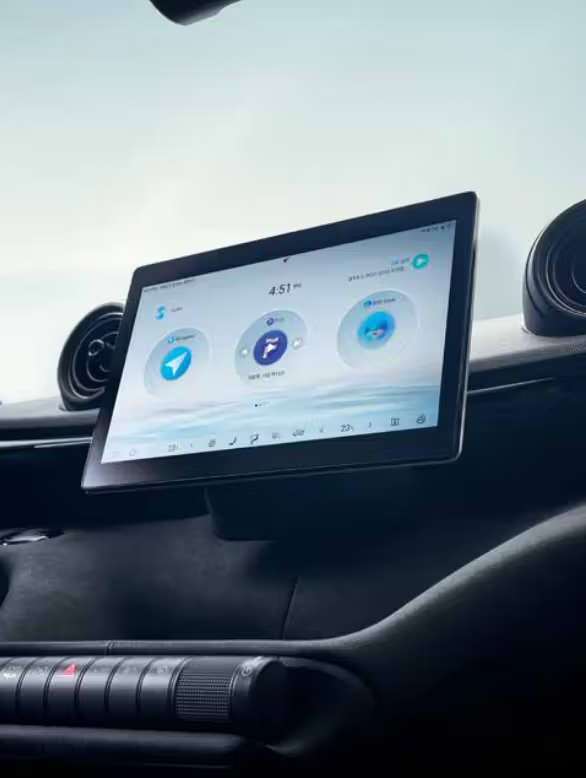
A rotating central screen, flat rear floor and adaptable storage emphasize practicality. V2L is another comparison point for those who need to power external appliances. Original model information lists an approximately 49.9 kWh battery and a Korean-certified 307 km range for the base version; Active specifications differ. Keep the battery, certified range and price of the same version together, avoiding the false expectation created by combining an entry price with higher-trim range.
Casper Electric Requires Attention to Model Year and Battery
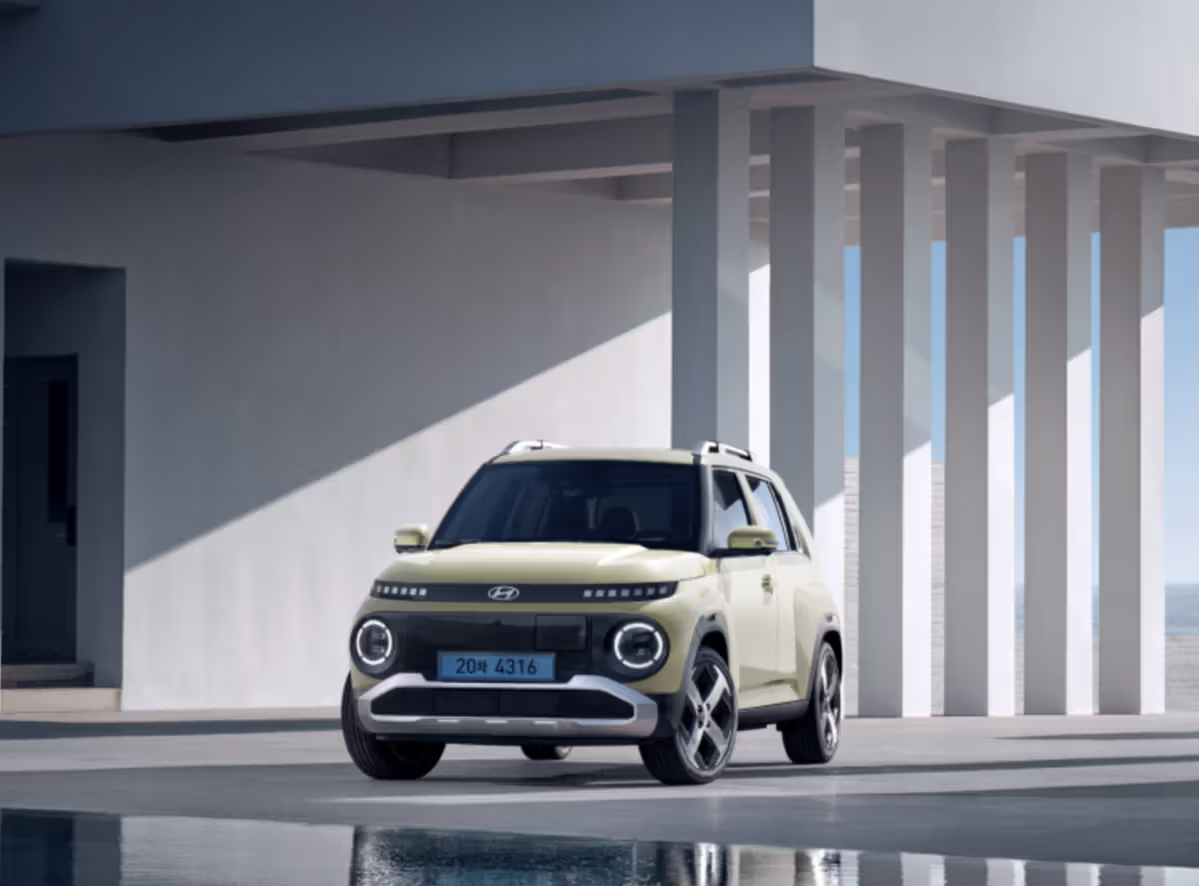
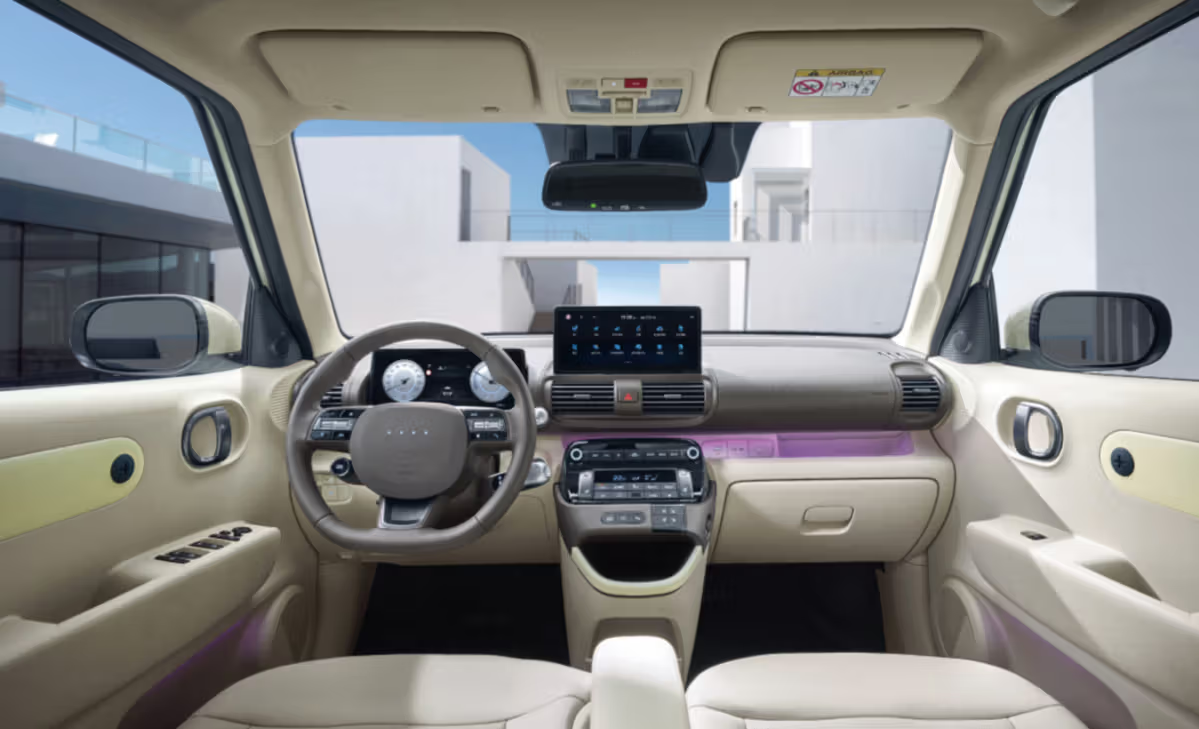
Casper Electric retains round lamps and a boxy body. Compared with the gasoline Casper, its extended wheelbase uses folding seats and an upright cabin to make space adaptable. Its appeal goes beyond a cute exterior: a small parking footprint can coexist with flexible allocation of room to luggage and passengers, especially when most use is urban.
Round lamps and an upright body distinguish the Hyundai Casper Electric.Casper Electric uses a boxy cabin and storage design to make use of space.
Prices should be checked against the current model year. Hyundai lists the 2027 Casper Electric after tax benefits, but before national and local subsidies, at KRW 28.47 million for Premium, KRW 32.12 million for Inspiration, KRW 34.12 million for Cross and KRW 34.57 million for Lounge. Some versions also gain standard equipment such as a digital key and wireless charging. An older starting price or the range of a larger-battery version cannot be applied to the entire line.
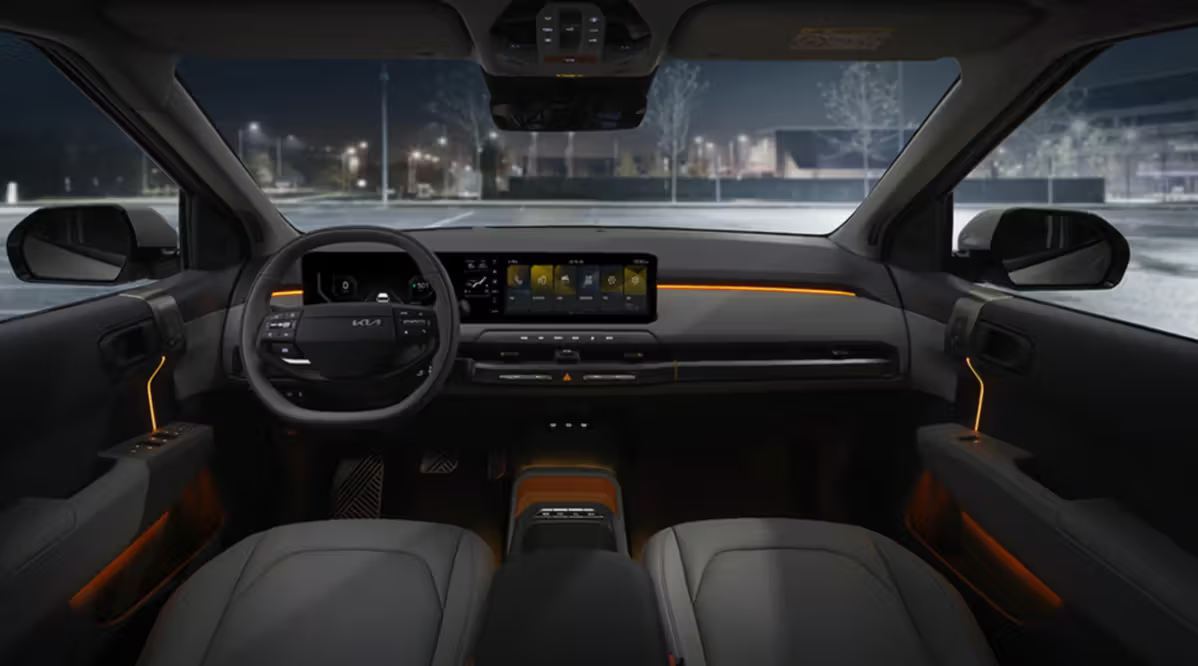
The EV3’s horizontal cabin and wide display interface.
EV3’s Additional Budget Buys Long-Distance and Family Flexibility
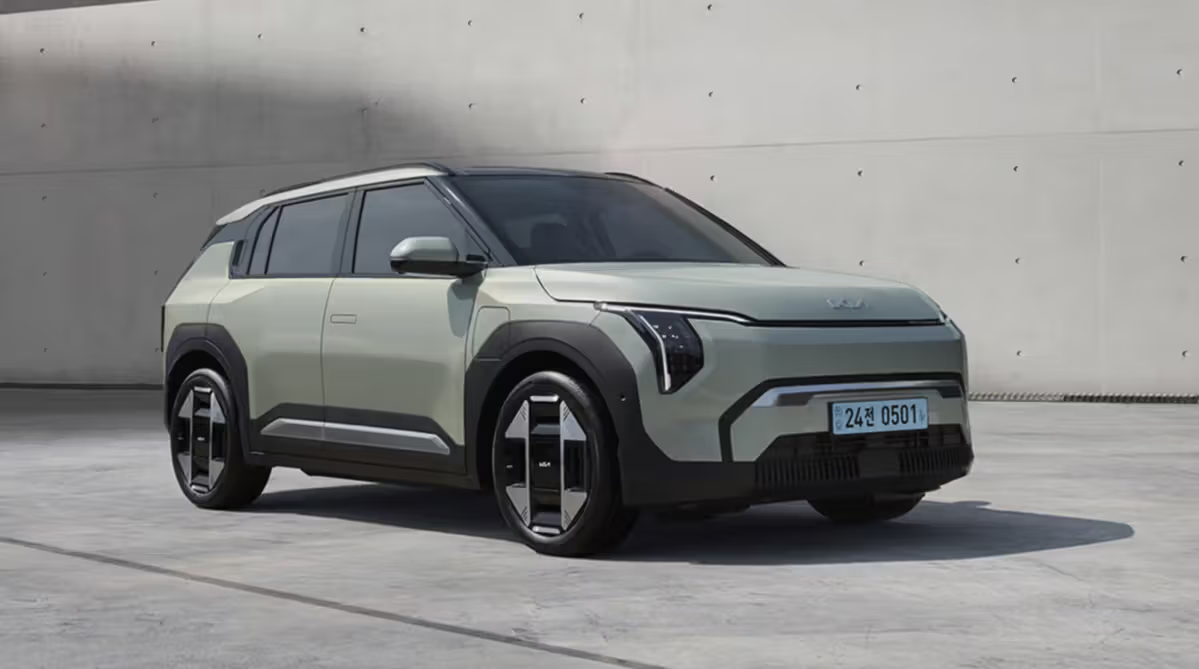
Kia’s Korean price page lists the EV3 Standard from KRW 39.95 million with a 58.3 kWh battery. The long-range version uses 81.4 kWh, with a Korean-certified range of up to 501 km for particular wheel and equipment configurations. At 4,300 mm long with a 2,680 mm wheelbase, its boxier SUV shape organizes rear seating, a luggage compartment and front storage for family use. The ccNC infotainment system and wide displays concentrate operation across a horizontal cabin.
The Dolphin’s central display interface.A Kia EV3 product image shows its boxy electric-SUV silhouette.
Work backward from daily routes. For city commuting and parking, begin by comparing the Dolphin and Casper Electric on seating, storage and charging. For frequent intercity journeys or carrying passengers and luggage together, add the long-range EV3 to the comparison. The images show product design, not a TIDEZINE test drive. All prices concern South Korea and are in Korean won; subsidies depend on residence, eligibility and annual programs, and do not indicate Taiwanese prices or launch plans.