Mentor Premieres in Kaohsiung: A Year of Archery Training and Keisuke Yoshida’s Distance Between Apology and Remorse
Go Ayano, Hayato Isomura and Seiya Suezawa star in a 115-minute human drama. The October 24 festival event offers a way into the archery training, apologetic gestures and life-guide character.
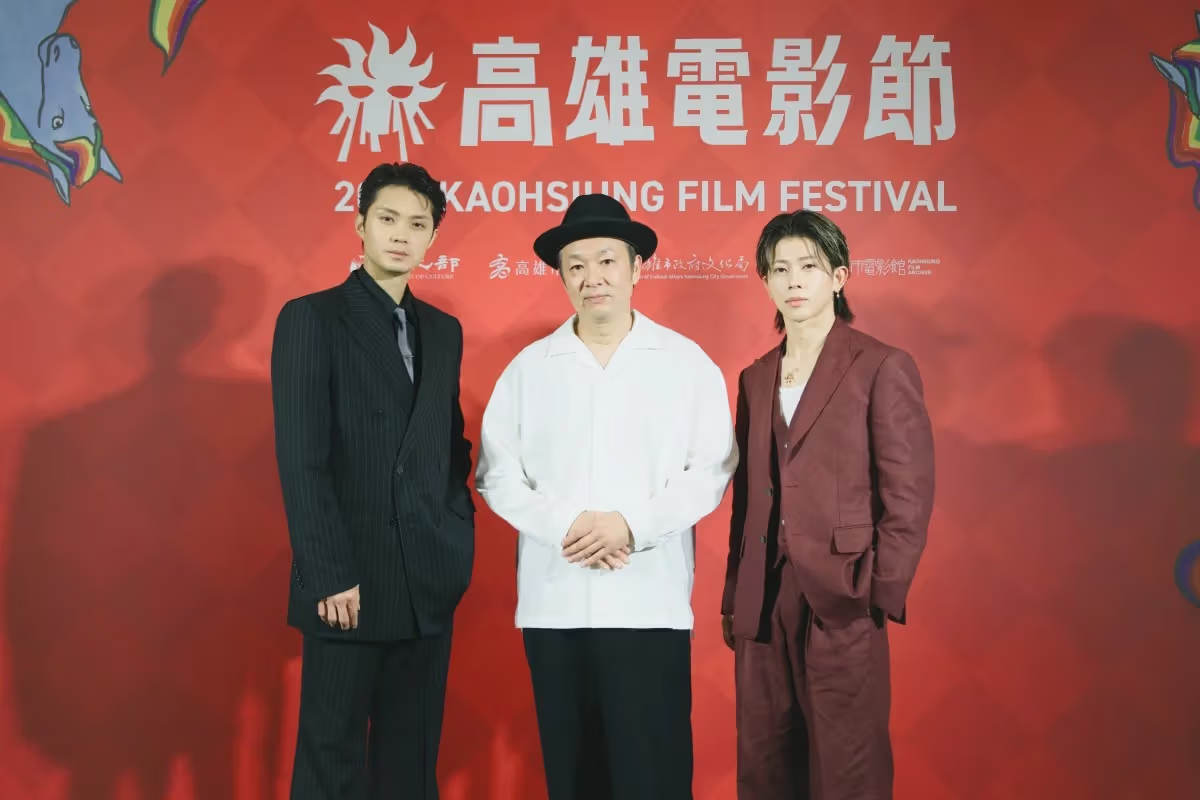
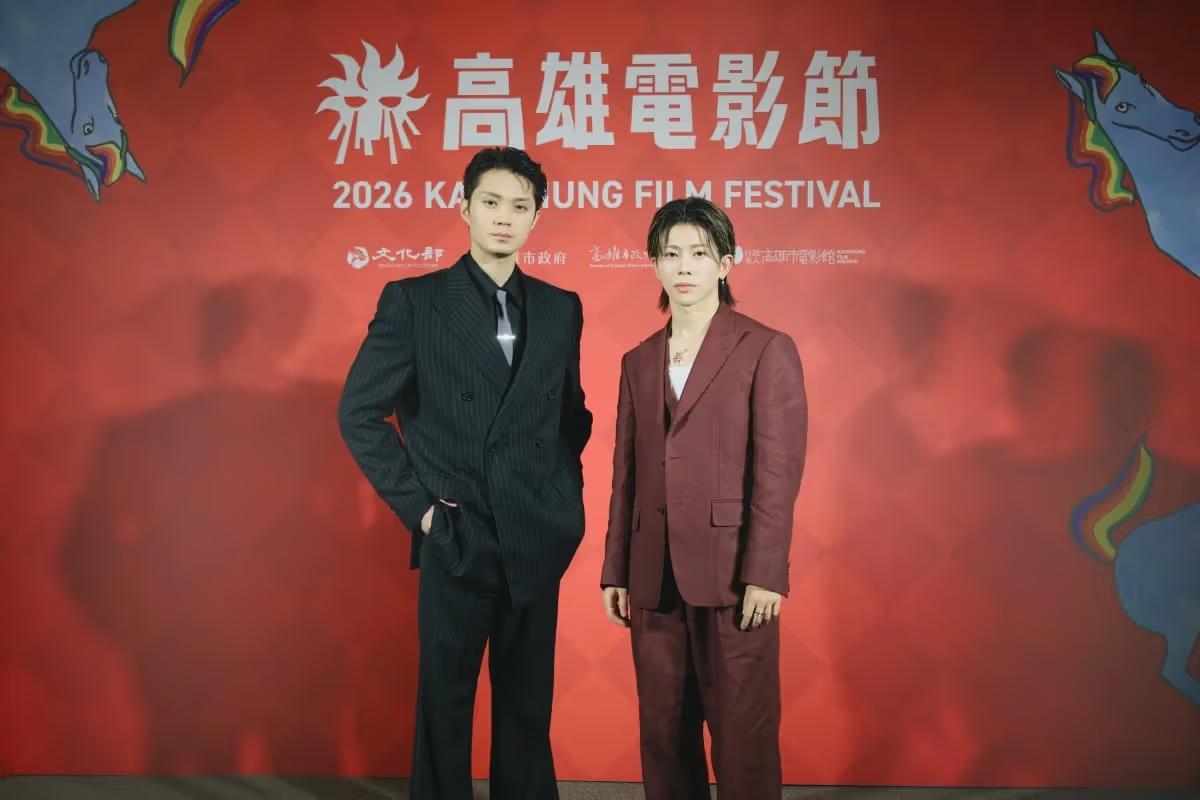
Japanese film mentor held its Taiwan premiere at the 2026 Kaohsiung Film Festival on October 24, with director Keisuke Yoshida and actors Hayato Isomura and Seiya Suezawa attending a discussion. Co-starring Go Ayano, the film runs 115 minutes and carries a 12+ classification. Beginning with a separation caused by a childhood accident, it asks how people live after wrongdoing, while archery, kneeling and everyday gestures bring abstract guilt back to the actors’ bodies.
After one accident, two different lives unfold side by side
Two childhood friends take separate paths after an incident involving serious negligence. One becomes an archer; the other lives amid physical labour and self-reproach. A man who lost everything in the accident then approaches them with warmth and apparent acceptance, seeming able to offer direction. Their reunion is therefore more than old friends meeting again: three people may occupy entirely different positions, with different expectations, in relation to the same past.
Ayano’s “life guide” consequently becomes a focus of attention. During the premiere discussion, Yoshida explained that casting involved more than acting ability: he also wanted an appearance onto which viewers could project different feelings. The same person might seem attractive or inspire fear and discomfort. Whether kindness is reliable, and whether acceptance carries a price, are questions arising from these relationships. Keeping those questions open rather than assigning good and evil in advance follows the tension established by the story.
Archery and apology are both performances built through repetition
Isomura spent a year practising archery for his role, once celebrating excitedly after shooting a ten. He understood physical training as the character’s way of confronting the past and wanted to convey the man’s distinctive temperament. The bow is therefore more than a prop identifying an occupation. Aiming, control and repeated practice offer another entry into how someone deals with himself. The actor’s preparation provides a viewing cue without requiring knowledge of the ending.
Suezawa practised kneeling before a mirror at home, exploring how an apology looks under different emotions. His flexibility prompted a fellow actor to compare him jokingly to a folding phone; he also mentioned that other actors sometimes struggled not to laugh during filming. The director deliberately approached an unconvincing, superficial apology almost as comedy. This leaves a discernible gap between performing the gesture of apology and genuinely accepting responsibility.
From Yoshida’s filmmaking background to this Kaohsiung premiere
Born in Saitama in 1975, Yoshida worked as a lighting technician on Shinya Tsukamoto’s films. His first feature, Raw Summer, won a prize at the Yubari International Fantastic Film Festival in 2006; later works include Himeanole, Intolerance and Missing. Kaohsiung placed mentor within its annual theme exploring human drama. The characters’ struggles with losing an important person, reflection and starting again also connect with this creative trajectory.
The official film page lists the premiere at 7pm on October 24 in the seventh-floor auditorium of Kaohsiung Main Public Library, marked as a filmmaker-attendance screening; that event has now ended. Isomura and Suezawa’s Taiwan discussion revealed preparation before filming and interactions on set; Ayano did not travel with them. Readers discovering the film through this news can begin with the relationships and the director’s background, then follow subsequent screening announcements, reading the event record and the film itself as separate layers.
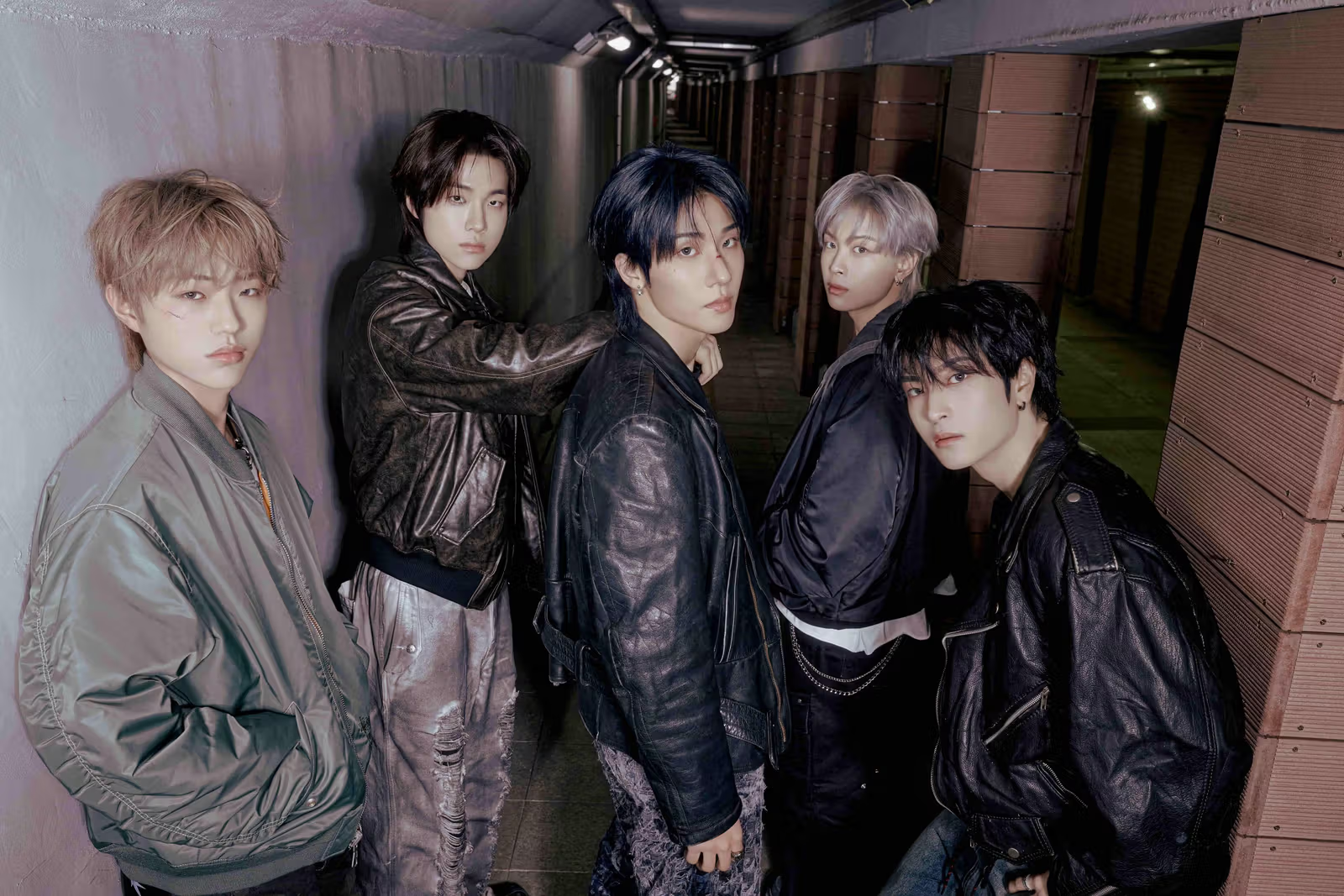
Hayato Isomura and Seiya Suezawa pose at the Kaohsiung premiere of mentor.