Otaru Canal turns blue: winter illumination through January 31, with walking and night-cruise options
Otaru’s Blue Canal runs November 1 to January 31, 2027, from sunset to 22:30 between Asakusabashi and Chuo Bridge. Blue hour offers reflections; night cruises have separate fares, schedules and boarding procedures.
Leave a little of a Hokkaido evening for a blue waterfront. Otaru’s winter Blue Canal illumination began on November 1, 2026, and runs through January 31, 2027, between Asakusabashi and Chuo Bridge. Lights operate from sunset until 22:30 each day. The attraction adds blue lighting to the existing canal landscape, inviting a slower look at the water, railings and warehouse outlines rather than a stage show starting at one fixed hour.
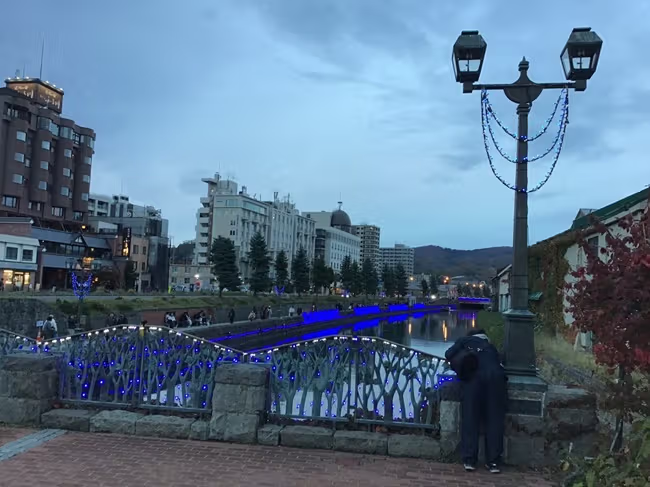
October 29 trial lighting on the bridge railings and streetlamp, without snow in the scene.
Wait for blue hour and watch the reflections
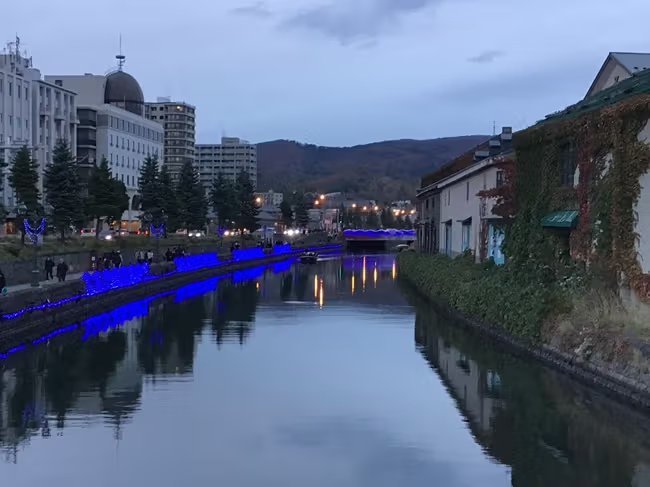
The Otaru Tourism Association particularly recommends blue hour after sunset, when some blue remains in the sky and the installed lights have come on. Because illumination begins at sunset, one clock time should not be applied throughout November to January. Those wanting to photograph the transition can arrive before dark, find the buildings and water in the frame, and wait for the lights to become the main feature.
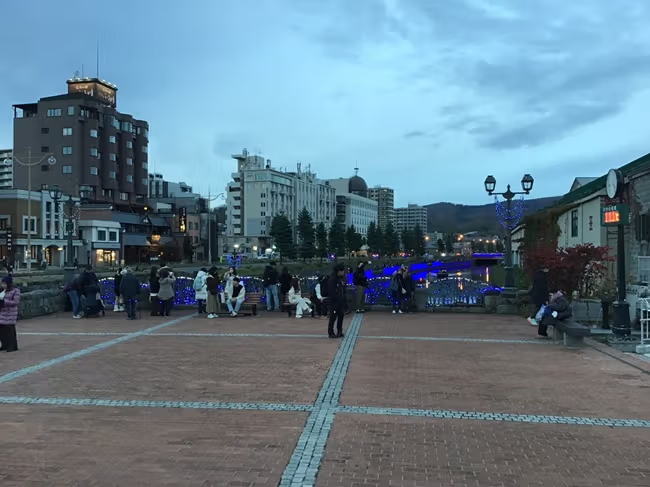
The association’s October 30 on-site report includes trial-lighting photographs taken around 16:20 on October 29. Blue lights extend along the bank, warmer streetlights reflect in the water, and the bridge-side plaza reveals pedestrian space. These are pre-opening test records without snow in the images. They help explain this season’s layout, while the sky, snow cover and crowds on a particular visit will depend on the date and conditions.
Wide view of the bridge-side plaza during October 29 trial lighting, showing walking space and the canal entrance.
Two waterfront perspectives: walking and cruising
For a walk, use Asakusabashi and Chuo Bridge as the two reference points. The canal cruise operator estimates seven to eight minutes between them and about ten minutes from JR Otaru Station toward the harbor to the Chuo Bridge boarding area. These are reference walking times before photo stops, so allow extra room in the plan. Rather than hurrying through the stretch, pause for reflections and change direction to compare the lights with the warehouses.
To switch to a water-level view, Otaru Canal Cruise offers a night journey of about 40 minutes, and the tourism association also highlights cruising with the blue illumination. The operator currently lists the adult night fare at ¥2,000 including tax, with adult defined as junior-high-school age and above; the elementary-school fare is ¥500 including tax. Check departures and operation for the chosen date. The 22:30 lights-off time is not the final cruise departure: walking the waterfront and buying a cruise ticket are separate arrangements.
Build boarding time and warm clothing into the plan
The cruise ticket office and boarding point are at Chuo Bridge, with ticket purchase or check-in required 15 minutes before departure. If combining sunset, photography and a cruise, decide on the boat first and fit the walk around it. An outdoor evening beside the water can take longer than expected. Warm clothing, gloves that allow phone operation and suitable walking shoes are useful choices, with plans adjusted to the weather and pedestrian flow.
For street-scene photographers or travelers seeking a slower moment in Hokkaido, the appeal lies in how one waterfront changes between daytime, blue hour and darkness. Keep three details in mind: November 1 to January 31, Asakusabashi to Chuo Bridge, and sunset to 22:30. Before setting out, check the association’s latest announcements and the cruise operator’s information for the day, then connect dinner, walking and photography at an unhurried pace.