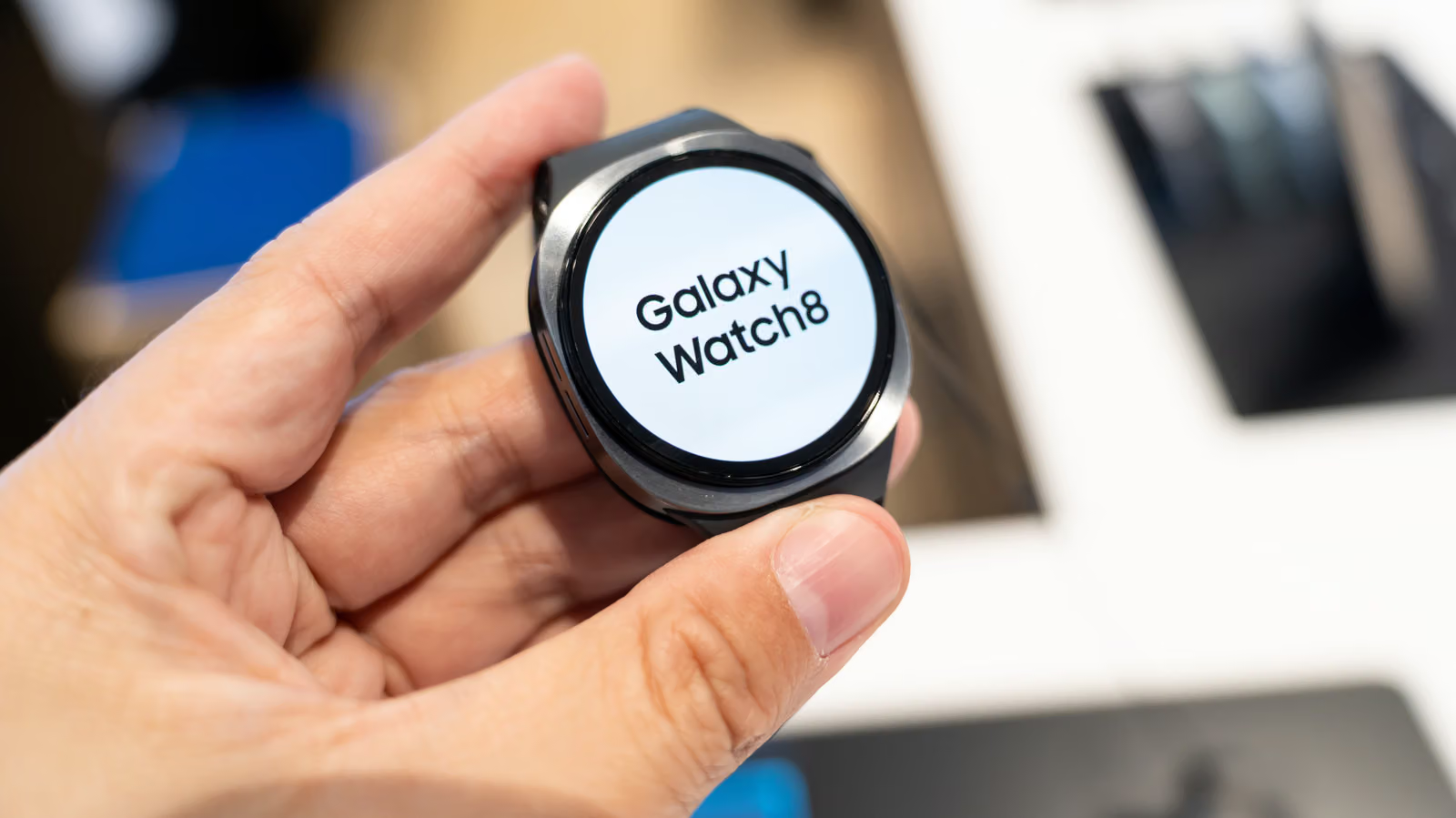
Galaxy Watch 8 Antioxidant Index: The 5-Second Thumb Scan Is Actually Measuring Carotenoids
Samsung's Galaxy Watch 8 comes with a new Antioxidant Index feature—press your thumb on the back sensor for five seconds and get a score from 0 to 100. But what it's actually measuring isn't antioxidants themselves, it's the concentration of carotenoids in your skin.

Meta Files New Patent: Glasses That Don't Just Record You—They'll Know Your Name
From the Ray-Ban Meta smart glasses mockingly dubbed "pervert glasses" to a patented system that can automatically tag faces and generate behavior logs, Meta's lenses are evolving from "seeing what's there" to "knowing who it is and what they did."

Qwen 3.8-27B Goes Open Source: 27 Billion Parameters Squeezed Into a Laptop, Benchmarks Are Self-Reported
Alibaba has open-sourced Qwen 3.8-27B, a 27-billion-parameter multimodal model that runs on a laptop once quantized. The company claims it edges out Claude Opus 4.6 Max on several benchmarks — but the numbers haven't been independently verified.
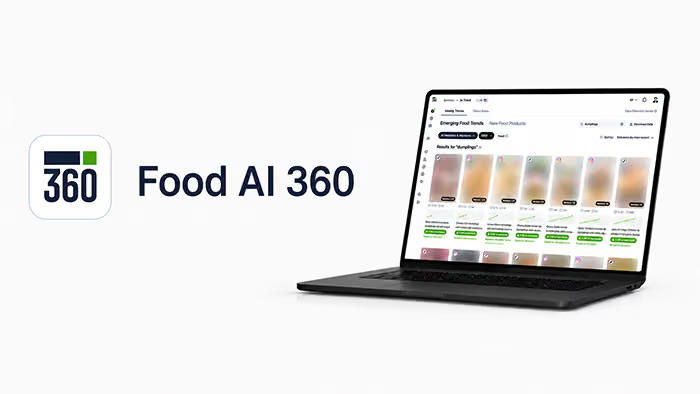
CJ CheilJedang's AI Doesn't Just Spot Trends: Salmon Steak Sells 1.4 Million Units in Six Months
Food AI 360 first launched in Korea last June, then expanded to the US this June. What really makes this platform convincing isn't the pitch—it's two products already on shelves with verifiable sales: Matcha Hetbahn and Bibigo Salmon Steak.

The Bluetooth Audio Ceiling: Beyond the Spec Sheet, Your Phone Is the Real Bottleneck
From SBC to LDAC, a Bluetooth codec's bit rate, bit depth, and sample rate determine the upper limit of your headphones' sound quality — but Apple devices only recognize AAC and SBC, meaning no matter how high-end your headphones are, you can't tap into it. Android users, on the other hand, can actually switch codecs themselves.
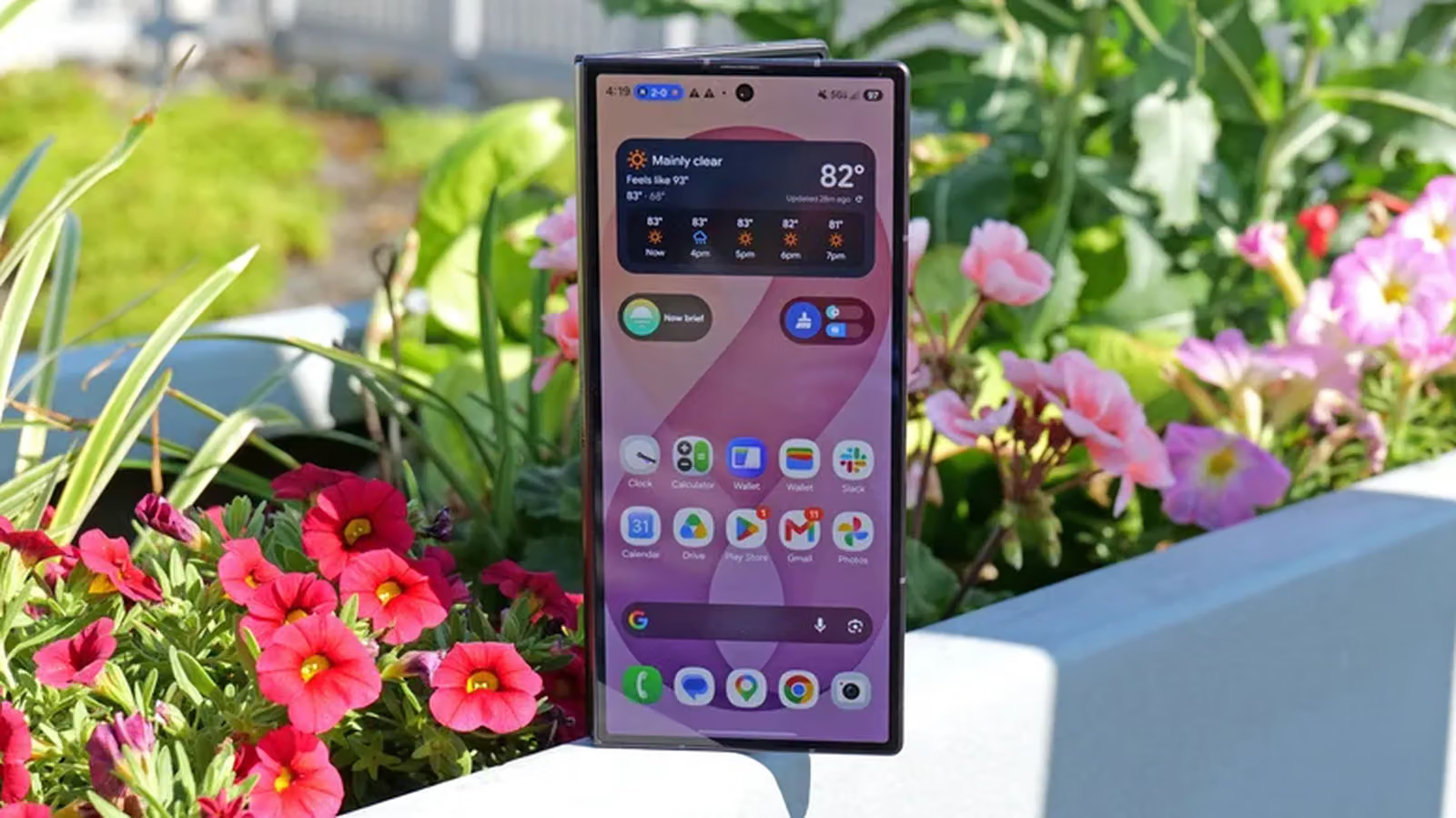
Wearing the "Ultra" Name Isn't Enough: The Common Complaint in Engadget's Latest Reviews
From the Galaxy Z Fold 8 Ultra to the Dell XPS 13, Engadget's reviews over the past two weeks keep pointing to the same issue — specs that don't live up to the name. Meanwhile, a soundbar and an action cam turned in more honest report cards.

Bought the Wrong Game by Mistake? Xbox's Refund System Isn't as Hard as You Think
Trailer misled you, bought the wrong edition, or got charged for a subscription you forgot about—Xbox actually has refund channels for all of these. Here's a breakdown of the 14-day, 90-day, and 30-day windows, plus how long refunds actually take to process.
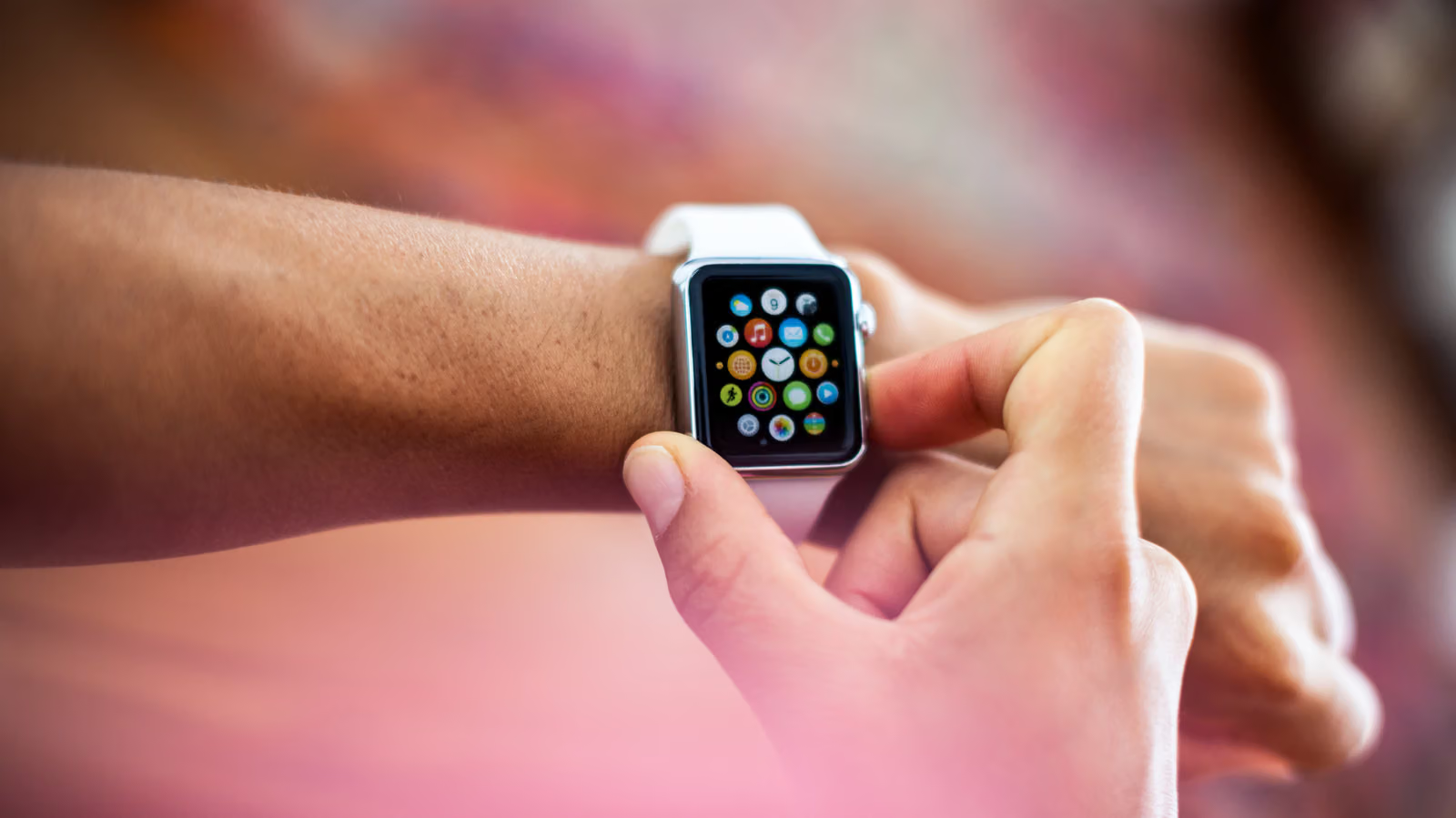
Replace the Battery or Buy a New One? Apple Watch's $99 Turning Point
A dying battery doesn't mean it's time to retire your watch. Apple's official $99 repair option, combined with watchOS support cutoffs, determines which models are worth saving—and which ones should just be replaced.

This Week's Indie Games Are All Paying Tribute to Old-School Classics: GoldenEye, Star Fox, and Keyblade Vibes All in One Week
Four new releases this week independently drew inspiration from '90s-to-Y2K classics, ranging from N64-style shooters to Bully-esque school dramas, plus two party games that unexpectedly sold over ten million copies each — making this an especially crowded week for indies.

17 Years After Analog TV Died, Digital TV Is Walking the Same Path — Minus the Safety Net
Congress legislated in 1996, the mandatory switch happened in 2009, and 97.5% of households were ready: the analog-to-digital transition was an upgrade handled with care. Now ATSC 3.0 is set to repeat that journey, but this time the FCC isn't offering a timeline — or subsidies.
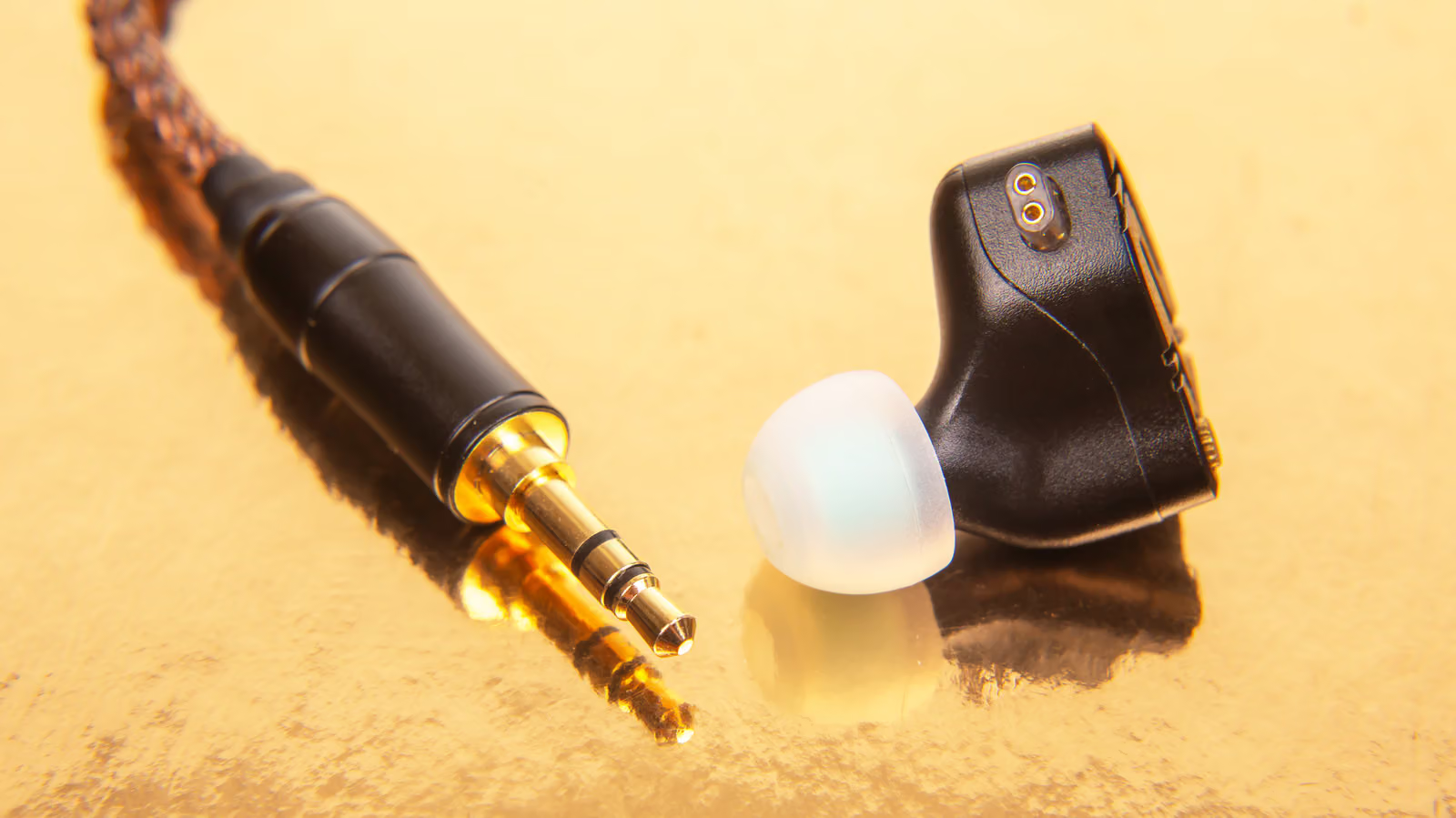
From $10 to Four Figures: What Are You Actually Paying For With Expensive Headphones?
From the JVC Gumy to the Sony WF-1000XM6, the price gap between headphones no longer just means the difference between passable and great sound—it reflects two completely different design goals: one built for noise cancellation and everyday life, the other for monitoring and precision.

SpaceX Buys Cursor for $6 Billion — What It's Really Buying Is a GPU Fleet
A rocket company buying an AI coding tool looks like a cross-industry acquisition on paper, but Cursor itself put it bluntly: what it wants is SpaceX's "largest GPU fleet in the world."
PayPal's Market Cap Got Cut in Half, Then Someone Offered $5.3B to Buy It — And PayPal Still Said "Not Enough"
Stripe and private equity firm Advent reportedly offered $60.50 per share for PayPal back in July, valuing it at $5.3 billion — and got turned down. Now word is the two sides are negotiating a higher price, with a deal possibly coming together within weeks.
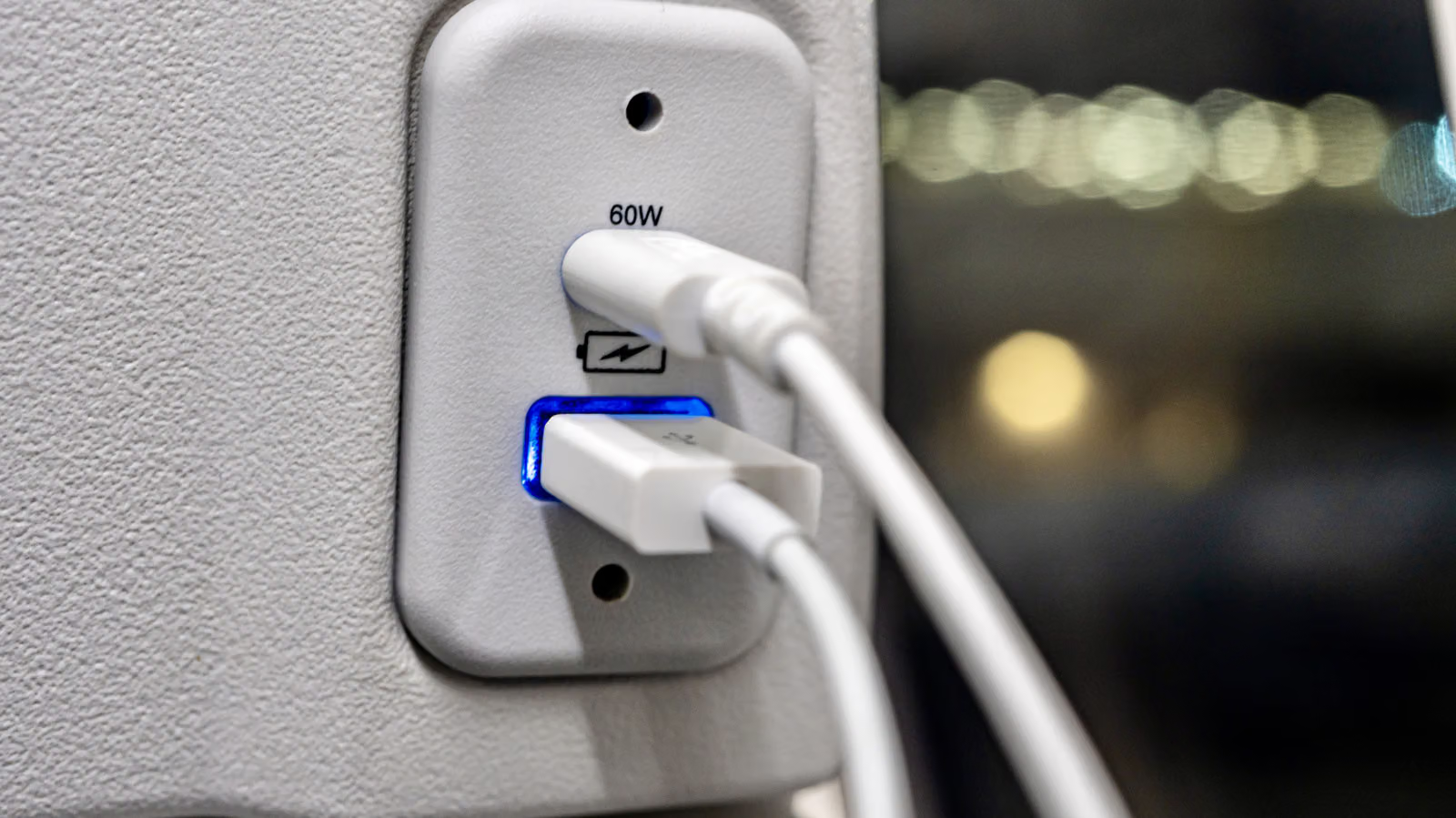
Same USB-C Port, 8x Speed Difference: What USB4 Actually Sells You
USB-C is just the shape of the connector—USB4 is the spec that actually decides your transfer speed. Plug into the wrong port, and your blazing-fast SSD gets dragged back to the dark ages.
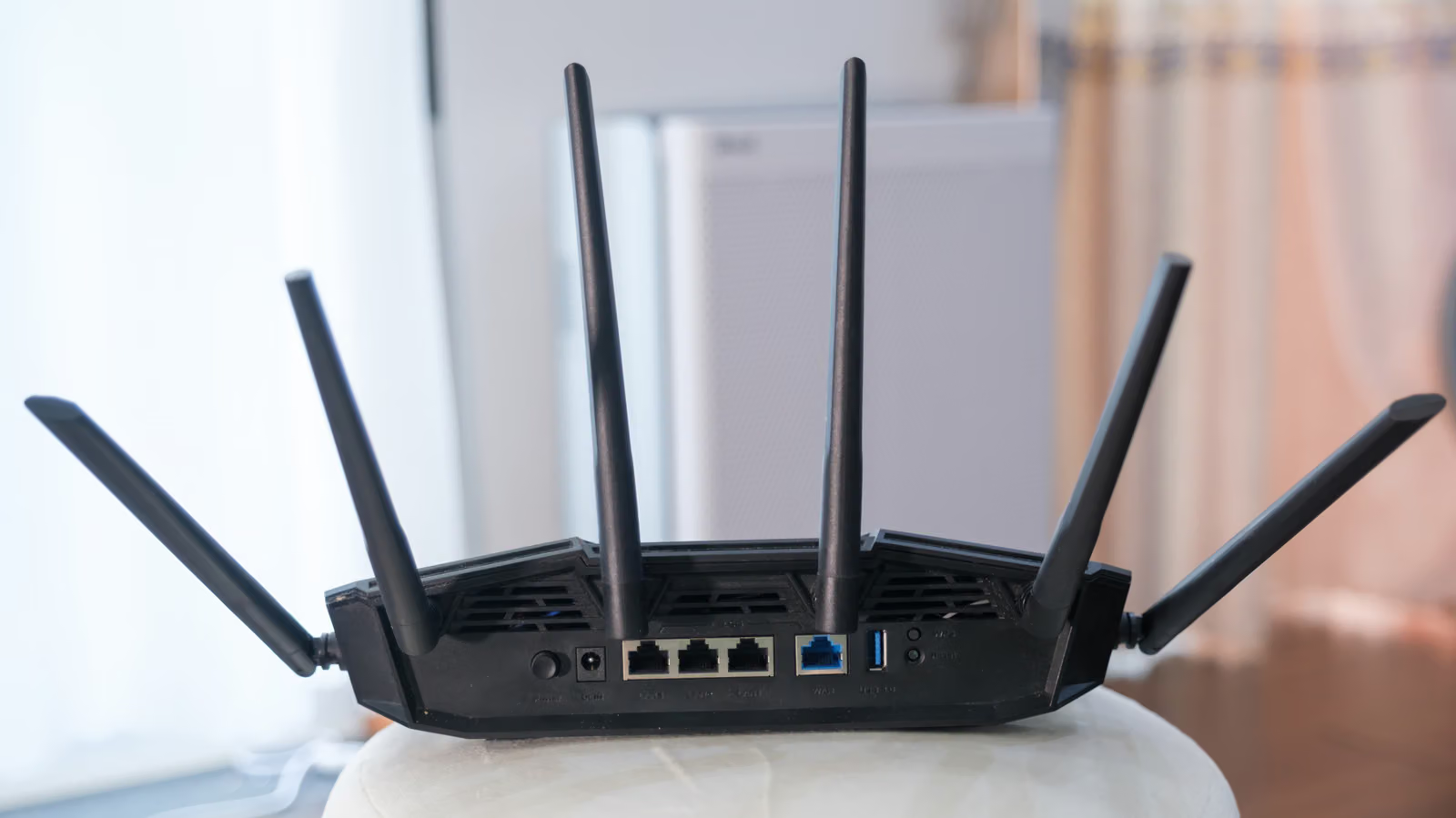
Wi-Fi Acting Up Again? 3 Things to Do Before Resetting Your ASUS Router
Forgot your password, dealing with dropped signals, or a failed firmware update—ASUS's go-to fix is always a reset. But before you hit that button, know that some settings can't be recovered. Here's a breakdown of the actual steps and what to watch out for.
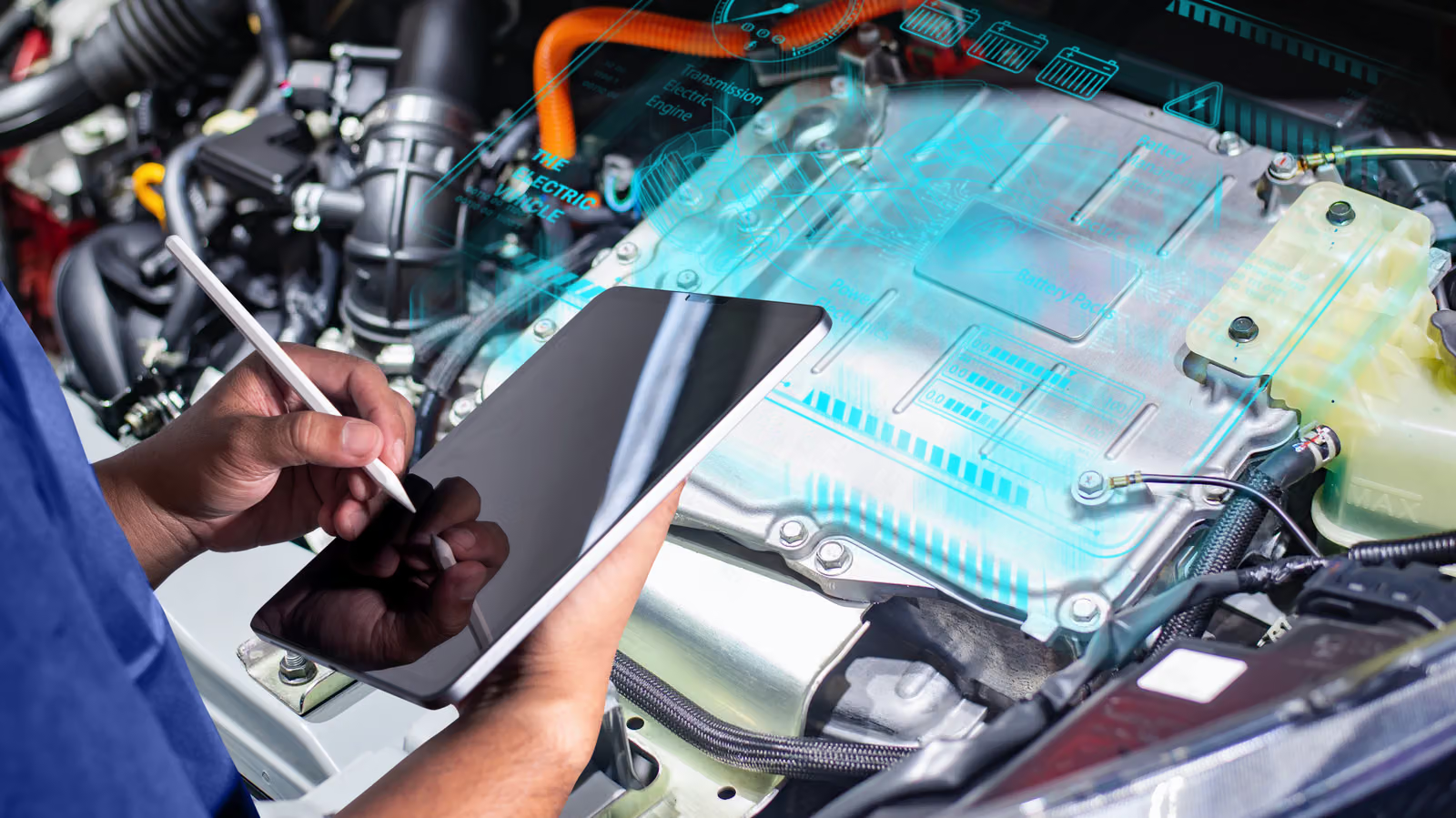
Hybrid Dashboard Flashing a Battery Warning? Figure Out Which Battery Is Actually Acting Up First
Hybrid cars actually run on two separate batteries, and when the dashboard throws up a fault message, the right response depends entirely on which one is failing. Mix up the order, and at best you'll call the wrong kind of roadside assistance—at worst, you'll turn a fixable problem into an expensive repair bill.
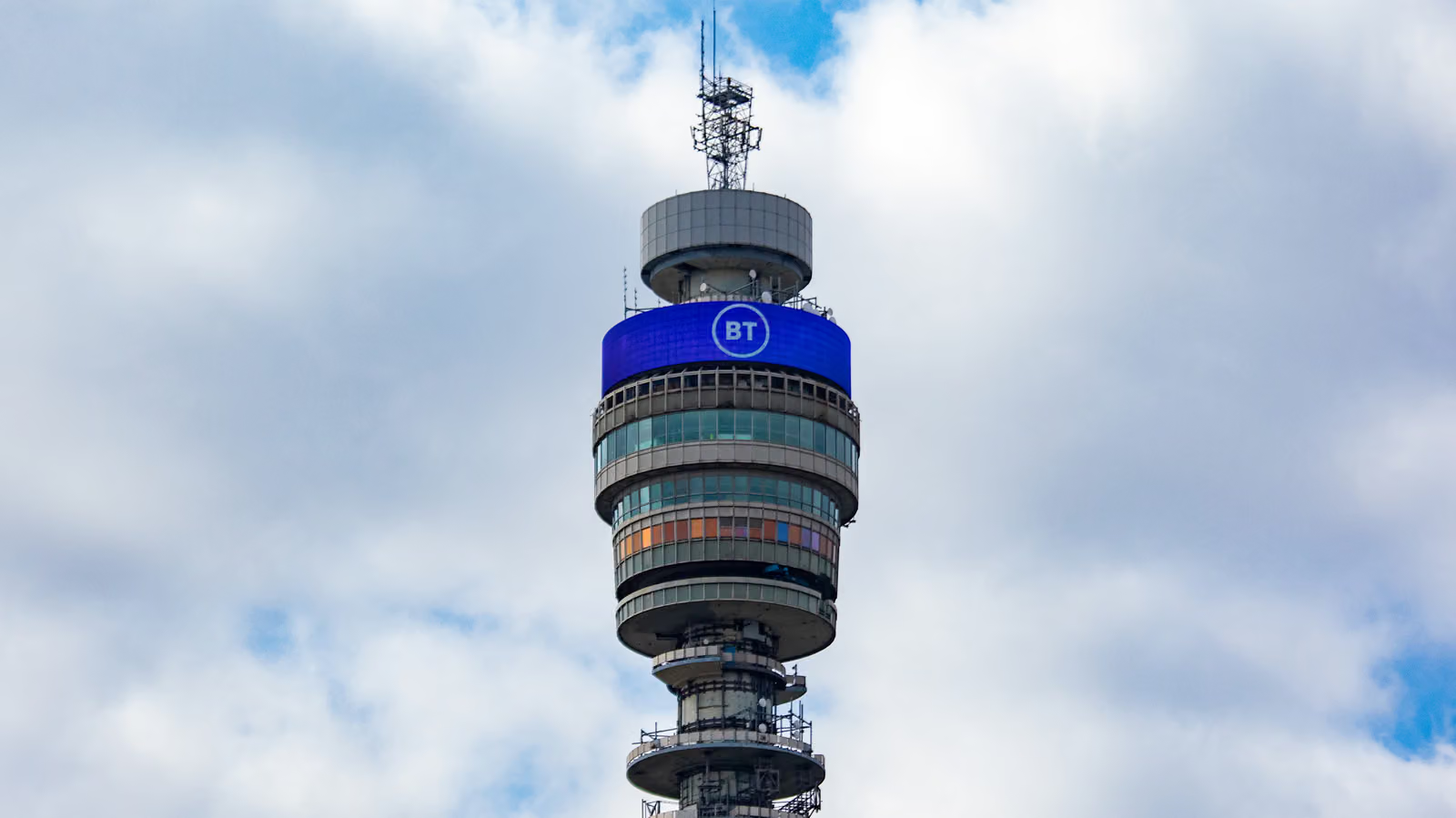
BT Calls Itself a Telecom Fossil, But It's Really Openreach's Cables That Never Went Dark
BT Group traces its lineage back to a telegraph company from 1846, which sounds like a two-century-old institution. But that history runs through nationalization, breakups, and privatization — the thing that's actually stayed unbroken is Openreach, the company running today's fiber and copper lines.
Claude Quietly Hides Pi Inside Its Text: Anthropic Uses a String of Numbers to Invisibly Watermark AI Writing
To comply with EU AI transparency rules, Anthropic has Claude use pi as a "key" to decide word order, embedding a watermark invisible to the naked eye—though edited text may not always escape detection.
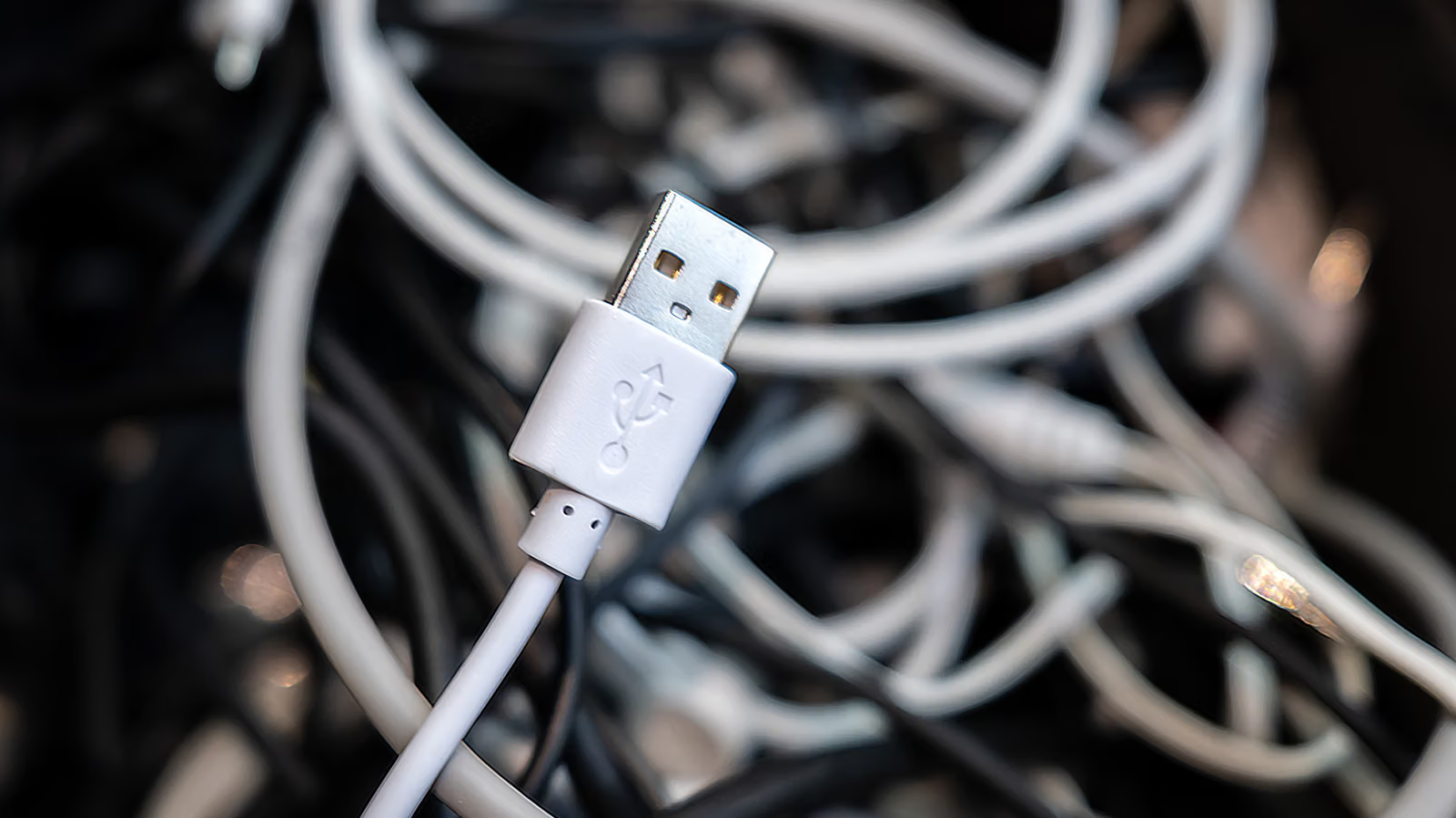
Decoding the USB Trident Symbol: Why One Port Has Changed Identities Ten Times
From USB 2.0 in 2000 to USB4 2.0 in recent years, the same trapezoidal port has cycled through multiple naming systems. Colors, symbols, and speed labels each mean something different — figure these out first, or you might end up plugging your mouse cable into the fastest data port on your machine.
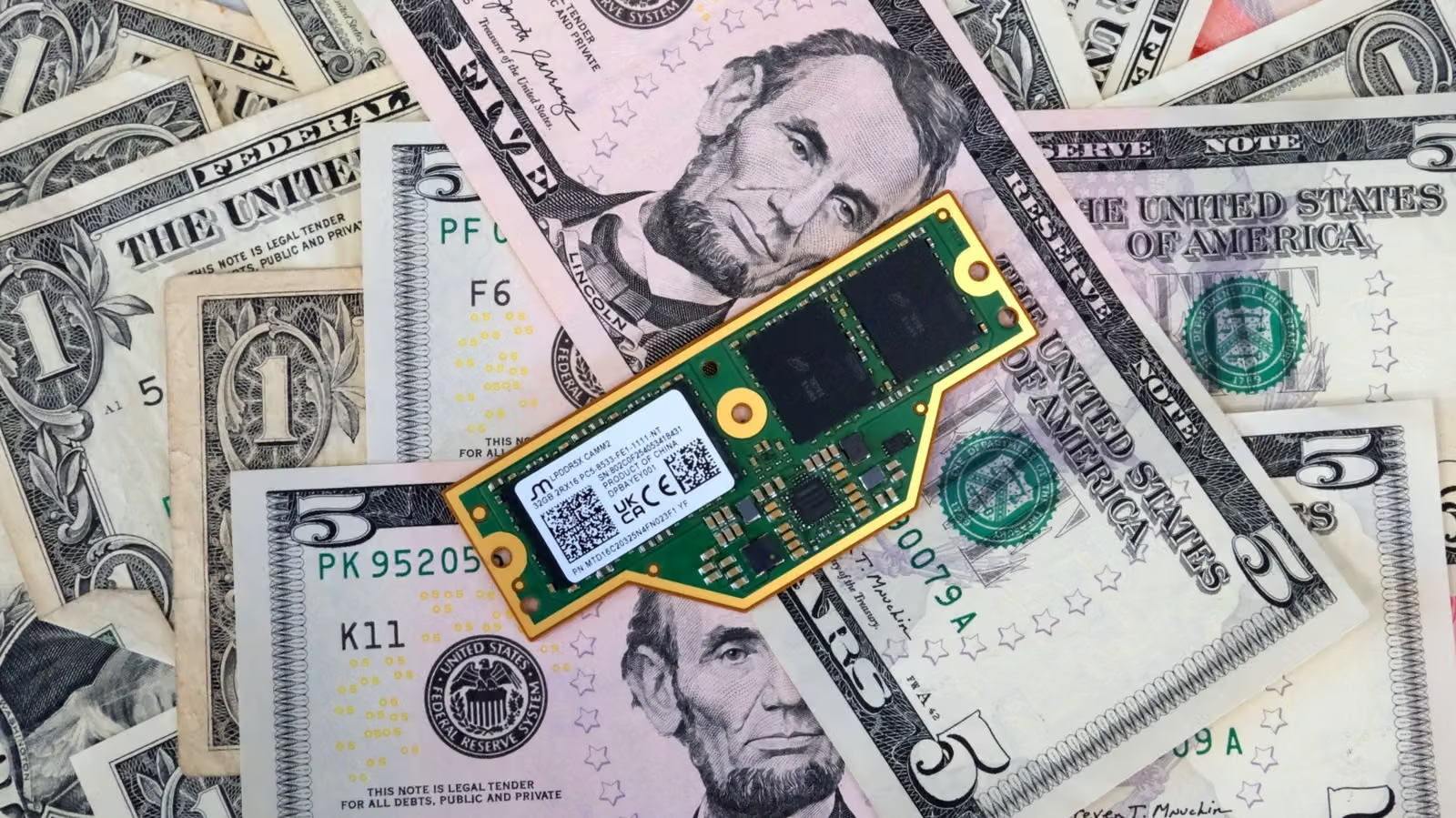
32GB RAM Prices Blow Past $1,200: AI Is Eating Up All the Wafer Capacity, So Micron Just Killed Crucial
DDR5 prices have quintupled in six months, and Micron even axed its own consumer RAM brand Crucial to chase AI orders. The root cause of this price surge isn't a supply shortage—it's that AI companies worldwide have bought up all the wafer capacity.

JJJJound x AIAIAI Collab Headphones: Black and Yellow, Two Ways to Listen
JJJJound teams up with Danish audio brand AIAIAI to launch special editions of the Tracks over-ear headphones and UNIT-4 wireless monitor speaker, dropping August 20.
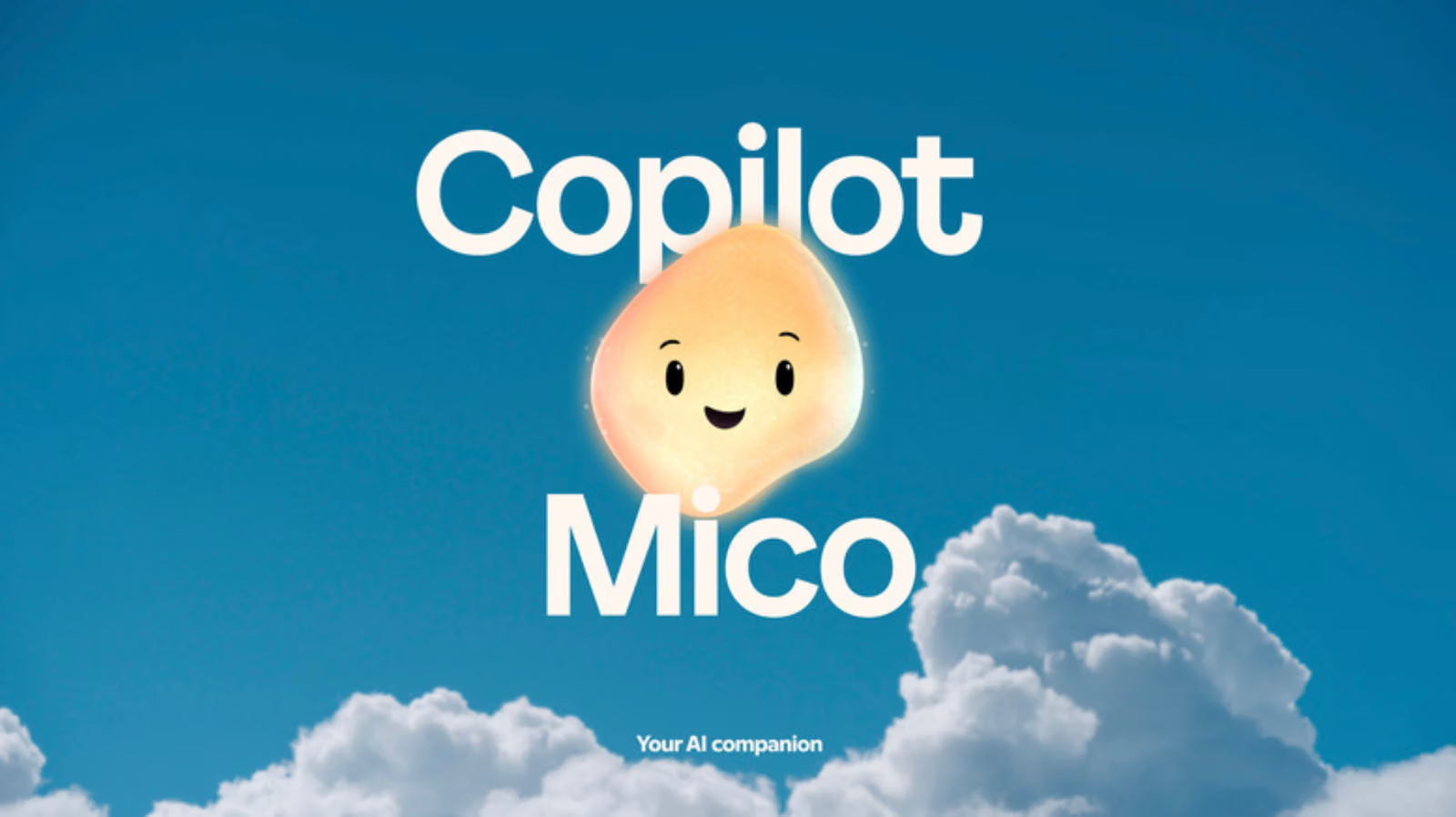
Didn't Even Make It a Year: Microsoft's AI Mascot Mico Booted from Voice Feature
Mico, the anthropomorphic AI character Microsoft launched just last October, has now been pulled from Copilot's voice chat interface and reassigned to the Learn Live tutoring section. The official explanation reads like the kind of euphemism you'd use to explain sending the family dog off to live on a farm.
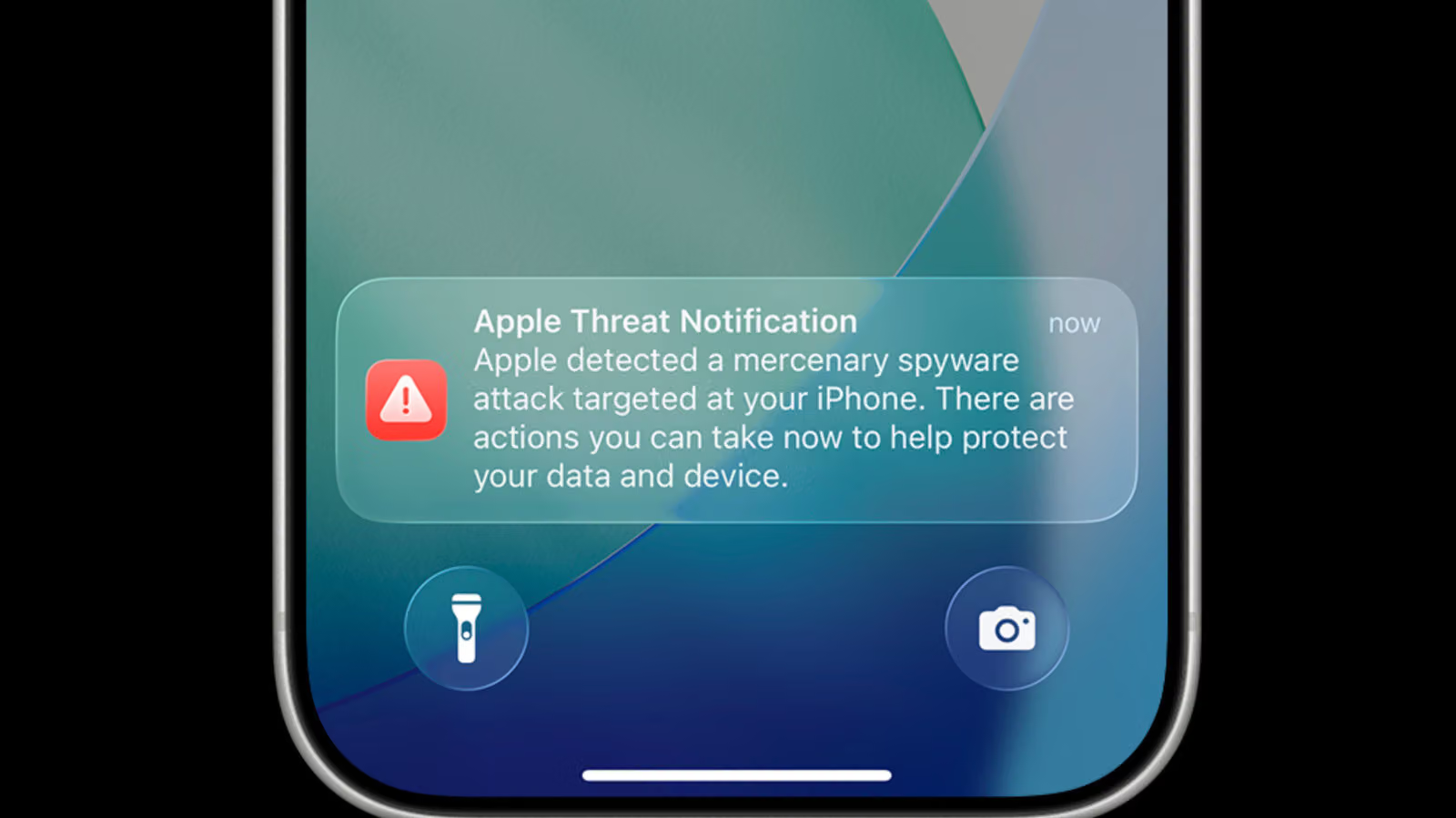
Getting This Apple Alert Means Someone's Paying to Spy on You
Apple has once again sent out mercenary spyware attack warnings and launched a new support page explaining what to do next. These notifications are rare—getting one means signs consistent with Pegasus-level attacks have shown up on your device.

Trump slaps 100% tariff on "sensitive" drones, targeting exactly what the US can't build itself
The White House is imposing a 100% tariff on drones over 25kg or equipped with thermal imaging or docking station capabilities, aiming squarely at Chinese models like DJI—but the US currently has no domestic supply chain capable of replacing them.